Uganda Safari Animals: Complete Species Guide 2026
Last updated: July 2026
Uganda safaris offer a 99% chance of seeing mountain gorillas with permits and 95-100% odds for elephants, lions, and chimpanzees. The best parks are Bwindi, Queen Elizabeth, and Murchison Falls. Plan 7-10 days to experience Uganda's diverse wildlife across multiple ecosystems in one trip.
At a Glance
Cost: $2,500–$5,000+ per person for 7-10 days
Best time: June–September and December–February (dry seasons)
Duration: 7–10 days recommended for diverse wildlife viewing
Best for: Gorilla trekking, chimpanzee tracking, Big Five viewing, bird watchers
What Is Uganda Safari Animals: Complete Species Guide 2026?
Uganda safari animals represent one of Africa's richest wildlife collections. Unlike Kenya or Tanzania, Uganda lets you experience distinct ecosystems in a single trip—from crater lakes to dense forests to open savanna [1]. You can see mountain gorillas in misty highlands, tree-climbing lions lounging on branches, and chimpanzees swinging through canopy in just one week.
This complete guide covers the animals you'll encounter across Uganda's top parks. We explain which species live where, when to see them, and how to plan your safari for maximum wildlife viewing. Whether you're tracking gorillas or spotting the Big Five, this guide helps you understand Uganda's incredible animal diversity.
Why Uganda Stands Out for Safari Wildlife
Uganda Wildlife Authority (UWA) implements diverse conservation strategies that protect over 1,000 bird species and countless mammals [1]. The country's geography creates multiple habitats in close proximity. You can breakfast near crater lakes, lunch while watching elephants, and track gorillas by evening—all in the same trip.
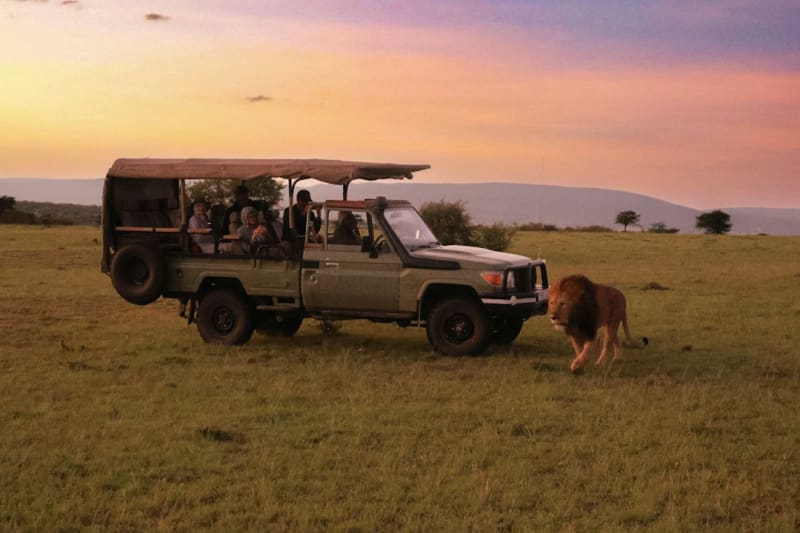
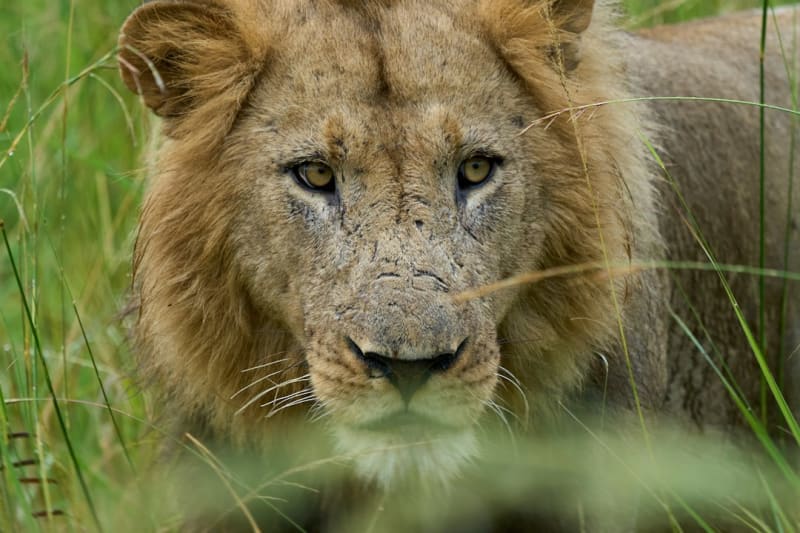
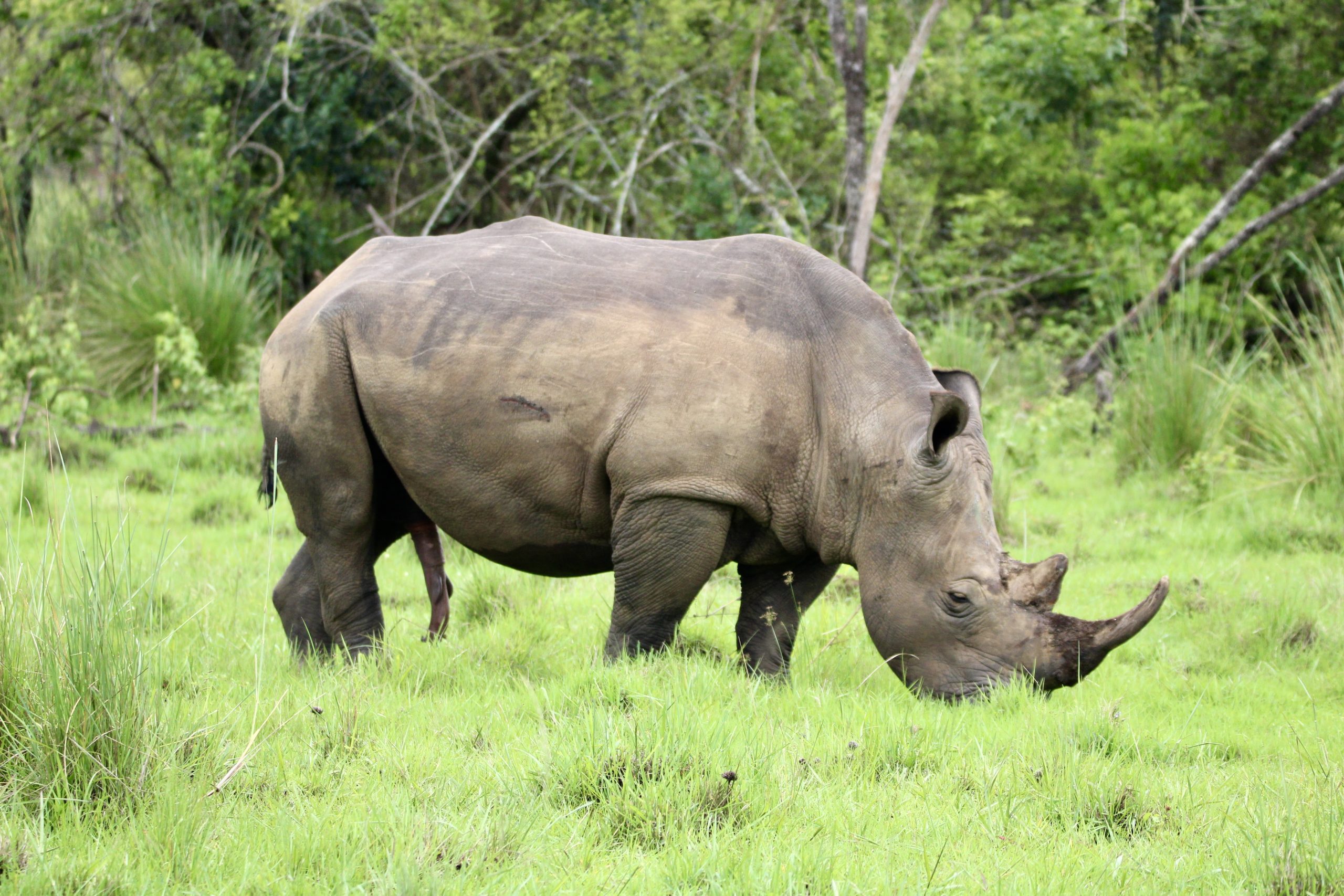
Uganda is home to the Big Five: lion, elephant, buffalo, leopard, and rhinoceros [3]. But it also offers unique species you won't find in other East African countries, like tree-climbing lions and mountain gorillas. This combination makes Uganda a top destination for serious wildlife photographers and nature lovers in 2026.
Key Features of Uganda's Wildlife Ecosystem
Uganda's ecosystems vary dramatically across short distances. Murchison Falls National Park features open savanna and grasslands. Queen Elizabeth National Park combines crater lakes, wetlands, and forest. Bwindi Impenetrable Forest is dense jungle habitat. Kibale Forest supports primate populations. This diversity means different animals thrive in different areas.
The country's protected areas cover over 8% of Uganda's total land. UWA works with local communities to balance wildlife conservation with sustainable use of resources [1]. This approach has helped recover endangered species populations and maintain healthy wildlife numbers across the country.
Which Animals Will You See on an Uganda Safari?
Uganda safari animals include the Big Five plus many unique species. Your sighting odds depend on which parks you visit and how long you stay. Most visitors see elephants (95-100% chance), lions (85-95%), buffalo (90-95%), leopards (40-60%), and mountain gorillas (99% with permits) [2].
Mountain Gorillas: Uganda's Most Iconic Animal
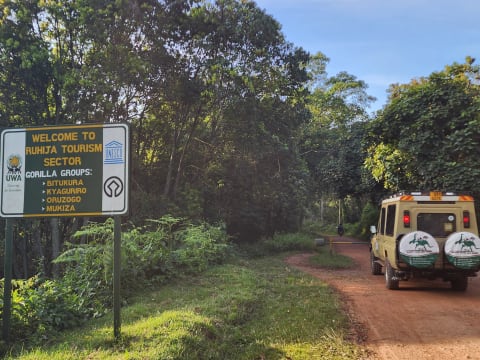
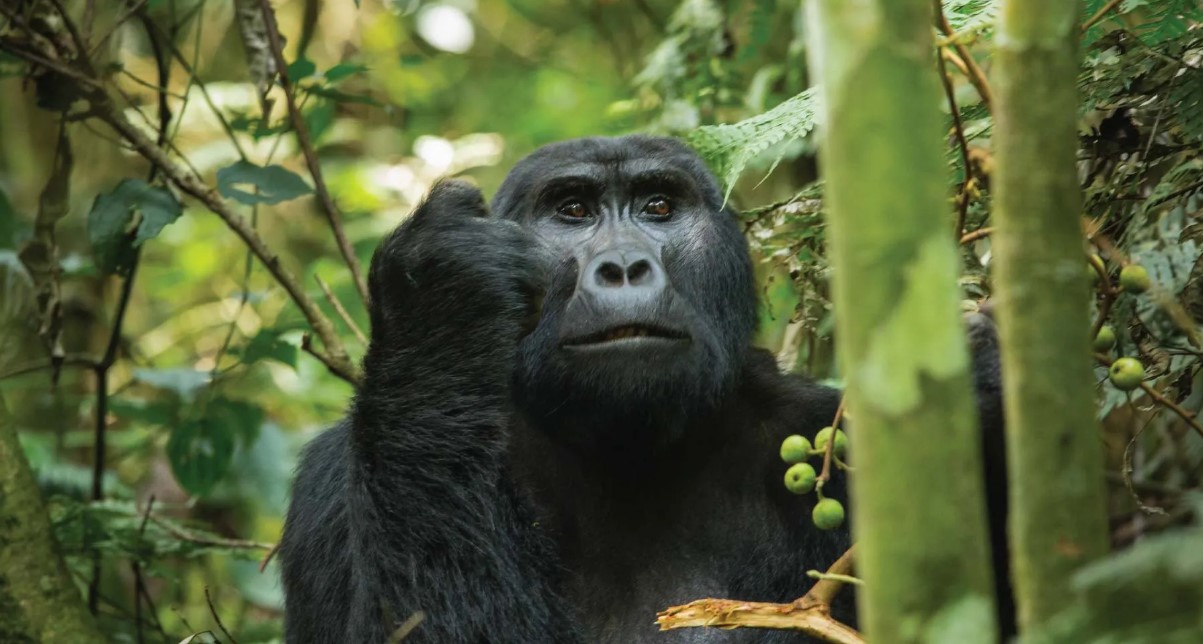
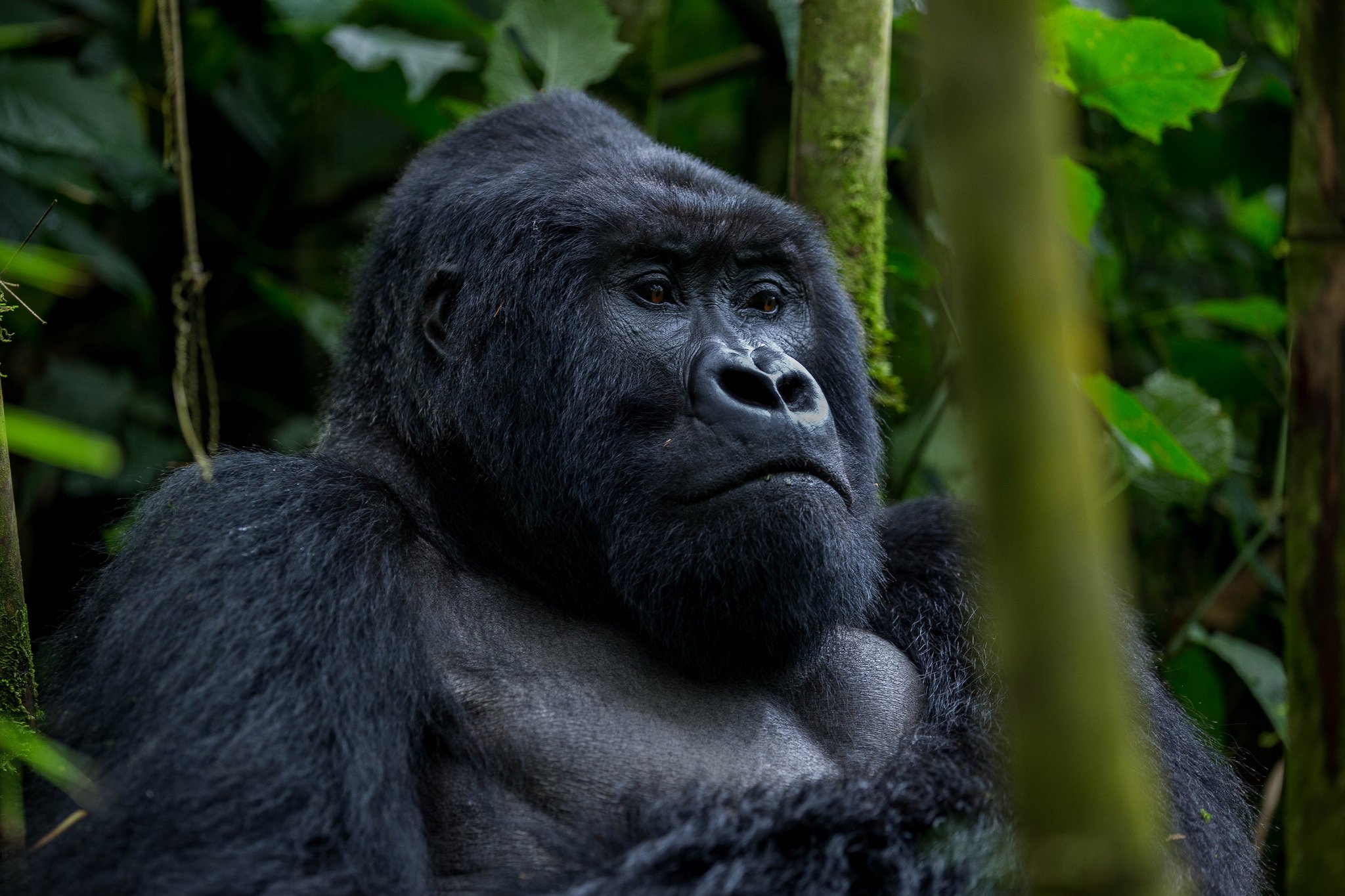
Mountain gorillas are the main reason most travelers visit Uganda. Bwindi Impenetrable National Park and Mgahinga Gorilla National Park are the only places on Earth where you can trek these endangered animals. A gorilla permit costs $700 per person in 2026 and grants you one hour with a gorilla family [2].
Bwindi Impenetrable is home to about half of the world's remaining mountain gorillas—roughly 400 individuals [2]. The permit includes a guide, porter, and access to habituated gorilla families. Most visitors describe gorilla trekking as a life-changing experience. You'll hike through cloud forest, listening to bird calls, until you spot a massive silverback male and his family.
The trek can be challenging. You'll climb steep forest slopes at high altitude (between 2,200 and 2,600 meters). Wear sturdy hiking boots and bring rain gear. The hike typically lasts 2-7 hours depending on where the gorillas are that day. Physical fitness helps, but guides support slower hikers with walking sticks and encouragement.
Chimpanzees: Your Closest Living Relatives
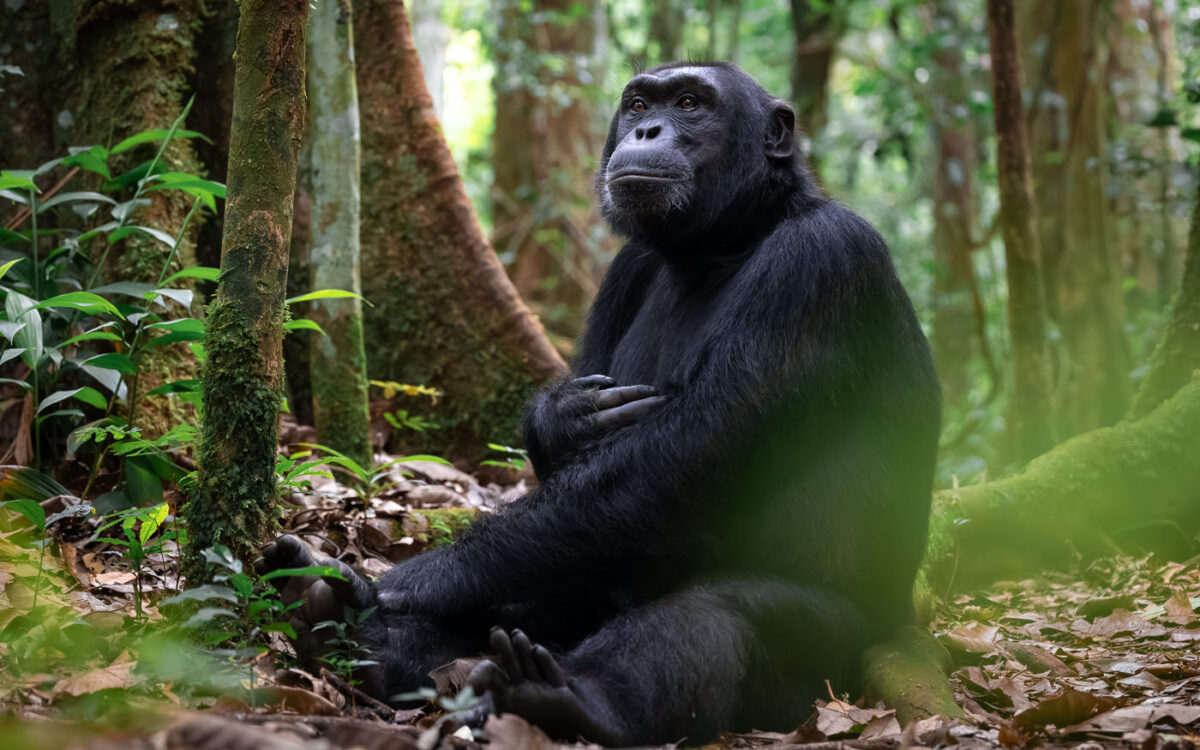
Kibale Forest National Park is Uganda's chimpanzee capital. The park protects 1,450 square kilometers of tropical forest and is home to 1,500+ chimpanzees—the largest population in Uganda [4]. A chimpanzee tracking permit costs $200 per person and gives you three hours with a habituated group.
Unlike gorillas, chimpanzees are active and vocal. You'll hear their calls echoing through the forest before you see them. Chimpanzees live in communities of 20-100 individuals. Guides will help you spot them in trees, feeding on fruit or building nests. The experience feels more dynamic and playful than gorilla trekking.
Kibale also hosts other primates: red colobus monkeys, L'Hoest's monkeys, and numerous other species. Birdwatchers love Kibale because the forest canopy supports over 375 bird species. Plan 2-3 days in Kibale for a complete primate and forest experience.
The Big Five: Lion, Elephant, Buffalo, Leopard, Rhinoceros
Murchison Falls National Park is Uganda's best destination for Big Five viewing [3]. The park covers 3,893 square kilometers and supports strong populations of all five species. You'll typically see lions and elephants on game drives. Buffalo are common near water sources. Leopards and rhinos require patience and luck.
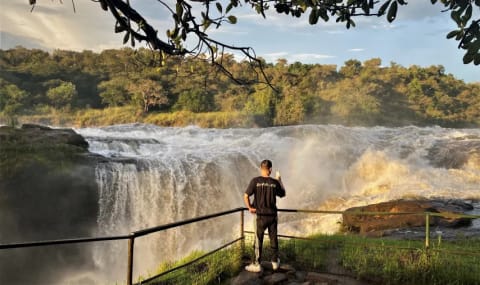
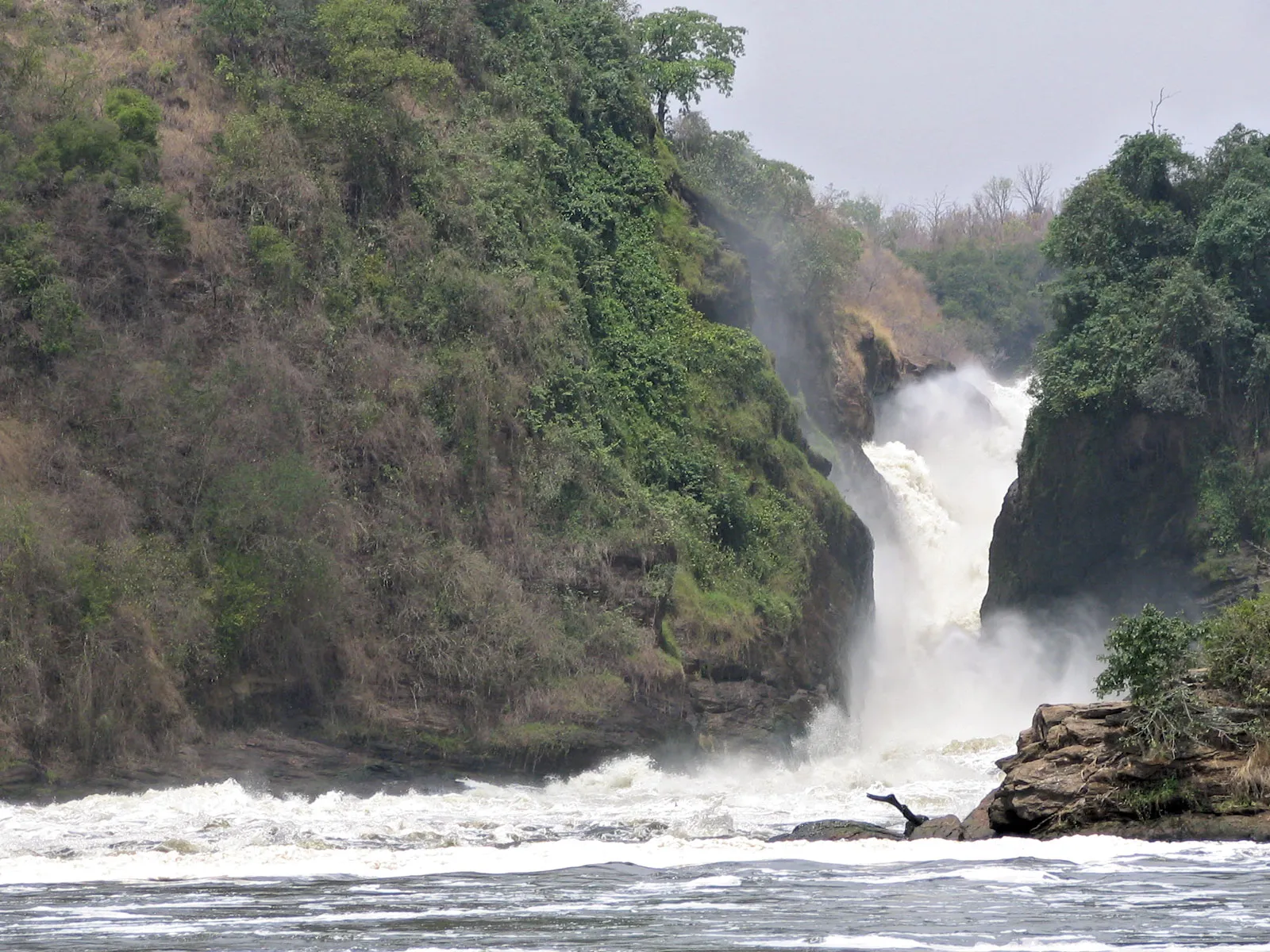
Murchison Falls itself is spectacular—the Nile River crashes through a narrow gorge, creating a roaring waterfall visible from your safari vehicle. The park's northern savanna is excellent for spotting giraffes, zebras, hyenas, and wild dogs. Early morning game drives (5:30-10:00 AM) offer the best wildlife viewing when animals are most active.
Queen Elizabeth National Park is Uganda's second-best location for Big Five viewing [3]. It covers 1,978 square kilometers and offers tree-climbing lions as a unique attraction. These lions spend afternoons resting in acacia trees to escape insects and heat. Seeing a 200-kilogram lion draped across a tree branch is unforgettable.
Tree-Climbing Lions: Uganda's Unique Predator
Tree-climbing lions are a Queen Elizabeth National Park specialty. Scientists still debate why these lions climb trees—theories include escaping insects, getting cooler air, or hunting advantage. Whatever the reason, spotting a lion in a tree is one of Africa's most unusual wildlife moments.
The Ishasha sector of Queen Elizabeth National Park is where tree-climbing lions concentrate. Early morning and late afternoon game drives offer the best chances. You'll also see buffalo herds, elephants, and numerous bird species in this scenic riverine landscape.
Other Iconic Uganda Safari Animals
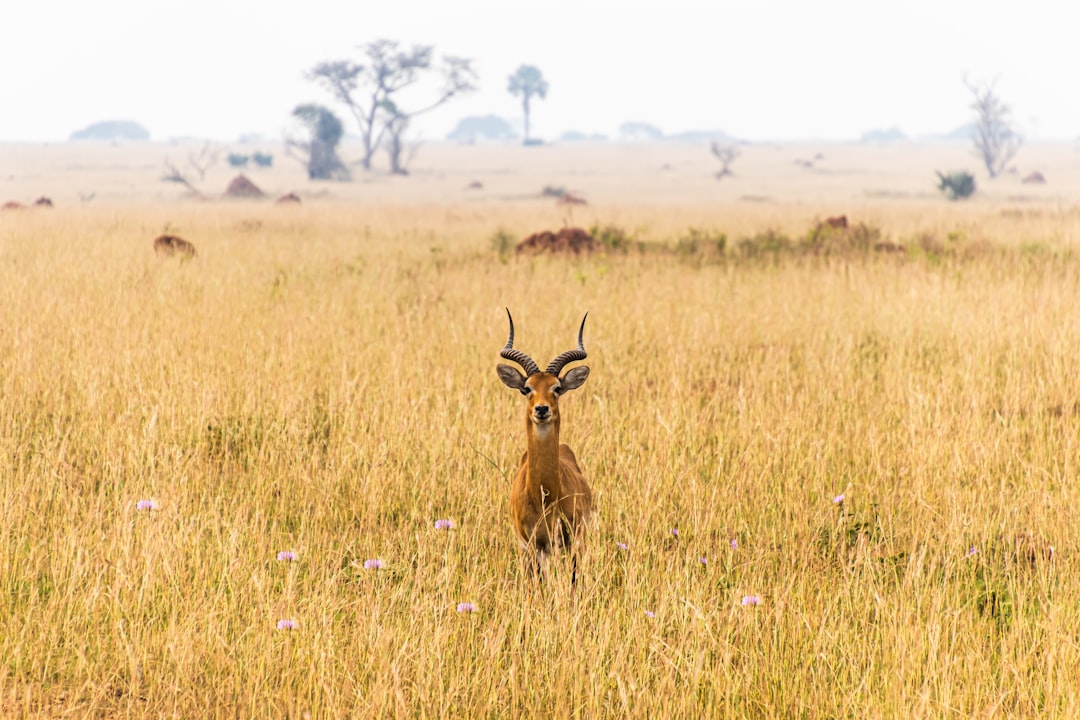
Beyond the Big Five and primates, Uganda hosts incredible wildlife diversity. Kidepo Valley National Park in the remote northeast features cheetahs, wild dogs, giraffes, zebras, and ostriches [3]. The park is Uganda's most isolated but rewards visitors with pristine wilderness and abundant wildlife.
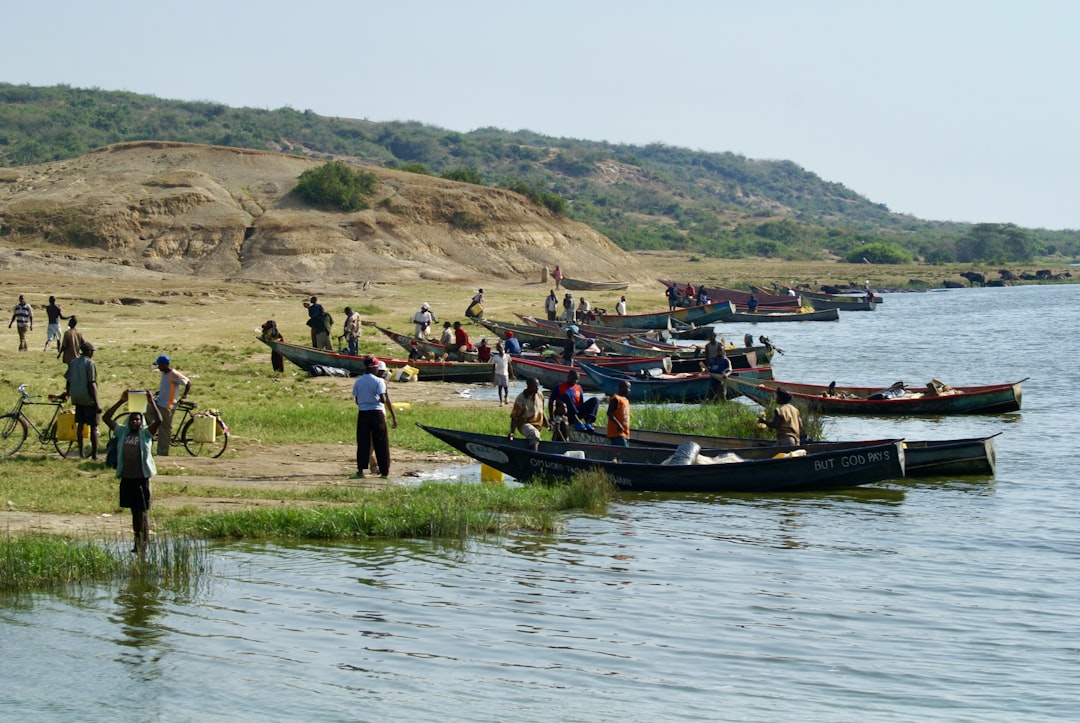
African fish eagles are iconic across Uganda's parks and water bodies. You'll hear their distinctive calls—a haunting, almost comical sound that echoes across lakes and rivers. Hippos are common in all parks with water. You'll spot them lounging in rivers and lakes, often in groups of 10-50 individuals.
Crocodiles, monitor lizards, and numerous snake species inhabit Uganda's waters and forests. While less glamorous than gorillas or lions, these reptiles are crucial to ecosystem health. Your guide will point out interesting reptiles during forest walks and boat safaris.
Uganda hosts over 1,000 bird species [6]—more than any other East African country. Birdwatchers should prioritize Kibale Forest and Queen Elizabeth National Park. Common sightings include African fish eagles, crowned cranes, shoebills, and countless colorful kingfishers and sunbirds.
How to Plan Your Uganda Safari for Maximum Wildlife Viewing
Planning an Uganda safari requires choosing parks, booking permits in advance, and timing your trip for optimal wildlife viewing. The best strategy combines multiple parks to experience different ecosystems and maximize animal sightings.
Choosing the Right Parks for Your Interests
Mountain gorilla trekking is the primary reason most visitors choose Uganda. If gorillas are your priority, allocate 2-3 days to Bwindi or Mgahinga. Gorilla permits sell out months in advance, especially during peak season (June-August and December-February). Book your permit before booking flights.
For Big Five viewing and general game drives, Murchison Falls or Queen Elizabeth National Parks are essential. Plan 3-4 days for either park to complete multiple game drives and experience the landscape. Combining both parks requires 6-7 days total, but gives you the most diverse wildlife experience.
Chimpanzee trekking in Kibale Forest appeals to primate enthusiasts. The three-hour tracking experience differs from gorilla trekking—chimpanzees are more active and vocal. Kibale also offers excellent birding and forest walks. Plan 2-3 days here if primates interest you.
Kidepo Valley National Park suits adventurous travelers seeking remote wilderness. The park requires 2-3 days minimum and involves long drives on rough roads. Sightings include cheetahs, wild dogs, and numerous savanna species absent from western parks. This park feels like genuine African exploration.
Best Time to Visit Uganda for Wildlife
Uganda has two dry seasons: December–February and June–September [8]. These periods offer the best wildlife viewing because animals concentrate near water sources and vegetation is less dense, making animals easier to spot.
June–September is the most popular time. The long rains end in May, grass dries out, and animals move predictably. Chimpanzee tracking is excellent. Gorilla trekking is possible but muddy. Expect crowds and higher prices during this peak season.
December–February offers the best combination of good weather and fewer tourists. The short rains end in November, and conditions are dry and clear. This is ideal for game drives in Murchison Falls and Queen Elizabeth. Gorilla trekking is easier (less mud), and permits are more available. Prices are lower than peak season.
March–May and October–November are rainy seasons. Roads become muddy and some parks are harder to access. However, rain brings lush green landscapes, fewer tourists, and lower prices. Birdwatching is excellent during these months. If you're flexible on dates, shoulder seasons offer good value.
Booking Permits and Arranging Your Itinerary
Gorilla permits must be booked months in advance through Uganda Wildlife Authority. Contact UWA or work with a licensed tour operator to secure permits. Peak season permits (June-August, December-February) sell out 3-6 months ahead.
Chimpanzee permits are easier to obtain but still require advance booking, especially during peak season. Most tour operators can arrange permits within 2-4 weeks. Game drive permits are not required—you just need a park entrance fee.
Consider using verified tour operators on SafariFind to arrange your complete itinerary. Uganda safari packages under $3,000 offer 7-day itineraries that combine multiple parks and experiences. A professional operator handles logistics, permits, and accommodations, reducing stress and ensuring quality experiences.
Gorilla and chimpanzee tracking require moderate fitness. You'll hike uphill on muddy forest paths for 2-7 hours. Wear proper hiking boots, bring rain gear, and use walking sticks if needed. Guides adjust pace for slower hikers.
Uganda is generally safe for tourists. Stick to national parks and established safari routes. Avoid traveling alone at night. Use licensed guides and registered safari companies. Follow your operator's safety briefing carefully.
What to Pack for Your Uganda Safari
Pack layers for variable weather. Mornings are cool, afternoons are warm, and evenings cool down again. Bring a waterproof rain jacket—rain can happen even in dry season. Sturdy hiking boots are essential for forest trekking. Pack quick-dry clothing for humid conditions.
Binoculars and a camera with a telephoto lens enhance wildlife viewing. Bring extra batteries and memory cards—you'll take hundreds of photos. Sunscreen, insect repellent, and a hat protect against UV rays and insects. Bring any prescription medications—they may not be available in remote areas.
Neutral colors (greens, browns, grays) are better for wildlife photography than bright colors. Avoid perfume and strong scents when gorilla or chimpanzee trekking—animals have sensitive noses. Respect park rules: no flash photography during primate encounters.
Uganda Wildlife Authority implements strategies to protect animals and habitats. These efforts include community participation in wildlife management, revenue sharing with local communities, and collaborative management with conservation partners [1].
How Conservation Protects Uganda's Animals
Gorilla populations have recovered from near extinction. In the 1980s, fewer than 250 mountain gorillas remained. Today, about 400 live in Uganda [2]. Protection of Bwindi and Mgahinga forests, combined with anti-poaching patrols and habitat restoration, enabled this recovery. Gorilla tourism revenue funds conservation directly—permit fees support park management and ranger salaries.
Chimpanzee numbers are more stable in Uganda than other African countries. Kibale Forest's protection and management have maintained populations at roughly 1,500 individuals [4]. Tourism revenue supports chimpanzee research and anti-poaching efforts.
Community involvement is key to conservation success. Local people benefit from tourism jobs, education programs, and revenue sharing. When communities see wildlife as economically valuable, they support protection. This approach balances wildlife conservation with human needs.
Threats to Uganda's Wildlife
Habitat loss remains the biggest threat to Uganda's animals. Agricultural expansion, logging, and human settlement reduce forest and savanna areas. Climate change alters rainfall patterns, affecting water availability and vegetation. Poaching targets elephants for ivory and other animals for bushmeat.
Tourism itself can stress wildlife if not managed carefully. Too many visitors disturb animals, spreading disease between humans and primates. Park authorities limit daily gorilla trekking permits and restrict visitor numbers to protect habituated groups. Following park rules—maintaining distance, not touching animals, not using flash—helps minimize tourism impacts.
Uganda Safari Animals by Park: Quick Reference Guide
Different parks offer different wildlife. Here's a quick reference to help you choose:
Park
Primary Animals
Best For
Days Needed
Cost (permit)
Bwindi Impenetrable
Mountain gorillas, forest primates, birds
Gorilla trekking
2–3 days
$700 per permit
Kibale Forest
Chimpanzees, primates, forest birds
Chimpanzee tracking, birding
2–3 days
$200 per permit
Murchison Falls
Big Five, savanna animals, birds
Game drives, waterfall views
3–4 days
$40–$50 entry
Queen Elizabeth
Tree-climbing lions, Big Five, crater lakes
Lion viewing, diverse ecosystems
3–4 days
$40–$50 entry
Kidepo Valley
Cheetahs, wild dogs, giraffes, zebras
Remote wilderness, unique species
2–3 days
$40–$50 entry
Most visitors combine 2–3 parks. A typical 10-day safari includes Bwindi (gorillas), Kibale (chimpanzees), and Queen Elizabeth or Murchison Falls (Big Five). This combination maximizes wildlife diversity and creates a memorable African experience.
Key Takeaways
Book gorilla permits 3–6 months ahead for peak season (June–August, December–February) to secure access to mountain gorillas with a 99% sighting guarantee.
Plan 7–10 days in Uganda to experience multiple parks and ecosystems—gorilla trekking, chimpanzee tracking, and Big Five viewing in one trip.
Visit during dry seasons (June–September or December–February) for optimal wildlife viewing when animals concentrate near water and vegetation is sparse.
Combine parks strategically: Bwindi for gorillas, Kibale for chimpanzees, and Murchison Falls or Queen Elizabeth for Big Five and tree-climbing lions.
Use verified tour operators through SafariFind to arrange permits, itineraries, and accommodations—saving time and ensuring quality experiences with authentic traveler reviews.
Frequently Asked Questions
What is the best time to visit Uganda for wildlife viewing?
The best time to visit Uganda is June–September or December–February (dry seasons) [8]. During these periods, animals concentrate near water sources and vegetation is less dense, making wildlife easier to spot. June–September is busiest and most expensive. December–February offers good weather with fewer tourists and lower prices. Both periods provide excellent gorilla trekking, chimpanzee tracking, and game drives.
How much does a gorilla permit cost in Uganda?
A mountain gorilla permit in Uganda costs $700 per person in 2026 [2]. This price gives you one hour with a habituated gorilla family, including a guide and porter. Permits are issued by Uganda Wildlife Authority and must be booked in advance, especially during peak season. Uganda gorilla safari costs include permits, accommodation, and food, typically totaling $3,000–$5,000 for a 7-10 day trip.
Will I definitely see mountain gorillas on a Uganda safari?
Yes, Uganda safaris deliver a 99% chance of seeing mountain gorillas with a valid permit [2]. Gorillas are habituated to human presence, and guides know their locations. The only reasons you might not see them are extreme weather (very rare) or unexpected gorilla movement. If you don't see gorillas on your permitted day, you can reschedule for the next available day at no additional cost.
What's the difference between gorilla trekking and chimpanzee tracking in Uganda?
Gorilla trekking in Bwindi is a 2–7 hour hike through cloud forest to find a sedentary gorilla family [2]. Chimpanzee tracking in Kibale is a 3-hour guided walk to find active, vocal chimpanzees [4]. Gorillas are calm and peaceful; chimpanzees are energetic and playful. Gorilla permits cost $700; chimpanzee permits cost $200. Both experiences are extraordinary but offer different encounters with our primate cousins.
Can I see the Big Five in Uganda?
Yes, Uganda is home to the Big Five: lion, elephant, buffalo, leopard, and rhinoceros [3]. Murchison Falls National Park and Queen Elizabeth National Park are the best destinations for Big Five viewing. You'll see elephants and lions on game drives (95-100% chance for elephants, 85-95% for lions). Leopards and rhinos require patience but are present. Uganda gorilla trekking versus game safaris offer different cost structures and wildlife experiences.
How long should I spend in Uganda for a complete wildlife safari?
Plan 7–10 days for a complete Uganda wildlife safari. This duration allows 2–3 days for gorilla trekking, 2–3 days for chimpanzee tracking, and 3–4 days for Big Five viewing in Murchison Falls or Queen Elizabeth National Park. Shorter trips (4–5 days) require choosing between gorillas or game drives. Longer trips (12–14 days) allow exploration of remote parks like Kidepo Valley. Compare verified Uganda safari packages on SafariFind to find itineraries matching your budget and interests.
What animals might I see that I won't see elsewhere in Africa?
Uganda offers unique wildlife experiences unavailable in Kenya or Tanzania. Tree-climbing lions in Queen Elizabeth National Park are found nowhere else in Africa. Mountain gorillas are restricted to Uganda, Rwanda, and Democratic Republic of Congo—Uganda offers the best access. Kibale Forest's chimpanzee population (1,500+) is one of Africa's largest. Over 1,000 bird species make Uganda the continent's top birding destination [6]. This combination of endemic and exclusive species makes Uganda special.
Conclusion
Uganda safari animals represent Africa's richest and most diverse wildlife collection. Mountain gorillas, tree-climbing lions, and 1,000+ bird species create unforgettable safari experiences. Unlike Kenya or Tanzania, Uganda lets you combine gorilla trekking, chimpanzee tracking, and Big Five viewing in a single 7–10 day trip.
The best time to visit is June–September or December–February (dry seasons) [8]. Plan your itinerary around your wildlife priorities: gorillas in Bwindi, chimpanzees in Kibale, and Big Five in Murchison Falls or Queen Elizabeth. Book gorilla permits 3–6 months ahead during peak season to guarantee access.
Your Uganda safari investment ranges from $2,500–$5,000+ per person for 7–10 days, including permits, accommodation, and guides. This cost supports critical conservation efforts that protect endangered species like mountain gorillas and tree-climbing lions. When you pay for a gorilla permit, you're directly funding anti-poaching patrols and habitat protection.
These recommendations use real data from SafariFind, where you can compare operators, browse packages, and read verified traveler reviews before you book.
"We spent over two weeks exploring the beautiful country of Uganda with Openbill Safaris Uganda, and the entire experience completely exceeded our expectations. It was a truly immersive journey that was deeply respectful of the local communities, nature, and the territory. Our itinerary covered all the incredible highlights Uganda has to offer. We went on thrilling wildlife safaris, and the absolute highlights were the life-changing gorilla and chimpanzee trekking experiences. Beyond the wildlife, Openbill Safaris did an amazing job of immersing us in the local culture. They even organized a trip for us to watch an Africa Cup of Nations match live at the stadium, which was an unforgettable, high-energy highlight! Emmanuel and his team looked after every single detail with maximum professionalism, passion, and care. If you are looking for an authentic, perfectly organized, and eco-conscious adventure in Uganda, I highly recommend traveling with Emmanuel and his team. We couldn't have asked for a better experience!"
Grazia•23 July 2026
"We had an excellent experience with Pilama Safaris! The booking was very easy and the company was very responsive and helpful as we made our booking. The safari experience itself was great. Jacob, our guide, was amazing! He was extremely professional and the trip was all very well planned out. He also went out of his way to make our trip comfortable, taking care of all of the little details. He was very knowledgeable about the animals and the park. He also taught us a lot about Uganda culture in general. We felt like the safari was an excellent value and we would highly recommended it to anyone. The highlight for us was seeing the top of the Murchison Falls - it’s a breathtaking view. Thank you for an amazing experience, Pilama Safaris! Make a one sentence summary"
CeCe•16 July 2026
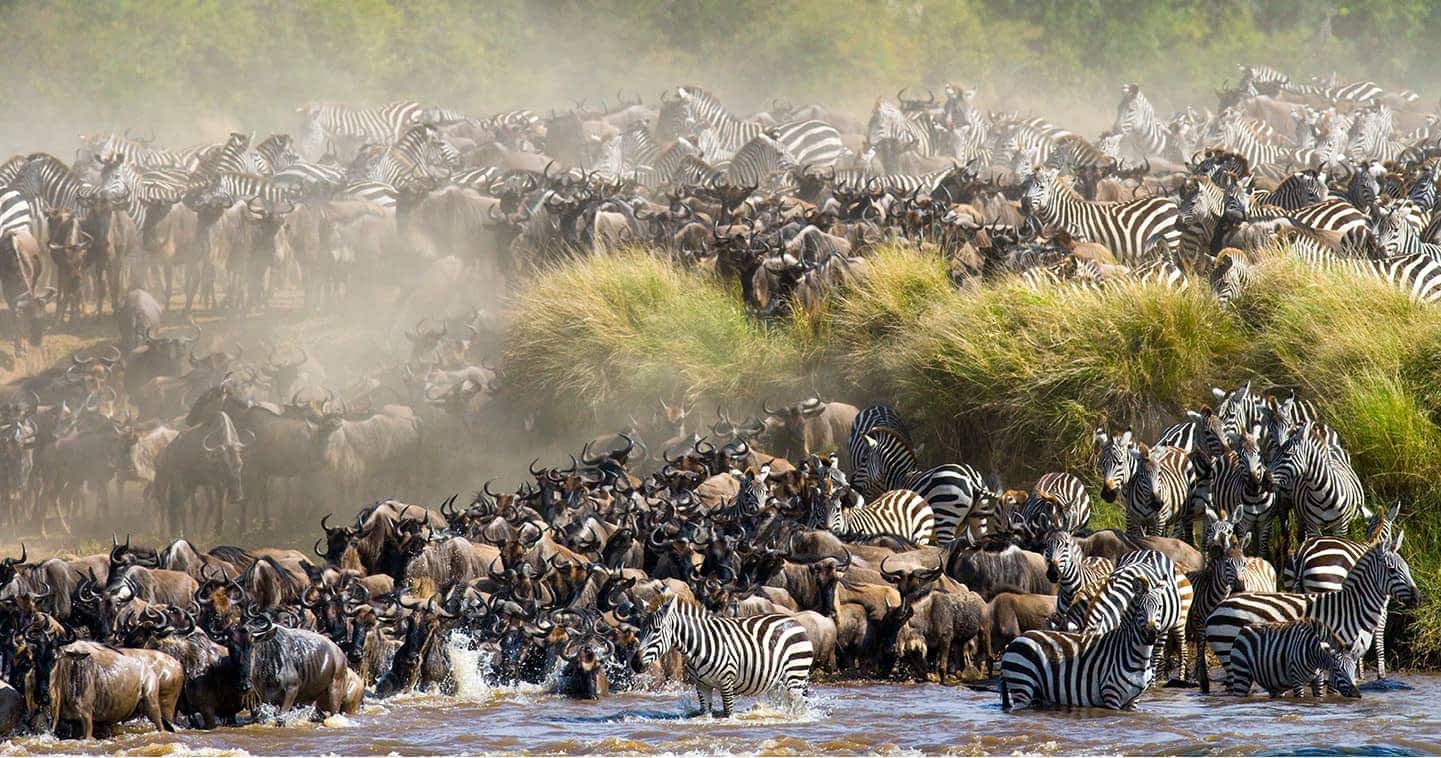
"Our trip to Uganda was unforgettable. We opted for a gorilla trekking tour with Pilama Safaris. It was my first such tour and also my first trip to Uganda. My travels usually take me to Southeast and South Asia. But this trip was something special. I found myself just a few meters away from a gorilla family in Bwindi and could hardly believe my eyes. I was moved to tears to be able to get so close to these animals. These gentle giants. I hadn't expected that. The entire organization was effortless yet remarkably sophisticated. Daniel, our tour guide, expertly shared his insider knowledge and was simply a pleasant person to listen to. He knew what he was doing as we entered the gorillas' domain. We felt safe and well cared for and had a great time. After Uganda, we went to the Masai Mara, where we had the opportunity and the incredible luck to witness the Great Migration. What an experience! I'll be able to tell my grandchildren about it. When thousands of wildebeest crossed the Mara River, it was like something out of a nature film, and we were right in the middle of it, not just spectators. Pilama Safaris also has a real knack for choosing accommodations. Every lodge is definitely recommendable, even for a longer stay. Communication with the organizers was straightforward and based on a handshake agreement. What was agreed upon was delivered and was well worth the money. One more thing: the trip planning and the entire itinerary were coordinated with us in advance and were tailor-made. Even when we wanted to add a relaxing day at short notice, the program was quickly changed, and we were able to unwind in the hotel's spa area. (automatic translation from German)"
D. Maria•16 July 2026
"I just returned from Uganda on safari With goexplore the experience was greaty best moment was the lion tracking with Dr shafat of carnivore project and gorillas in mgahinga beautiful animals Victoria Was Great with us on email from Start and she came to pick us at hotel I advise work with her she is perfect."
Brownlee•11 July 2026
"my trip to Murchison falls with my daughter was so full of surprises Brian sent us a quote and a very good travel plan however it was so pricey nevertheless I expected to have a normal trip that did not include much we were picked up by Moses from the airport for our 3 days to Murchison falls but surpassingly Brians planning was on top after reading a few of his good work on Internet from the past travellers on trip advisor he organised for us the a very good safari we slept at pakuba safaris lodge and another night we slept at pakuba lodge all these lodges were very nice food was good except at para lodge the wildlife was so much and we could not just feel it was enough for us everyday was a new experience for us lions cabs, leopards, herds of elephants and very many antelopes as well this is the best national park Uganda has with well protected and conserved wildlife this company will take you to an amazing trip thinking Brian charged us highly yes fine but the price was valued to its bet. the best trip my daughter enjoyed so far"

 Ask Tembo