Zambia Safari Parks 2026: 6 Regions Compared for Wildlife
Last updated: July 2026
Zambia Safari Parks 2026: 6 Regions Compared for Wildlife covers South Luangwa, Lower Zambezi, Kafue, Liuwa Plain, North Luangwa, and Lochinvar. A seven-day African safari costs about $3,800–$12,000 per person, with June to October preferred for wildlife viewing. Choose South Luangwa for walking safaris, Lower Zambezi for canoeing, and Kafue for remote wilderness.
Six distinct park regions give Zambia one of Africa’s widest safari choices.
At a Glance
Regions: South Luangwa, Lower Zambezi, Kafue, Liuwa Plain, North Luangwa, and Lochinvar [1]
Price range: $3,800–$12,000 per person for an indicative seven-day African safari in 2026 [5]
Best time: June to October for the preferred dry-season safari period [5]
Best for: Walking safaris, river trips, predators, birds, and remote wilderness
Wildlife highlights: Elephants, lions, leopards, buffalo, giraffes, hippos, wild dogs, and more than 700 bird species [6]
Multi-region option: South Luangwa and Lower Zambezi are marketed together for the July 29–August 6, 2026 season [4]
Introduction: What Makes Zambia’s Parks Different?
Zambia Safari Parks 2026: 6 Regions Compared for Wildlife is a practical guide to choosing the right region for your trip. Zambia gives travelers a quieter safari setting, strong guiding, and varied ways to see wildlife. The main choices include walking, driving, boating, canoeing, and birdwatching.
South Luangwa is best known for walking safaris and leopard viewing. Lower Zambezi adds boat safaris and canoe trips. Kafue offers remote wilderness, while Liuwa Plain brings open landscapes and seasonal wildlife. North Luangwa suits travelers seeking a less developed park. Lochinvar is a strong choice for birdwatchers.
Quick answer: Zambia’s six key safari regions suit different travel goals. Visit South Luangwa for leopards and walking, Lower Zambezi for river adventures, and Kafue for wide, remote wilderness. Plan for June to October, and expect indicative seven-day safari prices of $3,800–$12,000 per person in 2026 [1][5].
This guide compares each region by wildlife, activities, setting, and traveler fit. It also explains seasonal planning, price factors, safety, and how to build a multi-park route. SafariFind connects travelers with verified tour operators, package details, and authentic traveler reviews.
What Are the Six Zambia Safari Park Regions in 2026?
Zambia’s six key safari regions are South Luangwa, Lower Zambezi, Kafue, Liuwa Plain, North Luangwa, and Lochinvar. Each region offers a different mix of habitat, wildlife, and activities. This variety makes Zambia especially useful for travelers who want more than standard vehicle game drives [1].
South Luangwa: Walking Safaris and Leopards
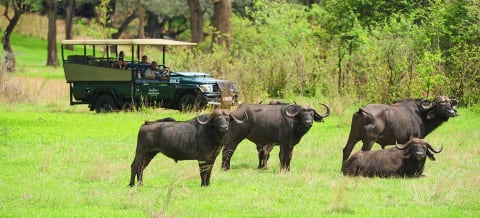
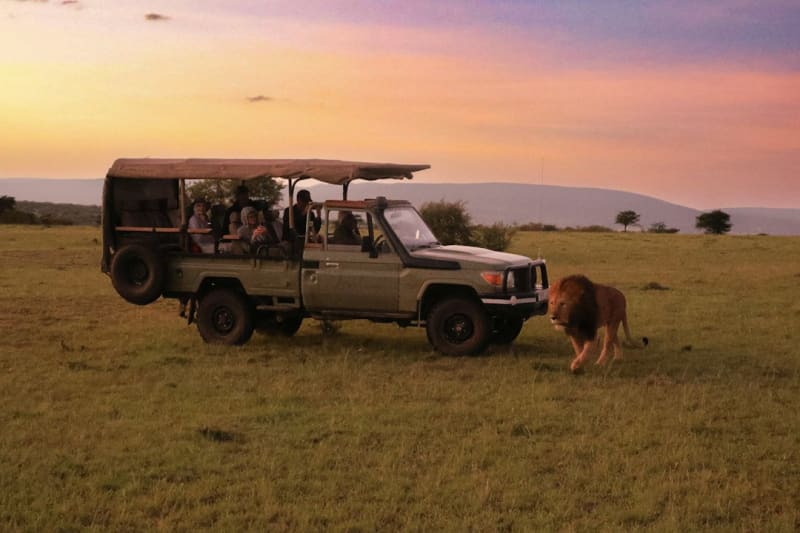
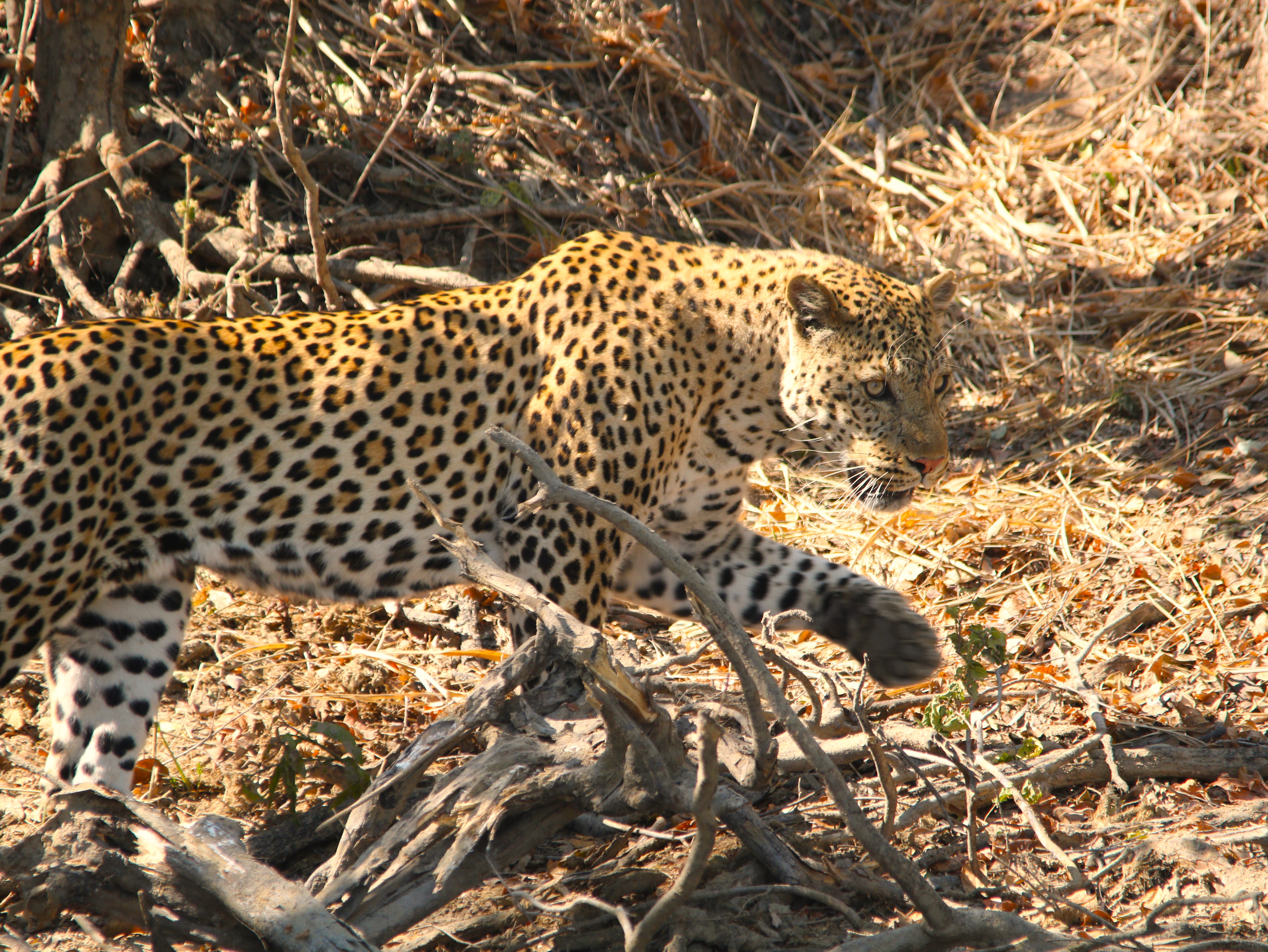
South Luangwa National Park is known for walking safaris and predator viewing. Leopards are a major draw, while lions, elephants, buffalo, hippos, and wild dogs add depth to the experience [1][2][3]. The region suits travelers who want close, guided encounters on foot.
Best for: Walking safaris, leopard sightings, night drives, and photographers. South Luangwa is often the strongest first choice for visitors who want classic wildlife with a strong guiding culture.
Lower Zambezi: Water and Wildlife Together
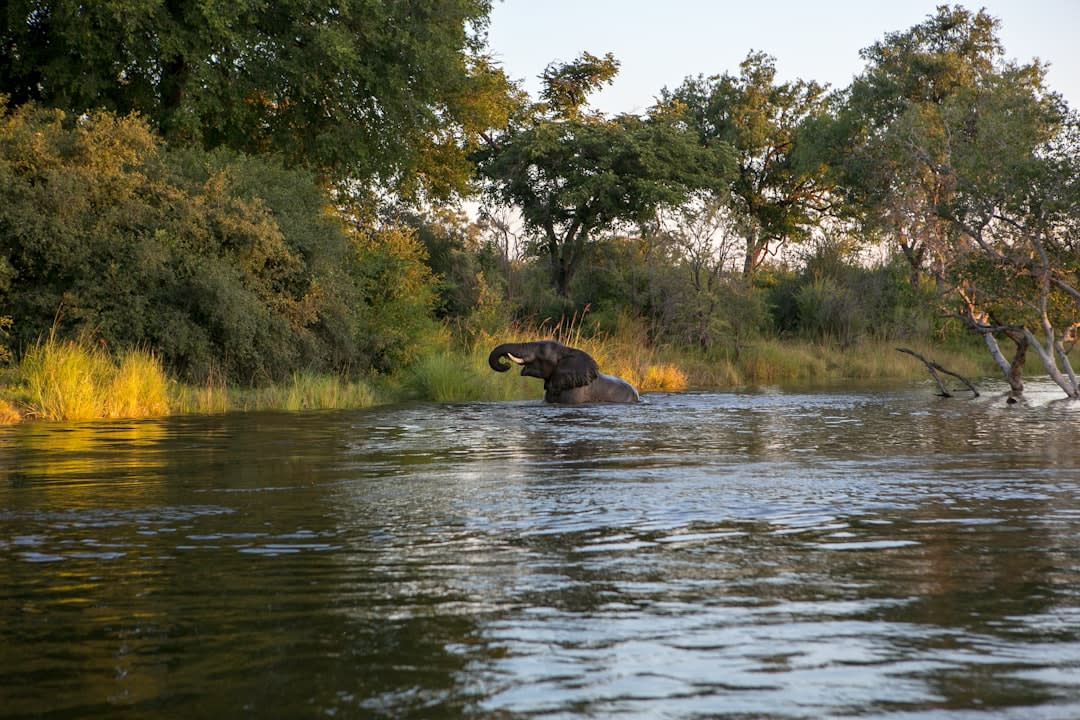
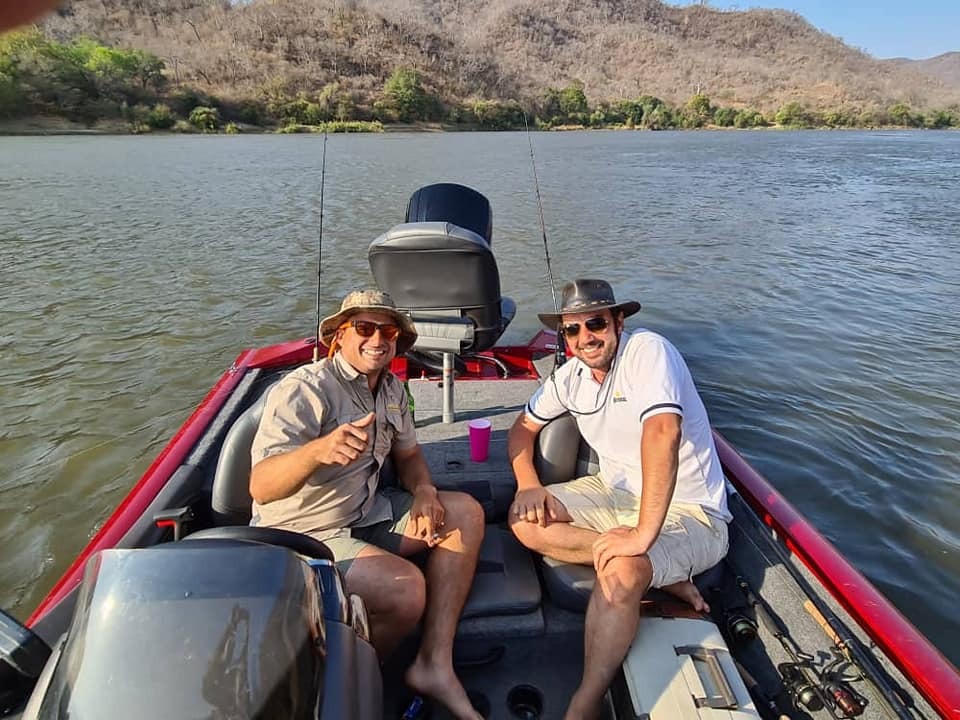
Lower Zambezi National Park is known for river-based safari activities. Boat safaris and canoeing let travelers explore wildlife from the water, while land drives add views of elephants, lions, buffalo, hippos, and other species [2][3].
Best for: Canoeing, boating, families, photographers, and travelers who want an active safari. The river changes the pace of each day and creates views that a vehicle alone cannot provide.
Kafue: Remote Wilderness
Kafue National Park is known for remote wilderness experiences. Its appeal is space, wild scenery, and a sense of distance from busy tourism areas [2]. Kafue suits travelers who value quiet landscapes and longer, slower wildlife days.
Best for: Repeat safari visitors, wilderness lovers, and travelers who prefer a less crowded setting. Kafue can work well as the main destination for a deeper Zambia trip.
Liuwa Plain: Open Grassland
Liuwa Plain is known for a broad, open landscape within Zambia’s six-region safari comparison. The setting offers a different visual experience from river valleys and woodland parks. Travelers should choose Liuwa Plain when scenery, seasonal change, and a remote feel matter as much as predator density [1].
Best for: Landscape photographers, experienced safari travelers, and visitors who want an unusual route. The open plain also creates a strong contrast with South Luangwa’s woodland environment.
North Luangwa: Less Developed Wilderness
North Luangwa is known for a more remote safari setting. It belongs on the list for travelers who want a quieter, less developed experience and who accept a simpler travel style. The region is a natural fit for people who place wilderness ahead of convenience [1].
Best for: Experienced safari travelers, walking enthusiasts, and visitors who want to travel beyond the most established routes.
Lochinvar: Birdwatching and Wetlands
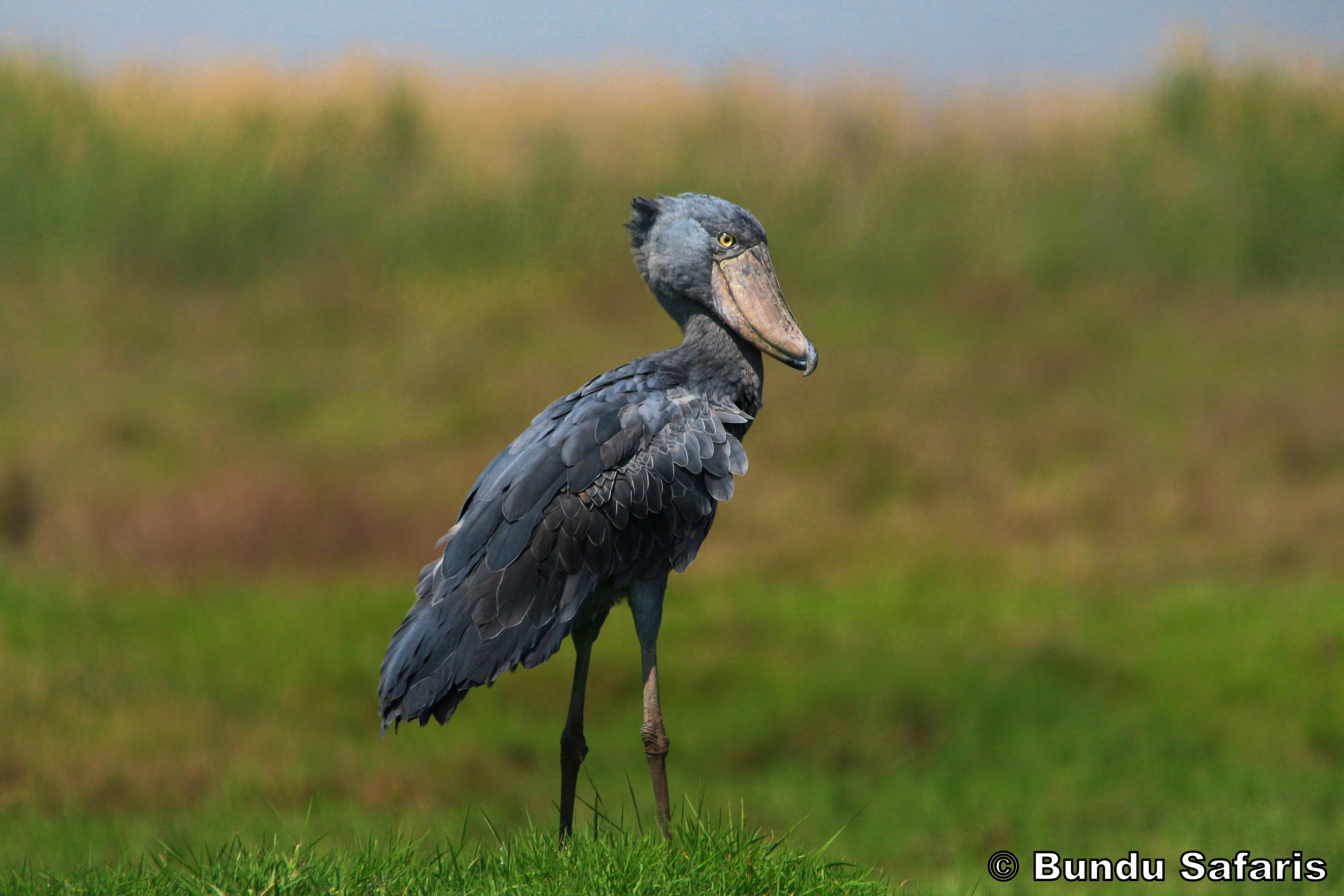
Lochinvar is known for wetland scenery and birdwatching within Zambia’s park network. Zambia’s parks support more than 700 bird species, and the green season is especially important for birdwatching [6]. Lochinvar therefore adds a useful bird-focused stop to a wider itinerary.
Best for: Birders, nature photographers, and travelers who want to add wetlands to a mammal-focused safari.
These six regions are not interchangeable. South Luangwa and Lower Zambezi offer the clearest activity contrast, while Kafue, Liuwa Plain, North Luangwa, and Lochinvar reward travelers who want a more specialized route.
South Luangwa is the strongest choice for leopards and walking safaris, while Lower Zambezi leads for water-based activities. Kafue offers remote wilderness, and Lochinvar stands out for birds. Liuwa Plain and North Luangwa suit travelers who want less typical routes and a quieter safari setting.
Name
Price
Duration
Rating
Best For
South Luangwa
Part of the 2026 $3,800–$12,000 seven-day guide range
7 days is a useful comparison point
Package dependent
Walking safaris and leopards
Lower Zambezi
Part of the 2026 $3,800–$12,000 seven-day guide range
7 days is a useful comparison point
Package dependent
Boat safaris and canoeing
Kafue
Package dependent
Often suited to a longer wilderness route
Package dependent
Remote wilderness
Liuwa Plain
Package dependent
Route dependent
Package dependent
Open landscapes and specialist trips
North Luangwa
Package dependent
Route dependent
Package dependent
Remote travel and walking
Lochinvar
Package dependent
Route dependent
Package dependent
Birdwatching and wetlands
Wildlife Priorities
South Luangwa offers the clearest predator focus. The region is linked with leopard sightings and walking safaris, which makes it a strong option for travelers who want both tracking and vehicle viewing [1][2][3]. Night drives can add a different view of active predators.
Lower Zambezi adds a water-based wildlife view. Canoeing and boat safaris create a slower experience near the river. This setting is especially useful for travelers who want elephants, hippos, and landscapes from a new angle [2][3].
Kafue favors wilderness over a single headline species. The park works for travelers who want remote scenery and a less hurried pace. It is also a useful choice for repeat visitors who have already seen Zambia’s best-known parks.
Lochinvar favors birds over a big-five checklist. Zambia supports more than 700 bird species, and green-season travel can improve birdwatching conditions [6]. Travelers should add Lochinvar when birdlife matters as much as large mammals.
Pricing and Value
Price range: An indicative seven-day African safari comparison for 2026 lists $3,800–$12,000 per person [5]. The final amount depends on the selected park, camp level, transfers, activities, season, and route length. Treat this figure as a planning guide rather than a fixed Zambia tariff.
South Luangwa and Lower Zambezi often work well in one trip because they offer different experiences. A scheduled itinerary dated July 29–August 6, 2026, markets both regions together, showing that multi-region travel is available for the current season [4].
June to October is the preferred travel period in the 2026 comparison data because it offers a strong dry-season window for safari travel [5]. Green-season months also matter, especially for birdwatching. The best month depends on whether you value dry access, wildlife concentration, lower crowd levels, or fresh vegetation.
June to October: The Main Safari Window
June to October is the clearest general recommendation for a first Zambia safari. The period appears as the preferred travel time in a published 2026 comparison [5]. Travelers can focus on South Luangwa, Lower Zambezi, or a combined itinerary during this window.
Dry-season planning can also support a more focused route. Choose South Luangwa for walking and predator viewing. Choose Lower Zambezi when canoeing and boat safaris are central to your plans. Add Kafue when remote space matters more than a short transfer schedule.
Green Season: Birds and Fresh Landscapes
The green season is especially valuable for birdwatching. Zambia’s parks support more than 700 bird species, and birdwatching receives special emphasis during this period [6]. Lochinvar becomes more attractive when your trip centers on wetland habitats and bird photography.
Green-season travel can also suit photographers who want fresh plant growth and changing landscapes. Ask operators about camp opening dates, road access, and included activities before booking. Conditions differ across regions, so a detailed itinerary matters.
How Long Should You Stay?
A seven-day safari is a useful starting point for comparing Zambia routes. The 2026 price comparison uses seven days as its standard duration and lists $3,800–$12,000 per person [5]. Seven days can support one deep park stay or a two-region route with careful transfers.
One park gives you more time for repeat drives and slower mornings. Two parks give you more variety but add travel time. A South Luangwa and Lower Zambezi itinerary can combine walking, driving, boating, and canoeing in one trip [4].
Plan Health, Safety, and Entry Details
Travel planning should cover more than wildlife. Read the guide on Zambia safari safety risks and rules in 2026 before you confirm activities. Discuss walking rules, water activities, transfers, and guide support with your operator.
Start by choosing your main wildlife goal, then select the region that matches it. Next, compare season, route length, camp style, activities, and operator reviews. This method prevents you from paying for features you will not use and helps create a clearer seven-day plan.
Step 1: Choose Your Main Experience
Choose South Luangwa for walking safaris, leopards, and predator viewing.
Choose Lower Zambezi for boat safaris, canoeing, and river scenery.
Choose Kafue for remote wilderness and a slower safari pace.
Choose Liuwa Plain for open landscapes and a specialist route.
Choose North Luangwa for less developed wilderness and walking.
Choose Lochinvar for wetlands and birdwatching.
Then decide if one park is enough. A single region gives you more time in one habitat. A two-region trip gives you stronger contrast. South Luangwa and Lower Zambezi are already marketed together for the 2026 season [4].
Step 2: Set a Realistic Budget
Set your budget around the full package, not the headline price. Compare lodging, meals, transfers, park access, guided walks, boat trips, canoeing, and internal travel. The published 2026 seven-day comparison range is $3,800–$12,000 per person [5].
Ask whether the quote includes every planned activity. A lower price may exclude flights, transfers, or specialist excursions. A higher price may include private guiding, better camp locations, and more flexible scheduling.
Read the 2026 Zambia safari price guide for a deeper budget check. SafariFind also lets you compare verified operators and read authentic reviews before requesting a quote.
Step 3: Match the Route to Your Travel Style
First-time visitors often prefer South Luangwa because it combines strong predator viewing with walking. Lower Zambezi suits active travelers who want water activities. Repeat visitors may prefer Kafue, Liuwa Plain, or North Luangwa for a more unusual route.
Birders should include Lochinvar or another bird-rich stop. Zambia’s total park birdlife exceeds 700 species, with the green season highlighted for birdwatching [6]. Photographers should ask about vehicle limits, light conditions, walking time, and access to river viewpoints.
Step 4: Check Operator Quality
Compare more than price. Check guide experience, group size, transfer plans, safety briefings, camp details, and recent reviews. SafariFind lists verified tour operators and authentic traveler feedback, helping you compare service quality before payment.
Ask these questions before booking:
How many nights will you spend in each region?
Are walking safaris led by qualified guides?
Are canoeing and boat trips included or optional?
What happens if weather affects transfers?
Which meals, park fees, and transfers appear in the quote?
Suggested Seven-Day Routes
Route one: Spend seven days in South Luangwa for repeated drives, walking, and predator viewing. This route reduces transfer time and suits travelers with one clear priority.
Route two: Combine South Luangwa and Lower Zambezi. This route adds leopards and walking to boating and canoeing. A published itinerary for July 29–August 6, 2026, demonstrates that operators market this pairing [4].
Route three: Build a specialist route around Kafue, Liuwa Plain, North Luangwa, or Lochinvar. This option suits repeat visitors, birders, and travelers who value remote settings over a quick checklist.
Why Choose Zambia Safari Parks in 2026?
Zambia Safari Parks 2026: 6 Regions Compared for Wildlife shows that Zambia is not one single safari product. It is a choice between walking, water, remote wilderness, open plains, quiet routes, and wetlands. That range gives travelers more control over the type of trip they want.
South Luangwa is the strongest all-round choice for a first visit. Lower Zambezi adds an active river experience. Kafue gives repeat travelers a remote setting. Liuwa Plain and North Luangwa offer specialist routes, while Lochinvar adds bird-focused travel.
What You Can Expect
Known for: Zambia is known for walking safaris, predator viewing, river activities, remote wilderness, and strong birdlife. The country’s parks support more than 700 bird species, while wildlife highlights include elephants, lions, leopards, buffalo, giraffes, hippos, and wild dogs [6].
Best for: Zambia is best for travelers who want guided immersion rather than only long vehicle drives. It suits photographers, walkers, birders, repeat safari visitors, and active travelers who want canoeing or boating.
Value: Zambia offers a wide choice of experiences within an indicative 2026 seven-day range of $3,800–$12,000 per person [5]. Compare inclusions carefully because activity levels, transfers, and accommodation can change the final value.
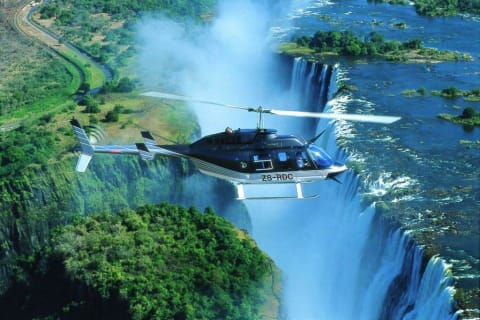
Travelers who want to add Livingstone can combine a safari with Victoria Falls and cultural experiences in the region [2]. This creates a useful extension after a park stay, especially for visitors who want both wildlife and a major landmark.
For a wider decision guide, read whether a Zambia safari is worth the price in 2026. The answer depends on your preferred activities, comfort level, and willingness to travel beyond the busiest routes.
Key Takeaways
Choose South Luangwa for walking safaris and leopard viewing, the region’s clearest wildlife strengths [1][2][3].
Choose Lower Zambezi for boat safaris and canoeing, then add driving for a wider wildlife experience [2][3].
Plan around June to October for the preferred 2026 safari period listed in current comparison data [5].
Budget $3,800–$12,000 per person for an indicative seven-day African safari, then check every package inclusion [5].
Add Lochinvar during bird-focused planning because Zambia supports more than 700 bird species, especially during the green season [6].
Frequently Asked Questions
What are the best Zambia safari parks in 2026?
The best Zambia safari parks depend on your goal. South Luangwa is best for walking and leopards, Lower Zambezi is best for river activities, and Kafue is best for remote wilderness. Liuwa Plain, North Luangwa, and Lochinvar offer open landscapes, quieter travel, and birdwatching [1][2].
How much does a seven-day Zambia safari cost in 2026?
An indicative seven-day African safari costs $3,800–$12,000 per person in 2026 [5]. Your final quote depends on the park, camp level, transfers, activities, season, and whether the trip uses one region or several.
What is the best time to visit Zambia for wildlife?
June to October is the preferred general period for a Zambia safari in 2026 [5]. The green season is also valuable for birdwatching, since Zambia’s parks support more than 700 bird species [6]. Choose the season that matches your wildlife and photography goals.
Which Zambia park is best for walking safaris?
South Luangwa is the strongest choice for walking safaris in Zambia. The region is also linked with predator viewing and leopard sightings, making it a good fit for travelers who want guided time outside a vehicle [1][2][3].
Can I combine South Luangwa and Lower Zambezi?
Yes, South Luangwa and Lower Zambezi can form a multi-region Zambia safari. A scheduled itinerary dated July 29–August 6, 2026, markets both regions together [4]. The route combines walking and predator viewing with boat safaris and canoeing.
How do I book a verified Zambia safari operator?
Use SafariFind to compare verified Zambia safari operators, package prices, trip details, and authentic traveler reviews. Request quotes from operators that match your region, budget, dates, and preferred activities before booking.
Conclusion: Choosing Your Zambia Region
Zambia Safari Parks 2026: 6 Regions Compared for Wildlife gives you six clear starting points. Choose South Luangwa for walking safaris and leopards. Choose Lower Zambezi for river adventures. Choose Kafue for remote wilderness, Liuwa Plain for open scenery, North Luangwa for quiet travel, and Lochinvar for birds.
June to October is the preferred 2026 travel period, while green-season trips can reward birdwatchers. A seven-day safari comparison lists $3,800–$12,000 per person, so compare inclusions before judging value [5]. A South Luangwa and Lower Zambezi route offers a strong mix of land and water activities [4].
Compare verified safari packages on SafariFind, read authentic reviews, and request a quote that matches your dates and budget. Use the marketplace to compare tour operators before you commit. In 2026, Zambia remains a strong choice for travelers who want active guiding, varied habitats, and a quieter path through southern Africa.
Plan Your Safari with SafariFind
These recommendations use real data from SafariFind, where you can compare operators, browse packages, and read verified traveler reviews before you book.
4-Day Victoria Falls safari tour • $2,200 • 4 days • by Cultural Vibes Travel & tours
What Travelers Say (SafariFind Reviews)
"On 10.9. until 1.10. In 2023, I went on a trip to Botswana, Zimbabwe and a short visit to Zambia with my clients - friends. I carefully prepared the trip in cooperation with the manager of Cultural Vibes Travel & Tours, Mr. Tongesai Mutematsaka. After arriving in Gaborone we organized a short tour of the city ourselves and met Tongesai in Maun. Tongesai was our driver and guide practically the whole way. We visited the Okavango River Delta and its surroundings (Moremi Reserve, Mokoro boat cruise, flight over the Okavango Delta. This was followed by a visit to the Makgadikgadi Salt Flats, then the Elephant Sands area and in Botswana Chobe National Park with a cruise on the Chobe River. Then we crossed to Zimbabwe, which was the main part of our journey. In the Victoria Falls area, we visited the Monde settlement, took a helicopter flight over Victoria Falls, followed by a cruise on the Zambezi River as part of a visit to the national park of the same name. We also walked past Victoria Falls on the Zimbabwean side and had a Boma dinner in the evening (too much of a "tourist thing"). On the Zambian side of the falls we saw white rhinos in Mosi - oa - Tunya National Park, then visited the museum in Livingstone and walked the Zambian side of the falls. From Victoria Falls, we headed to Hwange National Park, where we had a beautiful program - a safari, and after Hwange, there was also a very interesting program in Matobo National Park (there, among other things, white rhinos (a mother with her little daughter), beautiful rock formations and prehistoric cave drawings. The next place visited was Khami with very interesting buildings, and then we visited the ruins of Great Zimbabwe, which are among the most important world monuments. This was followed by a visit to the Chinhoya Karst and finally the gallery in Harare. I would also like to comment on the provision of services: Accommodation in the hotels was at the standard, expected level, only the service at the Great Zimbabwe Hotel was rather lazy. Accommodation in lodges - very good and the best accommodation was in Iganyana tented camp in Hwange National Park, mainly due to the extraordinary professionalism and very friendly attitude of the staff there towards us, the visitors. I must also highly praise all the local guides we met everywhere, e.g. in Chobe, Hwange and Matobo National Parks. I want to emphasize that this journey is one of the most interesting that I have made around the world. I believe that my clients - friends were also satisfied with the set. Thanks to the travel agency Cultural Vibes Travel & Tours and Mr. Tongesai Mutematsaka. I recommend Cultural Vibes Travel & Tours to anyone considering a trip to Zimbabwe."
Viktor Chrást•22 June 2026
"Tongesai and his team provided a wonderful itinerary on our recent trip to Victoria Falls with day trips to Zambia and Botswana. They were a thoughtful and knowledgeable team who took great care to tailor the trip to our family's needs."
Kara Fraser•22 June 2026
"Our guide Tongesai was incredibly respectful, punctual, and friendly. He also helped us with transfers to and from the airport. The experience of visiting Victoria Falls on the Zambia side was amazing. The scenery is wonderful!!!"
Javier Fragozo•22 June 2026
"Tongesai was awesome from the start. I knew he was a good tour operator because he answered all of my questions in a timely manner and no question was ever stupid. Everything was just as he said once we arrived and really it was better. We prepared for about a year in advance for this trip and the tour operator was instrumental and making this trip a success. I highly recommend this tour operator to anyone who wants to visit Zimbabwe, Zambia, and Botswana. Give Tongesai a call or email, and you will 100% not be disappointed. I have a very deep understanding of border crossing and transportation challenges in many African countries at this point because of the efforts of the tour operator. This makes my wife and I have very comfortable to approach another visit or look at visiting a different African country."
JS•22 June 2026
"Cultural Vibes Travel and Tours and Tongesai Mutematsaka come with my highest recommendation!! Our trip to Zimbabwe, Zambia, and Botswana was everything I could have dreamed of. Tongesai was easy to work with, and always communicated back with me very quickly. I told him what I wanted and he personalized our experience within our budget. He was very flexible when I wanted to make any changes. He took care of every detail so I didn't have to. It was fabulous!! I highly recommend!! You will not be disappointed."

 Ask Tembo