Is Rwanda Safer Than South Africa for Safari? 2026
Rwanda is safer than South Africa for safaris in 2026, with 99% tourist safety rating. Compare security, costs, wildlife, and best practices for both destinations.
Rwanda is considered safer than South Africa for safaris in 2026, with low crime rates and excellent governance. Rwanda has a 99% security rating for tourists, while South Africa faces higher urban crime. Both destinations offer world-class safari experiences, but Rwanda provides peace of mind with stronger safety infrastructure and fewer travel warnings.
At a Glance
Rwanda Safety Rating: 99% secure for tourists in 2026
South Africa Safety Rating: Moderate to high urban risks, low rural safari risks
Best Time to Visit: June to September (dry season in both countries)
Rwanda Safari Cost: $2,000–$4,500 per person for 7 days
South Africa Safari Cost: $2,500–$6,000 per person for 7 days
Best For: Rwanda suits safety-conscious travelers; South Africa suits budget-minded and adventure seekers
What You Need to Know About Safari Safety in Rwanda vs South Africa
Rwanda is arguably the safest country in Africa for safari tourism in 2026, with a remarkable transformation over three decades.[2] The nation now feels safer than many European countries, with low crime rates, clean streets, and a zero-tolerance police approach to harassment.[8] South Africa, while offering incredible wildlife experiences, faces higher crime rates in urban areas like Johannesburg and Cape Town, though safari regions themselves remain relatively secure.[5]
When comparing these two safari destinations, safety extends beyond statistics. It includes tour operator quality, wildlife management, infrastructure, and traveler support systems. Rwanda has invested heavily in tourism security and governance, making it an increasingly popular choice for travelers prioritizing peace of mind. South Africa's established safari infrastructure and lower costs attract millions annually, but visitors must take extra precautions in urban areas.
Both countries share similar weather patterns, with June to September offering the best dry season conditions for wildlife viewing.[1] The key difference lies in how each nation manages visitor safety across all touchpoints—from arrival to accommodation to game drives. Understanding these differences helps you choose the destination that matches your comfort level and travel style.
Compare verified safari packages from both countries on SafariFind. Browse operators with authentic traveler reviews to find packages matching your safety priorities and budget.
Rwanda's Safety Advantages for Safari Travelers
Strong Governance and Security Infrastructure
Rwanda's transformation since the 1990s has created one of Africa's most stable governments.[6] The nation invests heavily in security, tourism infrastructure, and visitor support. Kigali, the capital, ranks among Africa's safest cities with visible police presence that reassures rather than intimidates travelers.[2] This stability extends to safari regions like Akagera National Park and Volcanoes National Park, where tourism is well-regulated and monitored.
The Rwandan government prioritizes tourism safety because it recognizes the sector's economic importance. Tour operators face strict licensing requirements and must maintain international safety standards. Wildlife guides receive regular training in emergency protocols, wildlife behavior, and visitor management. This structured approach reduces incidents and ensures rapid response when issues arise.
Low Crime Rates and Traveler-Friendly Environment
Rwanda's crime rate against tourists is exceptionally low in 2026.[8] Violent crime targeting visitors is rare, and petty theft in tourist areas is minimal compared to other African destinations. The streets of Kigali feel safe to walk at night, unlike many major cities globally. Hotels and lodges maintain professional security without creating an oppressive atmosphere.
Travelers report feeling comfortable moving around Rwanda independently, which enhances the overall experience. You can visit markets, interact with locals, and explore cultural sites without the constant vigilance required in some other destinations. This freedom reduces travel stress and allows you to focus on wildlife encounters and cultural immersion.
Smaller Tourist Crowds and Personalized Service
Rwanda receives fewer international tourists than South Africa, creating a more intimate safari experience.[3] Smaller tour groups mean better wildlife viewing, less competition for prime spots, and more personalized attention from guides. This also means fewer safety incidents simply because fewer people are in the field. Guides know their clients personally and can tailor experiences to individual needs and comfort levels.
The smaller scale of Rwanda's tourism industry also means operators take extra care with reputation management. Word-of-mouth is crucial in a tighter tourism community, so operators maintain high safety and service standards to protect their business.
Explore Rwanda safari packages on SafariFind. Request quotes from verified operators specializing in Akagera and Volcanoes National Parks.
South Africa's safety profile is more complex than Rwanda's because it divides sharply between urban areas and safari regions.[5] Johannesburg, Cape Town, and Durban experience higher crime rates, including violent crime targeting tourists in certain neighborhoods. However, established safari regions like Kruger National Park, Sabi Sands, and private game reserves maintain excellent security and low incident rates.
Most safari incidents are preventable and occur because travelers misunderstand wildlife behavior, underestimate distances, or lack emergency knowledge.[4] South Africa's safari operators are highly experienced and maintain strict safety protocols. The real safety concern for South Africa visitors is the transition period between urban areas and safari lodges, not the safari experience itself.
Established Infrastructure and Mature Tourism Industry
South Africa's safari industry is the most established in Southern Africa, with decades of experience managing large visitor volumes.[5] Major operators like those based in Kruger National Park have refined safety procedures through millions of guest interactions. Accommodations range from luxury lodges to budget camps, all maintaining professional security standards.
The downside is that South Africa's popularity means larger tour groups, busier game drives, and less personalized attention. Competition among operators can sometimes lead to shortcuts or pressure to deliver experiences regardless of conditions. However, reputable operators on SafariFind maintain high standards despite volume pressures.
Cost Advantages and Wildlife Diversity
South Africa offers excellent value compared to Rwanda, with 7-day safaris ranging from $2,500 to $6,000 per person depending on lodge quality.[5] The country hosts the Big Five plus diverse ecosystems—savannas, coasts, mountains, and deserts. This variety appeals to travelers wanting multiple experiences in one trip. South Africa also offers easier self-drive options for confident travelers.
However, lower costs sometimes correlate with larger groups, longer hours in vehicles, and less exclusive wildlife viewing. Budget-conscious travelers should verify group sizes and guide qualifications before booking.
Direct Comparison: Safety Metrics and Traveler Experience
Safety Factor
Rwanda
South Africa
Overall Safety Rating for Tourists
99% secure; minimal urban crime[2][8]
Moderate; higher urban crime; safari regions secure[5]
Government Stability and Governance
Excellent; strong tourism focus[6]
Good; established democratic systems[5]
Safari Region Security
Excellent; Akagera and Volcanoes well-managed
Excellent; Kruger and private reserves highly secure
Budget travelers, Big Five seekers, self-drive adventurers
This comparison shows Rwanda excels in overall safety and personalized experiences, while South Africa offers established infrastructure and wildlife diversity. Your choice depends on whether you prioritize safety assurance or cost savings and variety.
Compare Rwanda vs. South Africa safari packages side-by-side on SafariFind. View ratings, reviews, and pricing from verified operators in both countries.
Research your specific tour operator thoroughly using SafariFind's verified operator database and authentic traveler reviews. Check whether your operator holds current safety certifications and has clear emergency protocols. Read recent reviews from travelers with similar interests and comfort levels. Verify that your operator provides comprehensive travel insurance covering medical evacuation.
Register with your embassy before departure, especially for South Africa. This ensures official support if emergencies arise. Get vaccinations recommended by your doctor and the CDC for each destination.[1] Both Rwanda and South Africa require yellow fever vaccination proof for entry from certain countries.
During Your Safari
Follow all guide instructions without exception. Guides understand wildlife behavior and emergency procedures that aren't obvious to visitors. Never approach animals for photos or venture away from designated areas. Most safari incidents occur when travelers ignore safety briefings or underestimate wildlife danger.[4]
Stay alert to your surroundings and keep valuables secure in your accommodation. Use hotel safes for passports, extra cash, and electronics. In South Africa, avoid walking alone in unfamiliar urban areas at night. In Rwanda, this precaution is less critical, but common sense still applies.
Health and Emergency Preparedness
Carry a comprehensive travel medical kit including antimalarial medication prescribed by your doctor. Both countries have malaria in lower-altitude areas, though Rwanda's highland regions near volcanoes have lower risk.[1] Drink only bottled or purified water. Ensure your travel insurance covers medical evacuation, as remote safari lodges may require helicopter rescue for serious injuries.
Familiarize yourself with your lodge's emergency procedures on arrival. Know how to contact your operator's emergency line and your embassy. Keep copies of important documents separate from originals.
Which Destination Should You Choose?
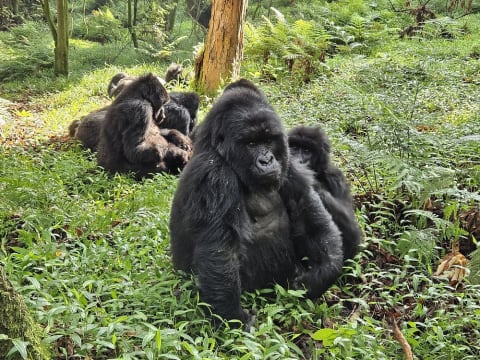
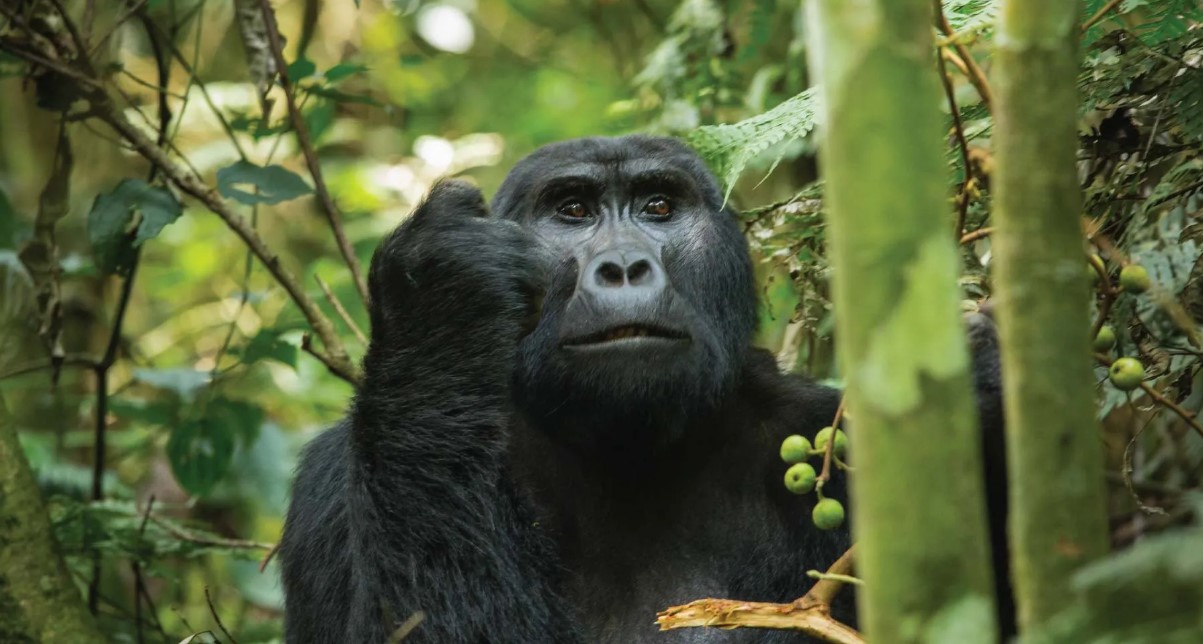
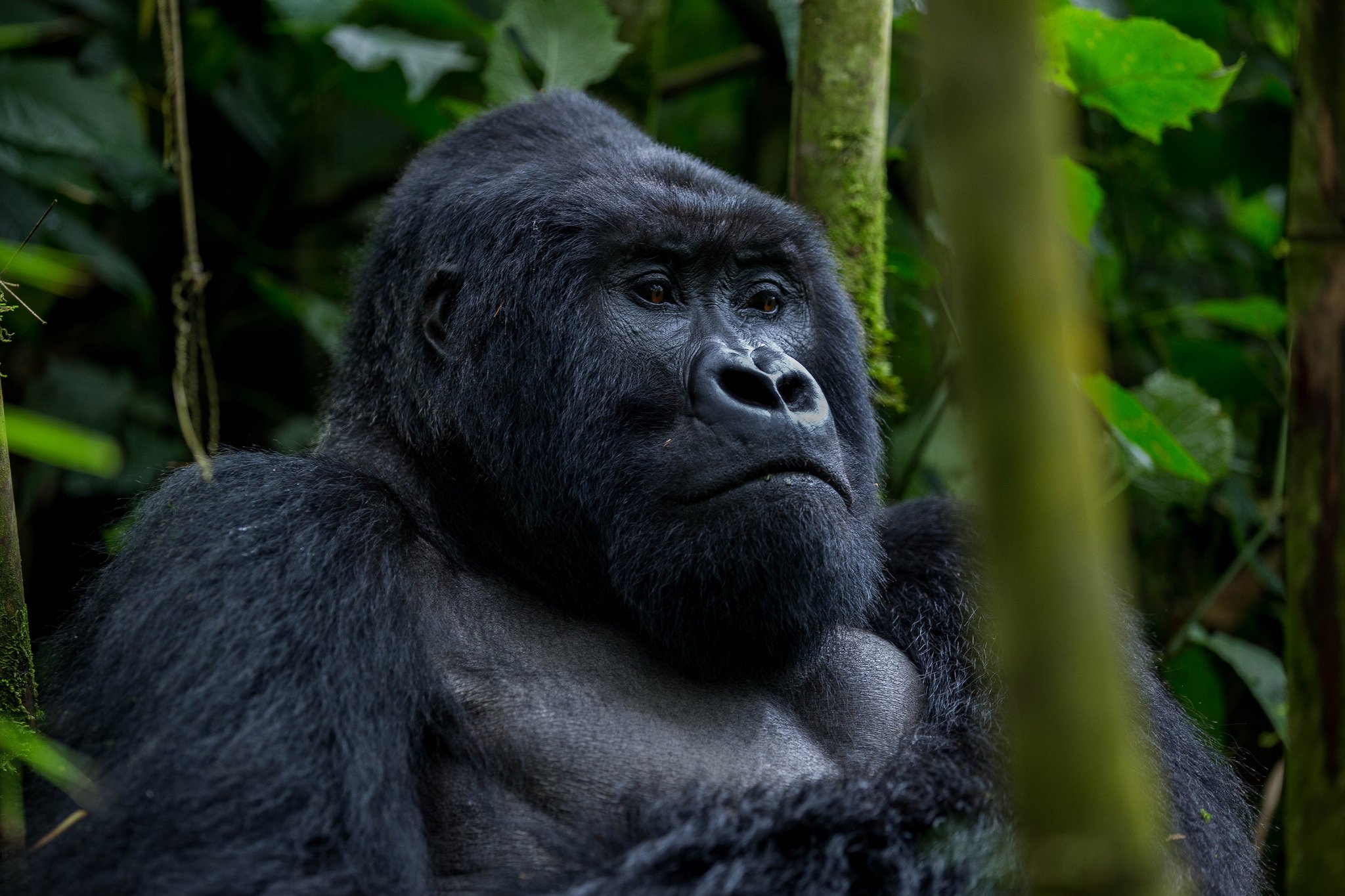
Choose Rwanda if you prioritize safety assurance, want intimate group experiences, and appreciate stunning landscapes beyond wildlife. Rwanda's gorilla trekking in Volcanoes National Park combines adventure with security, offering unique experiences unavailable in South Africa. The country's transformation story and cultural richness add depth to your journey. Smaller tour groups mean better wildlife photography and personal guide relationships.
Choose South Africa if you want established safari infrastructure, lower costs, self-drive flexibility, and Big Five encounters. South Africa's Kruger National Park and private reserves offer unmatched wildlife diversity and lodge options at every price point. The country's mature tourism industry means abundant flight connections, diverse accommodation, and easy logistics. If you're budget-conscious and experienced with independent travel, South Africa offers excellent value.
Many travelers choose both destinations on extended African trips. Rwanda provides a 4–5 day introduction with maximum safety and intimacy. South Africa adds 7–10 days of Big Five experiences and cultural exploration. This combination maximizes your African safari experience across different ecosystems and wildlife encounters.
Find your ideal safari combination on SafariFind. Browse multi-country packages that include both Rwanda and South Africa with verified operators.
Key Takeaways
Book your Rwanda safari 3–6 months ahead to secure the best lodges and guide pairings, ensuring personalized safety attention and premium experiences at competitive 2026 rates.
Verify your South Africa operator's safety certifications and read recent reviews on SafariFind before booking, as incident prevention depends on operator quality more than destination infrastructure.
Rwanda's 99% tourist safety rating and smaller group sizes (4–8 people) deliver peace of mind and intimate wildlife encounters that budget-conscious travelers increasingly prefer over larger South African tour groups.
Choose South Africa's Kruger National Park if you want the Big Five at lower costs ($2,500–$4,000 for 7 days), but plan extra time for safe urban navigation in Johannesburg or Cape Town.
Combine both destinations on a 12–14 day African safari to experience Rwanda's gorilla trekking and safety advantages (4–5 days) plus South Africa's wildlife diversity and established lodges (7–10 days) for comprehensive value.
Frequently Asked Questions
Is Rwanda safer than South Africa for tourists overall?
Yes, Rwanda is safer than South Africa for tourists in 2026. Rwanda has a 99% security rating with low crime rates, strong governance, and a zero-tolerance approach to visitor harassment.[2][8] South Africa faces higher urban crime in cities like Johannesburg and Cape Town, though safari regions remain secure.[5] For overall peace of mind, Rwanda wins. For safari-specific experiences, both are safe with proper operator selection.
What is the safest region in South Africa for safari?
Kruger National Park and private reserves like Sabi Sands offer excellent safety for safari travelers.[5] These regions have strict security protocols, experienced guides, and low incident rates. The risk in South Africa comes from urban areas, not safari regions. Avoid traveling alone in Johannesburg or Cape Town at night, but safari lodges themselves maintain professional security and provide safe experiences comparable to Rwanda.
How much does a safe, verified safari cost in Rwanda vs. South Africa in 2026?
Rwanda safaris cost $2,000–$4,500 per person for 7 days with verified operators on SafariFind.[2] South Africa safaris range from $2,500–$6,000 per person depending on lodge quality and location.[5] Rwanda offers better value for safety-conscious travelers seeking personalized experiences. South Africa provides more budget options but with larger tour groups. Both destinations offer packages across all price ranges with verified operators and authentic reviews on SafariFind.
What vaccinations do I need for safe travel to Rwanda and South Africa?
Both destinations require yellow fever vaccination proof for entry from certain countries.[1] Your doctor may recommend malaria prevention, especially for South Africa and lower-altitude Rwanda regions. Yellow fever risk is minimal in Rwanda's highland areas. Ensure routine vaccinations (MMR, tetanus, polio) are current. Consult the CDC website and your travel doctor 4–6 weeks before departure to confirm requirements for your specific travel history.
Are solo female travelers safer in Rwanda or South Africa for safaris?
Solo female travelers report feeling safer in Rwanda overall, with low harassment rates and strong police presence in tourist areas.[2][8] South Africa's safari lodges are excellent for solo travelers, but urban areas require extra caution. Both countries welcome solo female safari-goers when traveling with reputable operators. Choose SafariFind-verified operators with positive reviews from female travelers to ensure group composition, guide professionalism, and accommodation safety standards matching your comfort level.
When is the best and safest time to visit Rwanda and South Africa for safari?
June to September is the best dry season for both countries, offering optimal wildlife viewing and minimal weather disruptions.[1] Safety doesn't vary significantly by season in either destination. However, June–September brings more tourists, potentially larger groups in South Africa. For intimate experiences, consider April–May or October–November shoulder seasons in Rwanda. Both periods offer good wildlife viewing, smaller groups, and lower costs. Check your operator's specific recommendations for your chosen destination.
How can I find verified, safe safari operators in Rwanda and South Africa?
Use SafariFind to browse verified operators in both countries with authentic traveler reviews and safety certifications. Filter by destination, price range, and traveler ratings to find operators matching your safety priorities. Read detailed reviews from previous travelers to assess group sizes, guide quality, and emergency protocols. SafariFind's verification process ensures operators meet professional standards. Request quotes directly from operators to ask about safety certifications, guide training, and emergency procedures before committing to bookings.
Conclusion
Rwanda is safer than South Africa for safari tourism in 2026, offering a 99% security rating, strong governance, and intimate small-group experiences that prioritize traveler peace of mind.[2][8] The country's remarkable transformation over three decades has created one of Africa's safest destinations, with excellent infrastructure and professional tour operators. However, South Africa's established safari regions like Kruger National Park are equally secure for wildlife experiences, with lower costs and greater Big Five diversity.[5]
Your choice depends on your priorities. Choose Rwanda if safety assurance and personalized service matter most—expect to pay $2,000–$4,500 for 7 days with verified operators. Choose South Africa if cost and wildlife variety drive your decision—budget $2,500–$6,000 for 7 days with larger tour groups and established infrastructure. Many travelers choose both destinations to maximize their African safari experience.
Both destinations require practical safety measures: research your operator thoroughly, follow guide instructions without exception, prepare for health risks like malaria, and register with your embassy before departure.[1][4] Most safari incidents are preventable when travelers respect wildlife and follow professional guidance.
Compare verified safari packages from Rwanda and South Africa on SafariFind today. Browse authentic traveler reviews, request quotes from certified operators, and book your perfect safari experience with confidence. Whether you choose Rwanda's intimate security or South Africa's established diversity, SafariFind connects you with operators committed to safe, unforgettable adventures in 2026.
Plan Your Safari with SafariFind
These recommendations use real data from SafariFind, where you can compare operators, browse packages, and read verified traveler reviews before you book.
"I was working with a tour operator out of Kenya to plan a Uganda gorilla trek followed by a Kenya & Tanzania safari. For some reason, the Uganda portion started having issues with only a few weeks to go. Enter Brian Ahereza of GoExplore. Wow! Talk about fast acting and excellent service. Within 1 day, Brian arranged everything. The only thing that would have made my trip better is if I had added one extra day, but by this point, we couldn't squeeze it in, so Brian did the absolute best with what he had to work with. For starters, one of the best things that could have happened did! ANd that was to have Charles assigned as our driver/guide. We flew into Kigali, Rwanda and Charles met us at the airport and took us to our hotel. The next morning we got up for the long drive to the Nkoringo area of Bwindi. A lot of this drive is on some VERY difficult dirt roads and Charles was masterful at navigating the terrain. Furthermore, I was using offline Google Maps to track our location and there is no possible way I could have gotten to where Charles was going. We got to Nkoringo Lodge and immediately loved it. Brian had arranged for us to have one of only 2 rooms there that had on demand hot water. Our room overlooked Bwindi and we sat on the deck admiring the view. To get to the bar/dining area, we hiked up and over a ridge and the view from that side was south to the 3 volcanoes on the border of Uganda/Rwanda/Congo - absolutely beautiful! The next day we did the trek to the Nkuringo gorilla group. It was not a difficult trek until we had to cross a fast flowing stream because the gorillas had gone to that side and as soon as we crossed, they came back! So we did too. And then we found them and it was such a wonderful experience! My wife was standing next to me and a young male (7-8 years old??) suddenly turned and started walking towards us. My wife moved to the left, but our guide said to stand still. The gorilla walked right between us and as he passed, he stuck out his arm between my legs and grasped me around the thigh!!! OMG! Even though I could feel his amazing power, I did not feel in danger. Just as quickly, he let go and continued walking! After that amazing trek, we drove (another long day) up to Queen Elizabeth National Park and spent 2 nights at the Buffalo Safari lodge. We did a couple of games drives in which we saw lots of antelope, elephants, buffalo and 6 lions (all female, with one or two young males). We followed with a boat ride on the Kazenga channel which was fantastic. The next day, we drove to Kibale National Park to look for Chimps. We arrived at our wonderful lodge, the Chimpanzee Forest Guest House at about lunchtime and then headed to Kibale for our Chimp Trek. At lunch, we met a couple who showed us amazing pictures from their trek that very morning. Unfortunately for us, even with 7 groups in the forest, we could only find 2 chimp sand they were up in the trees. That happens in nature, but the real lesson is to take the morning trek!!! The next day, Charles drove us to Entebbe and our Uganda trip was over. One of my friends asked me about the birds in Uganda. My wife loves birds and by extension, I have come to love them as well. SHe asked Charles, our guide, about every single bird we saw. Charles had a very well worn copy of "Birds of East Africa". He didn't need that book because he had it memorized. Charles was a fantastic driver/guide/person! He made our trip incredibly special! I can't thank Brian, Charles and GoExplore enough for making this so special!!!"
Dave Medlicott•11 July 2026
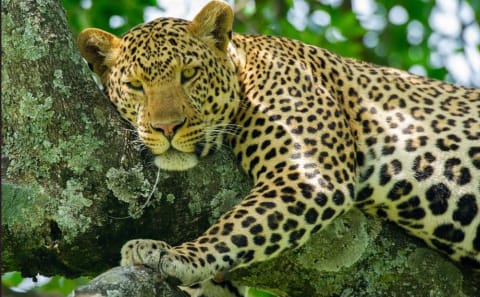
"I’m a wildlife photographer, and in May 2025, I went on an 8-day private photo safari organized by Brian, the owner of GoExplore Safari. The goal was to photograph Uganda’s wildlife highlights: gorillas in Bwindi, big cats in Queen Elizabeth, chimpanzees in Kibale, and the rare Shoebill Stork in Mabamba Swamp. The itinerary was well thought out, and everything ran smoothly. I flew into Kigali, Rwanda, which I highly recommend if you're heading to the Rushaga sector of Bwindi — much closer and more convenient than Entebbe. If photography is your priority, I also suggest booking two gorilla treks or considering Mgahinga. I only did one, and while it was incredible to see them, capturing strong images was difficult. The rainforest is thick, lighting tricky, and your movement limited — just something to keep in mind. Mozes, my guide, was outstanding. He’s punctual, safe, knowledgeable, and has a clear love for wildlife. He studied tourism, understands photography, and even shared stories from past conservation work, like relocating giraffes from Murchison Falls to Kidepo. He always positioned the car for the best angles and made the drives smooth and productive. Our first stop was Ichumbi Gorilla Lodge, just five minutes from Rushaga Gate. The lodge was cozy, well-designed, and mosquito-free, with great coffee and local food — an ideal base for gorilla trekking. In Queen Elizabeth, we had four full days of game drives. I like to go hard on photography, so we were out from sunrise to sunset. One major perk with GoExplore is you can plan your own drive schedule within park hours (6:00 a.m. to 7:00 p.m.). On our first day, we stayed until closing — the only car left in Kasenyi Plains. That kind of flexibility made a huge difference. I also recommend the optional lion and leopard tracking. You’re still in your private vehicle, but a tracker joins you and leads off-road directly to the cats. We spent nearly four hours with a leopard and her cubs in a cactus tree — truly a dream scenario for any photographer. Chimpanzee trekking in Kibale was another highlight. The chimps came down from the trees and moved through the forest, and we followed them. The one-hour viewing stretched to 2.5 hours. For photography, it’s better to wait until they’re on the ground — the real action happens there. On the final day, we went to Mabamba Swamp to see the Shoebill. From a photography standpoint, it’s the best place in Africa to photograph this rare bird. The canoe brings you to water level, with clean backgrounds and soft light — a perfect setup. Uganda in late May was lush, green, and surprisingly dry — just one short rainstorm. The scenery, wildlife, and people made it a beautiful place to explore. If you’re considering Uganda, book with GoExplore — and if you can, request Mozes. His experience and attention to detail made the entire trip not just productive, but truly enjoyable. Huge thanks to Brian and Mozes for making it all happen!"
Jason Chen•11 July 2026
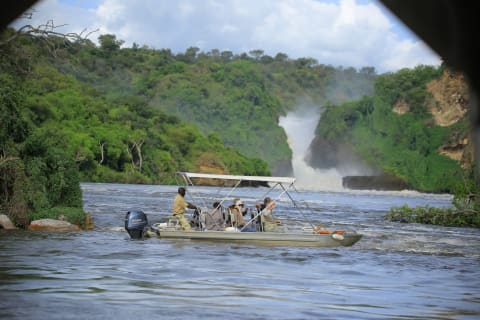
"Lovely destination Uganda we selected GoExplore Safaris because their budget was affordable and they were so fast and quick at responding to our emails and all the questions. Elephants, giraffe, deer, antelope, warthogs, hippopotamus, crocodiles, hyena, lion, beautiful birds, and a leopard. It was incredible! The boat rides up the Nile to Murchison Falls is a must do and a perfect way to end the tour. I Did not have any Idea on how beautiful Uganda is. wow, I highly recommend GoExplore Safaris and travel for anyone who is interested in adventuring Uganda and Rwanda to its fullest."
Godon•11 July 2026
"Our Rwanda trip trip from gorilla trekking in volcanoes just got done and now settled back home we were lucky to have attended the gorilla ceremony and the team was able to atleast show us why this was a big day for Rwanda it was such a coincidence to have travelled this beautiful country while they were naming the gorillas great thing to do I advise you to look for goexplore brian will take you to Kigali for this event."
Birungi•11 July 2026
"GoExplore (Brian) provided a magical memorable trip for us to Rwanda. From our first communication via email and whatsapp, they were able to layout an itinerary that fit our needs. They delivered on all aspects of the trip. The 3 guides we met in various locations were just outstanding. It was my wife's birthday and I mentioned that and at each dinner we ended up with a cake and the staff singing. We were so appreciative. I would tell others to use them without hesitation."

 Ask Tembo