 Ask Tembo
Vaccinations & Health Rules for South Africa 2026: Belgian Citizens
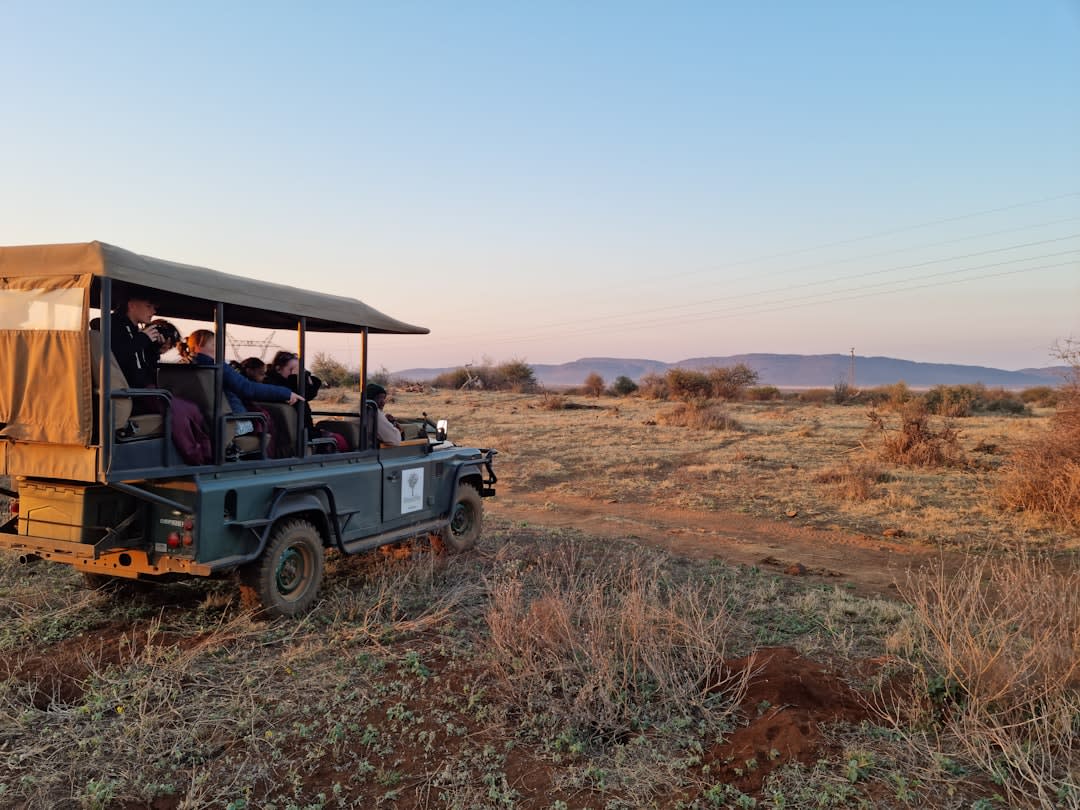
Belgian travellers to South Africa do not need yellow fever vaccination if arriving directly from Belgium, but must carry a certificate if transiting through endemic countries. Hepatitis A, typhoid, and malaria prevention are strongly recommended; no mandatory vaccinations apply for direct travel.
Quick Answer: Vaccination Requirements for Belgian Travellers to South Africa
Required: Yellow fever certificate only if you've been in a yellow fever–endemic country within the past 6 days before arrival, or are transiting through one (including layovers longer than 12 hours where you pass through immigration).[1][2]
Strongly recommended: Hepatitis A, typhoid, routine boosters (tetanus–diphtheria–polio), measles immunity, and malaria prophylaxis if visiting malaria-risk areas (Kruger National Park, Limpopo, Mpumalanga provinces).[3][4][5]
No mandatory COVID-19 requirements as of 2026. However, travel insurance covering medical evacuation is essential, especially if visiting remote safari areas.[3]
Yellow Fever Certificate: Entry Rules for Belgian Citizens
Belgium is not designated as a country with yellow fever transmission risk. This means you do not need a yellow fever certificate if you are travelling directly from Belgium to South Africa.[2][6]
If Your Flight Includes a Transit or Stopover
If your journey includes a stopover in or transit through a yellow fever endemic country—such as a layover in West or Central Africa—you will need proof of vaccination. This applies if:[1][2][7]
- You arrive from a country with yellow fever risk (e.g., Kenya, Uganda, Nigeria, Ghana, or parts of South America)
- You have transited through a yellow fever–endemic country within 6 days before arrival in South Africa[6]
- Your flight has a stopover longer than 12 hours in a yellow fever–endemic country where you pass through an immigration checkpoint[1][7]
Common transit hubs in Africa with yellow fever risk include airports in Nigeria, Ghana, Kenya, Uganda, and other West and Central African nations.[1]
Yellow Fever Certificate Requirements
If required, the certificate must show:[1][2][6]
- You received the vaccine at least 10 days before arrival in South Africa (immunity develops fully after 10 days)
- The vaccine was administered at an official WHO-approved yellow fever vaccination centre
- Documentation is an International Certificate of Vaccination or Prophylaxis (ICVP), commonly called a "yellow card"
- The certificate is valid for life as of 2016; booster doses are no longer required for healthy travellers[1][8]
What Happens If You Don't Have a Valid Certificate?
Failure to produce a valid yellow fever vaccination certificate at a South African port of entry could result in:[2]
- Refusal of entry
- Quarantine for up to 6 days until your certificate becomes valid
If you have a medical exemption certificate due to contraindications, you may be allowed entry but will be required to report any fever or symptoms to health authorities and will be placed under surveillance.[2]
Recommended Vaccinations for Belgian Travellers to South Africa
While no vaccinations are mandatory for direct travel from Belgium, the CDC, WHO, and Belgian health authorities recommend the following:[3][4][5][6]
Hepatitis A
Recommendation: Strongly recommended for all travellers.[3][4][6]
- Protects against a virus spread through contaminated food and water
- Two doses required; spacing depends on the vaccine type
- First dose should be given 4–6 weeks before departure; second dose can be given 6–12 months later
- Begin vaccination at least 4–6 weeks before travel[4]
Typhoid
Recommendation: Strongly recommended, especially for travellers staying with friends or relatives, visiting smaller cities, or spending time in rural areas.[3][4]
- Spread through contaminated food and water
- Two vaccine options: injected (one dose, valid ~3 years) or oral (4 doses over 1 week, valid ~5 years)
- Should be completed at least 1 week before departure[4]
Routine Booster Vaccinations
Recommendation: Update routine vaccinations before travel.[3][4][5]
- Tetanus–Diphtheria–Polio (Tdap/DTP): Ensure your booster is current (valid ~10 years)
- Polio: A single booster is recommended for all travellers to Africa aged 16 years or older[6]
- Measles–Mumps–Rubella (MMR): Ensure you are fully vaccinated or immune; cases of measles are rising worldwide. Vaccination must be completed at least 2 weeks before departure[3]
Hepatitis B
Recommendation: Consider for extended stays (3+ months), healthcare workers, or those with potential exposure to blood or body fluids.[4][5]
- Three-dose series; allow 6 months for completion
- Begin at least 4–6 weeks before travel if needed[4]
Rabies
Recommendation: Recommended for most travellers, especially those staying with friends or relatives, visiting smaller cities, or spending time in rural areas.[3][4]
- Dogs and other mammals can carry rabies
- Three-dose pre-exposure prophylaxis series (given over 3–4 weeks)
- Begin at least 3–4 weeks before departure[4]
Chikungunya
Recommendation: Consider based on your risk profile and length of stay.[9]
- Two vaccines now available: Ixchiq® (live-attenuated, available in Belgium since 2025) and Vimkunya® (expected in Belgium Q2 2026)
- Transmitted by Aedes mosquitoes; causes fever, rash, and debilitating joint pain lasting months or years
- Discuss suitability with your travel health clinic, as it is a live vaccine with specific contraindications[9]
Influenza, Pneumococcal, Meningitis, and COVID-19
Recommendation: Consider based on age, underlying health conditions, and current disease activity.[3][4][5]
- Influenza and COVID-19 vaccines are updated annually; check current availability
- Pneumococcal and meningococcal vaccines are recommended for older travellers or those with chronic conditions
When to Schedule Vaccinations
Schedule a travel health consultation with your doctor or travel clinic 4–6 weeks (ideally 6–8 weeks) before departure.[4][5] This allows sufficient time for:
- Multi-dose vaccine schedules to be completed
- Your immune system to develop protection
- Booster doses to be administered if needed
- Vaccination documentation to be prepared
Malaria: Risk Areas, Prophylaxis, and Prevention
Malaria is present in some regions of South Africa but not in major tourist destinations like Cape Town or Table Mountain. However, if you're planning a safari to Kruger National Park or private game reserves, malaria prevention is essential.
High-Risk Areas in South Africa
Malaria risk is highest in border regions near Mozambique and Zimbabwe:[3][5]
- Kruger National Park (year-round risk, highest November–May)
- Limpopo Province
- Mpumalanga Province
- Lower risk in KwaZulu-Natal and other northern areas
Important: Malaria in South Africa is chloroquine-resistant; standard chloroquine prophylaxis will not provide adequate protection.[3][5]
Malaria Prophylaxis Medications
If visiting high-risk areas, antimalarial prophylaxis is strongly recommended. Commonly prescribed medications include:[5][10]
- Atovaquone–proguanil (Malarone®)
- Doxycycline
- Mefloquine (Lariam®)
The choice depends on your medical history, potential side effects, duration of travel, and specific destination. Prophylaxis must be started before entering a malaria transmission area, continued throughout your stay, and taken for a specified period after leaving (typically 4 weeks after departure, depending on medication).[5][10]
Discuss the best option with your travel health provider at least 4–6 weeks before departure.[4][5]
Mosquito Bite Prevention
Even with prophylaxis, mosquito bite prevention is critical:[3][4]
A question about South Africa? Ask Tembo
- Use DEET-based insect repellents (20–30% DEET) on exposed skin
- Wear long-sleeved shirts and long trousers, especially at dawn and dusk
- Sleep under mosquito nets treated with permethrin, if available
- Use air conditioning or screens in accommodation
If You Develop Fever During or After Travel
Seek medical attention immediately and request a malaria test. Malaria can develop weeks or months after exposure, even if you took prophylaxis correctly.[6]
Other Health Risks and Preventive Measures
Tick-Borne Diseases
Ticks in South Africa can transmit diseases such as African tick bite fever and other rickettsial infections.[6]
- Check your skin and clothing regularly for ticks
- Use DEET-based repellents on exposed skin
- Remove ticks promptly with tweezers; do not crush them
Schistosomiasis (Bilharzia)
Risk of infection exists when swimming or bathing in lakes and rivers in northern South Africa.[6]
- Avoid swimming or wading in untreated freshwater sources
- Use chlorinated pools or treated water sources
Other Health Considerations
- Tuberculosis: Present in South Africa; use standard respiratory precautions in healthcare settings or crowded areas
- Altitude sickness: Possible in areas above 2,500 metres (rare in major safari destinations)
- Dengue fever: Possible in northern regions; prevent mosquito bites
Health Documents, Insurance, and What to Pack
Required Documents
- International Certificate of Vaccination or Prophylaxis (ICVP): Required only if you need a yellow fever certificate (see above)
- Prescription medications: Carry original containers with labels in English; bring a copy of your prescription or a letter from your doctor
- Travel insurance: Strongly recommended, covering medical evacuation and emergency repatriation, especially if visiting remote safari areas
Medications to Pack
Bring adequate supplies of any personal medications. South Africa has good pharmacies in urban areas, but supplies may be limited in remote areas. Consider packing:[4]
- Antimalarial prophylaxis (if prescribed)
- Antihistamines for allergic reactions
- Antidiarrhoeal medication
- Pain relievers and fever reducers
- Broad-spectrum antibiotics (if recommended by your doctor)
- Sunscreen (SPF 30+) and lip balm
- Insect repellent (DEET 20–30%)
- First-aid supplies (plasters, antiseptic, gauze)
Passport and Visa Requirements
Ensure your passport is valid for at least 30 days after your planned departure from South Africa and has at least 2 blank pages.[2] Belgian citizens do not need a visa for stays of up to 90 days for tourism or business.[2]
Healthcare Facilities and Emergencies in South Africa
Quality of Healthcare
Medical facilities are common and in good condition in urban areas and near major game parks (including Kruger National Park).[3] However, facilities are limited in remote rural areas.[3]
Important Points for Travellers
- Payment: Most private facilities accept only cash or credit card payment before treatment; travel insurance is strongly recommended[3]
- Emergency services: Call emergency services (10177 for ambulance) in case of serious illness or injury
- Pharmacies: Widely available in towns and cities; bring a prescription or doctor's letter for controlled medications
- Evacuation: Travel insurance covering medical evacuation is essential for remote safari destinations[3]
Travel Insurance Recommendation
Obtain comprehensive travel insurance before departure that covers:
- Medical expenses (including hospitalisation)
- Emergency medical evacuation
- Repatriation to Belgium
- Cancellation and trip interruption
Planning Your South Africa Trip: Timing and Logistics
When planning your vaccination schedule, consider the best time to visit South Africa for safari. Most travellers visit during the dry season (May–September), when wildlife viewing is excellent and mosquito-borne disease risk is lower. If you're visiting during the warmer, wetter months (November–May), malaria risk is higher, and antimalarial prophylaxis is more strongly recommended.[4]
Many safari operators in South Africa allow you to compare safari packages and pricing on SafariFind to help you plan your itinerary and timing.
Key Takeaways for Belgian Travellers
- Yellow fever: Not required if travelling directly from Belgium; required only if transiting through endemic countries
- Hepatitis A, typhoid, and routine boosters: Strongly recommended for all travellers
- Malaria prophylaxis: Strongly recommended for Kruger National Park and border regions (November–May especially)
- Timing: Schedule vaccinations 4–6 weeks before departure
- Insurance: Essential, especially for remote safari destinations
- Always confirm requirements: Yellow fever and entry requirements can change; verify with the South African Department of Home Affairs or your travel clinic before departure
Last checked July 2026 — always confirm with official sources before travelling. Requirements change; consult your travel health clinic or the South Africa official tourism website for the most current information.
Frequently Asked Questions
Do Belgian citizens need yellow fever vaccination to enter South Africa?
No, not if you're travelling directly from Belgium. Belgium is not a yellow fever–endemic country, so you do not need a yellow fever certificate for direct travel to South Africa. However, if your journey includes a stopover or transit through a yellow fever–endemic country (such as in West or Central Africa) lasting longer than 12 hours where you pass through immigration, you will need proof of yellow fever vaccination administered at least 10 days before arrival.[1][2]
What vaccinations are mandatory for Belgian travellers to South Africa?
No vaccinations are mandatory for direct travel from Belgium to South Africa. However, hepatitis A, typhoid, routine booster vaccinations (tetanus–diphtheria–polio), and malaria prevention are strongly recommended by the CDC, WHO, and Belgian health authorities, depending on your itinerary and risk factors.[3][4][6]
Do I need malaria prevention if visiting Kruger National Park?
Yes. Kruger National Park is in a malaria-endemic area, and antimalarial prophylaxis is strongly recommended, especially during the warmer months (November–May). Malaria in South Africa is chloroquine-resistant, so standard chloroquine will not provide adequate protection. Discuss antimalarial options with your travel health provider at least 4–6 weeks before departure.[3][5]
When should I schedule my vaccinations for a South Africa trip?
Schedule a travel health consultation with your doctor or travel clinic at least 4–6 weeks before departure, ideally 6–8 weeks. This allows time for multi-dose vaccine schedules to be completed, your immune system to develop protection, and vaccination documentation to be prepared.[4][5]
Is yellow fever vaccination valid for life?
Yes. Since 2016, the International Health Regulation eliminated the yellow fever booster requirement. A completed International Certificate of Vaccination or Prophylaxis (ICVP) is considered valid for the life of the person vaccinated.[1][8]
What happens if I don't have a yellow fever certificate when required?
Failure to produce a valid yellow fever vaccination certificate at a South African port of entry could result in refusal of entry or quarantine for up to 6 days. If you have a medical exemption certificate, you may be allowed entry but will be required to report any fever to health authorities and will be placed under surveillance.[2]
Can I get vaccinated for yellow fever in Belgium?
Yes, but only at official WHO-approved yellow fever vaccination centres. In Belgium, these are typically travel clinics or specific immunisation centres. The vaccine must be administered at least 10 days before arrival in South Africa for the certificate to be valid. Confirm the location and availability of yellow fever vaccination centres near you with your doctor or local health authority.
Is travel insurance necessary for a South Africa safari?
Yes, strongly recommended, especially if visiting remote safari areas like Kruger National Park. Travel insurance should cover medical expenses, emergency medical evacuation, and repatriation to Belgium. Most private healthcare facilities in South Africa require cash or credit card payment before treatment, making insurance essential.[3]
What antimalarial medications are recommended for South Africa?
Commonly prescribed options include atovaquone–proguanil (Malarone®), doxycycline, and mefloquine (Lariam®). The choice depends on your medical history, potential side effects, and travel duration. Malaria in South Africa is chloroquine-resistant, so chloroquine alone is not adequate. Discuss the best option with your travel health provider at least 4–6 weeks before departure.[5][10]
Do I need hepatitis B vaccination for South Africa?
Hepatitis B is recommended for extended stays (3+ months), healthcare workers, or those with potential exposure to blood or body fluids. The three-dose series takes 6 months to complete, so begin at least 4–6 weeks before travel if you need it.[4][5]
Is measles immunity required for South Africa?
While not mandatory for entry, measles immunity is strongly recommended. Cases of measles are rising worldwide, and all international travellers should be fully vaccinated with MMR or have documented immunity. Vaccination must be completed at least 2 weeks before departure.[3]
What should I do if I develop fever during or after my South Africa trip?
Seek medical attention immediately and request a malaria test, even if you took antimalarial prophylaxis correctly. Malaria can develop weeks or months after exposure and requires prompt treatment. If you're in a remote area, contact your travel insurance provider for guidance on evacuation or medical assistance.[6]
Trips that match this guide