 Ask Tembo
South Africa Health Rules for Emirati Travellers 2026
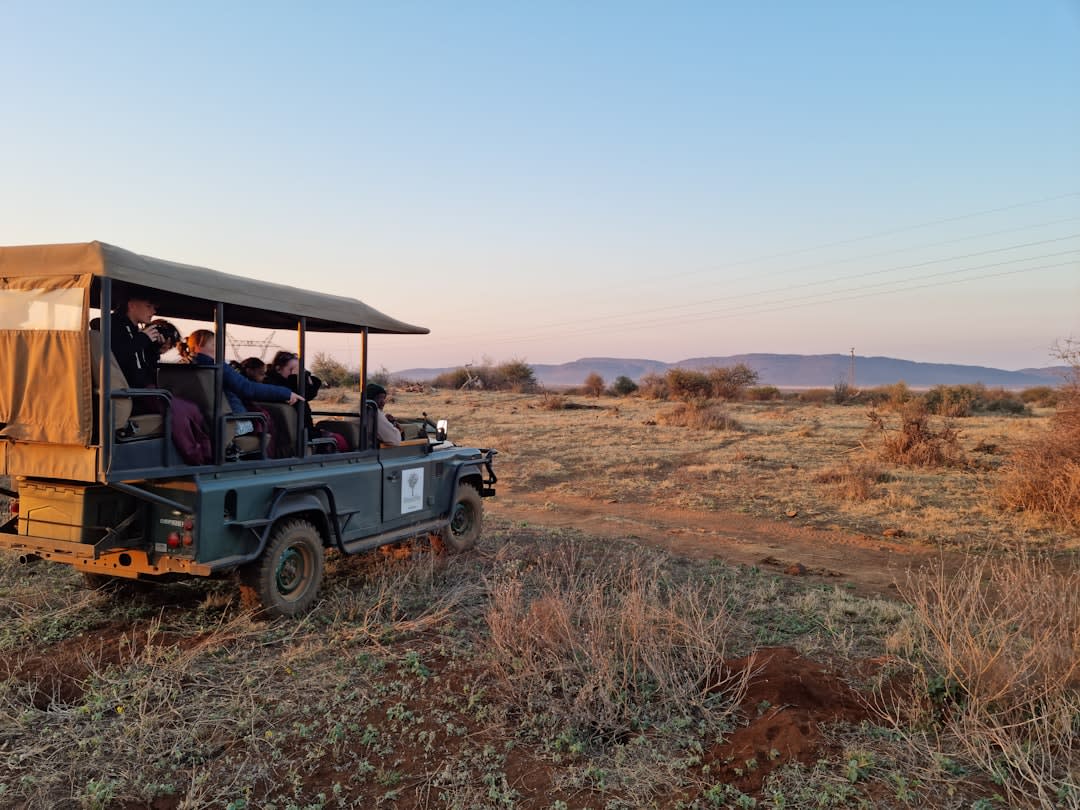
Emirati travellers flying directly from the United Arab Emirates to South Africa do not generally need a yellow fever certificate, but a certificate is required if their itinerary includes a yellow fever-risk country or qualifying transit. Malaria precautions are relevant for Kruger National Park and other low-altitude areas of Limpopo, Mpumalanga and north-eastern KwaZulu-Natal. [1][3]
Quick answer: Emirati citizens travelling directly from the United Arab Emirates to South Africa generally do not need a yellow fever vaccination certificate because South Africa's entry rule applies to travellers arriving from, or transiting for more than 12 hours through, countries with yellow fever transmission risk. A yellow fever certificate is required for travellers aged 1 year or older when that itinerary condition applies. [1][3]
For health protection, review measles vaccination, rabies and typhoid advice with a travel-health professional, and plan malaria prevention if visiting Kruger National Park or other affected areas. South Africa's National Department of Health recommends malaria chemoprophylaxis during September–May, while the CDC recommends chemoprophylaxis throughout the year; the appropriate decision depends on your itinerary and medical history. [3][4]
Last checked July 2026 — always confirm with official sources before travelling.
Vaccinations and health rules for Emirati travellers
| Health item | South Africa requirement or advice | What Emirati travellers should do |
|---|---|---|
| Yellow fever | Required for travellers aged 1 year or older arriving from a yellow fever-risk country, or transiting for more than 12 hours through an airport in one. [1][3] | Check every country and airport on the route, not only the departure country. Carry the International Certificate of Vaccination or Prophylaxis if the rule applies. |
| Routine and measles protection | The CDC advises international travellers to be fully vaccinated against measles, including the relevant early dose for infants aged 6–11 months. [4] | Ask a clinician to review your vaccination record before departure, particularly if you are not fully vaccinated. |
| Rabies | Rabies vaccination is recommended for most travellers, especially those staying with friends or relatives or visiting smaller cities or rural areas. [4] | Discuss pre-exposure vaccination if your activities increase animal-contact risk or if prompt post-exposure treatment could be difficult to obtain. |
| Typhoid | Typhoid vaccination is recommended for most travellers, especially those staying with friends or relatives or visiting smaller cities or rural areas. [4] | Discuss whether it suits your trip, accommodation and planned activities. |
| Malaria | Risk occurs in low-altitude parts of Limpopo, Mpumalanga and north-eastern KwaZulu-Natal, including Kruger National Park. [3][6] | Obtain personalised advice about chemoprophylaxis and use mosquito-bite prevention. |
Yellow fever certificate rules for travellers from the UAE
South Africa does not impose a yellow fever certificate requirement simply because a passenger is travelling from the United Arab Emirates. The requirement is based on the journey's connection with a country where yellow fever transmission risk exists. South Africa's official guidance states that proof is required from travellers arriving from listed yellow fever-risk countries, and the CDC describes the same rule for travellers aged 1 year or older. [1][3]
For a direct UAE-to-South Africa journey, the published entry rule therefore does not generally require a certificate. However, inspect the full itinerary before relying on that conclusion. A connection in a yellow fever-risk country may trigger the requirement if the traveller passes through the airport's relevant border-control process or remains in transit for more than 12 hours. The CDC specifically advises considering airport transfers and long layovers when assessing yellow fever entry rules. [1][3]
South Africa's official country list includes risk countries in Africa and Central and South America. It also records that travellers from Zambia, Tanzania, Eritrea, Somalia and São Tomé and Príncipe were removed from the certificate requirement after those countries were placed on the WHO low-potential-exposure list. Check the current South African and airline guidance for your exact route because country classifications and implementation can change. [1][2]
What certificate is accepted?
Where the rule applies, carry an International Certificate of Vaccination or Prophylaxis (ICVP) showing yellow fever vaccination, or an accepted medical waiver. The vaccine must be administered at an approved yellow fever vaccination centre at least 10 days before arrival or departure for the certificate to become valid under the South African guidance. [2][3]
A properly documented yellow fever vaccination is considered valid for the life of the traveller. The CDC explains that the ICVP's validity is lifelong after a completed vaccination record, rather than requiring a routine booster for international-health-regulation purposes. [1][3]
Travellers who do not meet the requirement may be refused entry or quarantined for up to 6 days. The CDC states that travellers with a medical waiver signed by a licensed healthcare professional are generally allowed entry, but a waiver should be arranged and checked with the relevant authorities before travel. [3]
Recommended vaccinations and timing
Measles, mumps and rubella
Measles cases are increasing worldwide, and the CDC advises international travellers to be fully vaccinated against measles with the measles-mumps-rubella vaccine. Travellers should normally complete vaccination at least 2 weeks before departure; the CDC also identifies an early dose for infants aged 6–11 months in accordance with international-travel recommendations. [4]
Review your vaccination record with a healthcare professional rather than assuming that childhood vaccination or previous travel provides sufficient protection. The correct schedule can depend on age, previous doses and medical circumstances. The research does not establish a South Africa-specific childhood vaccination schedule for Emirati citizens, so confirm individual recommendations with a qualified clinician.
Rabies
The CDC lists rabies vaccination as recommended for most travellers to South Africa, particularly people staying with friends or relatives or visiting smaller cities and rural areas. Pre-exposure vaccination may deserve special consideration for travellers whose activities involve animals or who may have difficulty reaching safe post-exposure treatment quickly. [4]
Safari guests should not approach, feed or handle wild animals, even when an animal appears calm. If an animal bites or scratches you, wash the wound promptly and seek medical care; your travel-health professional can explain the appropriate pre- and post-exposure plan for your circumstances.
Typhoid
The CDC recommends typhoid vaccination for most travellers to South Africa, with particular relevance for travellers staying with friends or relatives or visiting smaller cities or rural areas. Discuss the vaccine with a clinician who can consider your accommodation, food and water exposure, trip length and health history. [4]
Vaccination does not replace careful food and water hygiene. The supplied research does not provide a specific South Africa dosing schedule, price or processing time, so confirm the product and timing with an authorised travel clinic.
Planning timeline
Start a travel-health review at least 8 weeks before departure where possible. UK government travel advice uses that lead time for checking South Africa's vaccine recommendations and access to travel vaccinations. Starting early also leaves time to review the yellow fever 10-day validity rule, arrange malaria advice and replace missing medical documents. [5]
There is no single vaccine list that suits every safari. A clinician should consider pregnancy, immune status, age, allergies, existing conditions, current medicines, the regions you will visit and the activities you plan to undertake. The yellow fever vaccine itself is generally not recommended solely for travel to areas where exposure risk is low; the decision should balance destination risk, entry rules and personal risk factors. [1]
Malaria in South Africa: risk areas and prevention
Malaria is concentrated in low-altitude areas of Mpumalanga, Limpopo and north-eastern KwaZulu-Natal. Kruger National Park spans Mpumalanga and Limpopo and is considered endemic for malaria with seasonal transmission. The CDC identifies Plasmodium falciparum malaria in parts of Limpopo, Mpumalanga and KwaZulu-Natal, including the Mopani and Vhembe districts, the Ehlanzeni district and the uMkhanyakude district. [3]
This means a trip focused on Cape Town, Johannesburg or other areas outside the listed malaria zones may involve a different assessment from a safari in Kruger. Use a detailed South Africa safari guide for 2026 planning by region to map your route, then ask a healthcare professional whether chemoprophylaxis is appropriate.
When should you take malaria prophylaxis?
South Africa's National Department of Health recommends mosquito avoidance throughout the year in malaria-risk areas and malaria chemoprophylaxis during September–May. The CDC recommends chemoprophylaxis at all times of the year. Because these recommendations differ, travellers should follow current professional advice based on the specific destination, season, accommodation, activities and personal risk. [3]
Preventing mosquito bites is the first line of defence. Use repellent as directed, wear clothing that reduces exposed skin, and follow accommodation advice about screens, air-conditioning or mosquito nets. Safari operators can help you understand camp conditions, but they cannot replace medical advice about prescription prophylaxis. [3]
Fever during or after a stay in a malaria area requires prompt medical attention. Tell the clinician that you visited a malaria-risk area, even if you used prophylaxis and mosquito precautions. The research does not support a universal incubation period, emergency self-treatment plan or medicine choice for every traveller, so obtain tailored instructions before departure.
Health documents and travel insurance
Keep your passport, health insurance details, medication list, prescriptions and vaccination records accessible during the journey. If yellow fever applies to your itinerary, carry the original ICVP with your travel documents rather than packing it in checked luggage. The ICVP is the document used to show vaccination or a medical waiver for international entry requirements. [1][3]
A question about South Africa? Ask Tembo
Travel insurance should cover local medical treatment and unexpected medical evacuation. UK government travel advice specifically recommends appropriate insurance and checking whether the destination can provide the healthcare you may need, particularly if you have a medical condition or are pregnant. [5]
Medical information should be written in a form that a South African clinician can understand, including generic medicine names, allergies, diagnoses and emergency contacts. Ask your insurer how to contact its assistance service from South Africa and whether safari camps, domestic flights or evacuation from remote areas are covered; the supplied research does not confirm any particular insurer's benefits or exclusions.
For immigration and entry paperwork beyond health rules, review the latest guidance for Emirati citizens separately, including SafariFind's guide to whether Emirati citizens need a South Africa visa in 2026. Visa rules are separate from vaccination requirements and should be confirmed with the relevant official authority.
Medication rules and what to pack
Take enough regular medication for the trip, keep it in its original packaging and carry a copy of the prescription or a doctor's letter. UK government advice notes that the legal status and regulation of medicines prescribed or bought in one country can differ in South Africa, and that many prescription medicines require a prescription from a South African doctor. [5]
Before departure, ask your clinician or pharmacist whether your medicines are permitted in South Africa and whether you need supporting documentation. Do not assume that a medicine available without prescription in the UAE has the same status in South Africa. The supplied research does not identify a complete list of restricted medicines, import allowances or current permit fees, so confirm those details through official South African channels.
A practical safari health kit can include your regular medicines, prescriptions, vaccination records, insect repellent, sun protection, suitable clothing and basic wound-care supplies. Add any malaria medication only after receiving professional advice. Avoid packing unverified antibiotics or antimalarials for self-treatment without instructions from a qualified clinician.
Health facilities and emergencies in South Africa
For an ambulance in South Africa, dial 112 from a mobile phone or 10177 and ask for an ambulance. These emergency numbers are listed in UK government travel advice. [5]
Contact your insurance or medical-assistance provider promptly if you are referred to a medical facility. On safari, ask your operator or lodge how to reach the nearest clinic, hospital or evacuation service before travelling to a remote reserve. The quality, distance and evacuation arrangements of facilities can vary by location; the research does not establish a universal response time or guarantee treatment at every safari camp. [5]
Carry your emergency contacts and medical information in both digital and paper form. If you have a chronic condition, are pregnant, are immunocompromised or take regular medication, arrange a pre-travel consultation before booking activities. Travellers can compare safari packages on SafariFind after checking that the itinerary matches the health advice for the regions they intend to visit.
Before you fly: Emirati traveller checklist
- Check every transit country against the current South African yellow fever rule, including long airport layovers. [1][3]
- If required, obtain yellow fever vaccination at an approved centre at least 10 days before the relevant journey and carry the ICVP. [2][3]
- Review measles vaccination and discuss rabies and typhoid with a travel-health professional. [4]
- Identify whether your itinerary includes Kruger National Park, Limpopo, Mpumalanga or north-eastern KwaZulu-Natal. [3][6]
- Ask about malaria chemoprophylaxis and use mosquito-bite precautions in risk areas. [3]
- Arrange suitable travel insurance, including medical treatment and possible evacuation. [5]
- Check medicine legality, carry prescriptions and save South Africa's emergency numbers: 112 and 10177. [5]
Frequently Asked Questions
Do Emirati citizens travelling directly from the UAE need a yellow fever certificate for South Africa?
No, not generally. South Africa requires the certificate when travellers aged 1 year or older arrive from a yellow fever-risk country or transit for more than 12 hours through an airport in one; a direct UAE itinerary does not generally meet that condition. [1][3]
Does a transit airport count for South Africa's yellow fever rule?
Yes, a transit can count if it is in a country with yellow fever transmission risk and the transit lasts more than 12 hours. Check the complete itinerary, including airport changes and long layovers, before departure. [1][3]
How long before travel should I get the yellow fever vaccine?
Get it at least 10 days before the relevant journey. South Africa's guidance says the vaccine must be administered at least 10 days before departure, and the CDC describes the certificate requirement as vaccination at least 10 days before arrival. [2][3]
How long is the South Africa yellow fever certificate valid?
A properly documented yellow fever vaccination is considered valid for the life of the traveller. The CDC states that the ICVP's validity is lifelong after a completed vaccination record. [1][3]
Which vaccinations are recommended for a South Africa safari?
The CDC advises international travellers to be fully vaccinated against measles and lists rabies and typhoid vaccination as recommended for many travellers, particularly those visiting rural areas or staying with friends or relatives. Individual recommendations depend on your health and itinerary. [4]
Is malaria a risk in Kruger National Park?
Yes. Kruger National Park is considered endemic for malaria with seasonal transmission, and malaria also occurs in relevant low-altitude areas of Limpopo, Mpumalanga and north-eastern KwaZulu-Natal. Discuss chemoprophylaxis and use mosquito-bite precautions. [3]
What is the best time of year for malaria prevention in South Africa?
South Africa's National Department of Health recommends malaria chemoprophylaxis during September–May, while the CDC recommends chemoprophylaxis throughout the year. Because the official recommendations differ, ask a travel-health professional about your exact dates and destination. [3]
Do I need malaria tablets for a safari in South Africa?
Not every itinerary has the same malaria assessment. A safari in Kruger or other listed risk areas should be discussed with a clinician, who can consider the season, route, accommodation and your medical history before recommending chemoprophylaxis. [3]
What emergency numbers should Emirati travellers use in South Africa?
Dial 112 from a mobile phone or 10177 and ask for an ambulance. Contact your travel insurer or medical-assistance provider promptly if you are referred for treatment. [5]
Should I buy travel insurance for a South Africa safari?
Yes, arrange insurance that covers local medical treatment and unexpected medical evacuation. Government travel advice recommends appropriate insurance and checking whether the destination can provide the healthcare you may need, especially if you have a medical condition or are pregnant. [5]
Can I take my prescription medicines from the UAE to South Africa?
Check each medicine before departure and carry it with its prescription or a doctor's letter. Medicine regulation can differ between countries, and UK government advice notes that many prescription medicines require a prescription from a South African doctor; confirm the current status through official South African channels. [5]
Trips that match this guide