Namibia Safari Cost 2026: Real Prices by Park & Season
Namibia safari costs range $150–$3,000+ per day in 2026. Compare budget, mid-range, and luxury prices by park and season. Book verified operators on SafariFind.
Namibia safari costs range from $150 to $3,000+ per day in 2026, depending on accommodation and activities. A 7-day safari costs $2,100–$21,000+. Budget safaris start at $300 per day, while luxury options range from $900 to $1,300+. Book through verified operators on SafariFind to compare real prices and read authentic traveler reviews.
At a Glance
Cost per day: $150–$3,000+ depending on accommodation
Budget safari (7 days): $2,100–$2,800
Mid-range safari (7 days): $3,150–$5,250
Luxury safari (7 days): $6,300–$9,100+
Best time to visit: May–September (dry season, peak wildlife)
Main parks: Etosha, Sossusvlei, Damaraland, Skeleton Coast
Best for: Budget travelers, wildlife photographers, nature lovers
Namibia safari costs in 2026 range from $150 to $3,000+ per day, depending on accommodation type, activities, and season.[1] The country's vast desert landscapes and remote wildlife areas make it one of Africa's most affordable safari destinations. You'll find options for every budget, from camping adventures to luxury lodges.
The cost breakdown is straightforward. Budget safaris cost $300–$400 per day.[2] Mid-range safaris run $450–$750 per day. Luxury options start at $900–$1,300 per day. Ultra-luxury experiences exceed $1,600–$3,500+ per day.[2] These prices include accommodation, meals, park fees, and game drives with experienced guides.
Namibia provides some of Africa's most affordable self-drive safari options.[3] Self-drive adventures start around $150 per person per day. However, costs increase when adding guided experiences and luxury accommodations. Your final price depends on how many days you stay, which parks you visit, and what season you choose.
Why Namibia Offers Great Value
Namibia's appeal lies in space and landscapes.[2] The country has vast national parks with fewer crowds than Kenya or Tanzania. This means lower accommodation costs and more intimate wildlife encounters. You can drive yourself and explore at your own pace, saving money on guide fees.
Park entrance fees are reasonable compared to other African destinations. Etosha National Park charges modest daily rates.[1] Sossusvlei and other popular parks offer good value. Combined with affordable camping and lodge options, Namibia delivers excellent safari experiences without breaking your budget.
The low cost of living in Namibia also helps. Food, fuel, and services cost less than in developed countries. This translates to lower package prices from tour operators. You get more value for each dollar spent on your safari adventure.
Seasonal Price Variations
Prices shift dramatically between seasons. The dry season (May–September) is peak time. Expect to pay 20–40% more during these months.[2] Wildlife congregates around waterholes, making sightings easier. However, more tourists mean higher prices.
The green season (November–March) offers lower rates. Prices drop 15–25% during this period. Vegetation is lush, birds are active, and the landscape is beautiful. However, some roads become difficult to travel. Fewer tourists mean better deals and more solitude.
The shoulder seasons (April and October) balance cost and comfort. Prices are moderate. Weather is pleasant. Wildlife is still visible. This is a smart time to book if you want value and good conditions.
Compare 7-day safari packages on SafariFind to see real prices from verified operators. You'll find options at every price point with authentic traveler reviews.
Breaking Down Costs by Park and Region
Different Namibia parks cost different amounts to visit. Etosha National Park is the most famous and affordable destination. Sossusvlei offers stunning desert scenery at moderate cost. Remote areas like Damaraland and Skeleton Coast cost more due to limited access. Let's look at each.
Etosha National Park Costs
Etosha National Park is Namibia's premier wildlife destination. The park is accessible through four gates: Andersson Gate, Namutoni Gate, Okaukuejo Gate, and Von Lindequist Gate.[1] Daily entrance fees are affordable compared to other African parks.[1] A 3-day Etosha lodge safari costs approximately $1,206 per person.[4] This includes accommodation, meals, and game drives.
Budget lodges in and around Etosha cost $40–$80 per night. Mid-range lodges run $80–$150 per night. Luxury lodges exceed $200+ per night.[2] Game drives with professional guides add $50–$100 per day. For a 3-day trip, expect to spend $300–$600 total on park fees and activities.
Self-drive options are even cheaper. You pay only the entrance fee and accommodation. Bring your own vehicle or rent one in Windhoek. This approach cuts costs by 40–50% compared to guided tours.
Sossusvlei and Namib Desert
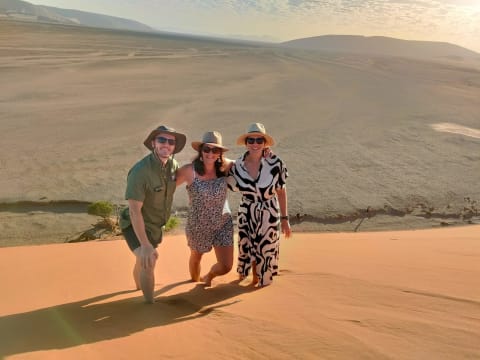
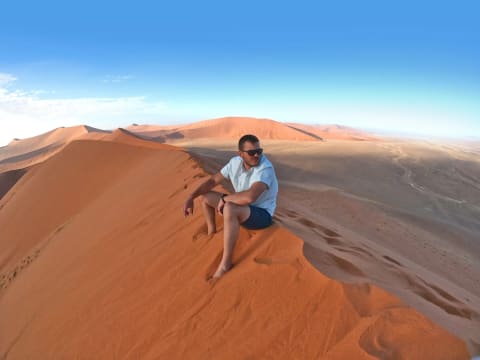
Sossusvlei features some of the world's tallest sand dunes. The region attracts photographers and nature lovers. Accommodation near Sossusvlei costs $50–$300+ per night depending on lodge type.[2] Day trips from nearby towns cost $100–$200 per person.
A 2-day Sossusvlei package runs $400–$800 per person. This includes accommodation, meals, and guided dune excursions. The famous Dead Vlei sunrise hike is unforgettable. Budget travelers camp nearby for $20–$40 per night.
Combine Sossusvlei with Etosha for a complete experience. A 7-day itinerary visiting both parks costs $2,100–$5,250 depending on lodge choices.[2] This is excellent value for a comprehensive Namibia safari.
Damaraland and Skeleton Coast
Damaraland is remote and rugged. This region is known for desert elephants, Himba communities, and dramatic rock formations. Accommodation costs $100–$400+ per night. Guided tours add $80–$150 per day. A 3-day Damaraland experience costs $800–$1,500 per person.
Skeleton Coast is even more remote and exclusive. Few operators access this area. Costs are high: $200–$500+ per night for accommodation. Fly-in safaris cost $3,000–$7,000+ for 3–4 days. This is a luxury experience for serious adventurers.
Combine multiple regions for a full Namibia experience. A 10–14 night trip from the UK costs £2,500–£4,500 per person for self-drive safaris.[3] Mid-range guided trips run £4,500–£7,500 per person. Luxury safaris exceed £7,500+ per person.[3]
Understanding what your safari cost covers helps you budget accurately. Most packages include accommodation, meals, park entrance fees, and guided activities. However, some items cost extra. Let's break down what you pay for.
Included in Package Prices
Most safari packages include accommodation at a chosen lodge or camp. Meals (breakfast, lunch, dinner) are typically included.[2] Professional guide services are standard. Game drives and wildlife viewing activities are covered. Park entrance fees are paid upfront. Transportation between locations is included in guided tours.
Budget packages provide basic but comfortable accommodation. You share rooms and facilities. Meals are simple but nutritious. Guides are experienced and knowledgeable. This is excellent value for money.
Mid-range packages offer more comfort. Private or semi-private rooms are standard. Meals feature local and international cuisine. Guides are highly trained. Activities are well-organized. You get a balance of comfort and value.
Luxury packages provide premium experiences. Accommodation is in upscale lodges or camps. Meals are gourmet and varied. Guides are experts in wildlife and culture. Activities are personalized. You enjoy maximum comfort and exclusivity.
Costs Not Always Included
International flights to Namibia are rarely included in safari packages. Budget $600–$1,500+ depending on where you travel from. Flights from Europe or North America cost more than regional flights.
Travel insurance is your responsibility. Comprehensive coverage costs $50–$200+ depending on trip length and coverage type. This protects you against cancellations and medical emergencies.
Visas may require separate fees. Dutch, French, and Australian citizens need visas.[5][6][7][8] Visa costs range from €50–€100. Check requirements well before your trip.
Vaccinations and health precautions aren't included in package costs. Yellow fever vaccination is recommended for some regions.[5][6][7] Malaria prevention medication costs $30–$100. Budget for these health measures separately.
Gratuities for guides and staff are customary but optional. Budget $5–$10 per day. Alcohol and personal items aren't usually included. Budget $50–$200+ for these extras depending on your preferences.
Before booking, ask operators what's included. Transparent pricing helps you avoid surprises. Browse verified operators on SafariFind to see detailed package inclusions and compare what different companies offer.
Seasonal Pricing: When to Save Money
Timing your Namibia safari dramatically affects your cost. The dry season offers the best wildlife viewing but costs the most. The green season is cheaper but offers different experiences. Understanding seasonal pricing helps you find the best value.
Peak Season (May–September) Pricing
The dry season is peak time for Namibia safaris. Prices are highest during these months. Expect to pay 20–40% more than shoulder season rates.[2] Wildlife congregates around waterholes, making sightings nearly guaranteed. Weather is perfect: cool days and clear nights. Every traveler wants to visit during this time.
May–June offers slightly lower prices than July–September. Early dry season is excellent for wildlife. Prices are moderate compared to mid-peak. This is a smart time to visit if you want good conditions and reasonable costs.
July–August is absolute peak season. Prices peak. The Great Migration is happening (though this is more famous in Kenya). Every lodge is full. Book 6–12 months in advance to secure spots. This is the most expensive time to visit.
September is the tail end of peak season. Prices start dropping. Wildlife is still concentrated around water sources. Weather remains excellent. This is a good compromise between wildlife viewing and cost.
Shoulder Season (April and October) Pricing
April and October offer moderate prices and excellent conditions. Expect 10–20% discounts compared to peak season.[2] Weather transitions between seasons. Days are warm, nights cool. Wildlife is still visible but less concentrated. These months are underrated for value.
April is the start of autumn. Green season is ending. Some rain may occur but not heavily. Prices drop noticeably. Fewer tourists mean better experiences. Accommodation is easier to book.
October is the start of summer. Weather warms up. Some rain may fall. Prices remain reasonable. Birds return and vegetation greens. This is excellent for photographers. Wildlife viewing is still good.
Green Season (November–March) Pricing
The green season offers the best prices. Expect 15–25% discounts compared to peak season.[2] Rainfall is higher and roads can be challenging. However, the landscape is lush and beautiful. Birds are abundant. Fewer tourists mean authentic experiences.
November is warm and wet. Vegetation is green. Wildlife is dispersed. Prices are low. This is a budget traveler's dream. Some lodges close during this time, limiting options.
December–February is summer. It's hot and humid. Heavy rains can make roads difficult. However, prices are at their lowest. Experienced drivers can navigate conditions. This suits adventurous budget travelers.
March is autumn's arrival. Rain decreases. Temperatures cool. Prices remain low. This is an excellent time to visit if you want value and manageable weather.
Plan your trip during May–June or September–October for the best combination of wildlife viewing, pleasant weather, and reasonable prices. Check the Namibia Safari in May–June 2026 guide for detailed seasonal insights.
Choosing between budget and luxury safaris means understanding what each tier provides. Budget safaris save money without sacrificing core experiences. Luxury safaris add comfort, exclusivity, and premium services. Let's compare what you get at each level.
Budget Safari Experience ($150–$400/day)
Budget safaris cost approximately $300 per day.[2] These packages feature camping with quality equipment.[2] Prices include national park fees, game drives in Etosha, Himba village visits, and accommodation with a final night at a mid-range hotel.[2] You share vehicles with other travelers, typically 6–8 people per vehicle.
Accommodation is simple but clean. You sleep in tents or basic lodge rooms. Shared bathrooms are standard. Hot showers are usually available. Bedding and blankets are provided. Camping adds authenticity to your experience.
Meals are basic but filling. Breakfast is simple: bread, eggs, fruit. Lunch is packed for game drives. Dinner is communal and hearty. Special diets can be accommodated with notice. Food quality is good for the price.
Guides are experienced professionals. They speak English fluently. Knowledge of wildlife and culture is solid. However, guides may lead multiple vehicles. Personalized attention is limited. You share your guide with other travelers.
Vehicle quality varies. Budget operators use well-maintained 4x4s. Windows open for photography. Vehicles hold 6–8 passengers. Comfort is functional, not luxurious. Long game drives can feel crowded.
Mid-Range Safari Experience ($450–$750/day)
Mid-range safaris offer better comfort and personalization. Prices run $450–$750 per day.[2] Accommodation is in comfortable lodges or well-equipped camps. You may have private or semi-private rooms. Bathrooms are en-suite. Hot water and electricity are reliable.
Meals feature more variety. Breakfast includes fresh fruit and options. Lunch includes hot and cold choices. Dinner features local and international cuisine. Coffee and tea are available throughout the day. Dietary preferences are easily accommodated.
Guides are highly trained specialists. Many have university education in wildlife or tourism. They speak English fluently and often additional languages. Personalization is better. Guides may lead smaller groups of 4–6 people.
Vehicle quality is higher. Newer 4x4s with comfortable seating. Pop-up roofs for photography. Air conditioning or good ventilation. Vehicles hold 4–6 passengers maximum. Comfort is noticeably better than budget options.
Activities are more flexible. You can customize your daily itinerary. Walking safaris may be available. Cultural visits are included. Sunset and night drives are standard. You get more varied experiences.
Luxury Safari Experience ($900–$3,500+/day)
Luxury safaris provide premium comfort and exclusive experiences. Prices range from $900–$1,300+ per day.[2] Ultra-luxury options exceed $1,600–$3,500+ per day.[2] Accommodation is in upscale lodges or exclusive camps. Private suites are standard. Amenities include spas, pools, and fine dining.
Meals are gourmet experiences. Chefs prepare multi-course dinners. Wine pairings are available. Breakfast is served in your room or at the lodge. Packed lunches are gourmet quality. Special dietary needs are anticipated and accommodated.
Guides are expert naturalists. Many have advanced degrees in ecology or wildlife biology. They provide deep knowledge of animal behavior, plants, and cultural history. Personalized attention is exceptional. Private guides are often available.
Vehicle quality is premium. Late-model luxury 4x4s with leather seating. Individual seats with optimal positioning. Climate control for comfort. Vehicles often hold 4 passengers maximum. Some operators use open-air vehicles for immersive experiences.
Activities are highly personalized. Private game drives at preferred times. Walking safaris with expert naturalists. Helicopter or hot air balloon excursions. Cultural immersion with indigenous communities. Photography guidance from professionals. Every moment is curated for you.
Accommodation features are exceptional. Private plunge pools overlooking wildlife areas. En-suite bathrooms with luxury amenities. Some lodges offer outdoor showers. Fireplaces or heating for cool nights. Interior design reflects local aesthetics and modern luxury.
Aspect
Budget
Mid-Range
Luxury
Daily Cost
$150–$400
$450–$750
$900–$3,500+
Accommodation
Tent/basic room
Comfortable lodge
Upscale suite
Group Size
6–8 people
4–6 people
Private/2–4 people
Guide Quality
Experienced
Highly trained
Expert specialist
Meals
Basic/hearty
Varied/good
Gourmet/fine dining
Activities
Standard game drives
Flexible itinerary
Fully personalized
Compare Namibia safari packages from $2K–$6K to see real options at each price level. SafariFind lists verified operators with authentic traveler reviews at every tier.
How to Plan Your Budget and Book Smart
Planning a Namibia safari budget requires understanding all costs beyond the package price. Smart booking strategies help you save money without sacrificing quality. Let's walk through practical planning steps.
Total Trip Cost Breakdown
Your total Namibia safari cost includes more than the package price. International flights cost $600–$1,500+ from Europe or North America. Travel insurance costs $50–$200+. Visas cost €50–€100 for Dutch, French, and Australian citizens.[5][6][7][8] Vaccinations and malaria prevention cost $30–$100.
The safari package itself is the biggest cost. A 7-day safari runs $2,100–$21,000+ depending on your tier choice.[2] This includes accommodation, meals, guides, and activities. Park fees are included in most packages.
Additional costs add up. Gratuities for guides and staff cost $5–$10 per day ($35–$70 for a week). Alcohol and beverages cost $50–$200+. Personal items and souvenirs cost what you choose to spend. Budget $100–$300+ for extras.
Example: A budget 7-day safari. Flights: $800. Visa: $75. Insurance: $100. Vaccinations: $50. Safari package: $2,100. Gratuities: $50. Extras: $150. Total: approximately $3,325 per person.
Example: A luxury 7-day safari. Flights: $1,000. Visa: $75. Insurance: $150. Vaccinations: $50. Safari package: $6,300. Gratuities: $100. Extras: $300. Total: approximately $7,975 per person.
Money-Saving Booking Strategies
Book during shoulder seasons (April and October) to save 10–20%.[2] Prices are lower and conditions are excellent. Fewer tourists mean better experiences. This is the smartest time to book.
Book 3–6 months in advance for moderate savings. Early booking often includes discounts of 10–15%. Last-minute bookings can be risky in peak season. Advance planning gives you better choices and prices.
Consider self-drive safaris for maximum savings. Rent a vehicle in Windhoek and explore at your own pace. This cuts costs by 40–50% compared to guided tours.[3] You need confidence driving in unfamiliar areas and comfort with navigation.
Combine parks and regions to maximize value. A 10–14 night trip costs less per day than a short 3-day trip. Longer stays spread accommodation and transportation costs. You also avoid repetitive travel.
Travel with friends or family to share costs. Group discounts often apply. Splitting vehicle rental and accommodation reduces per-person expenses. Shared travel is more fun and economical.
Ask about package inclusions carefully. Some operators include activities others charge for. Some include alcohol, others don't. Clarifying inclusions helps you compare true costs accurately.
Booking Platforms and Operators
Browse verified safari operators on SafariFind to compare real prices and read authentic reviews from travelers. SafariFind lists operators at every price tier with transparent pricing. You can request quotes from multiple operators and compare offerings.
Direct operator websites often have current promotions. Many operators offer early-bird discounts for advance bookings. Email operators directly to negotiate package details. Personal communication sometimes yields better rates.
Travel agents specializing in African safaris have relationships with operators. They may access exclusive deals not advertised publicly. However, they typically charge fees. Compare agent prices with direct operator quotes.
Check before you book: Is the operator licensed and insured? Do they have recent traveler reviews? What is their cancellation policy? Are prices transparent and detailed? SafariFind vets all operators to ensure quality and reliability.
Read reviews from recent travelers. Look for specific details about their experience. Recent reviews (from 2025–2026) are most relevant. Pay attention to comments about guide quality, accommodation, and value for money.
Key Takeaways
Book your Namibia safari during May–June or September–October to save 10–20% while enjoying excellent wildlife viewing and comfortable weather conditions.
Budget safaris cost $300–$400 per day, mid-range safaris run $450–$750 per day, and luxury safaris range from $900–$3,500+ per day—choose based on comfort preferences and budget.
A 7-day Namibia safari costs $2,100–$5,250 for budget to mid-range options when booked through verified operators on SafariFind with transparent pricing.
Include international flights ($600–$1,500+), travel insurance ($50–$200+), visas ($75–$100), and vaccinations ($30–$100) in your total trip budget beyond the safari package cost.
Self-drive safaris save 40–50% compared to guided tours, but require confidence with navigation and unfamiliar driving conditions in remote areas.
Frequently Asked Questions
How much does a 7-day Namibia safari cost in 2026?
A 7-day Namibia safari costs $2,100–$21,000+ per person in 2026, depending on your accommodation choice. Budget safaris run $2,100–$2,800. Mid-range safaris cost $3,150–$5,250. Luxury safaris range from $6,300–$9,100+. Prices include accommodation, meals, guides, and park fees. International flights and travel insurance are additional costs.
What is the cheapest time to visit Namibia for a safari?
The cheapest time to visit Namibia is November–March (green season). Prices drop 15–25% compared to peak season. Expect warm, wet weather with lush vegetation. Wildlife is dispersed but birds are abundant. Fewer tourists mean better deals and authentic experiences. April and October (shoulder seasons) offer moderate prices with excellent conditions.
What does a Namibia safari package include?
Most safari packages include accommodation, all meals, professional guides, game drives, park entrance fees, and transportation between locations. Budget packages provide basic accommodation and simple meals. Mid-range packages offer comfortable lodges and varied meals. Luxury packages feature upscale accommodations and gourmet dining. International flights, travel insurance, visas, and gratuities are not typically included.
How much do Etosha National Park entrance fees cost?
Etosha National Park charges modest daily entrance fees.[1] A 3-day Etosha lodge safari costs approximately $1,206 per person, including accommodation and game drives.[4] Park fees are reasonable compared to other African destinations. Self-drive visitors pay only the entrance fee plus their chosen accommodation, which can cost $40–$300+ per night depending on lodge type.
Is a self-drive safari cheaper than a guided safari in Namibia?
Yes, self-drive safaris cost 40–50% less than guided tours.[3] You pay only for vehicle rental, fuel, accommodation, and park fees. However, you need confidence driving in unfamiliar areas and navigating remote roads. Guided safaris provide expert knowledge, personalized experiences, and group socialization. Choose based on your comfort level and preferred experience.
What health costs should I budget for a Namibia safari?
Budget $30–$100 for malaria prevention medication and $30–$150 for vaccinations like yellow fever. Travel insurance costs $50–$200+ depending on coverage. These health costs are separate from your safari package. Check visa requirements for your citizenship, as some nationalities need visas (€50–€100 for Dutch, French, Australian citizens).[5][6][7][8] Consider comprehensive travel insurance covering medical emergencies and trip cancellation.
How do I find the best safari deals on SafariFind?
SafariFind connects you with verified tour operators offering transparent pricing and authentic traveler reviews. Browse packages by price range, destination park, and travel dates. Request quotes from multiple operators to compare offerings. Read recent reviews from 2025–2026 travelers to understand real experiences. SafariFind's marketplace helps you find the best value without overpaying for your Namibia safari adventure.
Conclusion
Namibia safari costs in 2026 range from $150 to $3,000+ per day, making it one of Africa's most affordable safari destinations. A 7-day safari costs $2,100–$21,000+ depending on your accommodation choice and travel style. Budget safaris offer authentic experiences without excessive spending. Luxury safaris provide premium comfort and personalized service. The key is understanding what your money covers and choosing the tier that matches your expectations and budget.
Timing your visit strategically saves significant money. The green season (November–March) offers 15–25% discounts and lush landscapes. Shoulder seasons (April and October) balance cost and comfort perfectly. Peak season (May–September) costs more but guarantees excellent wildlife viewing. Plan your trip 3–6 months in advance to secure better rates and preferred accommodation.
Remember to budget for costs beyond the package price. International flights, travel insurance, visas, and vaccinations add $800–$1,500+ to your total trip cost. Gratuities and personal extras require additional budget. Understanding your complete financial picture prevents unpleasant surprises.
Self-drive safaris save 40–50% if you're comfortable navigating independently. Guided safaris provide expert knowledge and social experiences worth the additional cost. Combine parks and regions to maximize value and experiences.
Compare verified Namibia safari packages on SafariFind to see real prices from trusted operators with authentic traveler reviews. Request quotes from multiple companies. Read recent reviews from 2025–2026. Book your perfect safari today and experience Namibia's incredible wildlife and landscapes without overpaying.
Plan Your Safari with SafariFind
These recommendations use real data from SafariFind, where you can compare operators, browse packages, and read verified traveler reviews before you book.
5-Day Mid-Range Scenic Tour of Namibia • $1,517 • 5 days • by Africa Incoming
What Travelers Say (SafariFind Reviews)
"Tongesai was recommended to me by a friend who also booked his amazing safari through Cultural Vibes; I am glad we took his recommendation. Our safari across Victoria Falls and Botswana was top notch. Tongesai booked us in all of the best camps and with the best safari outfitters. Our excursions were extremely well planned and full of excitement. The restaurants were fantastic as well. Personally, I love planning my own vacations but honestly don't think there is an easy and reliable way to plan an African safari without using a travel agent very familiar with the region. Located in Zimbabwe and with a travel and tourism background, Tongesai was able to coordinate our stays between 5 safari camps which included private charter flights across the regions. He also personally escorted us into Botswana and helped with border crossing which was very helpful as well. Compared to larger companies, Tongesai's package rates were more reasonable and came with a customized touch. I highly recommend Cultural Vibes to anyone looking to go on safari in Zimbabwe and its bordering countries (Botswana, Zambia & Namibia). Thanks, T!"
Juliana Norvell•22 June 2026
"We were amazing group of 4 adults from Atlanta USA. Upon arrival we found our guide Stuart Muronga already waiting for us. He picked us up in a well air-conditioned vehicle and offered us water at soft drinks. Before going to check in we drove around the beautiful city . After checking in he dropped us off at the famous Boma restaurant..we had an amazing experience there over delicious meals and drums and dance. He picked us up and dropped us off at our hotel. The next morning he picked us up for out safari experience in Chobe which is in Botswana just an hour drive from Vic Falls. We spent 6 hrs there then drove another 40 or so minutes to some island in Namibia. Stuart was so knowledgeable with great communication skills which made the whole experience so smooth and fun."
Agola•7 May 2026
"I would like to note an excellent organisation of this tour. In advance Kubwa Five Safaris created whats app groupe for me so I had contacts of people who assisted me during my travel. I was picked up at the airport. My guide was waiting for me. The accommodations chosen for this trip were correct, clean with good service. The choice of restaurants corresponded the rate of this tour. We visited wonderfull places with beautiful landscapes, I enjoyed game drive and visit of Etosha parc. My driver was a professional guide, so I had explanations on historical events, culture, geology, flore and faune of the sites that we visited. Kubwa Five Safaris chose reliable partners in Namibia, that made my trip safe and I would like to thank them for that."
Nelya•4 May 2026
"We planned a 10 day tour to see the best of namibia we personalised the tour to what we wanted to see.we had an issue with our flight but Sylvia replanned the tour on 9 days so we missed nothing very very appreciated since it wasn't their responsibility and could have simply made us skip the first day.the tour was fantastic we got to see everything we wanted to see. Wildlife and the landscape that are something of incredible.Our guide John was excellent 👏 really very prepared giving al the info of the diffrent places people, Wildlife towns...."
Katiuscia•4 May 2026
"Our trip around Namibia was booked through Kubwa Five Safaris, main contact was Sylvia (from their sister company Ompo Travel). Everything was organised perfectly, Sylvia listened to our needs and constantly adapted the trip according to our (many) changes of mind, to ensure we could get the best out of it, both in terms of things to do and accommodations where to stay; but she also added her local know-how to advise our decisions on what really worth seeing and what to skip (given the limited time of two weeks). She was also very responsive, both prior the trip as well as during the trip, taking immediate action if needed (only once, due to a misunderstanding on the check-out from a lodge). Namibia is an amazing place with plenty of wilderness and photo opportunities, and we have enjoyed it fully!"

 Ask Tembo