Malawi safaris cost $150-$300 per person daily, while Tanzania ranges from $250-$1,500+ per day depending on the park and season. Tanzania offers the famous Great Migration and more exclusive reserves, but Malawi provides better value for budget travelers. Both destinations deliver incredible wildlife experiences in 2026.
At a Glance
Malawi daily cost: $150-$300 per person
Tanzania daily cost: $250-$1,500+ per person
Best for Malawi: Budget travelers, wildlife diversity, lake experiences
Best for Tanzania: Great Migration, Big Five exclusivity, luxury seekers
Best time to visit: May-October (dry season) for both countries
What Is Malawi Safari vs Tanzania 2026: Costs & Wildlife?
Malawi safari vs Tanzania 2026 compares two African destinations with vastly different price points and wildlife experiences. Malawi safaris cost $150-$300 per person daily, while Tanzania charges $250-$1,500+ per day, depending on the park and season [2]. Tanzania attracts visitors seeking the Great Migration and exclusive private reserves, while Malawi appeals to budget-conscious travelers who want rich wildlife viewing without premium prices.
Both countries deliver exceptional safari experiences. Tanzania covers 945,000 square kilometers and hosts the famous Serengeti and Mount Kilimanjaro. Malawi spans 118,000 square kilometers and features pristine national parks, stunning Lake Malawi, and fewer crowds. The choice between them depends on your budget, travel style, and wildlife priorities.
Why This Comparison Matters in 2026
Safari travelers face tough decisions. You want amazing wildlife viewing, authentic experiences, and value for money. Understanding the real costs and wildlife density differences between Malawi and Tanzania helps you pick the right destination. Many travelers overpay by booking without comparing options across both countries.
Tanzania's reputation attracts more visitors, which drives up prices. Malawi remains less famous but offers comparable wildlife diversity at lower costs. In 2026, both countries have improved infrastructure and accommodations, making them more accessible than ever before.
Key Features That Set Them Apart
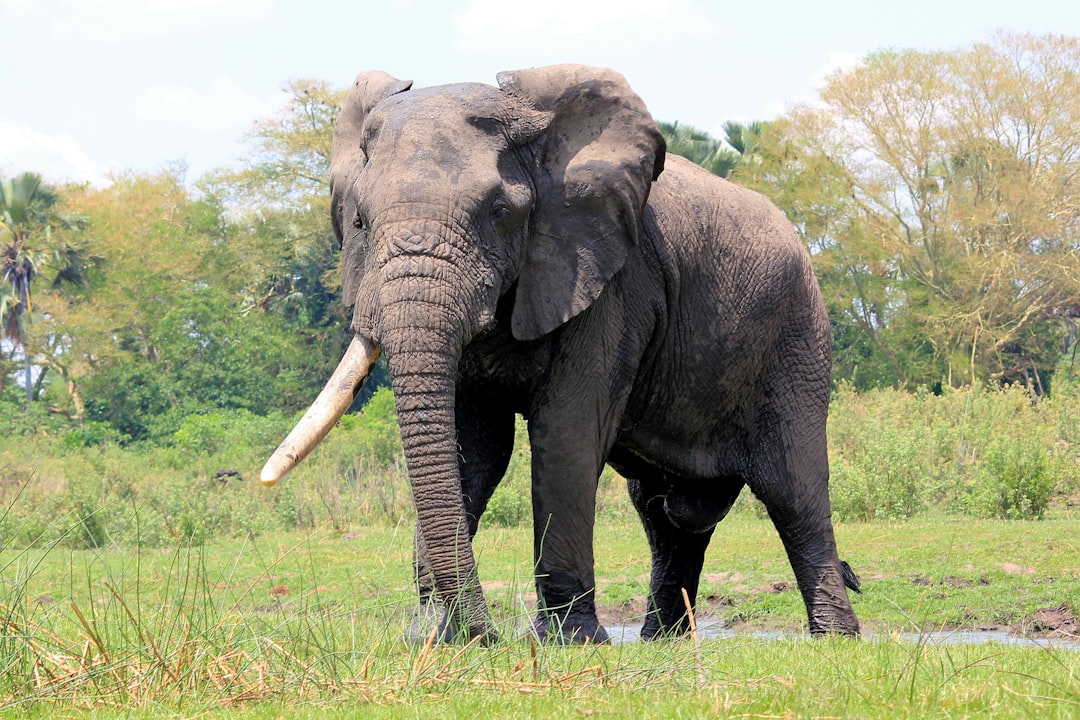
Tanzania features iconic parks like the Serengeti, Ngorongoro Crater, and Tarangire. These parks pack dense wildlife populations and offer the Great Migration—1.5 million wildebeest crossing between July and October [1]. Tanzania also has private concessions where you can enjoy exclusive game drives away from crowds.
Malawi highlights include Liwonde National Park, Majete Wildlife Reserve, and Nkhotakota Wildlife Reserve. You can explore these parks in our guide on Malawi Safari Parks: Compare Majete, Liwonde and Nkhotakota. The country also offers unique experiences like Lake Malawi, where you can combine game drives with water activities. Wildlife density in Malawi parks rivals Tanzania's, but you'll encounter fewer tourists.
Breaking Down Safari Costs: Malawi vs Tanzania in 2026
Safari pricing depends on accommodation type, season, park location, and group size. Malawi offers three clear pricing tiers, while Tanzania's costs vary dramatically based on exclusivity. Here's what you'll actually pay in 2026.
Malawi Daily Costs by Safari Level
Budget safaris in Malawi cost $150-$250 per person daily [2]. This covers basic accommodation, meals, and shared game drives. You stay in comfortable lodges without luxury amenities. Budget options work well for independent travelers and groups willing to share vehicles.
Mid-range safaris run $250-$400 per person daily [3]. You get better lodges, private or semi-private game drives, and quality meals. This tier represents the best value for most travelers. Mid-range packages typically include park fees, guides, and transportation within the park.
Premium safaris cost $400-$600+ per person daily [3]. These feature luxury lodges, private guides, gourmet meals, and exclusive experiences. You might combine game drives with spa treatments or water activities. Learn more about luxury options in our article on Malawi Safari Camps: Wellness vs Game Drives 2026.
Tanzania Daily Costs by Safari Level
Budget safaris in Tanzania cost $250-$350 per person daily [8]. You stay in basic lodges or camps with shared transportation. Budget options work for groups and independent travelers on tight timelines.
Mid-range safaris run $400-$600 per person daily [8]. Accommodation improves, and you get semi-private or private game drives. This tier is popular with families and couples seeking good value.
Luxury safaris cost $700-$12,500+ per person daily [8]. You access exclusive private concessions, stay in premium camps, and enjoy personalized service. These safaris often visit the Serengeti during the Great Migration or Ngorongoro Crater. Tanzania's luxury market is larger than Malawi's, offering more exclusive options.
7-Day Safari Price Comparison
A typical 7-day Great Migration safari in Tanzania costs $2,100-$4,200 per person mid-range, or $2,000-$10,000+ for luxury [1]. These prices include accommodation, meals, guides, game drives, and park fees. Flights to Tanzania from the US typically add $800-$1,500 per person.
A 7-day mid-range safari in Malawi costs $1,050-$2,800 per person, or $2,800-$4,200 for premium [3]. Flights from the US to Malawi usually cost $900-$1,600 per person. When you add flights, Malawi trips often run 30-40% cheaper than Tanzania equivalents.
Wildlife Density: Which Country Offers Better Game Viewing?
Wildlife density measures how many animals you'll see per square kilometer. Tanzania's famous parks pack more animals in concentrated areas, while Malawi spreads wildlife across larger territories. Both deliver excellent sightings, but in different ways.
Tanzania's Wildlife Concentration
The Serengeti ecosystem supports approximately 1.5 million wildebeest, 250,000 zebras, and thousands of predators [1]. The Great Migration between July and October brings massive animal movements visible from your safari vehicle. You'll see herds crossing rivers, predators hunting, and dramatic natural spectacles.
Ngorongoro Crater concentrates wildlife in a 8,292-square-kilometer caldera. You descend 600 meters into a self-contained ecosystem with lions, elephants, buffaloes, and rhinoceros. The crater's enclosed geography means higher wildlife density than open plains.
Tarangire National Park supports large elephant populations and diverse bird species. During dry seasons, animals concentrate around the Tarangire River, increasing your viewing chances. Tanzania's parks are designed for high-volume wildlife encounters.
Malawi's Wildlife Diversity
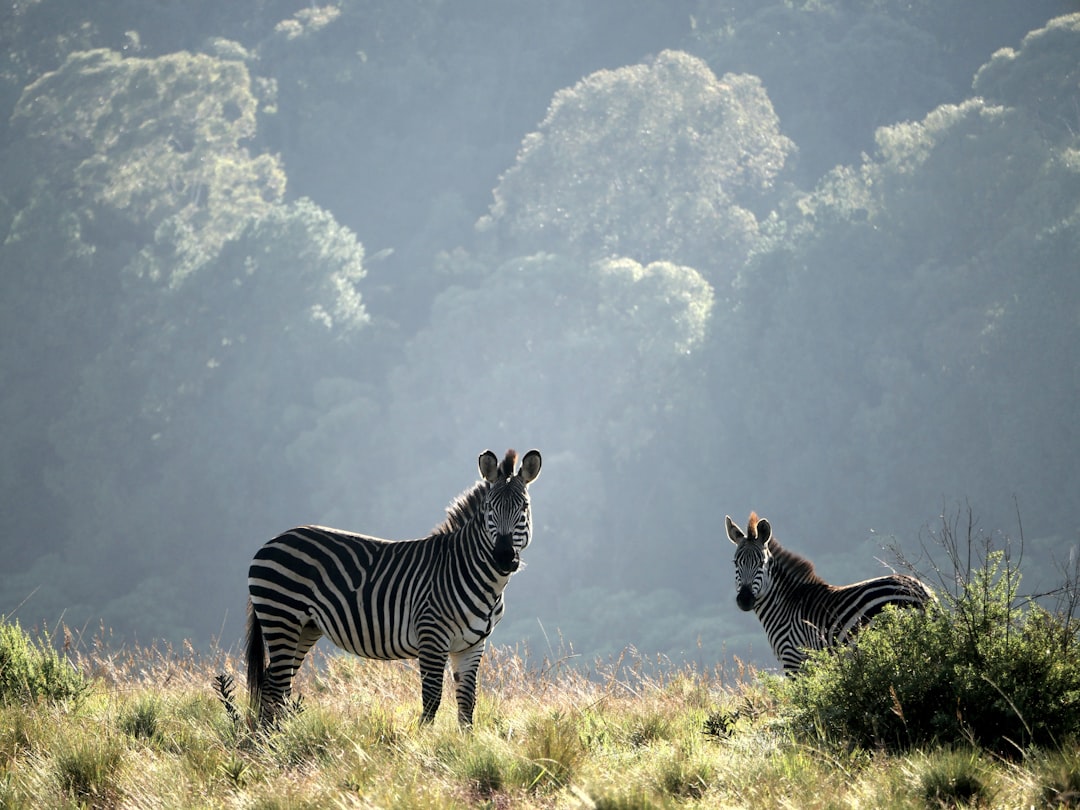
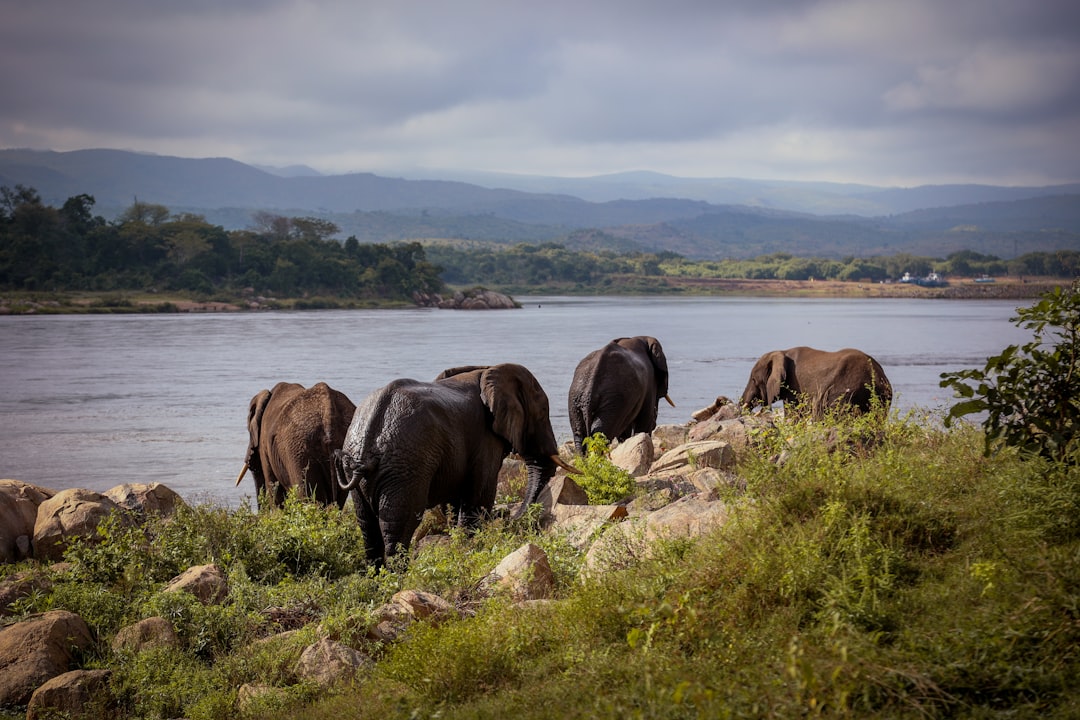
Liwonde National Park covers 548 square kilometers and hosts healthy populations of elephants, hippos, crocodiles, and antelope species. The park's river ecosystem attracts diverse wildlife. You'll see fewer animals per drive than in Tanzania, but the experience feels more intimate and authentic.
Majete Wildlife Reserve spans 700 square kilometers and features reintroduced populations of lions, elephants, and endangered species. Majete's conservation programs make it special—you're supporting wildlife recovery efforts. Nkhotakota Wildlife Reserve offers similar experiences with abundant birdlife.
Malawi's wildlife density is lower overall, but this means fewer vehicles on game drives. You enjoy more peaceful, personalized experiences with knowledgeable guides. The country prioritizes conservation and sustainable tourism over visitor volume.
Big Five Presence Comparison
Tanzania guarantees Big Five sightings (lion, elephant, buffalo, leopard, rhinoceros) in major parks. The Serengeti and Ngorongoro Crater offer excellent odds of seeing all five in a single trip. Private concessions increase your chances of spotting rare species like black rhinoceros.
Malawi's Big Five presence is lower. Lions, elephants, and buffalo are present but less common. Leopards are elusive. Rhinoceros sightings are rare. If Big Five encounters are your priority, Tanzania delivers better odds.
However, Malawi excels in bird diversity—over 650 bird species call Malawi home. If you love birdwatching, Malawi rivals any African destination. The country also offers unique experiences like Lake Malawi's fish eagles and African fish eagles.
Choosing Your Safari: Practical Decision Guide for 2026
Your choice between Malawi and Tanzania depends on five key factors: budget, time available, wildlife priorities, crowd tolerance, and experience type. Let's work through each factor to help you decide.
Budget Considerations
If you have under $3,000 total for a 7-day safari including flights, Malawi is your better choice. Budget safaris in Malawi cost less, and flight prices are similar to Tanzania. You'll stretch your money further and still enjoy excellent wildlife viewing.
If you have $4,000-$7,000 for a week, both countries work well. Mid-range options in both destinations fall within this range. Consider what wildlife experiences matter most to you—the Great Migration (Tanzania) or intimate park experiences (Malawi).
If you have $8,000+, Tanzania offers more luxury options. Private concessions, exclusive camps, and premium experiences scale better in Tanzania. Malawi's luxury market is smaller, though growing.
Time and Season Factors
The dry season (May-October) is best for both countries. Wildlife congregates around water sources, and roads are passable. This season costs more but delivers superior game viewing. In 2026, book 3-6 months ahead for dry season dates to secure better rates.
The wet season (November-April) costs less but offers fewer animals and muddy roads. Green landscapes are beautiful for photography, and birdwatching improves. Fewer tourists visit during wet season, so you'll have parks mostly to yourself.
For the Great Migration in Tanzania, travel July-October. This is peak season with premium prices. If you skip the Migration, visit Tanzania May-June or November for better rates and still-excellent wildlife viewing.
Matching Your Travel Style
Choose Malawi if you prefer: budget-friendly safaris, fewer crowds, intimate experiences, lake activities, birdwatching, and conservation-focused tourism. Malawi suits independent travelers, nature lovers, and photographers seeking authentic encounters.
Choose Tanzania if you prefer: iconic wildlife moments, Big Five guarantees, the Great Migration, luxury options, exclusive private reserves, and world-famous parks. Tanzania suits families, first-time safari goers, and travelers seeking prestige destinations.
Consider combining both countries. Many operators offer Malawi-Tanzania packages. You get budget-friendly Malawi parks plus Tanzania's famous attractions. This approach maximizes wildlife diversity and value. Learn about different trip styles in our guide on Malawi Safari Holidays: 7 Trip Styles Compared in 2026.
Group Size and Private vs Shared Safaris
Shared safaris (group game drives) cost less but mean sharing vehicles with other tourists. Both Malawi and Tanzania offer group options. Mid-range groups typically have 4-8 people per vehicle.
Private safaris cost more but offer flexibility and personalized experiences. You choose your pace, stop where you want, and enjoy exclusive access. Private safaris work well for couples, families, and those with specific wildlife interests.
Semi-private options split the difference—you share a vehicle with one other couple or family. This reduces costs while maintaining some privacy. Many travelers find semi-private safaris ideal.
Choosing the right tour operator matters as much as choosing your destination. A good operator ensures safety, quality experiences, and value for money. Here's how to evaluate operators and packages.
What to Look For in Tour Operators
Check operator reviews carefully. Read authentic traveler feedback on SafariFind to see what past clients experienced. Look for operators with consistent 4.5+ star ratings and 50+ reviews. New operators might be excellent, but established ones with proven track records reduce risk.
Verify operator credentials. Legitimate operators hold licenses from national tourism boards. They carry proper insurance and employ trained guides. Ask about guide certifications and experience levels.
Compare package inclusions. Some packages include flights, others don't. Some cover meals, activities, and park fees. Others charge extra for optional activities. Understanding what's included prevents budget surprises.
Check cancellation policies. Travel plans change. Operators with flexible cancellation policies (especially important in 2026 with travel uncertainties) offer peace of mind. Read terms carefully before booking.
Evaluating Value Beyond Price
Cheapest doesn't mean best value. A $100-per-day safari might cut corners on meals, vehicles, or guide quality. Mid-range operators ($250-$400 daily) typically balance cost and quality better.
Consider operator size and group limits. Smaller operators (5-10 person groups) often provide better service than large tour companies (20+ people). However, larger companies offer more amenities and standardized quality.
Research operator specialties. Some focus on photography safaris and understand camera needs. Others specialize in family trips or luxury experiences. Choose operators matching your interests.
Request references. Good operators gladly provide contact information for past clients. Email previous travelers to ask about their experiences, guide quality, and value.
Using SafariFind to Compare and Book
Browse safari packages on SafariFind to see side-by-side comparisons. Filter by destination, price, duration, and rating. Read verified reviews from real travelers before contacting operators.
Request quotes from multiple operators. SafariFind lets you message operators directly. Ask specific questions about inclusions, guide experience, and vehicle types. Compare responses before deciding.
Look for SafariFind-verified operators. We vet operators to ensure they're legitimate, licensed, and trustworthy. Verified badges mean you're booking with reputable companies.
Key Takeaways
Book Malawi safaris for 30-40% less cost: Malawi daily rates run $150-$300 versus Tanzania's $250-$1,500+, making budget-conscious trips significantly cheaper while maintaining excellent wildlife viewing quality.
Choose Tanzania for Great Migration guarantees: The 1.5 million wildebeest crossing (July-October) only happens in Tanzania, delivering iconic wildlife moments impossible in Malawi despite higher costs.
Reserve 3-6 months ahead for dry season (May-October): Early booking saves 15-20% on peak season rates and secures the best lodges before they fill, essential for 2026 travel.
Combine both countries for maximum value: Malawi-Tanzania packages offer budget-friendly wildlife diversity—experience Malawi's intimate safaris plus Tanzania's famous parks in one trip.
Request quotes from verified operators on SafariFind: Comparing 3+ operators reveals $500-$1,000 savings on 7-day packages, with authentic reviews helping you avoid poor-quality experiences.
Frequently Asked Questions
How much does a 7-day safari cost in Malawi vs Tanzania in 2026?
A 7-day mid-range safari in Malawi costs $1,750-$2,800 per person, while Tanzania ranges from $2,800-$4,200 for comparable quality [3]. Malawi is approximately 30-40% cheaper. Add flights ($800-$1,600 per person) to total costs. Luxury safaris in Tanzania can exceed $87,500 for 7 days, while Malawi's premium options max out around $4,200.
Which country has better wildlife density and Big Five sightings?
Tanzania offers higher wildlife density and better Big Five guarantees, especially in the Serengeti and Ngorongoro Crater [1]. The Serengeti alone hosts 1.5 million wildebeest and diverse predators. Malawi has lower Big Five density but excels in bird diversity (650+ species) and offers more intimate, less-crowded wildlife experiences. Choose Tanzania for Big Five priority; Malawi for peaceful, authentic safari experiences.
Is the Great Migration only in Tanzania?
Yes, the Great Migration of 1.5 million wildebeest crossing between July and October occurs only in Tanzania's Serengeti and Kenya's Masai Mara [1]. Malawi doesn't have this phenomenon. If the Great Migration is your priority, you must choose Tanzania. However, Malawi offers year-round wildlife viewing without seasonal migrations.
What's the best time to visit each country for safaris?
Both countries' best season is May-October (dry season), when wildlife congregates around water sources and roads are passable. In 2026, book 3-6 months ahead for dry season to get better rates. For Tanzania's Great Migration specifically, visit July-October. Wet season (November-April) costs less but offers fewer animals and muddy roads.
Should I book private or shared safaris for better value?
Shared safaris cost 30-40% less than private options but mean sharing vehicles with other tourists. Semi-private safaris (sharing with one other couple) balance cost and privacy well. Private safaris offer flexibility and personalized experiences. For budget travelers, shared safaris in Malawi offer excellent value. For couples seeking intimacy, semi-private options in either country work well. Compare private vs group trip costs to find your ideal match.
Can I combine Malawi and Tanzania in one trip?
Yes, many operators offer Malawi-Tanzania packages combining both countries' highlights. You experience Malawi's budget-friendly, intimate safaris plus Tanzania's famous parks and wildlife. These combo trips typically cost $3,500-$6,000 for 10-14 days including flights. Combo trips maximize wildlife diversity and provide excellent value compared to choosing one country alone. Request quotes from verified operators on SafariFind for combo package options.
Conclusion
Malawi safari vs Tanzania 2026 presents a clear choice based on your priorities. Malawi delivers exceptional wildlife viewing at 30-40% lower costs, perfect for budget travelers and those seeking intimate, less-crowded experiences. Tanzania offers iconic moments like the Great Migration, higher Big Five guarantees, and more luxury options, justifying higher prices for first-time visitors and prestige seekers.
Both countries excel in different ways. Malawi provides outstanding value with diverse parks like Liwonde and Majete, plus unique lake experiences. Tanzania dominates with the Serengeti's 1.5 million wildebeest and world-famous parks that justify premium pricing.
For maximum value in 2026, book Malawi mid-range safaris ($250-$400 daily) three to six months ahead of your travel dates. You'll save 15-20% and secure the best lodges. Alternatively, combine both countries—spend 4 days in Malawi's parks, then 4 days experiencing Tanzania's Great Migration or Serengeti.
Compare verified safari packages on SafariFind to see real pricing, read authentic traveler reviews, and request quotes from licensed operators in both countries. Request multiple quotes—you'll often find $500-$1,000 savings when comparing three operators. SafariFind's verified operators provide transparent pricing and proven track records, ensuring your 2026 safari delivers unforgettable wildlife memories without overpaying.
Plan Your Safari with SafariFind
These recommendations use real data from SafariFind, where you can compare operators, browse packages, and read verified traveler reviews before you book.
What Travelers Say (SafariFind Reviews)
5★ - "Thank you for organizing an incredible experience! It’s clear that this journey was a perfect blend of relaxation, adventure, networking and breathtaking natural beauty. Starting at Kenya Namanga, the adventure through T" - Ms Temz • Verified review
"Thank you for organizing an incredible experience! It’s clear that this journey was a perfect blend of relaxation, adventure, networking and breathtaking natural beauty. Starting at Kenya Namanga, the adventure through Tanzania, Malawi, Zambia, Zimbabwe, Botswana, and Namibia truly was a dream itinerary. Chitimba Beach and Kande beach in Malawi brings its magic to life—the pristine sands, tranquil waters, and, of course, the breathtaking sunrise and sunset of Lake Malawi. The transition to Zambia and the awe-inspiring Victoria Falls was beautiful. The sheer power of the falls, combined with the thrilling bungee jump over the Zambezi Gorge, was an exciting experience.Exploring the falls from the Zimbabwean side and the lush rainforest walk sounds like the perfect complement to this natural wonder. The wildlife encounters in Chobe National Park, Botswana, and the surreal landscapes of Sossusvlei in Namibia seem to have added layers of depth and diversity to my journey. The detailed planning and seamless logistics of the trip truly shine through, ensuring that we were able to enjoy each destination without worry. Thank you for the accommodations, felt home away from home, the guide and overall organization was impeccable It’s clear that this journey wasn't just a trip—it was an unforgettable adventure packed with moments of awe and wonder. Highly recommended for anyone looking for the perfect mix of thrill, culture, and nature! Looking forward to travel with you😊"
Ms Temz•4/22/2026
5★ - "We are really excited about our safari! We booked a 4 day safari, visiting Tarangire, Serengeti and Ngoro Ngoro cCater. Our guide Zighy was always there, kept us safe and allowed us to see lots of animals and birds, all " - Corinne • Verified review
"We are really excited about our safari! We booked a 4 day safari, visiting Tarangire, Serengeti and Ngoro Ngoro cCater. Our guide Zighy was always there, kept us safe and allowed us to see lots of animals and birds, all big fives, without pressure and allowing us to fully enjoy the experience. Zighy is a special person, very respectful of the people, flora and fauna of the savannah. Doudi, the manager of Meijo Safaris, was kind, he explained to us before the safari what to expect and then came back at the end of the safari to get feedback. The hotels and lodges were comfortable, the one in Serengeti is very special (Malawi), and the staff very nice. The chefs have been great! We will recommend this unforgettable safari to our friends. Thanks Meijo Safaris!"