Complete Solo Traveler's Guide to Lightweight Packing for Kenya Safari 2026
Pack smart for a Kenya safari by choosing lightweight, breathable clothing in neutral tones, sturdy hiking boots, and essential gear like sunscreen and a portable charger. Solo travelers should focus
Solo Safari Packing: Kenya 2026 Guide
Pack smart for a Kenya safari by choosing lightweight, breathable clothing in neutral tones, sturdy hiking boots, and essential gear like sunscreen and a portable charger. Solo travelers should focus on versatile items that work in hot days and cool nights while keeping luggage minimal for easy movement between safari locations.
What Is Lightweight Packing for a Kenya Safari?
Lightweight packing for a Kenya safari means bringing only what you need while staying comfortable in changing weather. Solo travelers benefit most from this approach because you move between camps and lodges frequently. You'll navigate vehicles, hike to viewpoints, and explore on foot without dragging heavy bags.
Kenya's climate ranges from hot, sunny days to surprisingly cool nights, especially at higher elevations. Smart packing balances comfort with practicality. You choose versatile pieces that work together, reduce wrinkles, and dry quickly after washing.
The goal is simple: pack light, stay organized, and focus on your safari experience instead of managing luggage. Most solo travelers find that a carry-on bag plus a daypack covers everything they need for a 7-10 day Kenya safari.
Why Lightweight Packing Matters for Solo Travelers
Solo travelers face unique challenges that make lightweight packing essential. You handle all your own luggage at airports, lodges, and during transfers. Heavier bags cause fatigue and limit your mobility when exploring wildlife areas.
Lightweight gear also gives you flexibility. You can take spontaneous walks, climb into safari vehicles quickly, and move between rooms without assistance. Plus, many safari lodges charge extra fees for heavy luggage or multiple bags.
Finally, packing light means you have room in your bag for souvenirs and purchases you discover during your trip. You'll want space for local crafts, books, or items from lodge gift shops.
Essential Clothing for Kenya Safari Adventures
Your clothing choices make or break a safari experience. Kenya's weather demands layers and protection from sun and insects. Start with the right fabrics and colors, then build from there.
Choosing the Right Colors and Fabrics
Wear neutral, earthy tones like beige, khaki, olive, and brown during game drives [6]. These colors blend with the landscape and won't startle wildlife. Avoid bright whites, reds, or blues that stand out in nature and attract insects.
Choose breathable fabrics that dry quickly. Cotton blends, merino wool, and synthetic materials work better than heavy cottons. Look for moisture-wicking properties that keep sweat off your skin. These fabrics also resist wrinkles, so you pack fewer items.
Lightweight means thinner materials, but not flimsy ones. Your clothes should withstand repeated washing and active movement. Quality matters more than quantity when packing light.
Building Your Core Wardrobe
Start with five to seven lightweight shirts or blouses that you can mix and match. Long sleeves protect your arms from sun and insect bites during morning and evening game drives. Short sleeves work for midday rest periods at lodges.
Pack three pairs of lightweight pants or convertible trousers with zip-off legs. These give you flexibility for different activities and weather changes. Avoid jeans—they're heavy, take forever to dry, and restrict movement in vehicles.
Include one pair of lightweight shorts for lodge activities. Bring one casual dress or lightweight pants for evening dinners at your accommodation. Most safari lodges have a relaxed dress code, but you'll appreciate one nicer outfit.
Add a lightweight fleece or wool sweater for cool evenings. Nights in Kenya, especially at higher elevations, drop significantly. A thin layer prevents chills without adding bulk to your pack.
Footwear Essentials
Sturdy hiking boots or trail shoes are non-negotiable for a Kenya safari. You'll walk on uneven terrain, sandy paths, and rocky ground. Comfortable, supportive footwear prevents blisters and injuries that could ruin your trip.
Choose boots that won't get easily dirty and dry quickly after washing. Waterproof options protect your feet during unexpected rain. Break in your boots before your trip to avoid painful adjustments in the field.
Bring one pair of casual sandals for lodge use. Lightweight, packable sandals add minimal weight while giving your feet a break from boots. Pack flip-flops or water shoes for shower areas and communal spaces.
Critical Safari Gear and Accessories
Beyond clothing, specific gear makes your safari safer, more comfortable, and more enjoyable. These items take up little space but deliver enormous value during your adventure.
Sun and Insect Protection
Sunscreen is absolutely critical. The African sun is intense and reflects off sand and water, increasing exposure. Pack a high SPF broad-spectrum sunscreen (SPF 50+) and reapply every two hours, especially after sweating or swimming.
Insect repellent protects against mosquitoes and other biting insects. Malaria-carrying mosquitoes are active during dawn and dusk, so apply repellent before game drives. Choose a DEET-based formula for maximum effectiveness in African conditions.
A lightweight cooling towel provides relief during hot days and helps prevent heat exhaustion. These specialized towels stay cool when wet and weigh almost nothing. Pack one in your daypack for easy access.
Hydration and Power Solutions
An insulated water bottle keeps drinks cold throughout the day and reduces your need to buy bottled water. Stainless steel bottles are durable and lightweight. Most lodges refill bottles with filtered water, so you stay hydrated without waste.
A portable phone charger is essential for solo travelers. You'll want to photograph wildlife, navigate with GPS, and stay in touch with family. Choose a lightweight power bank with enough capacity for 1-2 full charges. Solar chargers add flexibility for longer trips.
Optical and Photography Gear
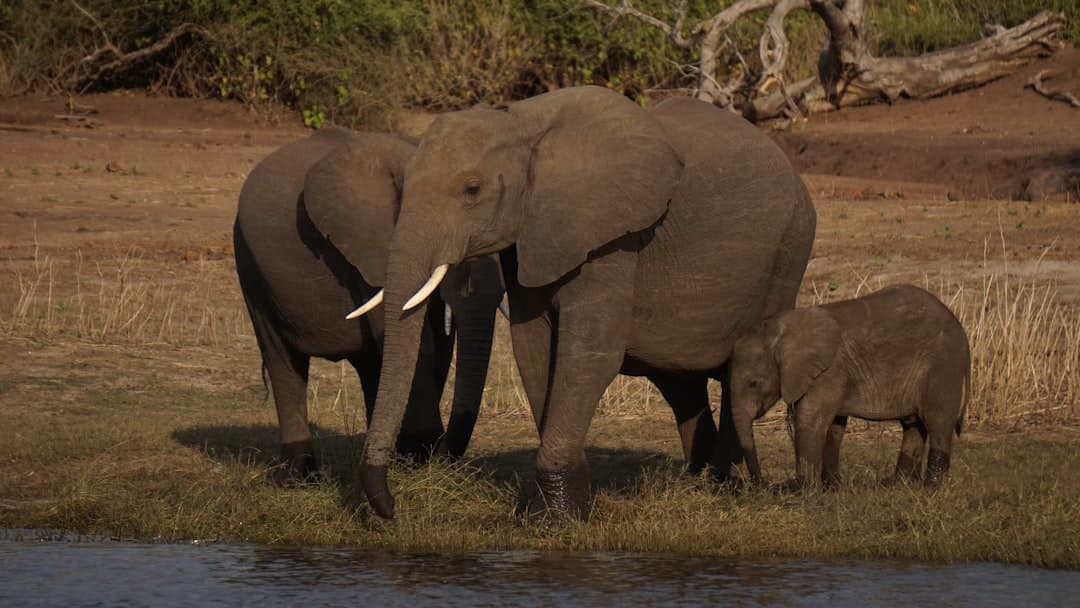
Lightweight, durable binoculars enhance your wildlife viewing, especially for elephant viewing and bird watching. Compact binoculars weigh just a few ounces but provide clear magnification. Consider 8x32 or 10x32 models as ideal compromises between power and portability.
A smartphone camera captures most safari moments effectively. If you bring a dedicated camera, pack it in a protective bag. Dust and sand are common in safari vehicles, so protect your electronics carefully.
Organization and Security
A small, secure bag holds your valuables during game drives and lodge activities. Crossbody bags keep essentials close and prevent theft. Choose water-resistant materials that protect documents, cash, and electronics.
A daypack (20-30 liters) carries everything you need for daily excursions. Look for packs with padded straps, ventilated backs, and multiple compartments. This bag becomes your constant companion during your Kenya safari.
Practical Packing Strategy for Solo Travelers
How you pack matters as much as what you pack. Smart organization keeps you organized, protects your gear, and makes unpacking at each lodge quick and easy.
Choosing Your Main Luggage
A carry-on rolling suitcase or a soft-sided duffel bag works best for Kenya safaris. Hardside suitcases like the Briggs & Riley Sympatico protect your belongings but add weight [4]. Soft-sided bags compress better and fit more easily into safari vehicle storage.
Aim for luggage under 40 liters for a week-long trip. This size fits carry-on dimensions on most airlines and keeps your bag manageable. Many solo travelers find a single bag sufficient for 7-10 days, especially with laundry service at lodges.
Rolling luggage saves your back and shoulders during airport transfers. Look for bags with sturdy wheels and smooth-rolling mechanisms. Four-wheel designs offer better maneuverability than two-wheel models.
Smart Packing Techniques
Roll your clothes instead of folding them to save space and reduce wrinkles. Place heavier items at the bottom of your bag. Use packing cubes to organize by category (shirts, pants, undergarments, accessories).
Pack shoes first, then fill empty spaces with socks and small items. Wear your bulkiest item (hiking boots or fleece) on travel days to save luggage space. Keep toiletries in a clear, quart-sized bag for easy airport security screening.
Store documents, phone chargers, and medications in your daypack for the flight. This ensures you have essentials if luggage gets delayed. Keep copies of your passport, travel insurance, and booking confirmations in a separate compartment.
Laundry and Refreshing Your Wardrobe
Most safari lodges offer laundry service, often included in your package. Plan to have clothes washed every 2-3 days. This means you can pack fewer items and reuse pieces throughout your trip.
Lightweight, quick-dry fabrics are ready to wear within hours of washing. Cotton blends and synthetic materials dry faster than pure cotton. Ask your lodge about laundry turnaround times when you arrive.
Hand-wash delicate items in your lodge room. Merino wool and technical fabrics often require gentle care. Packing a small packet of laundry detergent lets you wash items yourself if needed.
Additional Essentials for Solo Safari Success
Beyond clothing and gear, several other items deserve space in your pack. These additions enhance safety, comfort, and overall enjoyment of your Kenya safari experience.
Health and Wellness Items
Bring prescription medications in original bottles with labels clearly visible. Pack extra quantities in case your trip extends. Include over-the-counter medications for altitude sickness, digestive issues, and headaches.
A small first-aid kit addresses minor cuts, blisters, and insect bites. Include antibiotic ointment, blister treatment, pain relievers, and antihistamines for allergic reactions. Most lodges have medical facilities, but having basics prevents minor issues from escalating.
Antimalarial medication is essential if traveling to malaria areas. Consult your doctor before your trip about appropriate prophylaxis. Take medications exactly as prescribed, starting before arrival and continuing after departure.
Documentation and Money
Carry your passport, travel insurance documents, and safari booking confirmations. Store originals in a secure hotel safe and keep copies in your daypack. Digital copies on your phone provide backup access if documents get lost.
Bring a mix of cash and cards for flexibility. Kenya uses the Kenyan Shilling, though USD is accepted at many tourist locations. ATMs are available in major towns and at some lodges. Notify your bank of travel dates to prevent card blocks.
Communication and Navigation
International data plans or local SIM cards keep you connected during your safari. Many lodges offer WiFi in main areas, though connections in remote locations are spotty. Download offline maps before your trip for navigation without data.
A lightweight universal adapter works with Kenya's electrical outlets (Type G, three rectangular prongs). Pack a surge protector to safely charge multiple devices in lodge rooms.
Finding Your Perfect Kenya Safari Package
Once you've packed smart, booking the right safari experience matters equally. SafariFind connects solo travelers with verified tour operators offering Kenya safari packages tailored to your interests and budget.
Browse safari packages on SafariFind to compare operators, durations, and prices. Read authentic reviews from previous travelers to understand what to expect. Many operators offer specialized itineraries for solo travelers, including group safaris where you meet other adventurers.
Request quotes from verified operators to find the best value for your trip. Compare what's included—accommodations, meals, game drives, guides—to make informed decisions. SafariFind's marketplace makes it easy to evaluate multiple options before booking.
Key Takeaways
Choose neutral colors and breathable fabrics: Wear beige, khaki, olive, and brown in lightweight, quick-dry materials to blend with wildlife and stay comfortable in Kenya's changing temperatures [6].
Invest in quality hiking boots: Sturdy, supportive footwear prevents blisters and injuries on uneven terrain. Break them in before your trip to ensure comfort during long game drives and walks.
Pack one carry-on bag plus a daypack: Keep your main luggage under 40 liters and organize with packing cubes. This size fits airline requirements and stays manageable for solo travelers moving between locations.
Don't forget sun protection and a portable charger: High SPF sunscreen, insect repellent, and a lightweight power bank are non-negotiable essentials that protect your health and keep you connected throughout your safari.
Plan for laundry service at your lodge: Most safari accommodations wash clothes every 2-3 days, letting you pack fewer items. Quick-dry fabrics reduce turnaround time and keep you refreshed during your adventure.
Frequently Asked Questions
How much luggage can I bring on a Kenya safari?
Most safari operators allow one carry-on bag (under 40 liters) and a personal daypack. Some allow checked luggage too, but lightweight packing is easier for solo travelers moving between lodges. Check your specific operator's baggage policy when booking.
What's the best lightweight fabric for safari clothing?
Cotton blends, merino wool, and synthetic moisture-wicking materials work best. These fabrics dry quickly after washing, resist wrinkles, and keep you cool in heat. Avoid heavy pure cotton that takes forever to dry and wrinkles easily.
Do I really need hiking boots for a Kenya safari?
Yes. You'll walk on uneven terrain, sandy paths, and rocky ground during game drives and lodge activities. Sturdy hiking boots prevent blisters and injuries that could ruin your trip. Wear them before your trip to break them in properly.
Can I do laundry at safari lodges?
Most lodges offer laundry service, often included in your package. Plan to have clothes washed every 2-3 days. Quick-dry fabrics are ready within hours. Always ask about laundry availability and turnaround times when you arrive at your lodge.
What essential items should I never forget on a Kenya safari?
Never forget: high SPF sunscreen, insect repellent, sturdy hiking boots, a portable phone charger, and a lightweight water bottle. Also pack prescription medications, travel insurance documents, and copies of your passport. These items are crucial for health, safety, and documentation.
How do I stay cool during hot Kenya safari days?
Wear lightweight, breathable fabrics in light colors. Pack a cooling towel that stays cold when wet. Drink plenty of water from your insulated bottle. Take breaks in shade at lodges during peak heat hours, typically 11 AM to 3 PM.
Is a carry-on really enough for a week-long Kenya safari?
Yes, a 30-40 liter carry-on bag is sufficient for 7-10 days when you pack strategically. Choose versatile pieces that mix and match, use laundry service at lodges, and roll clothes to save space. Most solo travelers successfully pack light this way.
Conclusion
Smart packing transforms your Kenya safari from stressful to seamless. By choosing lightweight, versatile clothing in neutral tones, investing in quality footwear, and organizing strategically, you'll move freely through your adventure without luggage burden. Focus on breathable fabrics, essential gear like sunscreen and a portable charger, and trust that lodge laundry service covers your changing clothes needs.
Solo travelers especially benefit from lightweight packing. You navigate airports independently, move quickly between safari locations, and maintain flexibility for spontaneous activities. Your single bag becomes an asset rather than a burden.
Ready to book your Kenya safari adventure? SafariFind connects you with verified tour operators offering packages designed for solo travelers. Browse safari packages on SafariFind, compare operators and prices, and read authentic reviews from previous adventurers. Request quotes from verified operators to find your perfect match. Whether you seek wildlife photography, cultural experiences, or pure adventure, SafariFind helps you find the right package for your Kenya safari in 2025.
Plan Your Safari with SafariFind
These recommendations use real data from SafariFind, where you can compare operators, browse packages, and read verified traveler reviews before you book.
Recommended Safari Packages from SafariFind
12-Day Best African Safari across Kenya and Tanzania Iconic Parks
12-Day Best African Safari across Kenya and Tanzania Iconic Parks • $2,380 • 12 days • by Easy Budget Safaris Ltd
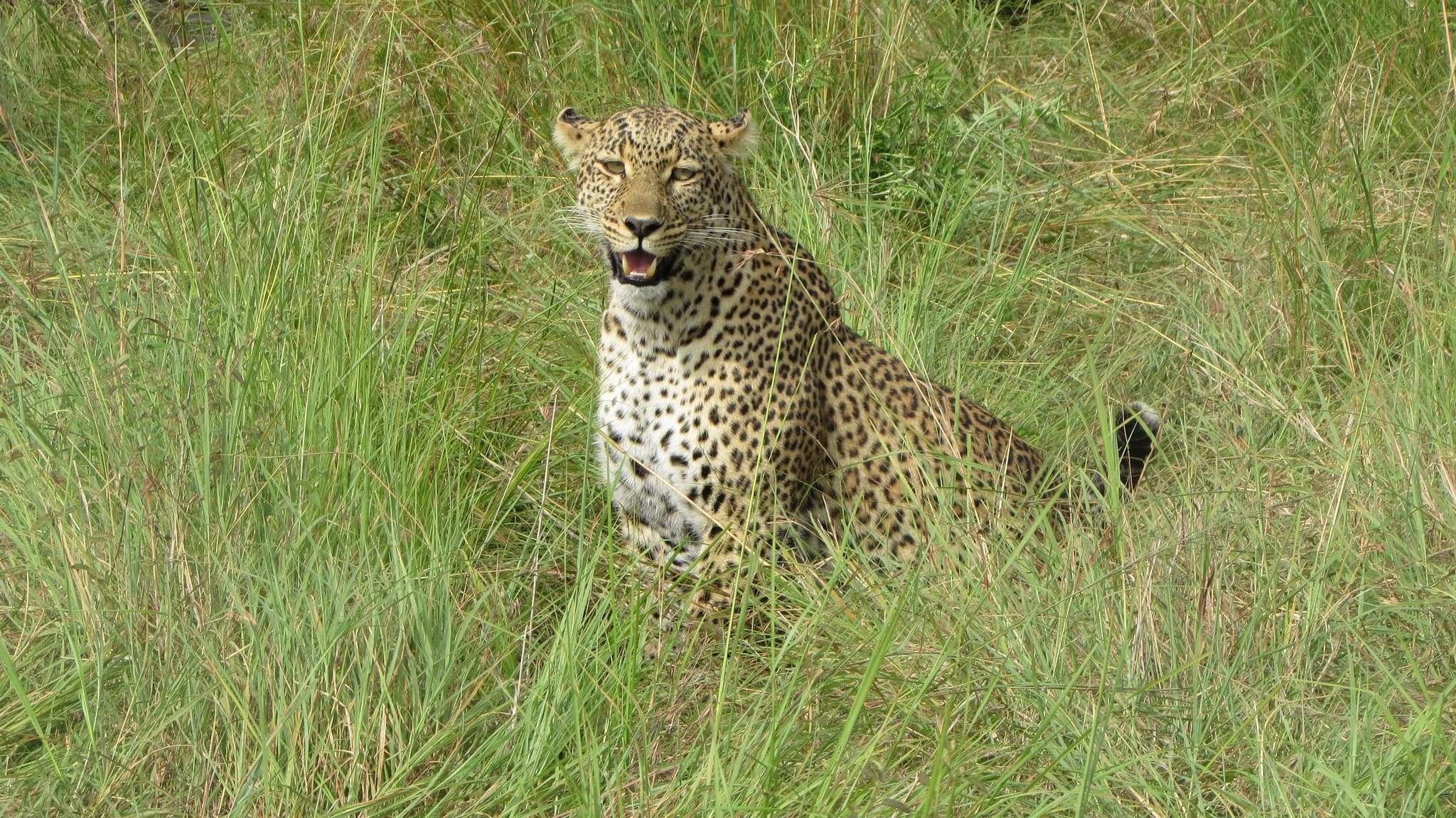
12-Day Best African Safari across Kenya and Tanzania Iconic Parks
by Easy Budget Safaris • 12 Days
10-Day Affordable Kenya Tanzania Safari Masai Mara, Lake Nakuru, Amboseli, Serengeti and Ngorongoro Crater... • $1,900 • 10 days • by Easy Budget Safaris Ltd
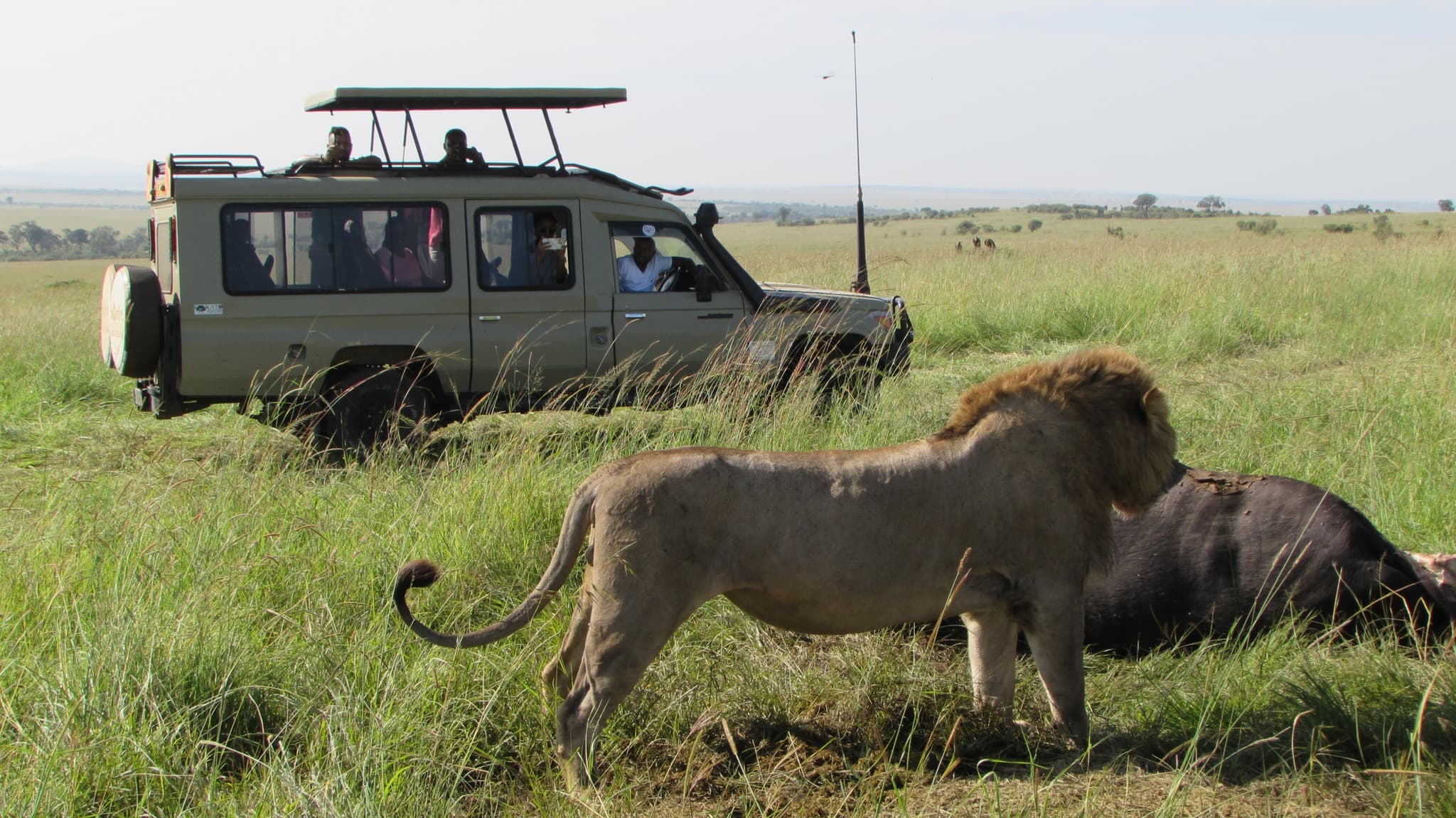
10-Day Affordable Kenya Tanzania Safari Masai Mara, Lake Nakuru, Amboseli, Serengeti and Ngorongoro Crater...
by Easy Budget Safaris • 10 Days
11-Day Kenya Tanzania Safari Masai Mara, Lake Nakuru, Amboseli, Arusha, Serengeti and Ngorongoro Crater. • $2,590 • 11 days • by Easy Budget Safaris Ltd
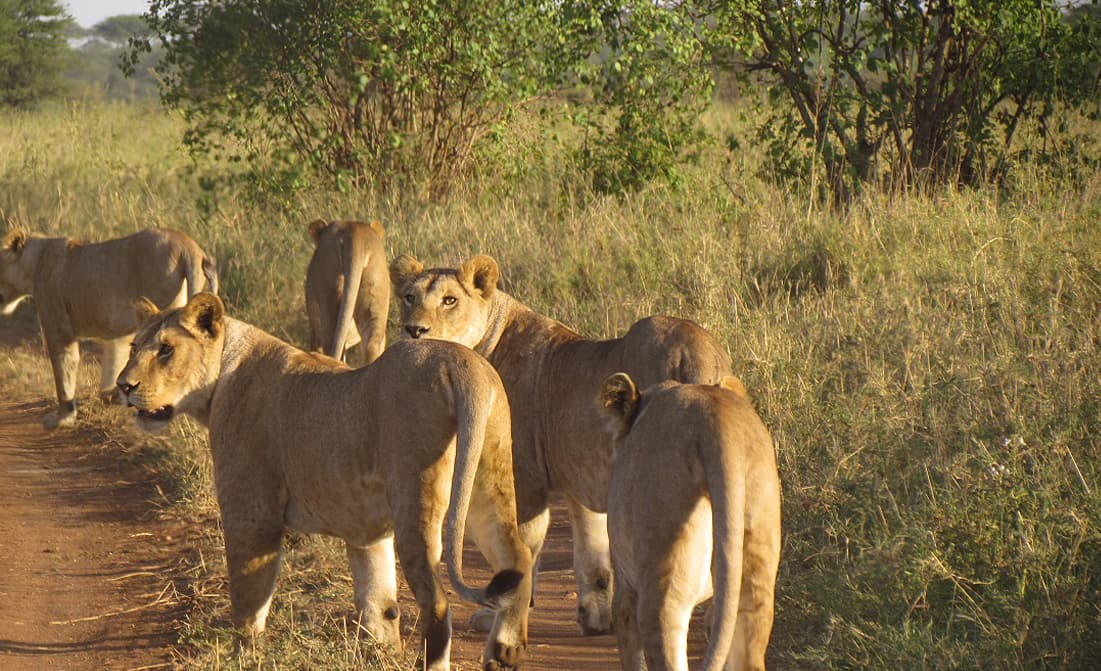
11-Day Kenya Tanzania Safari Masai Mara, Lake Nakuru, Amboseli, Arusha, Serengeti and Ngorongoro Crater.
by Easy Budget Safaris • 11 Days
5-Day Affordable Kenya Safari Masai Mara, Lake Nakuru and Lake Naivasha
5-Day Affordable Kenya Safari Masai Mara, Lake Nakuru and Lake Naivasha • $1,079 • 5 days • by Easy Budget Safaris Ltd
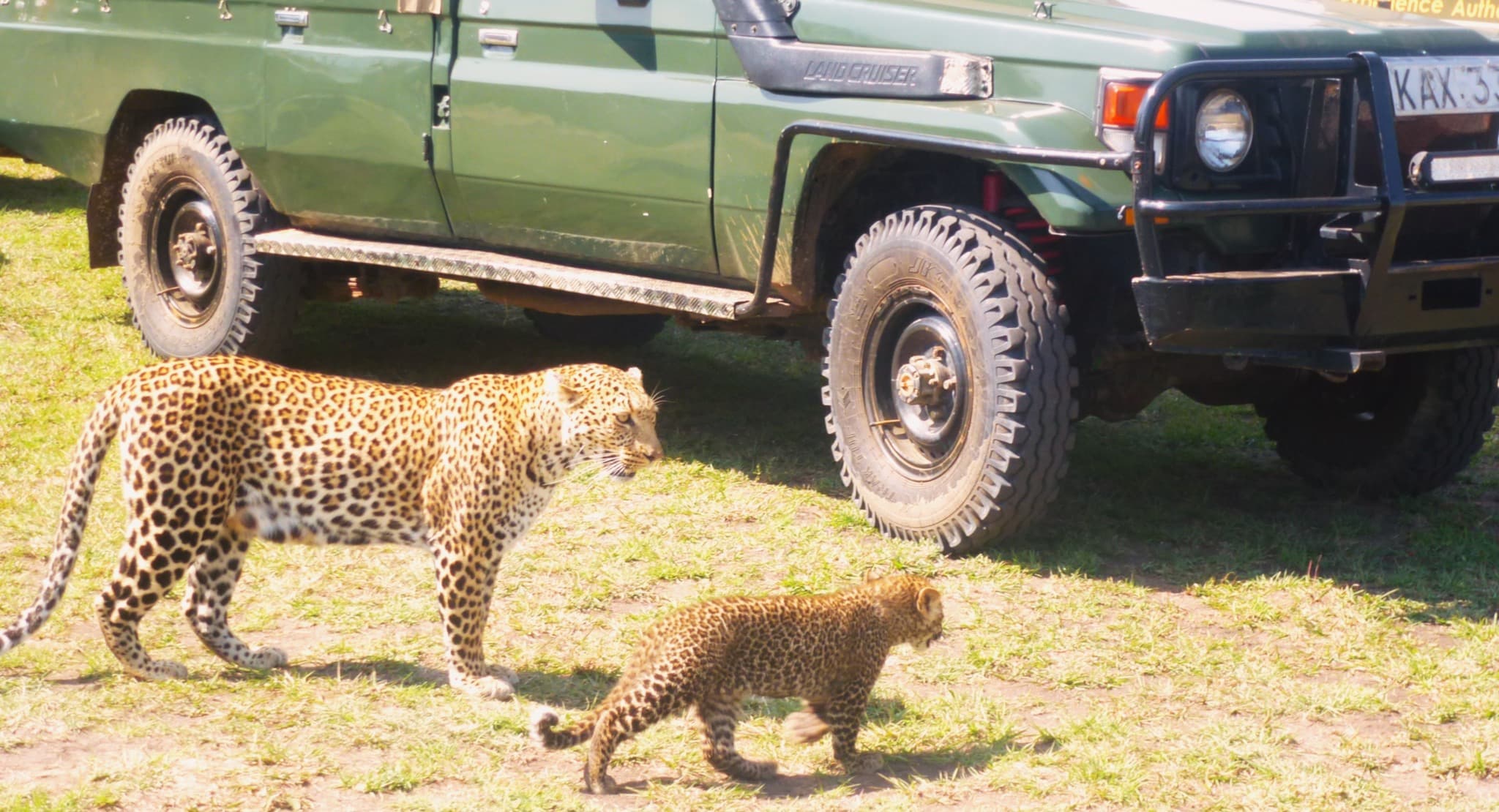
5-Day Affordable Kenya Safari Masai Mara, Lake Nakuru and Lake Naivasha
by Easy Budget Safaris • 5 Days
4-Day shared safari experience Masai Mara and Lake Nakuru National Park.
4-Day shared safari experience Masai Mara and Lake Nakuru National Park. • $845 • 4 days • by Easy Budget Safaris Ltd
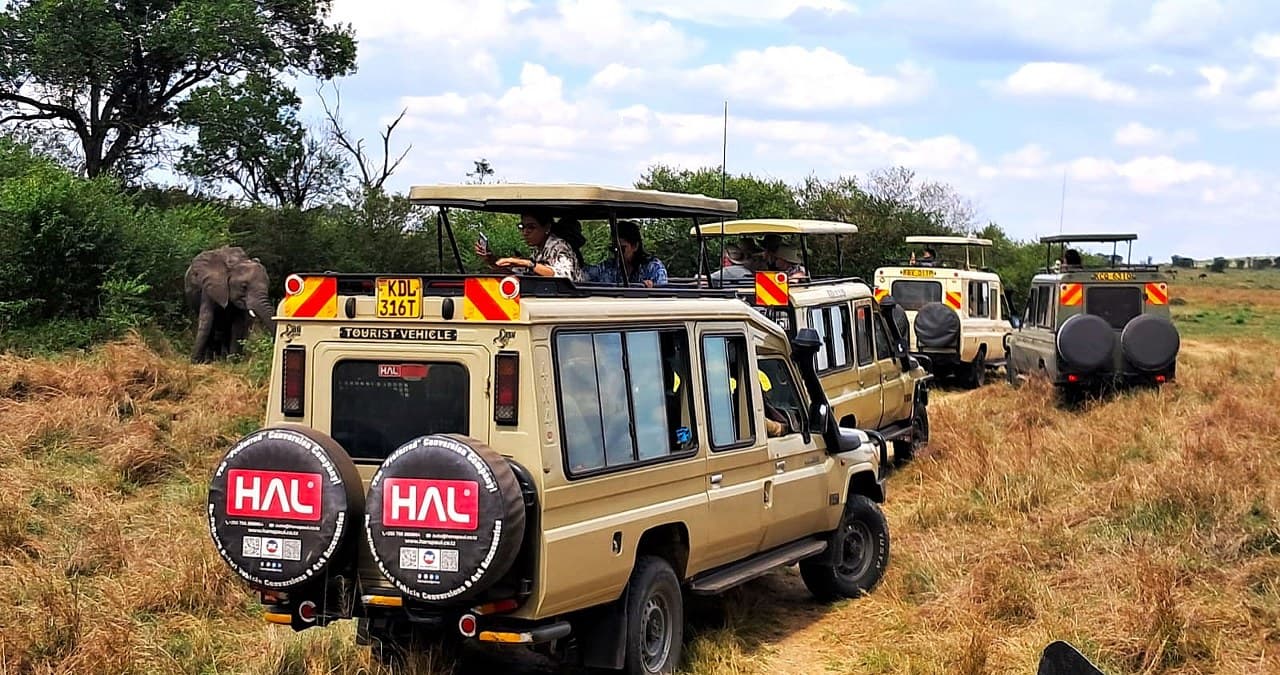
4-Day shared safari experience Masai Mara and Lake Nakuru National Park.
by Easy Budget Safaris • 4 Days
7-Day Best budget safari tour Masai Mara, Lake Nakuru, Lake Naivasha and Amboseli
7-Day Best budget safari tour Masai Mara, Lake Nakuru, Lake Naivasha and Amboseli • $1,299 • 7 days • by Easy Budget Safaris Ltd
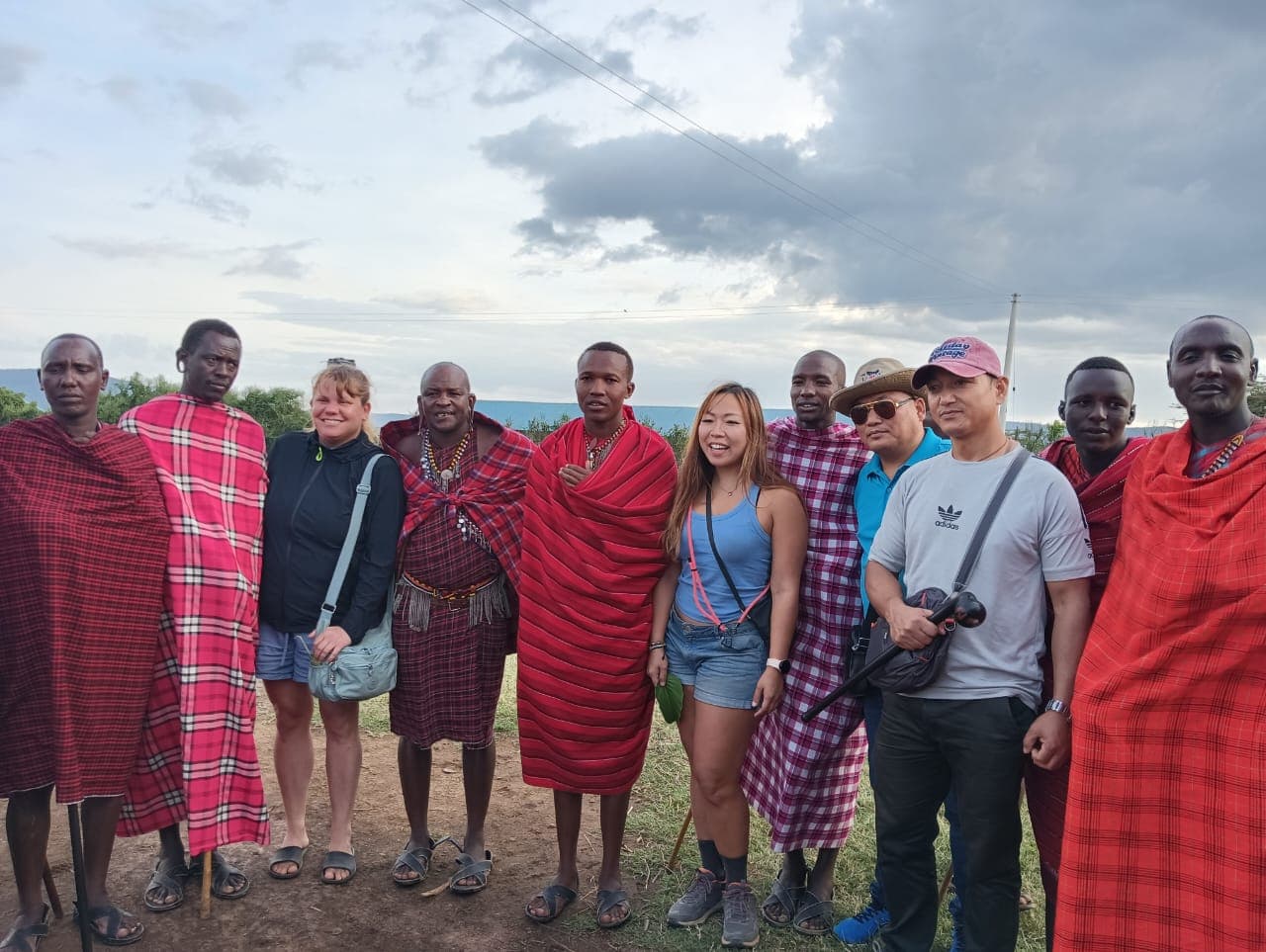
7-Day Best budget safari tour Masai Mara, Lake Nakuru, Lake Naivasha and Amboseli
by Easy Budget Safaris • 7 Days
3-Day Masai Mara Safari Tour Experience
3-Day Masai Mara Safari Tour Experience • $650 • 3 days • by Easy Budget Safaris Ltd
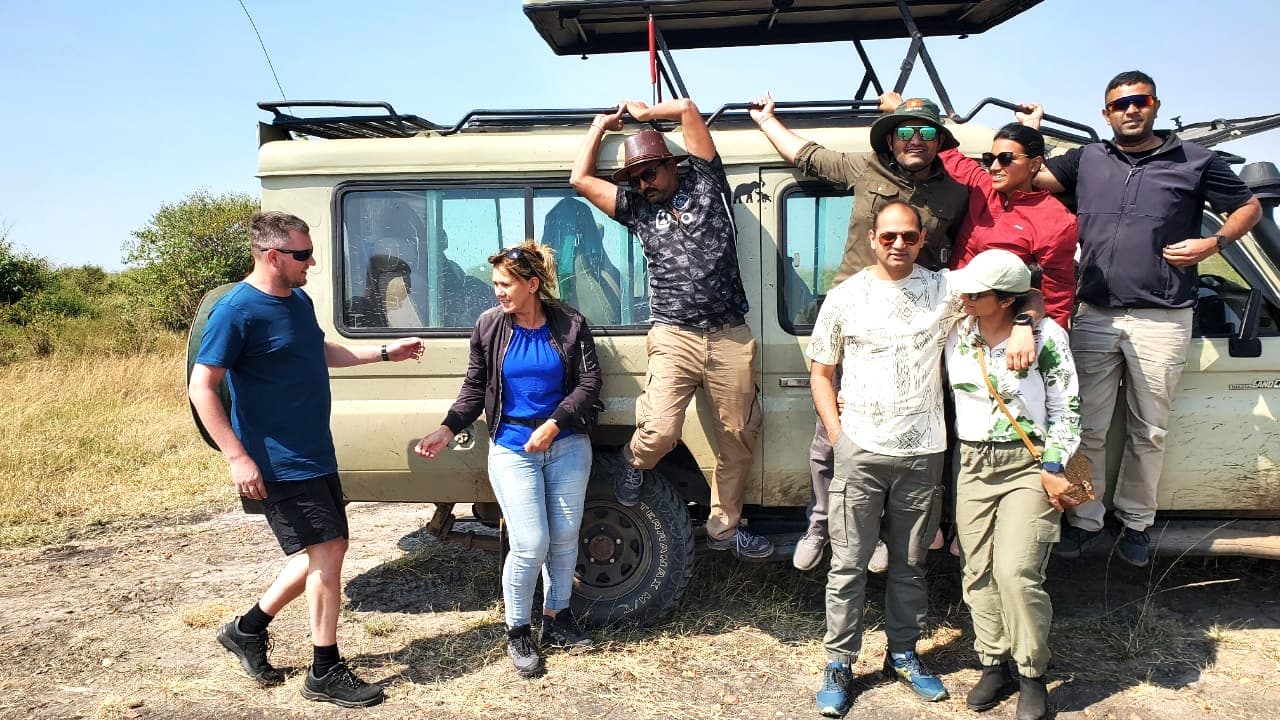
3-Day Masai Mara Safari Tour Experience
by Easy Budget Safaris • 3 Days
4-Day Big Cats, Rhinos & Endless Savannah Magic
4-Day Big Cats, Rhinos & Endless Savannah Magic • $1,650 • 4 days • by Avadan Safaris
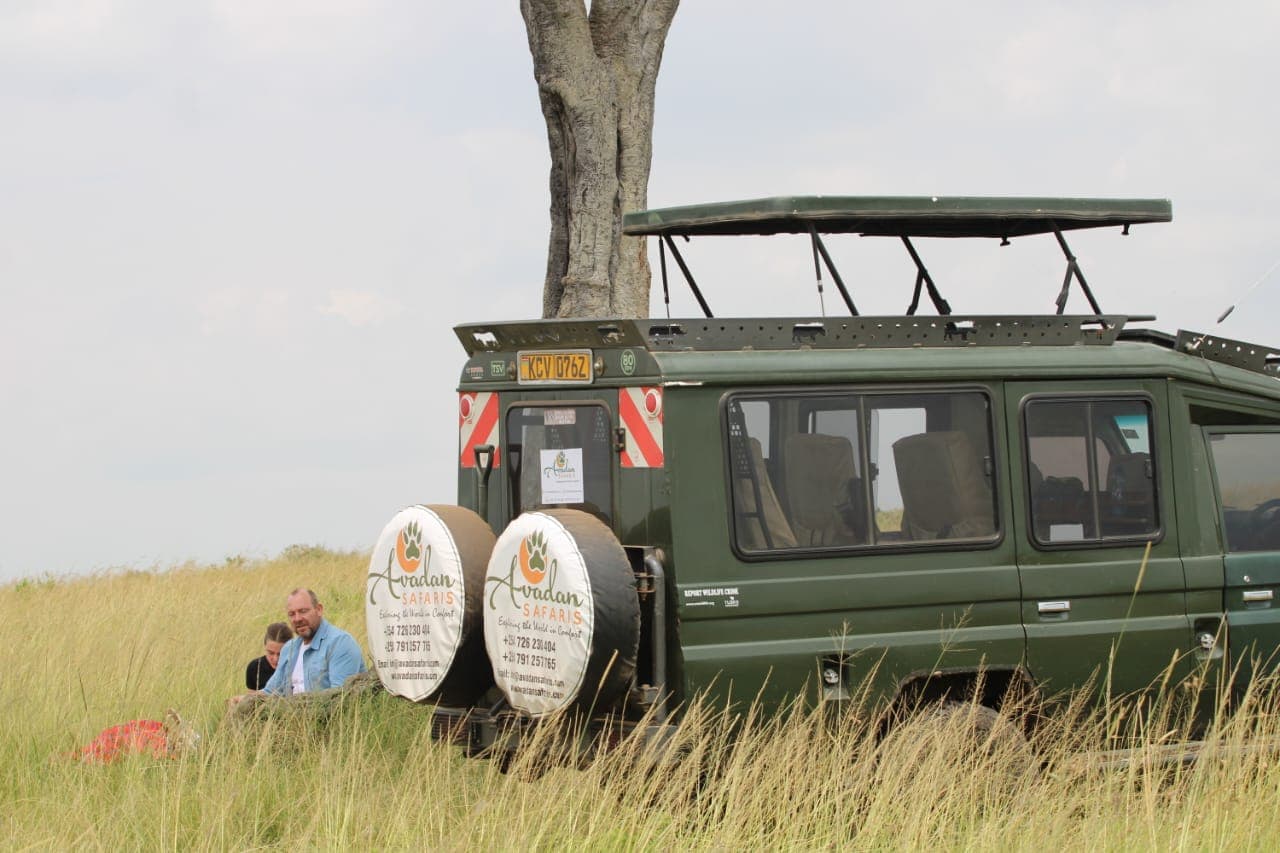
4-Day Big Cats, Rhinos & Endless Savannah Magic
by Avadan Safaris • 4 Days
References
Pack Lightly, Learn the Customs, Join a Tour: Tips for Solo Women Travelers - The New York Times
The 9 Best Luxury Carry-On Luggage of 2024 - CNN Underscored
Micato Safaris Debuts A Trip To View-And Help-Elephants In Kenya - Forbes
10 Best Travel Deals at Amazon's Premium Outlet - Travel + Leisure
Wayfairer Travel Launches Bespoke 13-Day Summer Itinerary - Travel Weekly
These Products Make Traveling Easier Than Ever - SELF Magazine