Complete budget traveler's guide to Botswana safari under $2500 per person without compromising experience
You can experience an incredible Botswana safari for under $2500 per person by choosing shared game drives, mid-range lodges, and strategic timing. This budget allows you to see abundant wildlife, enj
Budget Botswana Safari Under $2500
You can experience an incredible Botswana safari for under $2500 per person by choosing shared game drives, mid-range lodges, and strategic timing. This budget allows you to see abundant wildlife, enjoy guided activities like mokoro canoe rides, and create unforgettable memories without breaking the bank.
Introduction: Your Affordable Botswana Safari Awaits
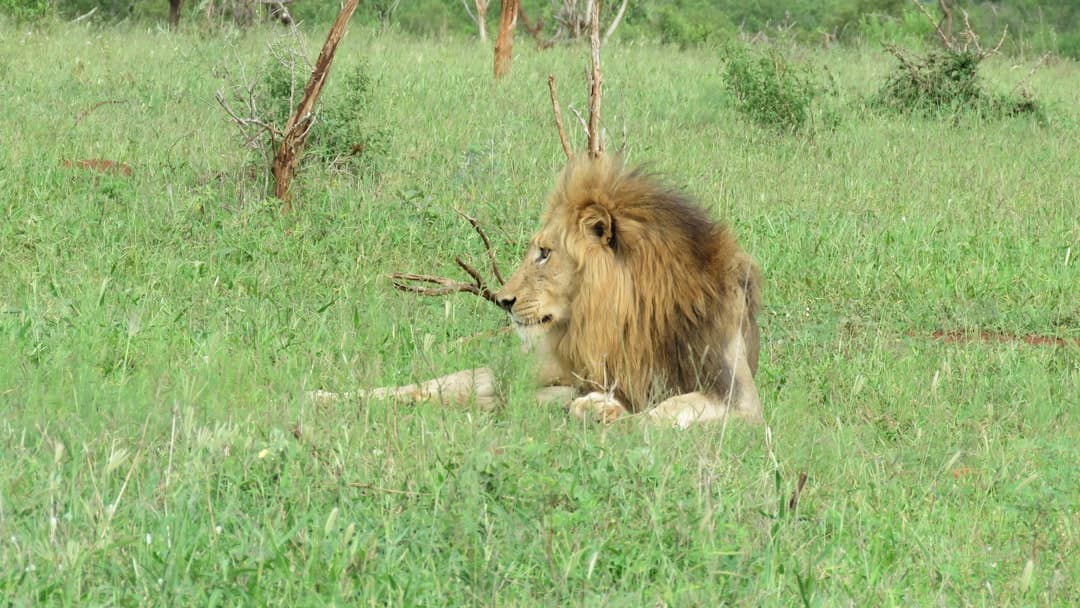
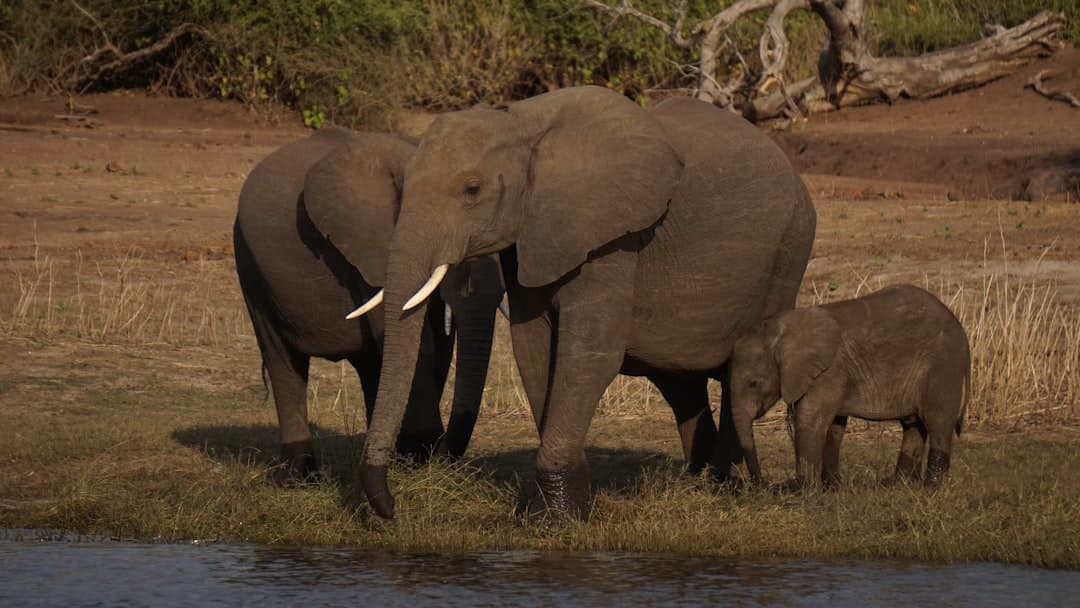
A budget Botswana safari under $2500 per person is more achievable than you might think. Many travelers believe safari experiences require luxury prices, but Botswana offers incredible wildlife viewing at mid-range prices. You'll see lions, elephants, buffalo, and countless bird species while staying within your budget.
This guide shows you exactly how to plan a memorable safari without spending a fortune. We'll cover accommodation options, game drive strategies, meal planning, and insider tips from experienced travelers. By the end, you'll have a complete roadmap to book your dream safari with confidence.
Botswana attracts honeymooners, families, and adventure seekers because it delivers genuine African experiences at reasonable costs. The country's diverse landscapes—from the Okavango Delta to the Kalahari Desert—offer world-class wildlife encounters. Your $2500 budget stretches further here than in many other safari destinations.
What Makes a Budget Botswana Safari Under $2500 Possible?
Understanding Your Daily Budget Breakdown
Your $2500 budget typically covers 7 to 10 days of safari experiences. This means you'll spend roughly $250 to $350 per day on accommodation, meals, and activities combined. This budget will usually afford shared game drives set at specific times of the day. [2] You'll join other travelers rather than booking a private vehicle, which significantly reduces costs.
Mid-range lodges and camps form the foundation of budget safaris. These facilities provide comfortable rooms, good food, and experienced guides without the premium prices of luxury resorts. You get clean bedding, hot showers, and reliable service—everything you need to enjoy your safari fully.
Shared Game Drives vs. Private Vehicles
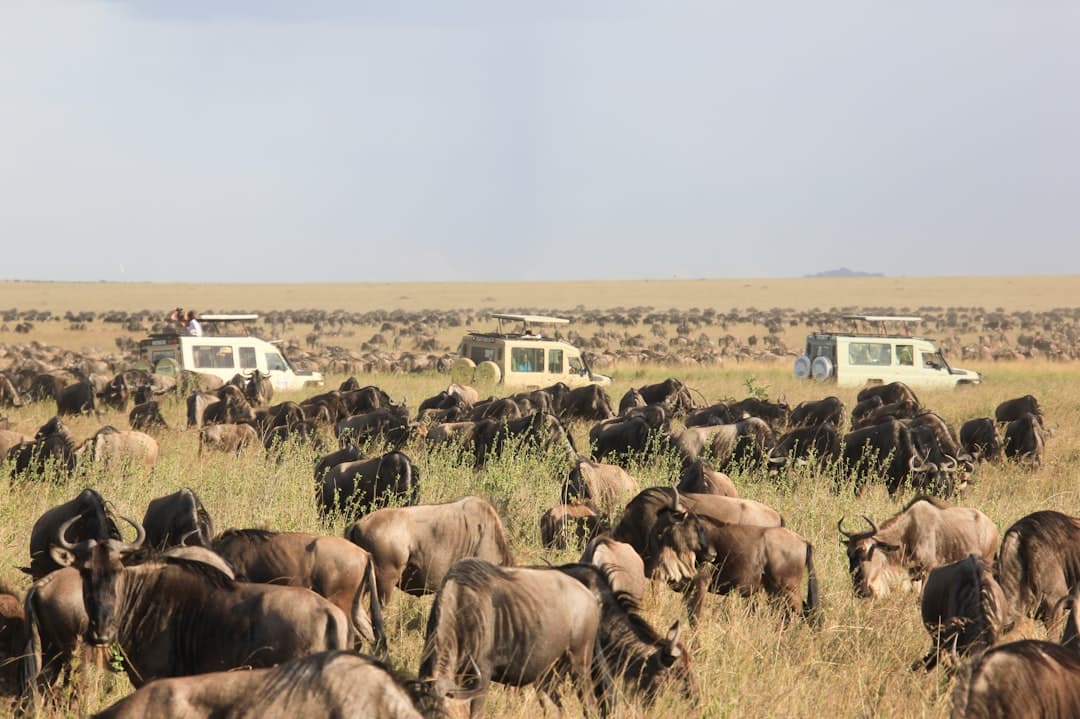
Shared game drives are your biggest cost-saver. Instead of hiring a private vehicle for your group alone, you join 4 to 6 other travelers. Your guide knows the best wildlife spots and can navigate around other vehicles to find animals. Wildlife sightings may be limited compared with luxury safaris in private game reserves or conservancies. [2] However, the difference is minimal—you'll still see incredible wildlife regularly.
Private game reserves charge premium prices because they limit vehicle numbers. Shared drives in national parks and public areas still deliver excellent animal encounters. Many budget travelers report seeing more animals than expected because guides work together to share sighting locations via radio.
The Role of Accommodation Choices
Your lodging decision determines your daily costs. Budget options range from $80 to $150 per night. These include basic chalets, comfortable tents with en-suite bathrooms, and simple lodge rooms. All provide the essentials: a bed, running water, and a place to rest between game drives.
Mid-range accommodations often include meals in their rates. Breakfast, lunch, and dinner are typically served at the lodge. Meals are also rather basic, compared with high-end safari accommodations. [2] However, the food is filling, nutritious, and often features local specialties. You won't go hungry, and you'll taste authentic Botswana cuisine.
Main Information: Planning Your Budget Safari Strategy
Choosing the Right Camp or Lodge
Desert & Delta Safaris focus on affordable luxury is appealing to budget-conscious travelers, providing immersive African safari adventures at an attractive price point. [3] They specialize in creating memorable experiences without inflated costs. Their packages typically include accommodation, meals, and guided activities.
Linyanti Bush Camp offers an exceptional experience at mid-range prices. At Linyanti, you'll navigate waterways in traditional mokoro canoes, a unique activity that luxury camps charge extra for. [1] Activities Linyanti isn't just about game drives (though there are at least two a day and guests are sure to see tons of animals); it's an immersive experience where you'll walk along the delta and explore on foot with expert guides. [1]
When selecting accommodation, prioritize camps that include activities in their rates. Some charge separately for mokoro rides, night drives, or bush walks. Camps bundling these activities into package prices stretch your budget further.
Timing Your Visit for Maximum Value
Travel during shoulder seasons—April to May and September to October—for the best budget rates. Camps offer discounts during these periods because fewer tourists visit. However, wildlife viewing remains excellent. Rain falls during shoulder seasons, which actually improves animal sightings because vegetation grows and animals concentrate near water sources.
Avoid peak season (July to August) when prices surge 30 to 50 percent. Budget travelers often find better value booking 3 to 6 months in advance. Early booking also gives you access to last-minute package deals from verified tour operators on SafariFind.
Transportation and Getting Around
Domestic flights between safari camps add $200 to $400 to your budget. Some budget travelers skip internal flights and use road transfers instead, though these take longer. International flights to Botswana typically cost $600 to $1200 from the United States or Europe, depending on your departure city.
Many budget packages include internal flights and transfers. Compare total costs carefully—sometimes an all-inclusive package costs less than booking components separately. SafariFind's verified operators provide transparent pricing that shows exactly what's included.
Practical Guide: Making Your Budget Safari Happen
Getting Started: Research and Booking
Start by browsing safari packages on SafariFind to compare verified operators and their offerings. Read authentic reviews from previous travelers to understand what each camp provides. Look for operators specializing in budget and mid-range safaris rather than luxury properties.
Request quotes from at least three verified operators. Ask specific questions: What's included in the daily rate? Are activities like mokoro rides, night drives, and bush walks included? What meals are provided? Are internal flights included? Clear answers help you compare true costs.
Book directly with camps when possible to avoid middleman markups. Many budget camps offer better rates for direct bookings than through travel agencies. However, reputable travel agencies on SafariFind sometimes negotiate exclusive discounts you can't find elsewhere.
Money-Saving Strategies
Travel with a friend or family member to maximize group discounts. Many camps offer reduced rates for groups of 4 or more. Two people traveling together can sometimes negotiate better prices than solo travelers.
Bring your own snacks and drinks. While meals are included, having extra snacks prevents expensive lodge shop purchases. Many travelers save $100 to $150 by bringing granola bars, nuts, and instant coffee from home.
Skip premium add-ons like helicopter tours or spa treatments during your first visit. Focus on core experiences: game drives, walks, and mokoro canoe rides. You can always upgrade these experiences on future safaris.
Consider visiting during green season (November to March). Rain deters many tourists, so camps slash prices dramatically. You'll encounter fewer other visitors and see incredible bird life. Pack a rain jacket and embrace the adventure.
What to Expect on Budget Game Drives
Budget game drives typically run 5 to 7 hours daily—early morning and late afternoon. Your guide will drive slowly, scanning for wildlife. You'll hear radio chatter as other guides share animal locations. This communication system ensures all visitors see major wildlife highlights.
Expect to see big cats, elephants, buffalo, giraffe, and zebras regularly. Sightings vary by season and location. Some days bring dramatic predator encounters; other days focus on scenic landscapes and bird watching. This unpredictability is part of safari's magic.
Guides on budget safaris are highly trained professionals. They've spent years learning animal behavior, tracking techniques, and local ecology. Your experience depends largely on your guide's knowledge and enthusiasm. Reading reviews helps you choose camps known for excellent guides.
Accommodation and Meals Reality Check
Budget lodge rooms are simple but clean. Expect twin beds, basic furniture, and en-suite bathrooms with hot water. Air conditioning may not be available—many camps use fans and natural ventilation. Rooms are designed for sleeping and changing, not extended lounging.
Meals are served communally in dining areas. Breakfast includes eggs, bread, fruit, and coffee. Lunch might feature chicken, rice, and vegetables. Dinner typically offers meat-based dishes with starches and salads. Vegetarian options are available if requested in advance.
The food is authentic and satisfying. You won't experience gourmet cuisine, but you'll eat well and stay energized for game drives. Many budget travelers actually prefer this simple, honest approach to meals.
Maximizing Your $2500 Budget: Additional Considerations
Water and Environmental Responsibility
Botswana faces water scarcity challenges. Responsible camps manage water carefully. The camp's eight mobile units, dubbed "Rovers," are solar-powered and carefully engineered to minimize environmental impact. Fresh water is transported from designated sources to avoid straining local resources, while waste management adheres to strict environmental standards. [5]
As a budget-conscious traveler, you're already making an environmentally friendly choice. Fewer visitors per guide means less impact on wildlife and landscapes. Take short showers and reuse towels to support conservation efforts.
Travel Insurance and Health Considerations
Budget $50 to $100 for travel insurance covering trip cancellations and medical emergencies. Malaria prevention is essential—consult your doctor about antimalarial medication. Budget $30 to $50 for medications. Vaccinations like yellow fever may be required; check current requirements before booking.
Pack a basic medical kit with pain relievers, antihistamines, and stomach remedies. Lodges have first aid supplies, but having personal medications prevents delays. Travel insurance isn't optional—it's essential protection for your investment.
Packing Smart for Budget Safaris
Pack neutral-colored clothing for game drives—earth tones like khaki, brown, and green blend into the landscape and don't startle animals. Bring lightweight layers because early mornings are cool and midday is hot. One pair of binoculars is essential; many budget travelers share one pair among their group.
Quality sunscreen, a hat, and sunglasses are non-negotiable. The African sun is intense. Comfortable hiking boots work for bush walks and lodge grounds. Pack light to avoid excess baggage fees on small charter planes.
Real-World Example: A Week-Long Budget Safari Breakdown
Sample 7-Day Itinerary and Costs
Day 1: International flight ($700-$1000) and transfer to lodge. Night at budget lodge ($100). Day 2-6: Daily rate of $300 per day including accommodation, all meals, and two game drives ($1500 for five days). Day 7: Transfer to airport and flight home.
This example totals approximately $2300 to $2600 for one person. Adding $200 for tips, drinks, and incidentals keeps you near your $2500 limit. Solo travelers might spend slightly more per person; groups of 4 often spend less through group discounts.
Many budget operators offer packages combining multiple camps. A 10-day trip visiting two different areas costs roughly $2400 to $2500 per person. This allows you to experience both the Okavango Delta and the Kalahari or Makgadikgadi Pans.
Where Your Money Goes: Transparency Matters
Accommodation: $80-$120 per night (40% of budget). Food: Included in lodge rate. Game drives: Included in daily rate. Internal flights: $200-$400 per trip (if needed). Tips and extras: $150-$200.
SafariFind's verified operators provide detailed breakdowns. You know exactly what's included and what costs extra. This transparency prevents surprise charges and helps you plan accurately.
Key Takeaways
Choose shared game drives over private vehicles to cut costs by 50-60% while still seeing abundant wildlife regularly and benefiting from guide radio networks that share animal locations.
Travel during shoulder seasons (April-May or September-October) to access 30-40% discounts on accommodation while enjoying excellent wildlife viewing and fewer crowds at your safari camp.
Book all-inclusive packages that bundle accommodation, meals, and activities rather than paying separately for each component, which prevents hidden charges and stretches your $2500 budget further.
Research verified operators on SafariFind and read authentic traveler reviews before booking to ensure your chosen camp delivers quality guides, good food, and reliable activities included in your daily rate.
Pack strategically and skip premium add-ons on your first safari to maximize core experiences like game drives and mokoro canoe rides, leaving budget room for future trips to explore helicopter tours or other premium activities.
Frequently Asked Questions
Can I really see good wildlife on a budget safari in Botswana?
Yes, absolutely. Budget safaris use the same national parks and wildlife areas as luxury operators. Shared game drives are led by expert guides who know where animals congregate. You'll see lions, elephants, buffalo, and hundreds of bird species regularly. The main difference from luxury safaris is smaller group sizes and fewer exclusive viewing spots, not wildlife quality.
What's included in the daily rate for budget safari packages?
Most budget packages include accommodation, all meals (breakfast, lunch, dinner), and at least two game drives daily. Many also include activities like mokoro canoe rides, bush walks, and night drives. Always confirm what's included before booking. Some camps charge extra for premium activities or alcohol beverages.
Is it safe to travel to Botswana on a budget safari?
Botswana is one of Africa's safest countries for tourists. Budget camps maintain the same safety standards as luxury properties. Guides are trained in wildlife safety and emergency protocols. Travel insurance is still essential for medical emergencies and trip cancellations. Use verified operators on SafariFind to ensure professional standards.
What's the best time to book a budget Botswana safari?
Book 3-6 months in advance for best rates and availability. Shoulder seasons (April-May and September-October) offer the best value with 30-40% discounts. Green season (November-March) provides even deeper discounts but brings rain. Peak season (July-August) offers premium pricing and full camps, so budget travelers should avoid these months.
Can I combine multiple safari camps in one trip within my $2500 budget?
Yes, many operators offer multi-camp packages. A 10-day itinerary visiting two different areas typically costs $2400-$2500 per person. Internal flights between camps add $200-$400, but many packages include these transfers. This approach lets you experience the Okavango Delta and Kalahari or other combinations in one trip.
How do I choose a verified operator for my budget safari?
Start by browsing SafariFind's verified operators specializing in budget and mid-range safaris. Read authentic traveler reviews focusing on guide quality, food quality, and whether activities were included as promised. Request quotes from multiple operators and compare total costs, inclusions, and cancellation policies before deciding.
Conclusion: Your Budget Safari Adventure Starts Now
A Botswana safari under $2500 per person is absolutely achievable without sacrificing quality or wildlife experiences. By choosing shared game drives, mid-range lodges, and booking during shoulder seasons, you'll create unforgettable memories while staying within budget. The key is strategic planning and choosing verified operators who deliver excellent service at reasonable prices.
Your budget covers everything essential: comfortable accommodation, all meals, expert guides, and daily game drives. You'll navigate traditional mokoro canoes through the Okavango Delta, spot lions on morning drives, and experience authentic African culture. Many budget travelers report their experiences rivaled luxury safaris because they focused on genuine wildlife encounters rather than premium amenities.
Ready to book your budget Botswana safari? Start by exploring safari packages on SafariFind to compare verified operators and read authentic reviews from previous travelers. Request quotes from operators specializing in budget and mid-range experiences. SafariFind's transparent pricing and verified reviews ensure you book with confidence. Your dream safari is waiting—at a price that works for your budget.
Plan Your Safari with SafariFind
These recommendations use real data from SafariFind, where you can compare operators, browse packages, and read verified traveler reviews before you book.
Recommended Safari Packages from SafariFind
Okavango Delta Wilderness: 3-Day Escape
Okavango Delta Wilderness: 3-Day Escape • $1,500 • 3 days • by Regal Roams Africa
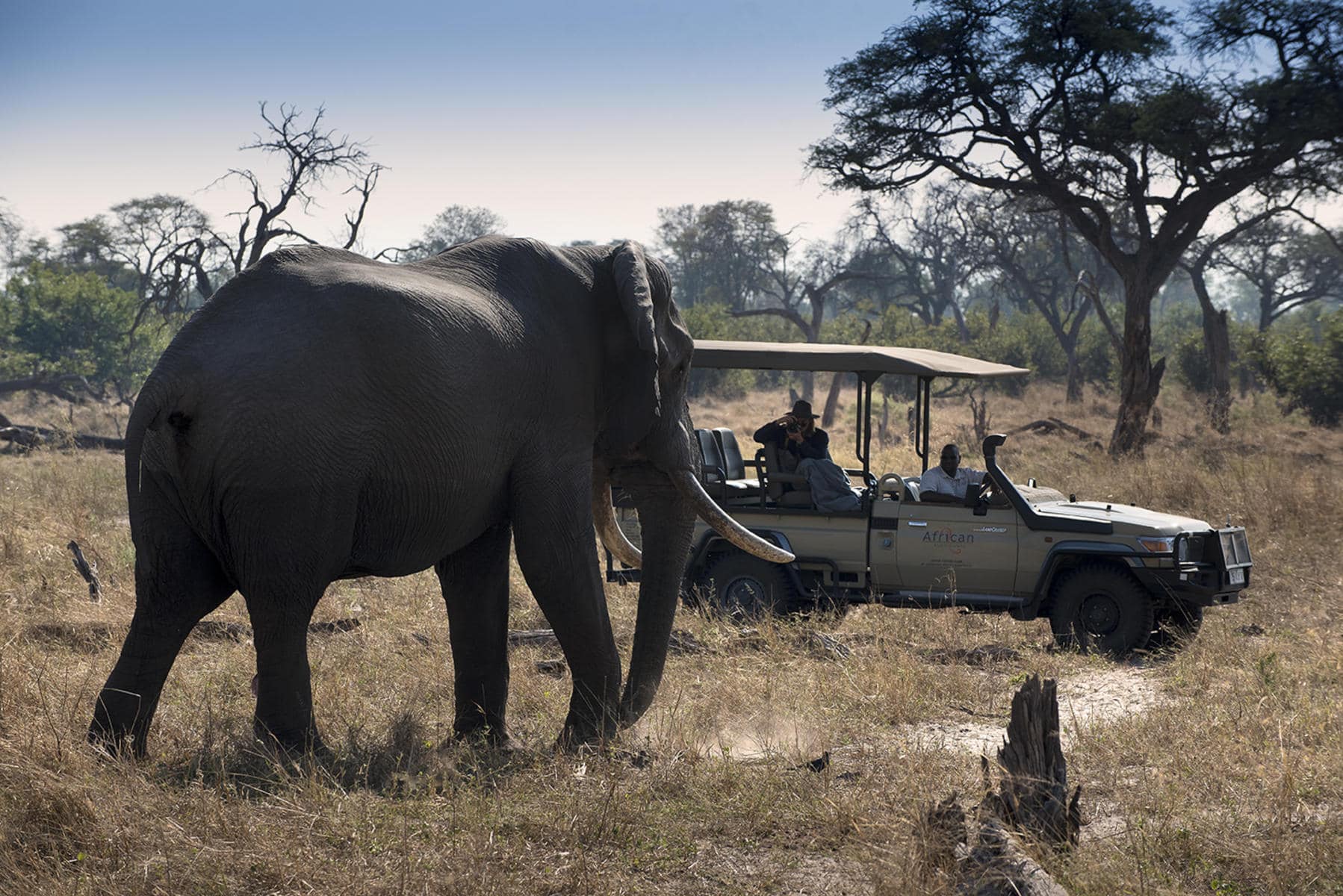
Okavango Delta Wilderness: 3-Day Escape
by Regal Roams Africa • 3 Days
References
Forbes: Why Botswana's Linyanti Bush Camp Should Be On Your Safari Bucket-List
CNBC: Luxury safaris are changing — here's what affluent travelers want now
Travel Weekly: Desert and Delta Safaris strengthen ties in ANZ
AOL: More wealthy travelers are going on luxury safaris — some for more than $2,500 a day
Travel Weekly: Luxury safari operator expands its Roving Bushtops into the northern Serengeti