What's the Best Time to Visit Etosha for Ethical Rhino Viewing Tours with Certified Conservation Operators?
Visit Etosha National Park from December to June (excluding holidays) for the best ethical rhino viewing with certified conservation operators. This low season offers smaller crowds, excellent wildlif
Best Time for Ethical Rhino Tours in Etosha
Visit Etosha National Park from December to June (excluding holidays) for the best ethical rhino viewing with certified conservation operators. This low season offers smaller crowds, excellent wildlife viewing, and direct support for Namibia's community-based conservation efforts that protect the world's largest black rhino population.
What Is the Best Time to Visit Etosha for Ethical Rhino Viewing?
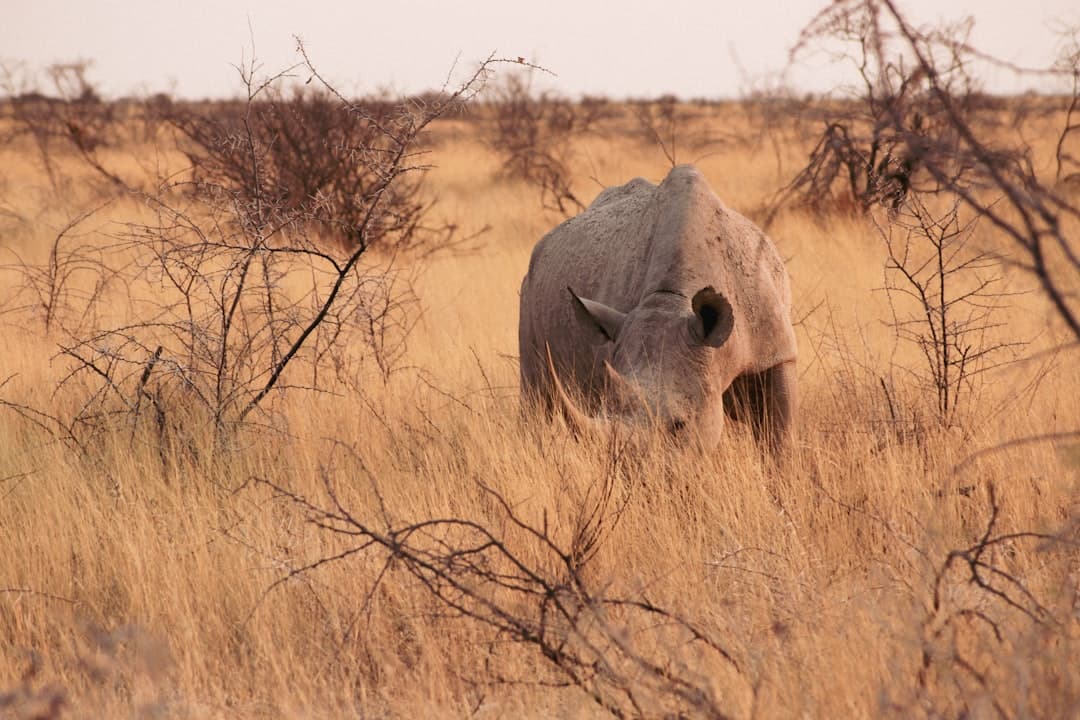
Etosha National Park in Namibia is one of Africa's most important rhino sanctuaries. The park hosts the world's highest population of black rhinos, along with elephants, lions, and leopards. [4] Choosing when to visit matters for both wildlife and ethics.
The best time to visit Etosha for ethical rhino viewing is during the low season from December 1 to June 30, excluding Christmas and Easter. [3] This period offers multiple advantages for responsible travelers. Fewer tourists mean less stress on animals and more intimate wildlife encounters.
During these months, water sources shrink across the park. Rhinos and other animals gather at remaining waterholes, making them easier to spot. Your guide can predict where wildlife will congregate, improving your viewing odds without disturbing animals.
Weather during the low season is warm and pleasant. December through February brings occasional rain, which refreshes the landscape and attracts more wildlife. March through June features dry, cool mornings and warm afternoons—ideal safari conditions.
Why Ethical Operators Matter for Rhino Conservation
Not all safari operators support rhino protection equally. Choosing a conservation-minded operator makes a real difference. [1] An ethical operator has ties to local communities, employs well-trained guides, and channels tourism revenue into wildlife protection.
Namibia's community-based conservancy system is globally recognized for connecting tourism directly to conservation. [5] When you book through certified operators, your money funds anti-poaching teams, habitat protection, and community development programs.
Etosha Heights Private Reserve demonstrates this commitment. As a designated Black Rhino Custodian area, it protects both black and white rhino populations with 24/7 anti-poaching teams. [8] The reserve uses camera surveillance, advanced monitoring technology, and even gyrocopter patrols to prevent poaching.
These investments are critical. Rhino poaching remains a global crisis, with over 100 rhinos killed in South Africa's first three months of 2025 alone. [7] Supporting ethical operators in Namibia directly counters this threat.
Low Season Benefits Beyond Wildlife Viewing
Visiting during the low season offers financial and experiential benefits. Onguma Private Game Reserve, which borders Etosha, launched its So-Low Safari package specifically for this period. [3] The package waives single-supplement fees from December 1 to June 30, making solo travel more affordable.
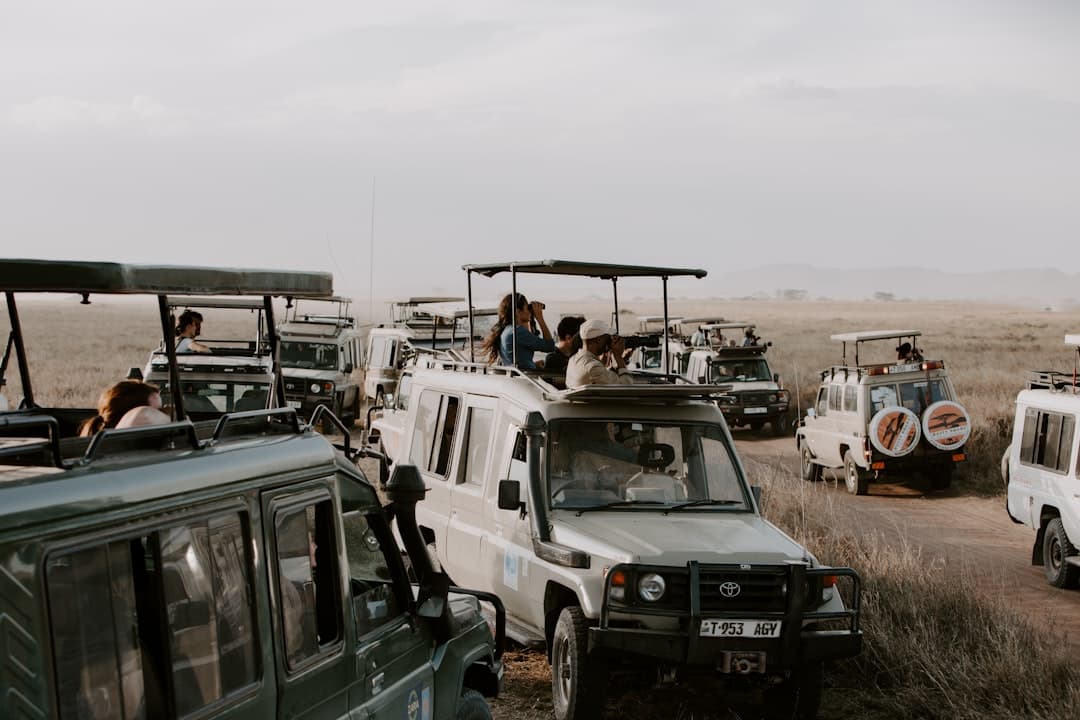
Smaller crowds mean personalized service. Your guide can spend more time explaining animal behavior and conservation efforts. You'll have longer viewing windows without competing with dozens of other vehicles.
The low season also supports local communities more fairly. Tourism revenue flows more evenly throughout the year, providing stable income for guides, lodge staff, and conservancy members.
How to Identify Certified Conservation Operators
Finding a truly ethical operator requires research. Liesel van Zyl, head of positive impact at Go2Africa—a company vetting around 1,000 African partners since 1998—explains: "It's not always easy to tell upfront." [2] Go2Africa conducts thorough audits to verify operators' conservation credentials and community ties.
Key Certification Markers to Look For
Certified conservation operators share common traits. They partner with local conservancies and employ community members as guides and staff. They maintain transparent pricing that shows how revenue supports conservation.
Look for operators with anti-poaching team connections. Some work directly with reserve management to fund ranger patrols. Others support research programs tracking rhino populations and behavior.
Legitimate operators limit vehicle numbers in the park daily. They follow strict viewing distance guidelines to minimize animal stress. They provide guides trained in wildlife biology and conservation history, not just driving skills.
Check for third-party certifications. Organizations like the International Tourism Board and Africa's ethical tourism networks verify operator practices. SafariFind's verified operators include detailed reviews from past travelers who can confirm conservation commitments. [Browse verified Etosha operators on SafariFind](/operators) to compare certifications and authentic guest feedback.
Questions to Ask Potential Operators
Before booking, contact operators directly. Ask what percentage of your tour fee supports conservation. Ethical operators answer this transparently—usually 10-20% of revenue funds anti-poaching and habitat protection.
Ask about guide training. Do they study wildlife biology and conservation? How long have they worked in Etosha? Experienced guides with conservation backgrounds provide better experiences and support local employment.
Inquire about daily vehicle limits. Responsible operators cap vehicles per viewing area to prevent wildlife stress. They can explain how they coordinate with other guides to protect animals.
Ask about community partnerships. Which local conservancies does the operator support? Can they name specific conservation projects your money funds? Vague answers suggest weak community ties.
Request references from recent travelers. SafariFind makes this easy—read authentic reviews from verified guests who've taken these tours. Look for specific mentions of guide quality, wildlife encounters, and conservation impact.
Planning Your Ethical Etosha Rhino Viewing Experience
Seasonal Weather and Wildlife Patterns
December to February brings warm temperatures and occasional rain. Daytime highs reach 28-32°C (82-90°F). The landscape turns green, attracting diverse herbivores. Rhinos are more mobile during this period, but you'll still spot them at waterholes.
March to May offers cooler temperatures and dry conditions. Daytime highs range from 24-28°C (75-82°F). This is peak rhino viewing season. Animals concentrate around permanent waterholes as temporary water sources dry up.
June brings the coolest weather, with mornings around 10-15°C (50-59°F) and afternoons around 22-26°C (72-79°F). Winter visibility is excellent, and wildlife viewing remains outstanding. Fewer tourists mean the most peaceful safari experience.
Duration and Itinerary Recommendations
A minimum three-day visit allows proper Etosha exploration. Day one acclimates you to the landscape and guide. Days two and three provide multiple game drives at different times, maximizing rhino sightings.
Five to seven days is ideal for ethical tourism. Longer stays reduce environmental impact per animal encounter. You'll understand conservation challenges more deeply through extended guide interactions.
Include time outside Etosha with community conservancies. Namibia's system protects 40% of the country through community land. Many certified operators offer combination packages visiting both Etosha and adjacent private reserves like Onguma or Etosha Heights.
Request guides who specialize in rhino behavior. Some operators employ former anti-poaching rangers who understand rhino movement patterns intimately. These guides provide unmatched insight and directly support conservation employment.
What to Pack and Prepare
Bring binoculars—essential for distant rhino spotting without approaching animals. Pack neutral-colored clothing that blends with the landscape. Avoid bright colors that startle wildlife.
Sunscreen, hats, and sunglasses protect against intense African sun. Bring a good camera with a zoom lens if you're interested in photography. However, prioritize actual viewing over photos—guides appreciate guests who watch rather than constantly film.
Pack medications for altitude and heat. While Etosha isn't high altitude, the dry climate affects some travelers. Bring electrolyte supplements and extra water.
Research your operator's specific requirements. Some provide all gear; others expect you to bring items like binoculars. Confirm vehicle types—open-sided vehicles offer better wildlife viewing than enclosed ones.
Booking Through SafariFind for Verified Operators
SafariFind connects you with certified conservation operators offering Etosha rhino tours. The marketplace lists detailed package information, pricing, and authentic guest reviews. You can compare multiple operators' conservation credentials and traveler feedback side-by-side.
Use SafariFind to request quotes from verified operators. Explain your interest in ethical practices and conservation support. Operators competing on SafariFind are motivated to highlight their conservation work and community partnerships.
Read reviews from verified travelers who've taken these tours. Look for specific mentions of guide expertise, rhino sightings, and conservation impact. SafariFind's review system helps identify operators truly committed to ethical practices.
Supporting Namibia's Conservation Success Story
Namibia's approach to wildlife tourism is globally unique. The country's community-based conservancy system channels tourism revenue directly into wildlife protection and rural development. [5] This model has made Namibia a conservation leader.
The results are measurable. Namibia maintains the world's highest black rhino population. [4] This success stems from combining strict protection with economic incentives for local communities. When rural people benefit from living rhinos, they protect them.
Your ethical tour choice reinforces this system. Every dollar spent with certified operators funds the anti-poaching teams, monitoring technology, and community programs that keep Namibia's rhinos safe.
By visiting during the low season with conservation-focused operators, you maximize your impact. Smaller visitor numbers mean less environmental stress. Off-season tourism provides steady income that supports year-round conservation work.
Consider extending your visit beyond typical safari activities. Some operators offer conservation volunteering opportunities. You might help with wildlife monitoring, habitat restoration, or anti-poaching education. These experiences deepen your understanding of conservation challenges and create direct community connections.
Key Takeaways
Visit December to June (excluding holidays) for optimal rhino viewing, smaller crowds, and concentrated wildlife at waterholes—the low season is peak season for ethical tourism.
Verify operator conservation credentials by asking what percentage of fees funds anti-poaching teams, checking community partnerships, and reading verified reviews on SafariFind before booking.
Choose certified operators with ties to local conservancies who employ community guides and support Namibia's globally recognized community-based conservation system that protects the world's largest black rhino population.
Plan for at least three days, ideally five to seven to minimize environmental impact, maximize rhino encounters, and develop meaningful relationships with expert guides who understand conservation.
Use SafariFind to compare verified operators and request quotes from multiple certified conservation companies, then read authentic traveler reviews to identify the operator that best matches your ethical tourism values.
Frequently Asked Questions
What month is best for seeing rhinos in Etosha?
March through May offers the best rhino viewing. Dry season concentrates animals at permanent waterholes. Combined with fewer tourists than peak season, these months provide excellent sightings and ethical tourism. December to June works well overall, but avoid Christmas and Easter weeks when crowds increase.
How do I know if a safari operator is truly ethical?
Ethical operators clearly explain how tourism revenue funds conservation—typically 10-20% of fees. They partner with local conservancies, employ trained guides, limit daily vehicles, and maintain viewing distance guidelines. Verify certifications through third-party organizations and read verified guest reviews on SafariFind describing conservation impact.
Is Etosha safe for rhino viewing without disturbing them?
Yes, when visiting with certified operators. Professional guides maintain safe distances and understand rhino behavior. Etosha's size (22,270 square kilometers) accommodates visitors when numbers are limited. The low season's smaller crowds naturally reduce animal stress compared to peak tourism periods.
How much does an ethical Etosha rhino tour cost?
Prices vary by duration and operator. Onguma Reserve's So-Low Safari package waives single-supplement fees during the low season, making solo travel more affordable. Three-day packages typically range from $1,500-$3,000. Request quotes from SafariFind's verified operators to compare specific pricing for your dates.
What is Namibia's community conservancy system?
Namibia's community-based conservancy system protects 40% of the country by giving rural communities direct economic benefits from wildlife tourism. Revenue funds anti-poaching teams, habitat protection, and community development. This model has made Namibia a global conservation leader with the world's largest black rhino population.
Can I volunteer with conservation efforts during my tour?
Some certified operators offer conservation volunteering opportunities including wildlife monitoring, habitat restoration, and anti-poaching education. These experiences deepen your understanding of conservation challenges and create direct community connections. Ask your operator about volunteering options when requesting a quote.
Why is the low season better for ethical tourism?
The low season (December to June, excluding holidays) means fewer tourists, which reduces environmental stress on wildlife. Animals aren't disturbed by excessive vehicle traffic. Tourism revenue distributes more evenly throughout the year, providing stable income for guides and conservancy staff. You'll also enjoy more personalized service and authentic wildlife encounters.
Conclusion
Visiting Etosha National Park during the low season with certified conservation operators offers the best ethical rhino viewing experience. From December through June, you'll encounter Namibia's world-leading black rhino population while supporting the community-based conservancy system that protects them. [4] [5] The smaller crowds, concentrated wildlife, and personal guide attention create meaningful encounters that respect both animals and local communities.
Your choice of operator matters profoundly. Certified conservation operators with transparent practices, community partnerships, and anti-poaching commitments directly fund the protection that keeps Namibia's rhinos safe. [1] [2] These operators employ local guides, limit environmental impact, and maintain the ethical standards that make tourism a conservation tool rather than a threat.
Ready to plan your ethical Etosha adventure? Explore verified safari packages on SafariFind featuring certified conservation operators specializing in rhino viewing tours. Compare authentic guest reviews, conservation credentials, and pricing from multiple operators. Request quotes from verified Etosha operators today to find your perfect low-season safari experience. Your journey supports rhino protection, community development, and Namibia's proven conservation success.
References
Sustainable Travel Is On The Rise, But How To Spot Ethical Wildlife Tours? - Forbes
Namibia's Onguma Reserve safari package courts solo travelers - Travel Weekly
Ethical tourism is on the rise – here's where to go and how to help - Travel Weekly Australia
7 Trends Safari Operators in Africa Are Seeing For 2024 - Skift Travel News