
Rwanda Vaccinations & Health Rules 2026 for Chinese Travellers
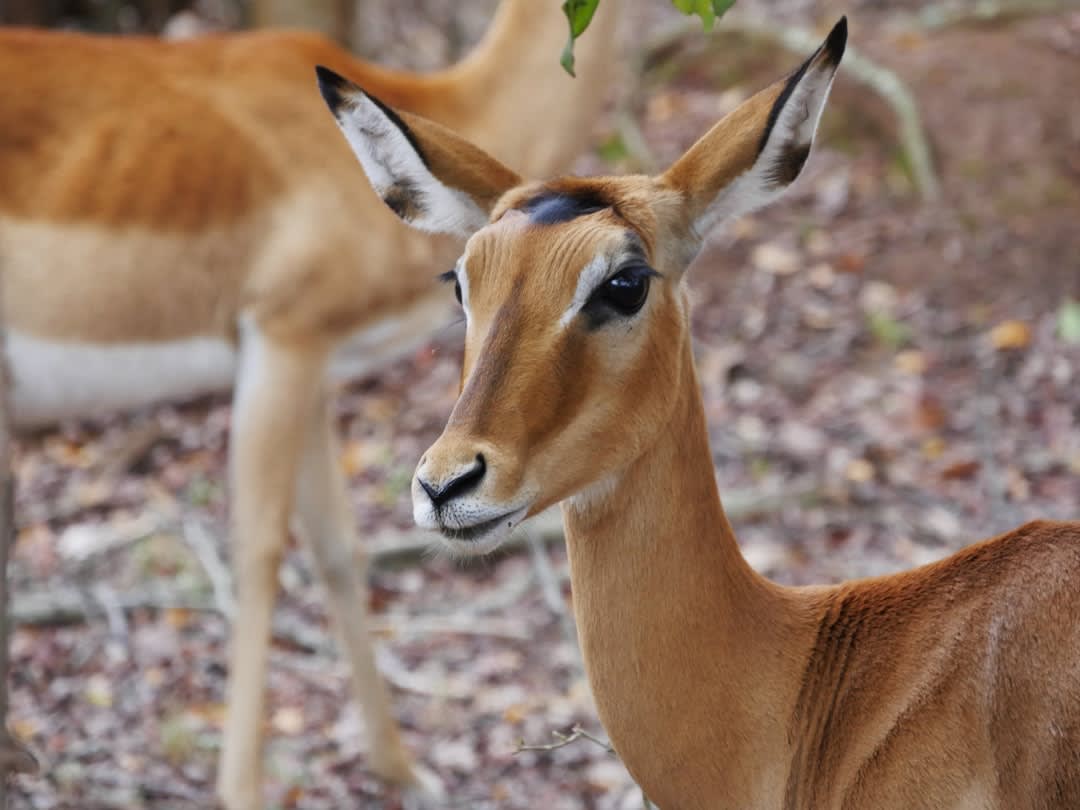
Chinese travellers flying directly from China to Rwanda generally do not need a yellow fever certificate, provided they have not travelled through a country with yellow fever transmission risk. Routine vaccines, food-and-water precautions, mosquito-bite protection and personalised malaria advice remain important for a Rwanda safari.
Quick answer: Chinese travellers arriving in Rwanda directly from China generally do not need to show a yellow fever vaccination certificate if their itinerary has not included a country with yellow fever transmission risk or an active outbreak. Rwanda requires proof for travellers arriving from yellow-fever-endemic or active-transmission countries, while CDC guidance says yellow fever vaccination is required for travellers aged 1 year and older arriving from countries with yellow fever virus transmission risk [1][3].
Before departure, make sure routine immunisations are current and ask a travel-health professional whether hepatitis A, typhoid, rabies, influenza, COVID-19 or other vaccines are appropriate for your route and activities [1][6][9]. Malaria prevention should also be discussed because the need for tablets depends on location, season, length of stay, activities and accommodation [14].
Last checked August 2026 — always confirm with official sources before travelling.
Vaccination checklist for Chinese travellers to Rwanda
| Vaccine or health measure | Entry requirement or travel-health advice |
|---|---|
| Yellow fever | Generally not required when arriving from China without travel through a yellow-fever-risk country. Required for travellers aged 1 year and older arriving from countries with yellow fever transmission risk [1][3]. |
| Routine vaccines | Be up to date before every trip. CDC highlights routine immunisation and current COVID-19 vaccination as part of travel preparation [1]. |
| Typhoid | Recommended for many travellers, especially those staying with friends or relatives or visiting smaller cities and rural areas [1]. |
| Hepatitis A | Discuss vaccination with a travel-health provider; it is commonly recommended for travel to Rwanda and other destinations where food and water may present exposure risks [6][9]. |
| Cholera | Cholera is rare in travellers, but active transmission areas have been localised to Rwanda’s Western Province in the CDC information supplied. Vaccination may be considered for travellers visiting an active-transmission area or with specific risk factors [1]. |
| Rabies, hepatitis B, influenza and meningococcal disease | Consider these according to your health, length of stay, contact with animals, planned activities and possible exposure to blood or medical treatment [6][9][10]. |
Vaccines are not all mandatory entry conditions. A vaccine can be recommended for personal protection even when Rwanda does not require its certificate at the border. Your age, medical history, previous vaccinations, safari route and whether you will trek, work with animals or receive medical care abroad affect the appropriate plan [3][6].
Yellow fever certificate rules for travellers from China
Direct travel from China
Rwanda’s yellow fever rule is itinerary-based rather than simply passport-based. The Rwanda Biomedical Centre states that a certificate is not required for residents or non-residents arriving from a non-endemic country without an active yellow fever transmission outbreak. It states that a certificate is mandatory for travellers arriving from a yellow-fever-endemic country or a country with an active outbreak [3].
Therefore, a traveller departing China directly, without visiting or transiting through a relevant risk country, would generally not need a yellow fever certificate for entry. Check the current WHO country list and Rwanda’s official guidance before departure, particularly if your ticket includes a connection elsewhere [2][3].
Connecting through another country
A connection can change the documentation position. CDC guidance says travellers must comply with a country’s entry requirements and that the full itinerary should be considered, including airport transfers that could require passing through immigration or leaving the transit area during a long layover [2]. Travel-health guidance also notes that Rwanda’s certificate rule can apply after leaving or transiting countries with yellow fever transmission risk, with exemptions described for children under 1 and passengers who remain in the transit area [12].
Do not assume that an airport connection is irrelevant. Ask the airline and confirm with Rwanda’s official authorities whether your exact routing creates a yellow fever certificate requirement. This is especially important for itineraries that include East or Central African hubs.
Certificate validity and timing
Where a yellow fever certificate is required, the vaccination must be documented on an International Certificate of Vaccination or Prophylaxis (ICVP). CDC guidance states that a completed ICVP is valid for the life of the vaccinated person under the International Health Regulations [2].
Rwanda Biomedical Centre information states that a certificate is invalid when fewer than 10 days have passed since vaccination; a traveller arriving with such a certificate may be quarantined until it becomes valid [3]. If a traveller arrives from an active-transmission or endemic country without the required certificate, Rwanda’s guidance says vaccination may be provided on arrival and the traveller covers related quarantine or vaccination costs [3]. Confirm the current procedure before relying on vaccination at the border.
For a broader comparison of itinerary-based rules, see Rwanda Vaccinations & Health Rules 2026 for Emirati Travellers.
Recommended vaccinations and when to arrange them
Book a travel-health appointment preferably several weeks before departure. Canadian travel-health guidance recommends consulting a healthcare provider or travel clinic preferably 6 weeks before travel, while noting that an appointment can still be worthwhile when departure is sooner [6].
- Start with routine immunisations. Review measles, mumps and rubella, diphtheria, tetanus, pertussis, polio, varicella, seasonal influenza and other routine vaccines with your clinician [1][6].
- Discuss hepatitis A and typhoid. These are relevant to food-and-water exposure, and typhoid is particularly considered for rural travel, smaller cities and visits with friends or relatives [1][9].
- Consider hepatitis B. It may be relevant if intimate contact, medical treatment, blood exposure or activities involving needles are possible [9].
- Consider rabies. Discuss pre-exposure vaccination if you may work with, handle or spend substantial time near animals, or if access to prompt post-exposure treatment could be difficult [9][10]. Avoid animal bites and scratches regardless of vaccination status.
- Ask about cholera. CDC information describes cholera as rare in travellers and localises active transmission to Western Province in the supplied update. Vaccination may be considered for selected travellers visiting an active-transmission area [1].
- Review yellow fever separately. It is generally not recommended solely because Rwanda is the destination in CDC guidance, but it may be required because of your preceding countries or transit route [1][2].
Vaccination decisions are individual medical decisions. Pregnancy, breastfeeding, immune-system conditions, allergies, age and existing medication can affect which vaccines are suitable; obtain advice from a qualified clinician rather than relying on a destination checklist [3][12].
Malaria in Rwanda: risk, tablets and bite prevention
Malaria prevention depends on your precise itinerary. NaTHNaC states that risk varies with location, season, length of stay, activities and accommodation, and recommends combining mosquito-bite avoidance with antimalarial medication when appropriate [14].
Ask a travel-health professional whether you need chemoprophylaxis for your safari route, including any time spent outside Kigali, in lower-altitude areas or near lakes and parks. The medication choice and schedule depend on your health and the destination; do not self-prescribe or use someone else’s tablets [14].
Reduce mosquito exposure by using repellent, wearing clothing that covers skin, and following accommodation advice about screens or bed nets. Bite prevention remains necessary even when you take antimalarial medicine because no antimalarial is 100% effective [14].
Seek urgent medical assessment for a fever during travel or after returning from a malaria-risk area. Tell the clinician about your Rwanda travel, because malaria can require testing even when preventive medication was taken [10].
Food, water and other everyday health precautions
Food-and-water precautions reduce the risk of diarrhoeal illness, typhoid and cholera. Wash your hands, choose safe food and water, and follow local public-health advice; CDC specifically highlights these measures for cholera prevention [1].
Safari activities can add exposure to animals, insects, sun, altitude and minor injuries. A clinician can tailor advice to gorilla trekking, walking safaris and rural accommodation. If gorilla trekking is part of your plan, compare the health preparation with the practical planning in What are the costs and experiences of gorilla trekking in Rwanda?.
Health documents and travel insurance
Carry your routine vaccination record and, if relevant, your original ICVP yellow fever certificate. Keep digital backups separately from the originals, but do not assume a digital copy replaces a certificate accepted at the border.
Travel insurance is not identified as a requirement in the supplied Rwanda visa guidance, but insurance with medical and evacuation benefits is a sensible precaution for a safari itinerary [4]. Check exclusions for trekking, remote-area evacuation, pre-existing conditions and activities involving animals before purchase.
Chinese citizens should also check the visa process separately from health rules. The supplied visa guidance says Chinese citizens need a Rwanda eVisa and directs applicants to the official Rwanda portal; confirm the current fee, documents and processing information on that portal because those details can change [4]. See Rwanda Visa for Chinese Citizens in 2026: Requirements for the related visa-planning guide.
Medication rules and what to pack
Pack enough regular medication for the trip and keep it in its original labelled packaging with the prescription or a doctor’s letter where available. The supplied Rwanda travel guidance recommends original containers and prescriptions as a practical precaution [13].
- Bring a written list of medicines, active ingredients, doses and allergies.
- Keep essential medication in hand luggage rather than checked baggage.
- Ask a clinician about malaria tablets, rehydration treatment and medicines suitable for your medical history.
- Pack insect repellent, sun protection, a basic first-aid kit and any prescribed travel-health items.
- Do not bring controlled or restricted medicines without checking Rwanda’s current rules with an official authority.
Prescription choices should be made by a clinician. For example, NaTHNaC provides different schedules for doxycycline and mefloquine, showing why timing and suitability cannot be reduced to a single generic instruction [14].
Health facilities and emergencies in Rwanda
Before leaving China, save your insurer’s emergency number, your tour operator’s contact and the contact details for your accommodation. Ask your safari operator how medical assistance and evacuation are handled in remote areas.
The Rwanda Biomedical Centre lists 114 as an emergency contact and provides the email covid@rbc.gov.rw in its traveller information [3]. Confirm the appropriate emergency contact and current public-health instructions before travel, since contact arrangements can change.
If you become seriously ill, injured or develop a fever, seek medical help promptly and explain your travel route, dates, animal contact, mosquito exposure and medicines taken. Travellers with complex medical conditions should discuss Rwanda travel with their treating clinician before booking.
You can compare safari packages on SafariFind after checking that the itinerary, accommodation, transfers and activities match your health needs. Travel plans that include remote trekking or several countries should be reviewed as one itinerary because vaccination and malaria advice may change between destinations.
Verification note: Last checked August 2026 — always confirm with official sources before travelling.
Frequently Asked Questions
Do Chinese citizens need a yellow fever certificate for Rwanda?
Usually not when travelling directly from China without visiting or transiting through a yellow-fever-risk country. Rwanda requires the certificate for travellers arriving from yellow-fever-endemic or active-transmission countries, and CDC guidance applies the requirement to travellers aged 1 year and older in that situation [1][3].
Can a transit stop make a yellow fever certificate necessary for Rwanda?
Yes, it can, depending on the country and whether the transit requires leaving the airport transit area. CDC says the full itinerary and airport transfers should be considered, so confirm the exact routing with Rwanda’s official authorities and your airline [2].
How long before Rwanda travel should I arrange vaccinations?
Aim to speak with a travel-health provider about 6 weeks before departure. This allows time to review routine vaccines and itinerary-specific recommendations, although an appointment can still help when travel is sooner [6].
Is yellow fever vaccination recommended for travel to Rwanda?
CDC guidance says yellow fever vaccination is generally not recommended solely for travel to Rwanda, whose potential exposure is described as low in the supplied CDC information. It may nevertheless be required because of your route through another country [1][2].
What vaccines are recommended for a Rwanda safari from China?
Review routine vaccines and discuss hepatitis A, typhoid, rabies, hepatitis B, influenza, COVID-19 and other vaccines with a clinician. Typhoid is recommended for many travellers, especially those visiting rural areas or smaller cities, while other choices depend on activities and health [1][6][9].
Do I need malaria tablets for Rwanda?
You may need them, but the decision depends on your exact location, season, duration, activities and accommodation. Travel-health guidance recommends discussing antimalarials and combining them with mosquito-bite prevention [14].
What should I do if I get a fever after Rwanda?
Seek prompt medical assessment and tell the clinician that you have travelled in Rwanda and where you went. Malaria testing may be needed after travel to a risk area even if you used preventive medication [10][14].
Is travel insurance required for Chinese citizens visiting Rwanda?
The supplied Rwanda visa guidance says travel insurance is not required, but insurance with medical and evacuation cover is advisable for safari and trekking itineraries [4]. Check exclusions for remote-area evacuation, trekking and pre-existing conditions.
Do Chinese citizens need a visa for Rwanda?
The supplied visa guidance says Chinese citizens need a Rwanda eVisa. Check the official Rwanda portal for the current application requirements, fee and processing information before applying [4].
How long is a yellow fever vaccination certificate valid?
CDC guidance states that a completed International Certificate of Vaccination or Prophylaxis is valid for the life of the vaccinated person under the International Health Regulations [2]. Rwanda’s traveller information also says a certificate issued fewer than 10 days before arrival is not yet valid [3].


