
Safari Guides•22 min read
Namibia Self Drive Safari: 10 Rules for Safer Wildlife Drives

Discover Namibia Self Drive Safari: 10 Rules for Safer Wildlife Drives - Expert guide to safari tourism and wildlife destinations.
Share this article
Discover Namibia Self Drive Safari: 10 Rules for Safer Wildlife Drives - Expert guide to safari tourism and wildlife destinations.

Discover Mozambique Safari & Beach: 3 Routes for August 2026 - Expert guide to safari tourism and wildlife destinations.
Irish citizens require a visa to enter Burundi. Ireland’s official travel advice says tourist and business visas can be obtained on arrival, with a one-month visa costing US$90 and a three-day visa costing US$40; confirm the current rules before departure.

Discover Burundi Safari Lodges 2026: 5 Places to Stay and Compare - Expert guide to safari tourism and wildlife destinations.
Last updated: August 2026
A Namibia self drive safari gives you control over your route, stops, and wildlife viewing pace. The safest approach is to drive on the left, keep headlights on, stay below 80 km/h on gravel roads, keep at least 20 metres from large animals, avoid night driving, and refuel whenever possible. SafariFind connects travelers with verified operators for current package quotes and trusted reviews.
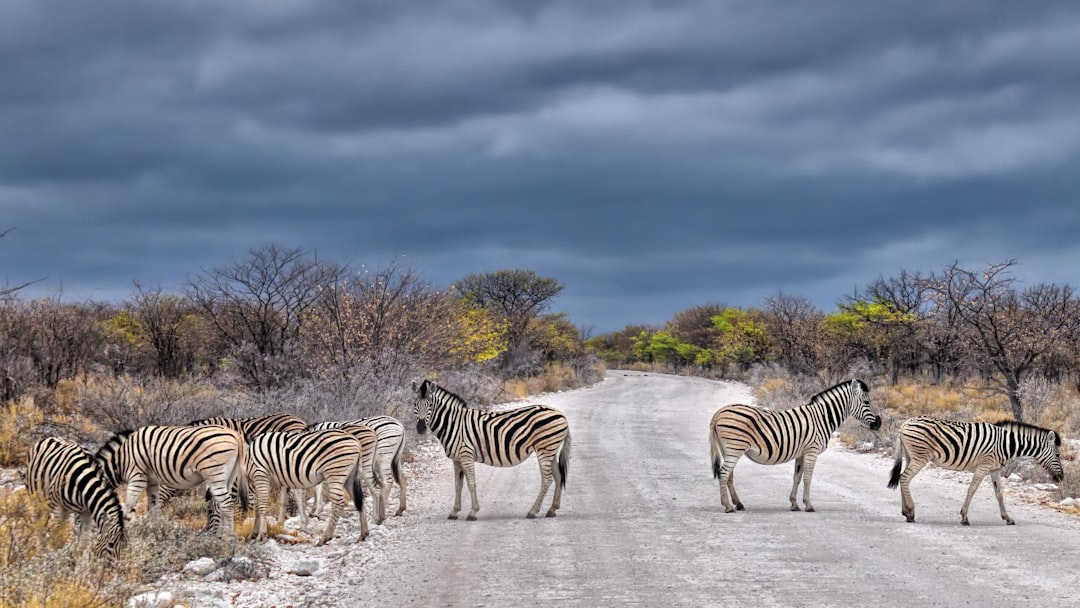
Namibia turns ordinary road trips into wildlife drives, but a quiet road can hide a serious risk: gravel reduces grip, braking takes longer, and animals may cross without warning. That is why a Namibia self drive safari needs more than a rental car and a map.
Namibia is well suited to independent travel when drivers plan carefully and follow local rules. You must manage road conditions, fuel, water, wildlife distance, and daylight. These tasks matter even more when you leave towns and travel through remote areas.
Quick answer: The 10 safest rules are simple: drive slowly, keep left, use headlights, avoid night travel, refuel early, carry water, stay inside the vehicle, keep 20 metres from large animals, never feed wildlife, and follow park instructions. These habits reduce risk while protecting both travelers and animals.
This guide explains each rule in plain language. It also covers vehicle checks, route planning, campsite behavior, and the difference between a self-drive safari and a guided trip. Use it as a practical checklist before your 2026 journey.
A Namibia self drive safari is an independent wildlife trip where you drive a rental vehicle between reserves, camps, towns, and viewing areas. You choose the route and stop when you see wildlife. However, you also make every safety decision without a guide beside you.
Namibia is known for long open roads, gravel routes, remote fuel stops, and wildlife viewed from a private vehicle. This freedom creates a slower, more personal experience. It also means you must understand road grip, animal behavior, fuel range, and local driving rules before departure.
Namibia’s self-drive experience is known for wide landscapes and long stretches between services. Rough Guides advises travelers to top up fuel whenever possible because stations are sparse in remote areas. The same guidance recommends carrying extra water and driving carefully near wildlife and at dusk. [7]
Gravel roads are a major part of many Namibian routes. Gravel has less grip than tar, and braking takes longer. Corrugation, potholes, loose stones, and sand tracks can further reduce vehicle control. Slowing down is therefore a safety skill, not a sign that your trip is going badly. [2]
A Namibia self drive safari is best for travelers who enjoy flexible schedules, quiet viewing, and careful preparation. It suits couples, families with older children, photographers, and experienced drivers who can manage long distances without rushing.
A guided safari is often better for travelers who dislike remote driving or want expert help with animal spotting. SafariFind connects travelers with verified tour operators, so you can compare independent packages with guided options before choosing your travel style.
Compare Namibia self drive safari packages and request quotes from verified operators when you want current route, vehicle, and accommodation options.
Wildlife encounters happen in the animal’s space. Travel Weekly advises keeping at least 20 metres, or 65 feet, from larger mammals, especially elephants and buffalo. That distance gives animals room and gives you more time to react if one moves toward the vehicle. [5]
Vehicle safety also protects the animals. A car that approaches too closely can block a route, cause stress, or create a dangerous traffic line. Respectful viewing keeps the encounter calm and helps other visitors enjoy the same sighting.
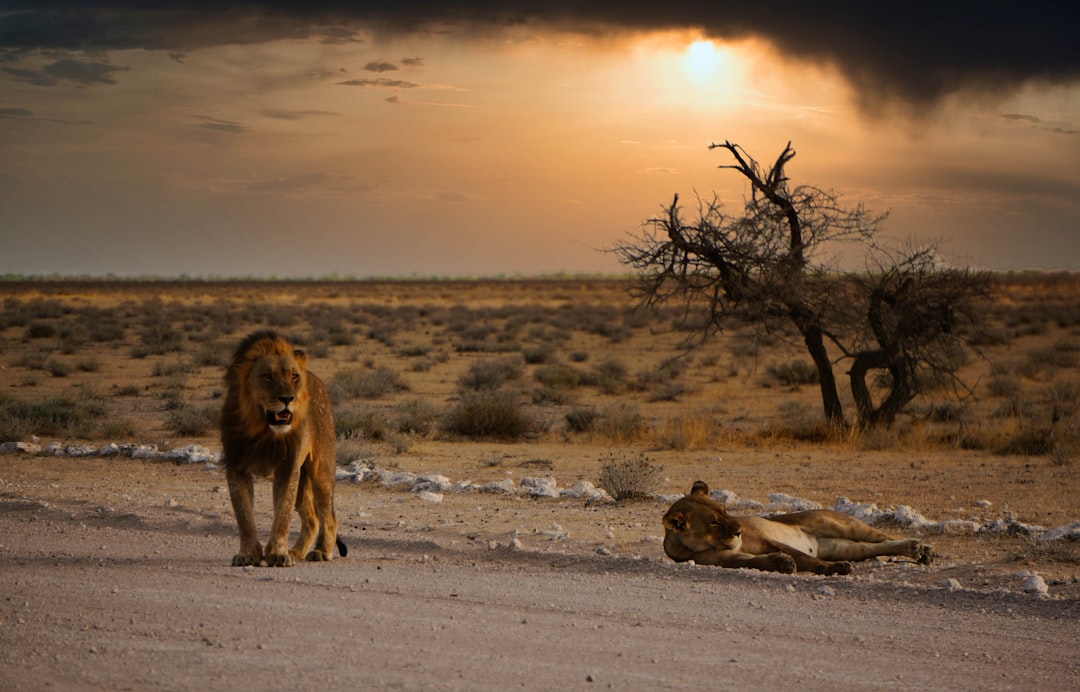
The first five rules control your vehicle before, during, and after each wildlife encounter. Drive on the left, follow posted limits, keep headlights on, avoid night driving, and reduce speed on gravel. These steps improve control and help you respond to animals, road damage, and changing light.
Namibia drives on the left side of the road. [7] Drivers from right-hand traffic countries should practice this system before entering remote areas. Keep your position steady, watch the road edge, and take extra care at junctions and roundabouts.
Left-side driving also affects overtaking and turning. Follow signs and local road markings rather than habits from home. If two vehicles meet on a narrow gravel track, slow down early and communicate clearly before passing.
Namibia’s reported speed limits include 80 km/h on gravel roads and a maximum of 120 km/h on paved roads. [7] A legal speed is not always a safe speed. Rain, dust, loose stones, corrugation, traffic, and wildlife can require a much slower pace.
Speed limits are actively enforced, and Namibia’s driving guidance says travelers should obey them. [6] Watch for signs when road surfaces change. Reduce speed before bends, crests, animals, settlements, and areas with poor visibility.
Namibian driving guidance recommends keeping headlights on at all times. [6] Headlights make your vehicle easier for other road users to see. They also help signal your position when dust, glare, or a low sun reduces contrast.
Check the lights before leaving each morning. Clean dusty lenses when needed. Use normal driving lights unless local signs or conditions require another setting, and avoid creating glare for approaching drivers.
Night driving is a poor choice on remote Namibian routes because animals can cross roads after dark and hazards become harder to see. Rough Guides specifically advises caution around wildlife at dusk, when animals may cross roads. [7]
Plan each day around daylight. Leave camp early enough to reach the next safe stop before evening. If a delay occurs, contact your accommodation or operator instead of pushing ahead on an unfamiliar road.
Gravel roads can cause skids because they provide less grip than paved roads. Braking takes longer, while corrugation and potholes can reduce steering control. [2] Keep both hands on the wheel and avoid sudden braking or sharp turns.
Increase the gap between your vehicle and the car ahead. Dust can hide stones, potholes, and animals. Slow before rough sections, not halfway through them. If the vehicle begins to slide, ease off the accelerator and steer gently.
A five-minute check can prevent a long delay. Inspect tires, lights, mirrors, fuel, water, and visible damage before leaving camp. Confirm that the spare tire and basic tools are present, and ask the rental company how to report a breakdown.
The safest wildlife encounter keeps you inside the vehicle, leaves animals space, and avoids sudden movement. Stay at least 20 metres from large mammals, never feed wildlife, and keep food secured. Follow park rules even when another driver ignores them.
Safari guidance advises staying inside the vehicle during wildlife encounters. Do not extend arms, cameras, phones, or other objects through windows. [3] An animal may react to movement even when the vehicle itself seems calm.
Keep doors closed and tell every passenger the same rule before entering a viewing area. Children need clear instructions because excitement can lead to sudden movement. Use the vehicle as a safe viewing platform rather than trying to get closer.
Travel Weekly recommends a minimum distance of 20 metres from larger mammals, including elephants and buffalo. [5] This is a useful baseline for a Namibia self drive safari. Increase the gap when an animal appears alert, blocks the road, or changes direction toward you.
Large animals need a clear path. Do not surround them with vehicles or force them to move around your car. If an elephant approaches, stay calm, stop safely, and allow it to pass. Never use the horn to make an animal move.
Do not feed wildlife or leave food unattended, especially in areas where monkeys or baboons may be present. [4] Food can make animals associate vehicles and campsites with easy meals. That behavior creates risks for visitors and animals.
Store snacks in closed containers. Clear food waste from the vehicle and campsite. Do not offer fruit, bread, or leftovers for a better photograph. A natural sighting is safer and more valuable than a close approach created by food.
Viatu’s safari guidance advises travelers not to lean out of vehicle windows while taking photographs. [4] A camera strap, arm, or phone can attract attention from an animal. Leaning out also shifts your balance and distracts the driver.
Prepare your camera before the vehicle stops. Use a window opening without placing equipment outside. Keep the engine quiet, avoid loud calls, and let animals choose the distance.
Park rules exist to protect visitors, wildlife, and the wider road system. Follow signs, speed limits, gate times, campsite rules, and staff directions. Do not copy unsafe behavior from another vehicle.
Ask staff about current road conditions before leaving camp. Conditions can change after rain, repairs, or heavy traffic. A local warning about sand, flooding, or a closed route deserves more trust than an old route saved on your phone.
Animals show clear warning signs. An alert elephant may face the vehicle, raise its head, flap its ears, or move toward the road. A buffalo may stand still and watch your car. Treat these signals as a reason to increase distance.
Do not wait for a dramatic charge before backing away. Start the engine calmly if it is off, keep the vehicle pointed toward an open route, and leave room for animals to move. Your goal is a calm exit, not the closest possible photograph.
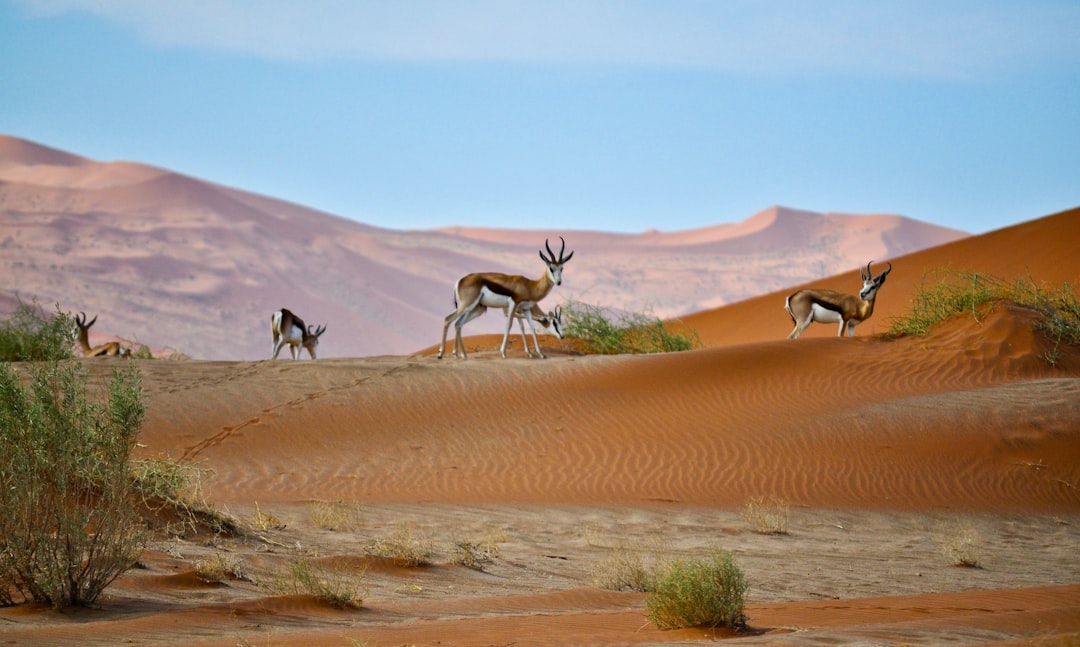
Plan a Namibia self drive safari around fuel, water, daylight, road surface, and overnight stops. A safe route is not simply the shortest route. It gives you time to drive slowly, stop for wildlife, and handle a delay without reaching camp after dark.
Fuel stations are sparse in remote areas. Travelers should refuel whenever possible and carry extra water. [7] Treat each fuel stop as part of the route, not as an optional break. A half-full tank may not be enough for the next remote section.
Ask the rental company for the vehicle’s usable fuel range. Then compare that range with your planned distance and any detours. Carry water where passengers can reach it, but keep containers secure so they cannot roll under pedals or block controls.
Budgeting also affects safety. Fuel, campsite fees, tires, insurance, recovery support, and extra water can sit outside the headline car-hire price. Review this guide to eight Namibia self drive safari costs beyond car hire before confirming your plan.
The vehicle must match the road surface and luggage needs. Ask whether your rental includes suitable tires, a spare wheel, recovery equipment, and roadside support. Confirm the insurance terms for gravel roads and tires before signing the rental agreement.
Do not assume that a larger vehicle removes every risk. A heavy vehicle still needs more time to stop. A high-clearance vehicle can help on rough tracks, but careful speed and good judgment matter more than size.
Long distances look easy on a map. Gravel, wildlife stops, tire checks, fuel breaks, and road damage can make the day much longer. Build spare time into every route, and avoid booking an arrival that depends on driving at the speed limit for the entire day.
Use a printed map or offline navigation as a backup. Share your route with your accommodation. Record the next fuel stop, the planned overnight camp, and a contact number before you leave mobile coverage.
Getting there: collect the vehicle in a town or airport area arranged with your rental provider, then inspect it before departure. Confirm the left-side driving system, headlights, fuel policy, spare tire, and emergency contact. Practice braking and turning at low speed before entering a gravel route.
New drivers should spend the first day learning the vehicle. Test how it handles on a quiet road. Adjust mirrors and seats before driving. Keep phones stored, and let a passenger manage navigation whenever possible.
Self-drive gives you independence, while a guided safari adds a driver and local wildlife knowledge. Neither option suits every traveler. Compare driving duties, road confidence, vehicle support, wildlife interpretation, and total trip cost before you choose.
Read the 2026 comparison of Namibia self-drive safaris and guided tours for a decision guide. You can also review the 2026 car-hire and campsite planning advice before asking operators for exact quotes.
Compare verified Namibia safari operators for your route, vehicle needs, and safety questions before you pay a deposit. Ask each operator about fuel range, recovery support, insurance, and current road advice.
Keep food secured and follow campsite instructions. Do not leave snacks, wrappers, or cooking items unattended. This rule matters around monkeys and baboons, which can learn to search visitor areas for food. [4]
Keep noise low and never approach wildlife on foot. A campsite is not a viewing shortcut. If staff give a warning about an animal nearby, follow their instructions at once and wait for a safe update.
Pack light enough to keep the rear view clear. Store heavy items low and secure. Loose bags can move during braking, while blocked windows make wildlife and road checks harder.
A Namibia self drive safari is safe when you follow road and wildlife rules in 2026. Drive on the left, keep headlights on, slow down on gravel, avoid night driving, and maintain at least 20 metres from large mammals. [5][6][7]
Stay at least 20 metres, or 65 feet, from elephants, buffalo, and other larger mammals. [5] Increase the distance if an animal appears alert, approaches the vehicle, or blocks the road.
The reported speed limit on Namibia gravel roads is 80 km/h. Paved roads can have a maximum limit of 120 km/h. [7] Drive below the limit when gravel, corrugation, potholes, sand, dust, or wildlife reduces control.
Avoid night driving during a Namibia self drive safari. Animals may cross roads at dusk, and darkness makes potholes, loose stones, and wildlife harder to see. Plan each route so you reach your camp before nightfall. [7]
Yes, carry extra water and refuel whenever possible. Fuel stations are sparse in remote areas, so a full or well-filled tank helps protect your route plan when services are far apart. [7]
Use SafariFind to compare verified tour operators, review current safari packages, request quotes, and read authentic traveler reviews. Ask operators about vehicle support, insurance, fuel range, campsite access, and current road conditions before booking.
A Namibia self drive safari is safest when you treat road planning and wildlife distance as equal priorities. Keep at least 20 metres from larger mammals, stay inside the vehicle, obey the 80 km/h gravel limit, keep headlights on, and refuel before remote stretches. [5][6][7]
Start with a vehicle inspection and a daylight route. Then build spare time for gravel, wildlife stops, fuel, and unexpected delays. Read the 2026 seven-day Namibia self-drive route and booking guide if you want a structured starting point.
SafariFind helps you compare verified operators and find packages that match your driving confidence, vehicle needs, and preferred camps. Compare verified Namibia self drive safari packages and request your 2026 quote on SafariFind. Careful planning will help you enjoy Namibia’s wildlife drives with more confidence throughout 2026.
Author: SafariFind Editorial Team
Published: August 2026
Meta description: Follow 10 practical Namibia self drive safari rules for safer wildlife drives in 2026, including gravel-road speeds, fuel planning, animal distance, and campsite safety.
These recommendations use real data from SafariFind, where you can compare operators, browse packages, and read verified traveler reviews before you book.
4-Day Standard Desert Dream Tour • $755 • 4 days • by Getaway Africa
by Getaway Africa • 4 Days
3-Day Standard Sossusvlei Tour • $662 • 3 days • by Getaway Africa
by Getaway Africa • 3 Days
14-Day Best of South Africa, Zimbabwe, Botswana & Namibia • $3,575 • 14 days • by Africa Incoming
by Africa Incoming • 14 Days
11-Day Namibia Highlights - Dune, Desert & Wildlife • $3,531 • 11 days • by Africa Incoming
by Africa Incoming • 11 Days
8-Day Mid-Range Safari & Scenic Tour of Namibia • $2,473 • 8 days • by Africa Incoming
by Africa Incoming • 8 Days
5-Day Mid-Range Scenic Tour of Namibia • $1,517 • 5 days • by Africa Incoming
by Africa Incoming • 5 Days
5★ - "Tongesai was recommended to me by a friend who also booked his amazing safari through Cultural Vibes; I am glad we took his recommendation. Our safari across Victoria Falls and Botswana was top notch. Tongesai booked us " - Juliana Norvell • Verified review
"Tongesai was recommended to me by a friend who also booked his amazing safari through Cultural Vibes; I am glad we took his recommendation. Our safari across Victoria Falls and Botswana was top notch. Tongesai booked us in all of the best camps and with the best safari outfitters. Our excursions were extremely well planned and full of excitement. The restaurants were fantastic as well. Personally, I love planning my own vacations but honestly don't think there is an easy and reliable way to plan an African safari without using a travel agent very familiar with the region. Located in Zimbabwe and with a travel and tourism background, Tongesai was able to coordinate our stays between 5 safari camps which included private charter flights across the regions. He also personally escorted us into Botswana and helped with border crossing which was very helpful as well. Compared to larger companies, Tongesai's package rates were more reasonable and came with a customized touch. I highly recommend Cultural Vibes to anyone looking to go on safari in Zimbabwe and its bordering countries (Botswana, Zambia & Namibia). Thanks, T!"
5★ - "We were amazing group of 4 adults from Atlanta USA. Upon arrival we found our guide Stuart Muronga already waiting for us. He picked us up in a well air-conditioned vehicle and offered us water at soft drinks. Before goi" - Agola • Verified review
"We were amazing group of 4 adults from Atlanta USA. Upon arrival we found our guide Stuart Muronga already waiting for us. He picked us up in a well air-conditioned vehicle and offered us water at soft drinks. Before going to check in we drove around the beautiful city . After checking in he dropped us off at the famous Boma restaurant..we had an amazing experience there over delicious meals and drums and dance. He picked us up and dropped us off at our hotel. The next morning he picked us up for out safari experience in Chobe which is in Botswana just an hour drive from Vic Falls. We spent 6 hrs there then drove another 40 or so minutes to some island in Namibia. Stuart was so knowledgeable with great communication skills which made the whole experience so smooth and fun."
5★ - "I would like to note an excellent organisation of this tour. In advance Kubwa Five Safaris created whats app groupe for me so I had contacts of people who assisted me during my travel. I was picked up at the airport. My " - Nelya • Verified review
"I would like to note an excellent organisation of this tour. In advance Kubwa Five Safaris created whats app groupe for me so I had contacts of people who assisted me during my travel. I was picked up at the airport. My guide was waiting for me. The accommodations chosen for this trip were correct, clean with good service. The choice of restaurants corresponded the rate of this tour. We visited wonderfull places with beautiful landscapes, I enjoyed game drive and visit of Etosha parc. My driver was a professional guide, so I had explanations on historical events, culture, geology, flore and faune of the sites that we visited. Kubwa Five Safaris chose reliable partners in Namibia, that made my trip safe and I would like to thank them for that."
4★ - "We planned a 10 day tour to see the best of namibia we personalised the tour to what we wanted to see.we had an issue with our flight but Sylvia replanned the tour on 9 days so we missed nothing very very appreciated sin" - Katiuscia • Verified review
"We planned a 10 day tour to see the best of namibia we personalised the tour to what we wanted to see.we had an issue with our flight but Sylvia replanned the tour on 9 days so we missed nothing very very appreciated since it wasn't their responsibility and could have simply made us skip the first day.the tour was fantastic we got to see everything we wanted to see. Wildlife and the landscape that are something of incredible.Our guide John was excellent 👏 really very prepared giving al the info of the diffrent places people, Wildlife towns...."
5★ - "Our trip around Namibia was booked through Kubwa Five Safaris, main contact was Sylvia (from their sister company Ompo Travel). Everything was organised perfectly, Sylvia listened to our needs and constantly adapted the " - Thomas • Verified review
"Our trip around Namibia was booked through Kubwa Five Safaris, main contact was Sylvia (from their sister company Ompo Travel). Everything was organised perfectly, Sylvia listened to our needs and constantly adapted the trip according to our (many) changes of mind, to ensure we could get the best out of it, both in terms of things to do and accommodations where to stay; but she also added her local know-how to advise our decisions on what really worth seeing and what to skip (given the limited time of two weeks). She was also very responsive, both prior the trip as well as during the trip, taking immediate action if needed (only once, due to a misunderstanding on the check-out from a lodge). Namibia is an amazing place with plenty of wilderness and photo opportunities, and we have enjoyed it fully!"