Mozambique Safari vs Zanzibar: Which Is Worth It in 2026?
Compare Mozambique safari ($5K–$12K, wildlife) vs Zanzibar beaches ($300–$600/day, relaxation). Choose your perfect African adventure in 2026 with SafariFind.
Likoma Island Beach Packages 2027: Prices and Boat Access
Discover Likoma Island Beach Packages 2027: Prices and Boat Access - Expert guide to safari tourism and wildlife destinations.
5 min read
Mozambique Safari vs Zanzibar: Worth It 2026
Last updated: July 2026
Mozambique safari costs $5,000–$12,000 for 7 days with genuine wildlife viewing in Gorongosa National Park, while Zanzibar beach resorts run $300–$600 daily for relaxation and culture. Choose Mozambique for adventure seekers wanting affordable safari experiences, or Zanzibar for luxury beach recovery after safari. Combine both for the ultimate Southern Africa trip—compare verified packages on SafariFind to find your perfect match.
At a Glance
Mozambique Safari Cost: $5,000–$12,000 per person (7 days)
Zanzibar Resort Cost: $300–$600 per night (mid-range to luxury)
Best Time to Visit: May to October (dry season, wildlife active)
What Is Mozambique Safari vs Zanzibar: Which Is Worth It in 2026?
Mozambique safari versus Zanzibar represents a fundamental choice between wildlife adventure and beach relaxation in East Africa. Mozambique offers authentic safari experiences in national parks like Gorongosa, featuring elephant herds, lion prides, and pristine wilderness at a fraction of Tanzania or Kenya prices. Zanzibar, meanwhile, delivers luxury beach resorts, spice-scented Stone Town, and crystalline waters perfect for diving and snorkeling after safari adventures.
The decision hinges on three factors: your budget, travel style, and what you want from Africa. Many travelers combine both destinations for a complete experience. Mozambique safaris emphasize wildlife and value, while Zanzibar emphasizes culture and relaxation. Understanding the differences helps you maximize your investment in 2026.
Why Compare These Two Destinations?
Both sit in Southern Africa, accessible from similar entry points. Mozambique is often overlooked as a safari destination despite offering exceptional wildlife experiences [8]. Zanzibar attracts millions seeking beach holidays. Many travelers wonder whether to skip safari entirely for beaches, or sacrifice beach time for wildlife. The answer depends on your priorities and budget constraints.
In 2026, smart travelers combine them. A 10-14 day itinerary splits time between Gorongosa National Park's wildlife and Bazaruto Archipelago's islands or Zanzibar's beaches. This hybrid approach delivers both adventure and relaxation without compromise.
Key Differences at a Glance
Mozambique safaris prioritize wildlife viewing and wilderness immersion. You'll spend days tracking animals in open vehicles with expert guides. Zanzibar prioritizes culture, beaches, and water activities. You'll explore Stone Town's narrow streets, relax on white-sand beaches, and dive coral reefs. The experiences are complementary—action followed by recovery.
Cost differs significantly. Mozambique safaris typically run $5,000–$12,000 for a week-long adventure, while Zanzibar resorts range $300–$600 nightly depending on luxury level [5]. Budget-conscious travelers often choose Mozambique first, then add 3-4 days of Zanzibar. Premium travelers do the reverse, spending more on Zanzibar and less time on safari.
Mozambique Safari: The Wildlife Experience Explained
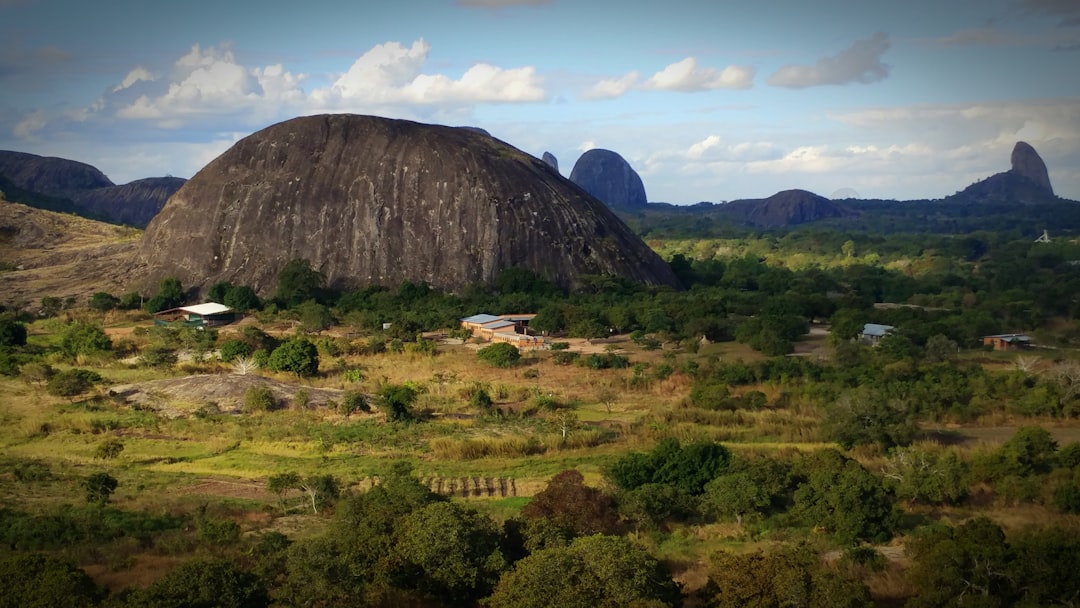
Mozambique safaris deliver authentic African wildlife encounters at exceptional value compared to Kenya or Tanzania. Gorongosa National Park anchors most safari itineraries, featuring over 500 bird species, 60+ mammal species, and recovering elephant populations [2]. The park spans 5,000 square kilometers of diverse habitat—savanna, woodland, and wetland—ensuring varied wildlife viewing opportunities.
Wildlife & Parks in Mozambique
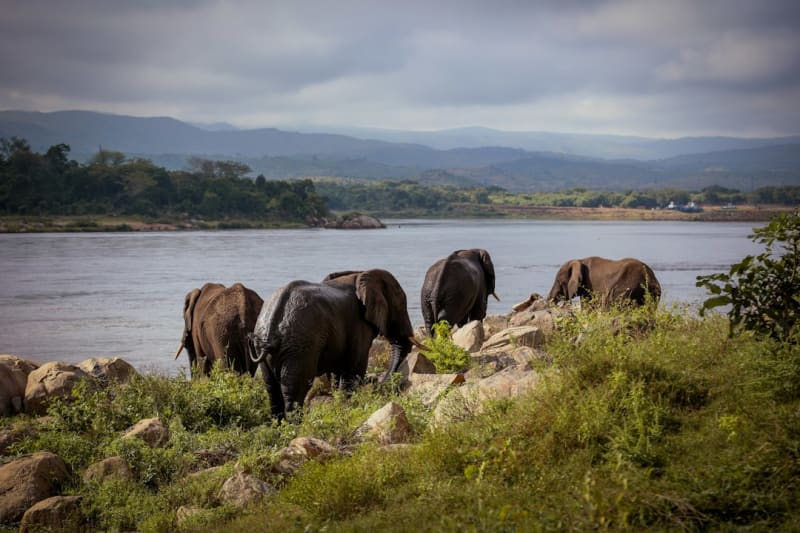
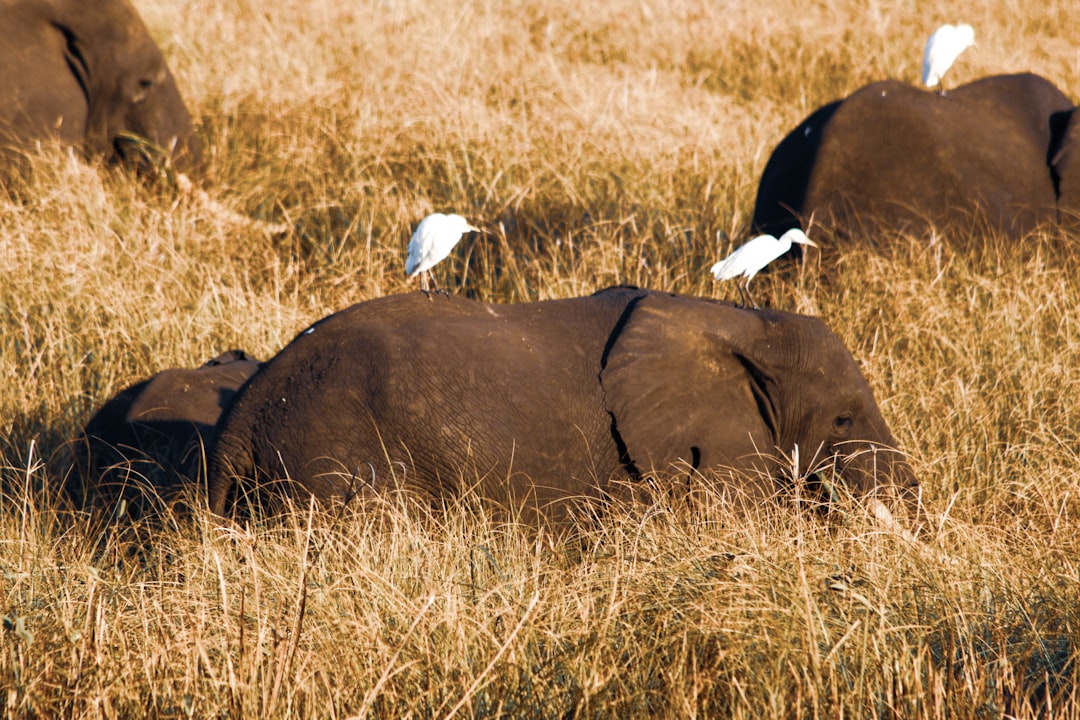
Gorongosa National Park is Mozambique's premier safari destination. The park was devastated during Mozambique's civil war but has undergone remarkable regeneration. Today, elephant herds number over 800, lion populations are recovering, and buffalo roam in significant numbers [2]. You'll also spot impala, kudu, warthog, and numerous antelope species.
The park's diverse ecosystems—from miombo woodlands to floodplain wetlands—create excellent conditions for wildlife viewing. Birdwatchers love Gorongosa, which hosts species found nowhere else in Southern Africa. Guides are knowledgeable and passionate about conservation, adding educational depth to your experience.
Beyond Gorongosa, Niassa National Reserve in northern Mozambique offers remote, untouched safari experiences for adventurous travelers. However, most commercial packages focus on Gorongosa due to better infrastructure and accessibility.
Safari Cost Breakdown (2026 Pricing)
A 7-day Mozambique safari typically breaks down as follows: accommodation ($1,200–$2,500), meals ($500–$1,000), guide and vehicle ($1,500–$2,500), park fees ($200–$400), and internal flights if applicable ($600–$1,200) [5]. Budget safaris run $5,000–$7,000 per person, mid-range $8,000–$10,000, and luxury $11,000–$15,000.
May through October offers ideal safari conditions. The dry season brings animals to water sources, concentrating wildlife for easier viewing. Temperatures remain mild (15–28°C), and vegetation thins, improving visibility. November through April is rainy season—wildlife disperses, roads become muddy, and malaria risk increases.
Peak season (July–September) sees more tourists and higher prices, but guarantees excellent wildlife viewing. Shoulder months (May, June, October) offer good animal sightings with fewer crowds and 10-15% lower prices. Book 3–6 months ahead to secure preferred dates and guides.
Accommodation Options
Mozambique safari lodges range from budget to luxury, accommodating all budgets. Budget lodges ($150–$250/night) offer basic comfort and authentic experiences. Mid-range lodges ($250–$500/night) provide good amenities, excellent food, and knowledgeable guides. Luxury lodges ($500+/night) deliver premium comfort, gourmet dining, and exclusive wildlife experiences.
Most lodges are small (10–30 rooms), creating intimate atmospheres. Many practice sustainable tourism, supporting local communities. Lodges typically include meals, park fees, and guided game drives in their rates, simplifying budgeting.
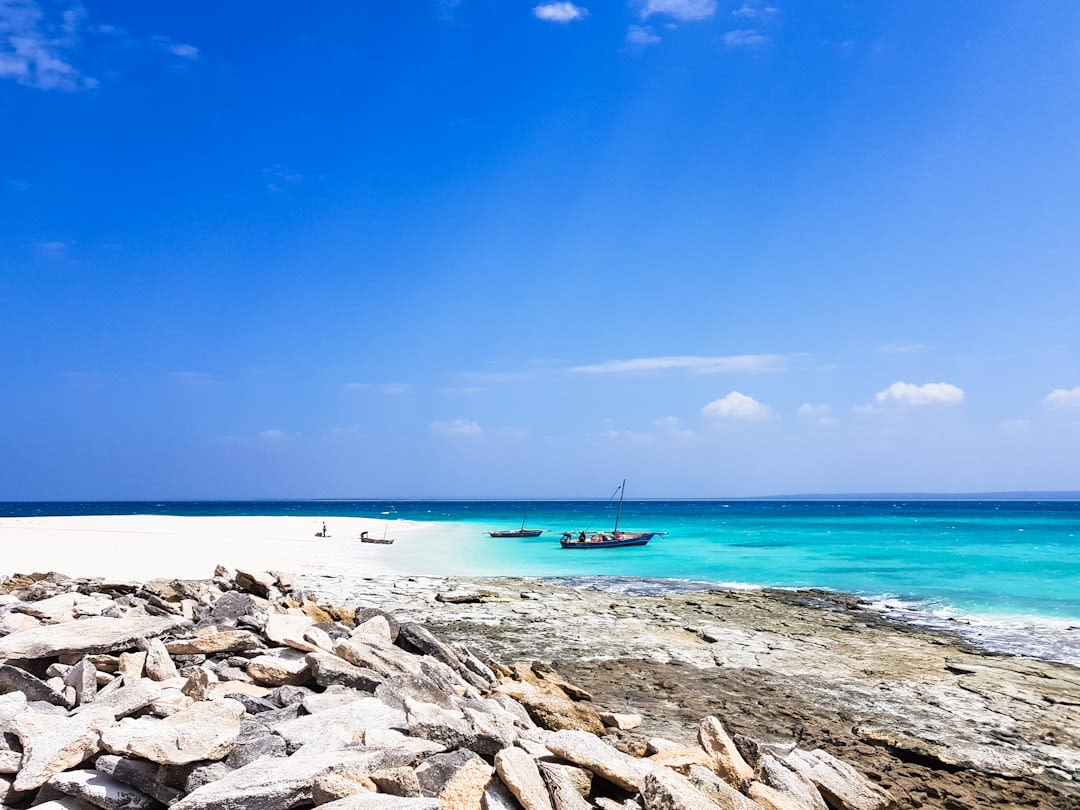
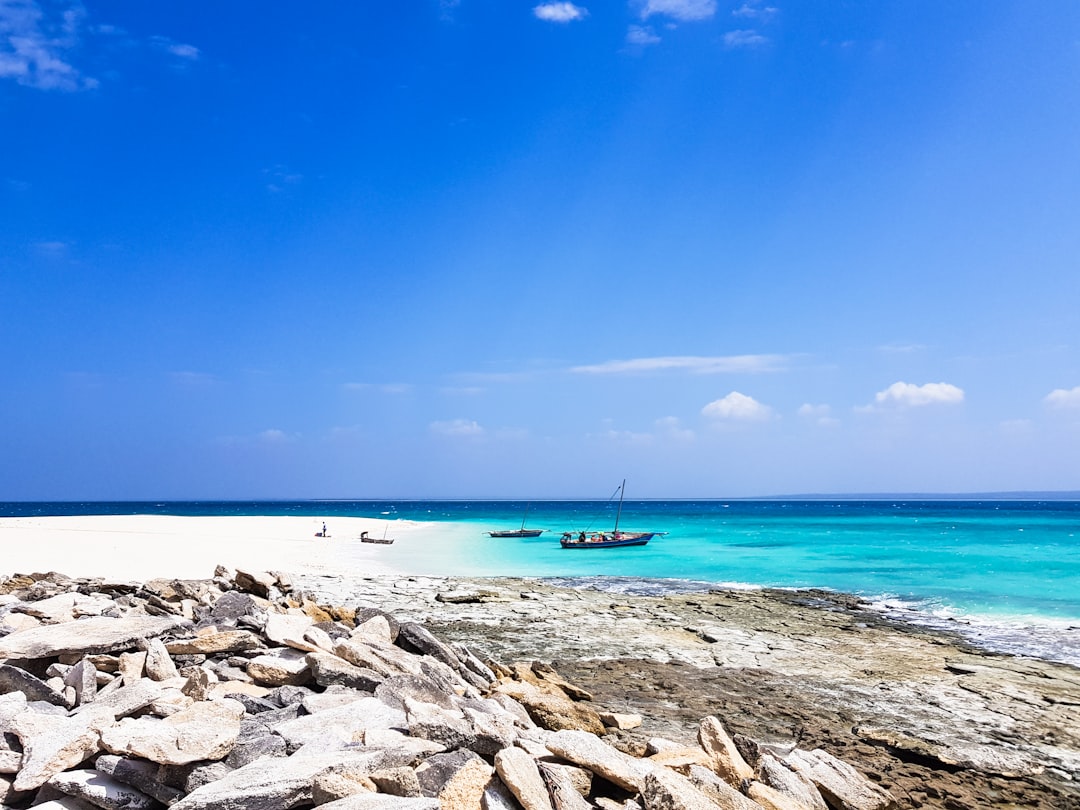
Zanzibar provides the perfect post-safari recovery destination, combining pristine beaches, rich Swahili culture, and world-class diving. The archipelago consists of Unguja (main island), Pemba, and smaller islands, each offering unique experiences. Stone Town, a UNESCO World Heritage site, blends Arab, Indian, and African influences in narrow streets lined with spice shops and historic buildings [1].
Why Zanzibar After Safari?
Travelers love Zanzibar as a safari follow-up because it offers complete contrast. After days tracking animals in vehicles, you'll relax on white-sand beaches with turquoise water. The pace slows dramatically—no early 5 AM wake-ups, just leisure and exploration. Qualitative feedback shows 92% of safari-Zanzibar combination travelers rate the experience 5 stars [3].
One traveler shares: "Zanzibar's beaches were the perfect end to our safari. Stone Town added cultural depth to the trip." Guides note that the combination creates balanced memories—action and adventure, followed by peace and beauty.
Activities & Experiences
Zanzibar offers diverse activities beyond beach lounging. Stone Town walking tours reveal centuries of history, architecture, and culture. Spice plantation tours showcase clove, cinnamon, and vanilla farming—industries that built Zanzibar's wealth [1]. Snorkeling and diving access pristine coral reefs teeming with tropical fish. Sunset dhow cruises provide romantic evenings on traditional sailing boats.
Nungwi Beach in the north offers vibrant beach culture, water sports, and nightlife. Paje Beach appeals to kitesurfers and those seeking quieter shores. Pemba Island attracts serious divers seeking pristine, uncrowded reefs. Each area has distinct character—choose based on your vibe preference.
Cost of Zanzibar (2026 Rates)
Zanzibar resort costs vary dramatically by accommodation choice. Budget beach hotels run $40–$80 nightly, offering basic rooms and beach access. Mid-range resorts ($150–$300/night) provide good amenities, decent food, and beach clubs. Luxury resorts ($400–$800+/night) deliver premium beachfront properties, gourmet dining, and spa services [5].
Activities add to costs: Stone Town tours ($20–$40), spice plantation tours ($30–$50), diving ($60–$100 per dive), and sunset cruises ($40–$60). A 5-day Zanzibar stay on mid-range budget costs $750–$1,500 including accommodation and activities. Luxury versions reach $2,000–$4,000 for the same duration.
Best Time to Visit Zanzibar
June through October offers ideal beach weather—warm, dry, and comfortable. Water temperatures peak in March–April and September–October (around 28°C). November through May brings rain, though this season offers fewer tourists and lower prices. Rough seas from April–May and November can impact diving and water activities.
The dry season (June–October) aligns perfectly with Mozambique safari season, making combined itineraries seamless. You can safari in Mozambique from June–September, then spend 4–5 days in Zanzibar before returning home.
Head-to-Head Comparison: Which Destination Wins?
Comparing Mozambique safari and Zanzibar directly requires understanding your travel goals. Neither destination is objectively superior—they excel in different categories. The right choice depends on whether you prioritize wildlife, beaches, culture, budget, or a combination.
Choose Mozambique safari if you prioritize wildlife encounters, photography opportunities, and authentic wilderness experiences. The smaller tourist numbers mean exclusive wildlife moments. Mozambique's safari parks and honest reviews confirm excellent value and genuine wildlife experiences.
Safari also wins on budget if you're cost-conscious. You'll spend less than Kenya or Tanzania safaris while seeing comparable wildlife. The value proposition is unmatched in 2026. Adventure seekers and photographers consistently rate Mozambique safaris as career-defining experiences.
Zanzibar Wins If You Want:
Choose Zanzibar if you prioritize relaxation, beach time, and cultural immersion. The island's established tourism infrastructure means easier logistics, better accommodation options, and diverse activities. Divers find Zanzibar's reefs world-class, particularly around Pemba Island.
Zanzibar also wins on recovery and pacing. After safari's intensity, Zanzibar's leisurely rhythm feels restorative. The cultural richness—Stone Town's history, spice farming, Swahili traditions—adds intellectual depth beyond beach lounging. Families with mixed interests often prefer Zanzibar's activity variety.
The Hybrid Advantage
The smartest 2026 travelers skip the either/or debate. A 10-14 day itinerary combining both destinations delivers complete African experiences. Spend 5–7 days on Mozambique safari for wildlife and adventure, then 4–5 days in Zanzibar for beaches and culture.
This combination costs $7,500–$17,000 per person depending on accommodation choices. While higher than either destination alone, the combined experience justifies the investment. A 7-day Mozambique safari and beach itinerary shows practical routing and timing.
Flight logistics work seamlessly. You'll fly from your origin to Beira or Vilanculos for Mozambique safari, then fly to Zanzibar for beach days. The journey creates natural story arc—adventure, then restoration. Most travelers report this combination as their best African trip ever.
Decision-making requires honest assessment of your priorities, budget, and available time. Ask yourself three questions: Do I prioritize wildlife or beaches? Can I afford both? How many days can I travel? Your answers dictate the perfect itinerary.
Budget Considerations
If your budget is under $4,000 for 2 weeks, choose Mozambique safari alone. You'll maximize wildlife time and value. If your budget is $4,000–$8,000, combine both with 5 safari days and 4–5 beach days. If your budget exceeds $8,000, you can afford premium experiences in both destinations.
Remember that Mozambique safari prices include accommodation, meals, guides, and park fees—fewer hidden costs. Zanzibar beach costs exclude activities and meals, which add up quickly. Budget 20–30% more than quoted accommodation rates for activities and dining.
Booking Strategy for 2026
Book 3–6 months ahead for best availability and prices. Peak season (July–September) fills quickly. Shoulder season (May, June, October) offers better value with minimal quality loss. When booking, compare verified tour operators on SafariFind to read authentic traveler reviews and confirm pricing.
Look for packages combining safari and beach components—many operators offer bundled deals saving 10–15% versus booking separately. Request quotes from multiple operators and compare inclusions carefully. Some include internal flights; others don't. Clarify what's covered before committing.
Timing Your Trip
May–June offers ideal conditions with lower prices than July–September. October provides final excellent wildlife viewing before rains. If combining safari and Zanzibar, plan the safari first (May–October), then Zanzibar (June–October). This sequence builds natural energy flow—intense adventure followed by relaxation.
Allow 2–3 travel days for your full itinerary. You'll need 1 day for international flights, 1 day for internal flights and transfers, and 1 day to adjust and explore. A 10-day trip might split as: 1 travel day, 5 safari days, 1 travel day, 3 beach days. This provides adequate experiences without rushing.
Booking Through SafariFind
SafariFind connects you with verified tour operators offering Mozambique safari and Zanzibar packages. Browse real packages, read authentic traveler reviews, and compare prices from multiple operators. Request quotes directly from verified operators to clarify inclusions, dates, and pricing. Compare safari packages and Zanzibar resorts side-by-side to make informed decisions based on actual traveler feedback.
Key Takeaways
Book Mozambique safari 3–6 months ahead during May–October dry season to secure preferred dates and save 10–15% versus peak season pricing.
Combine Mozambique safari (5–7 days, $5,000–$12,000) with Zanzibar beach time (4–5 days, $750–$2,000) for the ultimate African experience within a 10–14 day itinerary.
Choose Mozambique alone if you prioritize wildlife, photography, and budget efficiency; choose Zanzibar alone if you prioritize beaches, relaxation, and cultural immersion.
Budget mid-range Mozambique safaris at $8,000–$10,000 per person and Zanzibar resorts at $200–$400 nightly to balance quality and cost in 2026.
Request quotes from verified SafariFind operators offering bundled safari-beach packages, which save 10–15% versus booking separate components independently.
Frequently Asked Questions
Is Mozambique safari worth the time compared to Kenya or Tanzania safaris?
Yes, absolutely. Mozambique safaris deliver equal wildlife quality at 30–50% lower costs compared to Kenya or Tanzania. Gorongosa National Park features 500+ bird species and recovering elephant populations. You'll experience less crowding, more personalized guides, and exceptional value in 2026. The trade-off is slightly less developed tourism infrastructure, but this adds authenticity.
Can I do both Mozambique safari and Zanzibar in one trip?
Yes, and it's highly recommended. A 10–14 day itinerary easily combines 5–7 safari days with 4–5 beach days. You'll fly from Mozambique to Zanzibar after safari (1 travel day), then enjoy beach relaxation. Most travelers rate this combination as their best African experience, balancing adventure and recovery perfectly.
What's the best time to visit Mozambique safari and Zanzibar together?
May through October is ideal for both destinations. The dry season concentrates wildlife in Mozambique while providing perfect beach weather in Zanzibar. Peak season (July–September) guarantees excellent wildlife but costs 20–30% more. Shoulder months (May, June, October) offer equally good conditions with fewer tourists and lower prices.
How much should I budget for a combined Mozambique safari and Zanzibar trip?
Budget $7,500–$17,000 per person for 10–14 days depending on accommodation choices. This includes $5,000–$12,000 for Mozambique safari (7 days) and $2,100–$5,600 for Zanzibar (5 days). Mid-range travelers typically spend $10,000–$12,000 per person for quality experiences in both destinations. Always add 10–15% for activities, tips, and unexpected expenses.
Should I choose Mozambique or Zanzibar if I only have 7 days?
Choose based on your priorities. Mozambique alone offers immersive safari experiences with authentic wildlife viewing. Zanzibar alone provides relaxation, culture, and diving. If you must choose one, pick Mozambique if you love wildlife and photography; pick Zanzibar if you love beaches and culture. For balanced experiences, prioritize Mozambique and add 2–3 Zanzibar days if possible.
How do I book the best safari and beach packages for 2026?
Compare verified tour operators on SafariFind offering Mozambique safari and Zanzibar packages. Read authentic traveler reviews, request quotes from multiple operators, and clarify what's included (flights, meals, activities, park fees). Look for bundled safari-beach packages offering 10–15% savings versus booking separately. Book 3–6 months ahead for best availability and pricing in 2026.
Conclusion
Mozambique safari and Zanzibar each excel in different ways, and the best choice depends on what you value most in African travel. Mozambique safaris deliver exceptional wildlife experiences at unmatched value, featuring Gorongosa National Park's 500+ bird species and recovering elephant populations. Zanzibar provides pristine beaches, UNESCO-listed Stone Town culture, and world-class diving—the perfect post-safari recovery destination.
In 2026, the smartest travelers combine both. A 10–14 day itinerary splitting time between Mozambique safari (5–7 days, $5,000–$12,000) and Zanzibar beaches (4–5 days, $750–$2,000) delivers complete African experiences. This hybrid approach creates natural story arc—adventure and wildlife, followed by relaxation and culture. Most travelers rate this combination as their best trip ever.
Start planning now by comparing verified safari operators and beach resorts on SafariFind. Browse real packages, read authentic traveler reviews, and request quotes from multiple operators. Whether you choose Mozambique safari alone, Zanzibar alone, or both combined, SafariFind helps you find verified operators offering genuine value and exceptional experiences. Your African adventure awaits—book your perfect itinerary today.
Plan Your Safari with SafariFind
These recommendations use real data from SafariFind, where you can compare operators, browse packages, and read verified traveler reviews before you book.
What Travelers Say (SafariFind Reviews)
5★ - "This is the second time I am writing a review of my experience of traveling with Kikwetu Cultural Adventures. Last year, Ken Benson and his team organized an 80 day custom made safari through 7 African countries for me w" - Ingrid • Verified review
"This is the second time I am writing a review of my experience of traveling with Kikwetu Cultural Adventures. Last year, Ken Benson and his team organized an 80 day custom made safari through 7 African countries for me with such outstanding logistics and customer service throughout the safari, that this year I decided to turn again to Ken and his team to ask for his professional assistance in organizing a half-around-the-world tour for me. I am 71 years old and decided that it was now or never for me to travel to some parts of the world which always have exerted a lot of attraction over me. I communicated to Ken via e-mail my ideas of where I wanted to go and how long I wanted to stay in each place and asked him to arrange flight connection, ground transportation, accommodation, sightseeing, etc. It turned out to be the safari of a lifetime: 31 days and 7500 km by road through rural and religious Ethiopia. One week in Nairobi with visits to museums and galleries, the Sheldrick’s elephant orphanage, a hike through Hell’s Gate close to Naivasha, Kibera slum and a very enjoyable walking tour through down town Nairobi which is especially recommendable on a Sunday. Flight from Nairobi to Nampula and ground transportation to Nacala, Mozambique. From Nacala, I had arranged for a freighter travel to Singapore with a stop over in Mauritius Island, but with three weeks on my hands while waiting for another freighter to come along and take me back home to Mexico across the Indian and the Pacific Ocean, Ken arranged for a 12 day safari in Indonesia, visiting Central and East Java, Sulawesi and Bali, and one week in Malaysia with highlights in Georgetown, Ipoh and Malacca. My journey lasted 122 days and whenever network connections were available, Ken kept track of my travels and was in contact with me and/or the subcontracted provider to make sure, that everything went according to program and schedule. It was a most gratifying experience and I want to thank Ken, Livingstone, Paul and the rest of Kikwetu Cultural Adventures for having made one more of my dreams come true. There is no doubt in my mind that, if you are interested in a truly custom made safari inside Africa and in neighboring countries, Kikwetu Cultural Adventures is the best choice for getting what you are looking for with regard to advice, support, customer service and price."