
Safari Guides•18 min read
Mozambique Safari Hunting: 2026 Costs, Rules and Ethics
Discover Mozambique Safari Hunting: 2026 Costs, Rules and Ethics - Expert guide to safari tourism and wildlife destinations.
Share this article
Discover Mozambique Safari Hunting: 2026 Costs, Rules and Ethics - Expert guide to safari tourism and wildlife destinations.

Singaporean citizens travelling to Ethiopia should check their complete flight route for yellow fever certificate requirements, including airport transits longer than 12 hours in risk countries. Yellow fever vaccination is recommended for most Ethiopia itineraries, while malaria prevention depends on altitude and location.
Discover Botswana Safari Cost Per Person: 2026 Price Calculator - Expert guide to safari tourism and wildlife destinations.
Last updated: August 2026
Mozambique safari hunting in 2026 costs about $8,000–$15,000 for many buffalo hunts and up to $45,000 for an advertised 16-day lion hunt. Final costs include daily rates, trophy fees, permits, VAT, travel, and transport. Ethical hunting requires a licensed outfitter, legal quotas, clear fees, and benefits for conservation and local communities.
Mozambique safari hunting is a remote, high-value trip built around legal game management, professional guiding, and careful planning. In 2026, the clearest published examples show buffalo packages from $14,500 to $16,000 before 16% VAT, while wider buffalo estimates sit near $8,000–$15,000 [2][5].
Mozambique is not a simple drop-in destination. You need to check concession rules, hunting seasons, permits, firearm paperwork, trophy fees, and transport costs. You also need to ask how the hunt supports wildlife protection and nearby communities.
The quick answer is that Mozambique safari hunting suits experienced travelers who want a remote hunt and accept detailed rules. Buffalo is usually the main value option. Lion hunts cost much more, with one 16-day 2026 listing reaching $45,000. Treat every price as a starting point until the outfitter confirms taxes, permits, and trophy costs.
This guide explains the costs and decisions that matter. It does not replace advice from Mozambique authorities or a licensed outfitter. SafariFind connects travelers with verified tour operators, package information, and authentic traveler reviews. Use those checks before sending a deposit.
For a non-hunting trip, compare the country’s wildlife and beach routes in this guide to six Mozambique safari routes. It helps you see how a hunting trip differs from a photographic safari.
Mozambique safari hunting is a guided hunting expedition inside a permitted hunting area, usually with a professional hunter and an agreed species quota. The trip combines field days, daily fees, trophy fees, permits, transport, and trophy preparation. The legal details depend on the concession and the species selected.
Mozambique is known for remote hunting areas, buffalo tracking, plains game, and challenging travel logistics. A regional 2026 cost guide describes Mozambique as better suited to second- or third-time Africa hunters because some areas have lower-tier infrastructure and longer travel [1]. That makes preparation especially important.
Known for: remote tracking, Cape buffalo, plains game, and traditional field hunting. Best for: hunters who value wilderness, patient tracking, and a guided experience more than resort comfort. A professional hunter normally explains the daily plan, safety rules, shot standards, and recovery process.
The phrase “safari hunting” covers more than the trophy. It includes camp operations, vehicle use, meals, trackers, skinning, field preparation, and local transfers. Your written quote should state each part. A low headline price can rise quickly when the package excludes taxes, permits, ammunition, flights, or trophy shipment.
One Mozambique hunting brochure states that license fees and a 25% government conservation levy are included in its listed prices. The same brochure lists trophy transport from the concession to a Maputo shipping agent at $500 [3]. These details show why you should compare full inclusions, not only the hunt rate.
Ethics matters because a hunting safari affects wildlife, land, staff, and surrounding communities. A responsible booking starts with legal authorization. It also asks whether the hunt follows a science-based quota and whether local people receive clear benefits.
Ethical hunting is not proved by a marketing label alone. Ask for the concession name, quota information, permits, conservation payments, and community program. Ask how the operator handles wounded animals, meat, firearms, and unsuccessful hunts. Clear answers build trust before you travel.
SafariFind can help you compare operator claims, package details, and authentic reviews. Travelers should request a quote from a verified operator only after checking the written inclusions.
Read the 2026 first-timer verdict on Mozambique safaris if you are still choosing between hunting and a photographic trip.
Mozambique safari hunting costs depend on the species, number of days, hunter-to-professional-hunter ratio, daily rate, trophy fee, VAT, permits, and transport. In 2026, published buffalo examples range from $8,000–$15,000 in broad estimates, while specific seven- and 10-day packages cost $14,500–$16,000 before VAT [2][5].
Buffalo is the clearest benchmark for Mozambique safari hunting. A 2026 pricing summary lists buffalo hunts at about $8,000–$15,000 [2]. Another regional rate guide lists buffalo trophy fees at $9,000–$14,000 and daily rates at $900–$1,400 in Mozambique and neighboring markets [4]. These figures are not always added in the same way.
The package structure can change the final bill. One 10-day buffalo package lists $16,000 for one hunter with one professional hunter, before 16% VAT of $1,668.48 [5]. The same source lists $15,000 for two hunters sharing one professional hunter, before 16% VAT of $1,508.48 [5].
A seven-day buffalo package is listed at $14,500 for one hunter with one professional hunter, before 16% VAT of $1,428.48 [5]. These examples show that a shorter trip is not always much cheaper. Fixed costs and trophy fees can make up a large share of the total.
| Name | Price | Duration | Rating | Best For |
|---|---|---|---|---|
| Advertised Mozambique lion hunt | Up to $45,000 | 16 days | Not stated | Hunters seeking a premium large-cat package |
| Mozambique buffalo package, 1:1 | $16,000 + $1,668.48 VAT | 10 days | Not stated | One hunter wanting dedicated professional guidance |
| Mozambique buffalo package, shared PH | $15,000 + $1,508.48 VAT | 10 days | Not stated | Two hunters sharing one professional hunter |
| Mozambique buffalo package, 1:1 | $14,500 + $1,428.48 VAT | 7 days | Not stated | Hunters seeking a shorter buffalo trip |
| Typical buffalo estimate | $8,000–$15,000 | Not stated | Not stated | Budget planning before a formal quote |
One 2026 SafariFind guide advertises a 16-day Mozambique lion hunt costing up to $45,000 [2]. Lion pricing sits far above the typical buffalo examples. Ask whether the figure includes the trophy fee, daily rates, permits, taxes, transport, and export work.
Permit costs add another layer. One Mozambique operator lists a $350 hunting permit and a $450 firearm permit per firearm [8]. The same operator notes that license fees can be subject to change. Confirm current rates before you book.
Price range: plan around $8,000–$15,000 for many buffalo estimates, but use $14,500–$16,000 plus VAT as a published package benchmark. Lion planning can reach $45,000 for 16 days. Your final contract is the only reliable price for your chosen concession and dates.
Compare Mozambique safari costs by trip style in 2026 before you request quotes. Share your target species, trip length, and hunter group size so operators can price the right format.
Hunters should follow Mozambique law, concession rules, permit conditions, firearm requirements, and the written species quota. Ethical conduct also means taking a safe, selective shot, respecting local staff, and supporting conservation. Never rely on a verbal promise about legality or included fees.
A responsible outfitter should explain the legal species list, quota, hunting method, and reporting process. The outfitter should also identify who holds each permit. If the answer is unclear, pause the booking and seek written confirmation.
Ethical hunting starts with a legal quota. The quota should fit the concession’s management plan and the species population. You should ask how authorities monitor harvests and how the operator records the hunt. These questions matter more than a polished camp brochure.
Use a written checklist before paying. Include the concession, dates, species, trophy fee, daily rate, professional hunter ratio, VAT, permits, firearms, ammunition, accommodation, meals, transfers, and trophy handling. Also record the cancellation terms and the payment schedule.
Ask about meat use and local employment. A hunting operation can create work for professional hunters, trackers, skinners, camp staff, drivers, and cooks. It can also support local food supply when the operator follows local rules. Request a clear explanation of how the operation shares benefits.
Respect the field team. Trackers often work long hours in heat and difficult terrain. Follow their safety instructions. Do not pressure a professional hunter to take an unsafe or poor shot. A responsible hunt places animal welfare above a trophy photograph.
Firearm planning needs care. One published Mozambique rate sheet lists $450 for a firearm permit per firearm and $350 for a hunting permit [8]. Ask about import paperwork, transport rules, ammunition limits, and storage. Do not assume that a permit in one country covers Mozambique.
Trophy transport also requires early planning. One brochure lists $500 for transport from the concession to a Maputo shipping agent [3]. That amount may not cover taxidermy, export permits, airline freight, customs, or final delivery. Ask for a step-by-step shipping estimate.
Getting there: confirm the arrival airport, road or charter transfer, concession travel time, and emergency plan with the outfitter. The published sources do not provide one universal route or travel time. Therefore, your operator must give the current 2026 plan for your specific hunt.
Best practice is simple: verify first, hunt safely, and keep every promise in writing. Read authentic reviews on SafariFind, compare tour operators, and ask direct questions before you send funds.
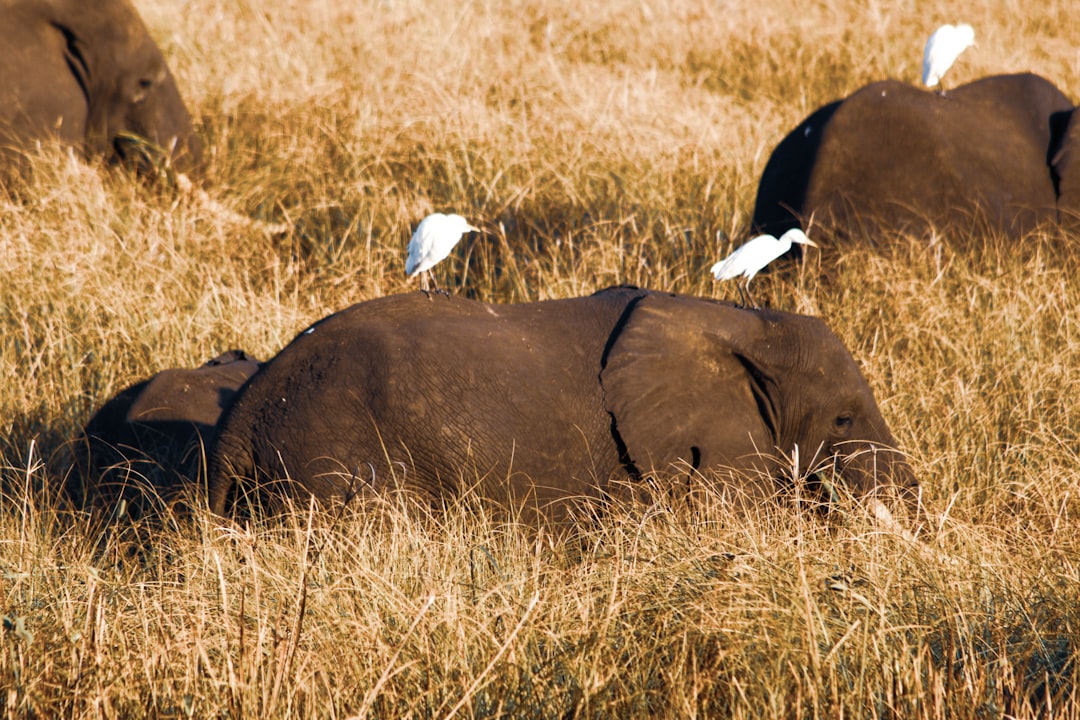
A responsible Mozambique safari hunting plan begins six to twelve months before departure, when possible. Start with species and dates. Then compare full quotes, confirm permits, and review the operator’s conservation and community practices.
Travelers who want comfort rather than hunting can compare luxury camps and beach extensions. The 2026 Mozambique luxury safari shortlist offers a useful contrast in service style and trip design.
Travelers who are unsure about the destination should compare Mozambique with other hunting or safari markets. However, do not assume that a lower package price means better value. Infrastructure, travel time, permit work, and trophy shipping can change the final result.
SafariFind does not replace government approval or professional legal advice. Its value is comparison. Verified operator profiles, package details, and authentic reviews help you spot missing information before booking.
A careful hunter should compare at least two written quotes. Match each quote line by line. Then ask the operator to explain every difference. This simple step can prevent surprise charges and reduce pressure during the trip.
Mozambique safari hunting costs about $8,000–$15,000 for many buffalo estimates in 2026. Published package examples list $14,500 for seven days and $16,000 for 10 days before 16% VAT. A 16-day lion hunt is advertised at up to $45,000 [2][5].
A Mozambique buffalo hunt commonly falls near $8,000–$15,000 in broad 2026 pricing summaries. Specific packages can cost more after daily rates, trophy fees, VAT, permits, travel, and trophy handling. Request a written quote based on your hunter group and dates.
You need the permits required by Mozambique law and your hunting concession. One operator lists a $350 hunting permit and a $450 firearm permit per firearm [8]. Confirm the current 2026 requirements, application process, and document deadlines with your outfitter.
Mozambique safari hunting is ethical only when it follows local law, approved quotas, safety rules, and clear conservation standards. Ask how the hunt supports wildlife management and nearby communities. Also confirm meat use, reporting, and the treatment of wounded animals.
Some packages exclude VAT, while one brochure states that license fees and a 25% government conservation levy are included in its listed prices [3]. A separate 2026 package adds 16% VAT. Read the price schedule carefully because inclusions differ by operator.
Start by comparing verified operators and written package prices on SafariFind. Read authentic reviews, request a quote, and ask for permits, quota details, conservation information, and trophy-shipping costs before booking. SafariFind helps you compare options, but the outfitter must confirm current legal requirements.
Mozambique safari hunting is a specialized 2026 trip with clear costs and serious duties. Buffalo planning often starts around $8,000–$15,000, while published seven- and 10-day examples reach $14,500–$16,000 before VAT. A 16-day lion hunt can reach $45,000 [2][5].
The safest choice is a licensed outfitter that explains the quota, permits, daily rates, trophy fees, conservation levy, community benefits, and export plan. Ask for every cost in writing. Then compare the offer with at least one other operator.
Before you decide, review the Mozambique safari tours that fit different 2026 budgets. You may find that a photographic safari suits your goals better.
Compare Mozambique with Tanzania in 2026, then compare verified safari packages on SafariFind. Request quotes from verified operators, read authentic reviews, and choose a trip that protects safety, wildlife, and local value throughout 2026.
These recommendations use real data from SafariFind, where you can compare operators, browse packages, and read verified traveler reviews before you book.
5★ - "This is the second time I am writing a review of my experience of traveling with Kikwetu Cultural Adventures. Last year, Ken Benson and his team organized an 80 day custom made safari through 7 African countries for me w" - Ingrid • Verified review
"This is the second time I am writing a review of my experience of traveling with Kikwetu Cultural Adventures. Last year, Ken Benson and his team organized an 80 day custom made safari through 7 African countries for me with such outstanding logistics and customer service throughout the safari, that this year I decided to turn again to Ken and his team to ask for his professional assistance in organizing a half-around-the-world tour for me. I am 71 years old and decided that it was now or never for me to travel to some parts of the world which always have exerted a lot of attraction over me. I communicated to Ken via e-mail my ideas of where I wanted to go and how long I wanted to stay in each place and asked him to arrange flight connection, ground transportation, accommodation, sightseeing, etc. It turned out to be the safari of a lifetime: 31 days and 7500 km by road through rural and religious Ethiopia. One week in Nairobi with visits to museums and galleries, the Sheldrick’s elephant orphanage, a hike through Hell’s Gate close to Naivasha, Kibera slum and a very enjoyable walking tour through down town Nairobi which is especially recommendable on a Sunday. Flight from Nairobi to Nampula and ground transportation to Nacala, Mozambique. From Nacala, I had arranged for a freighter travel to Singapore with a stop over in Mauritius Island, but with three weeks on my hands while waiting for another freighter to come along and take me back home to Mexico across the Indian and the Pacific Ocean, Ken arranged for a 12 day safari in Indonesia, visiting Central and East Java, Sulawesi and Bali, and one week in Malaysia with highlights in Georgetown, Ipoh and Malacca. My journey lasted 122 days and whenever network connections were available, Ken kept track of my travels and was in contact with me and/or the subcontracted provider to make sure, that everything went according to program and schedule. It was a most gratifying experience and I want to thank Ken, Livingstone, Paul and the rest of Kikwetu Cultural Adventures for having made one more of my dreams come true. There is no doubt in my mind that, if you are interested in a truly custom made safari inside Africa and in neighboring countries, Kikwetu Cultural Adventures is the best choice for getting what you are looking for with regard to advice, support, customer service and price."
