
Money in Botswana: Currency, Cards and Tipping in 2026
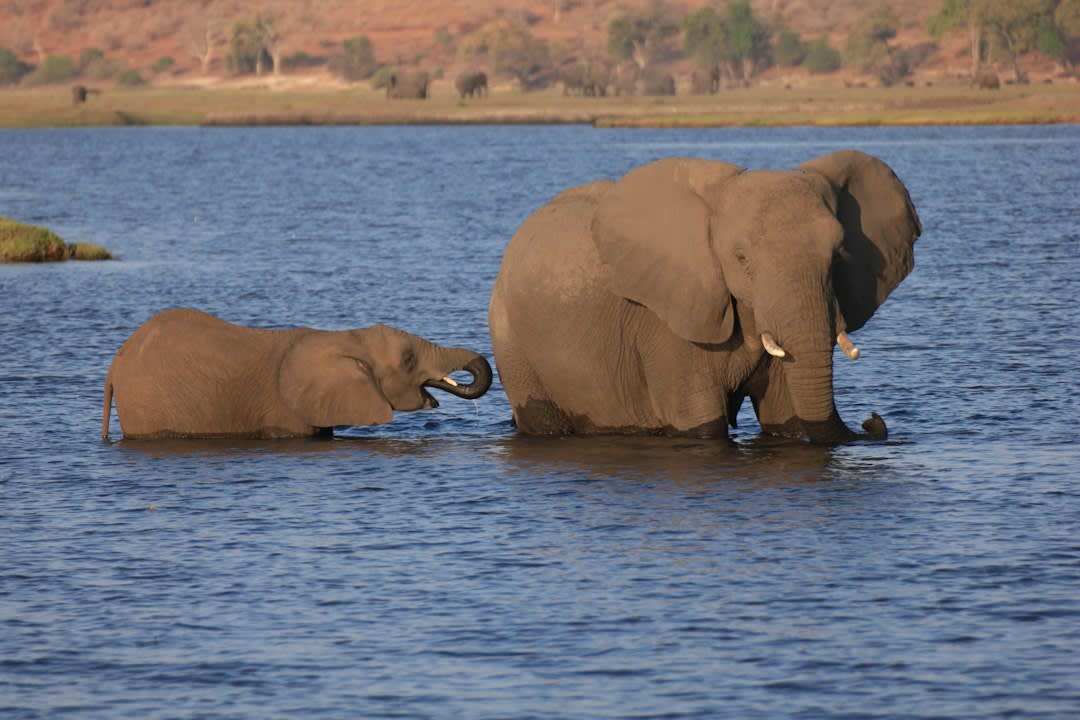
Botswana uses the Botswana pula, or BWP. Cards work at many hotels, lodges and larger businesses, but safari travellers should carry backup cash for rural areas, small purchases and tips. [1][4]
For travellers booking Botswana safari packages, the practical money plan is simple. Botswana uses the Botswana pula, abbreviated BWP, as its official currency. ATMs in major cities and towns may accept U.S.-issued bankcards, while cards are commonly accepted at larger hotels, lodges and restaurants. Carry a backup supply of cash because card access is less dependable away from major centres. [1][4]
Tipping is customary on safari but remains discretionary. A common 2026 guide range is US$10 to US$20 per guest per day for a safari guide, about US$10 to US$15 per guest per day for shared camp staff, and US$5 to US$10 for a mokoro poler. [12]
Last checked September 2026. Always confirm with official sources before travelling. This is general travel information, not legal or financial advice. Exchange rates, card acceptance, ATM access and local payment practices can change.
Quick answer about money in Botswana
- Currency: The official currency is the Botswana pula, or BWP. [1]
- Do dollars work? Some safari lodges and hotels may accept U.S. dollars, but the research does not establish that dollars are accepted everywhere. Use BWP for ordinary local spending and confirm with your lodge or operator before relying on foreign cash. [4][6]
- Do cards work? Visa and Mastercard are commonly accepted in cities and at many hotels, lodges and larger restaurants, but rural shops, market stalls and some fuel stations may require cash. [4]
- How much cash should you carry? The research does not support a reliable fixed amount. Carry enough for small purchases, tips and a backup when you are away from a town, then ask your operator where your itinerary has reliable ATM or card access. [1][4]
- Should you tip? Tipping is customary on safari but not mandatory. Give what fits the service and your budget. [12]
What currency does Botswana use?
Botswana uses the Botswana pula, with the currency code BWP. The U.S. Department of State identifies the Botswana pula as the official currency of the country. [1]
The word pula means rain in Setswana, but that language detail does not change the practical advice. When a price is shown in P, confirm that the business means Botswana pula and not another currency. The research supplied for this guide does not provide an official currency-symbol standard, so check the currency code on an invoice or card terminal if the price is unclear.
Is Botswana currency higher than South Africa, the rand, Kenya or the naira?
The research does not provide a current, comparable exchange-rate table for the Botswana pula against the South African rand, Kenyan shilling or Nigerian naira. You cannot reliably answer whether Botswana currency is "higher" without choosing a date and comparing the live exchange rates, because a currency's unit value changes and the word "higher" can mean different things.
Before travelling, check a live converter from Visa or Mastercard and compare the rate offered by your bank or card provider with the rate you receive for cash. Both payment networks provide exchange-rate tools. [8][9]
Is Botswana pula stronger than the rand?
The research does not support a current yes-or-no answer. Check the live BWP to ZAR rate before exchanging money, and do not treat a larger number of pula per rand as proof that one economy or currency is generally stronger. Visa and Mastercard both provide rate calculators for travel transactions. [8][9]
Is Botswana pula pegged to the rand?
The supplied research does not confirm whether the Botswana pula is pegged to the South African rand. Confirm the current exchange-rate policy with the Bank of Botswana or another official Botswana financial source before relying on an answer.
Why is Botswana currency so high?
The research does not establish why the pula may appear high or low against a particular currency. A currency comparison needs a date, a specific pair such as BWP to USD, and a live rate. Use a current rate calculator rather than an old conversion table. [8][9]
Can you use cards and ATMs in Botswana?
Yes, cards and ATMs can work in Botswana, but they should not be your only payment method. The U.S. Department of State says ATMs in major cities and towns may accept U.S.-issued bankcards. A separate travel-money guide reports that Visa and Mastercard are commonly accepted in cities and at most hotels, lodges and larger restaurants. [1][4]
That combination suits a safari itinerary with time in a city and time at a remote camp. Use a card where the merchant accepts it, but keep cash for rural shops, market stalls and some fuel stations. [4]
How to prepare your cards before departure
- Ask your bank whether your debit and credit cards work abroad. The U.S. government travel guidance recommends checking overseas use before departure. [2]
- Tell your bank that you will use the card in Botswana. Banks may block an unexpected overseas transaction, according to the U.S. government guidance. [2]
- Ask about foreign transaction fees, international cash-withdrawal fees and daily or monthly limits. [2]
- Carry more than one payment method and keep the cards separately. This is practical risk management, not a guarantee that every card will work.
- Save your bank's international contact details before you leave. Do not rely on finding a working phone or data connection in a remote camp.
Your operator can also tell you where the itinerary has a town stop or a reliable payment point. Ask this before booking a remote fly-in safari, especially if you plan to pay tips in cash.
Are mobile payments or mobile money widely available?
The supplied research does not confirm the availability, coverage or traveller access rules for mobile money in Botswana. Do not build your payment plan around a mobile wallet unless your operator and mobile provider confirm that it works for your nationality, phone and itinerary.
How do you pay park fees and lodge bills?
Botswana's government says payment for a national park, game reserve or campsite booking can be made by cash, credit card or bank cheque, including payment in person at the relevant office. The same government service page says an upfront payment is requested to secure a booking. [3]
That information concerns the government booking service. It does not prove that every park gate, campsite, private concession or lodge accepts the same payment methods. Ask for the payment instructions attached to your specific reservation, and confirm whether the operator has already included park fees, transfers and activities in the safari price.
Many travellers will settle a lodge account at the end of a stay. Before departure, ask whether the camp accepts your card, whether tips go into a shared box or directly to staff, and whether foreign cash is accepted. These small questions matter more in a remote camp than they do in Gaborone. For city planning, SafariFind's Gaborone tour guide can help you think through time in the capital before or after a safari.
Is tipping customary in Botswana?
Yes. Tipping is customary on a Botswana safari, but it is not mandatory. SafariFind's 2026 tipping guidance describes tips as discretionary payments for personal service, and says guests may reduce or skip a tip after poor, unsafe or incomplete service. [12]
There is no single government tariff for safari gratuities in the research supplied. Treat the amounts below as working guidance, not a bill or compulsory charge. Your safari operator may have its own policy, especially when several guides or camp teams share the work.
How much should you tip a Botswana safari guide?
A common guide range is US$10 to US$20 per guest per day. Use the higher end for excellent service, complex guiding or a private vehicle. Some guidance lists US$20 to US$40 per guest per day for a private guide, but the lower US$10 to US$20 range is the common group-guide recommendation in the supplied 2026 source. [12]
Ask whether your guide is also the driver. You do not need to create separate tips for two jobs when one person performs both, unless your operator gives different instructions. If a dedicated driver or tracker works with your guide, ask how the camp normally handles those roles rather than guessing.
How much should you tip camp and lodge staff?
About US$10 to US$15 per guest per day is a common amount for a shared camp or lodge staff tip box. The pool may support cooks, cleaners, porters and other staff, so ask the camp how it distributes the money before contributing. [12]
A shared box is useful when you want the wider team to receive something. Give a direct tip when a staff member provides personal service and the camp's policy allows it. Your operator can explain the local practice before the first drive.
How much should you tip a mokoro poler?
A common guide range is US$5 to US$10 per guest for a mokoro activity. If the poler also acts as your walking guide or provides a larger guiding role, ask whether the higher guide range is more appropriate. [12]
Mokoro excursions are part of some Okavango Delta itineraries, but the research does not say that every trip includes them. Check your itinerary before setting aside this tip.
What is gratuity in Botswana, and is gratuity mandatory?
Gratuity is an optional payment that recognises service. In Botswana safari guidance, gratuity is customary but not mandatory, and the amount depends on service, group size, trip style and your budget. [12]
The research supplied does not confirm whether gratuity is taxable in Botswana. If you are asking about tax treatment for employees, businesses or a formal service charge, confirm the answer with the Botswana tax authority or a qualified local adviser. Do not assume that an informal safari tip and a line-item service charge have the same tax treatment.
What do everyday things cost in Botswana?
The supplied research does not provide an authoritative 2026 price list for meals, fuel, taxis, groceries or accommodation. It would be misleading to publish fixed prices that may be out of date or that apply only to one town.
For budgeting, separate your costs into the parts your safari operator quotes and the spending you will make yourself. Ask whether the quote includes accommodation, meals, transport, park fees, activities and tips. A government booking page confirms that park and campsite bookings may involve an upfront payment, but it does not set a general price for all parks or safari products. [3]
For self-drive or town time, allow a separate amount for food, fuel, small purchases and cash tips. Use the live BWP exchange rate shortly before travel, then review the rate again when you withdraw money. Visa and Mastercard both provide exchange-rate calculators, although your bank or ATM operator may add its own charges. [8][9]
Do not use an online conversion table from an earlier month as a promise of what your card statement will show. Exchange rates move, and the research includes conflicting published examples from non-official travel-money sources. The safe approach is to confirm the live rate and your card's fees.
How can you avoid money problems and scams?
- Use ATMs in major cities and towns when possible. The official U.S. travel advisory confirms that international cards may work there, but it does not promise that every ATM will accept every card. [1]
- Withdraw only what you can protect comfortably. Keep your wallet, spare card and emergency cash in separate places.
- Check the amount on the card terminal or receipt before approving a transaction. If the terminal offers a choice of currencies, ask your card issuer how it handles the conversion before accepting.
- Ask whether a lodge bill already includes a service charge before adding a tip. The supplied research gives tipping guidance but does not establish a national service-charge rule.
- Keep small notes for tips and minor purchases when you can. The research does not confirm a universal list of accepted U.S. dollar notes, so ask the lodge or operator before bringing U.S. cash specifically for gratuities.
- Do not assume a border, airport, hotel or remote camp will offer the same exchange rate or ATM service as a bank in town. Compare the quoted rate and fees where you have a choice.
For wider trip preparation, read SafariFind's Botswana safety advice for 2026 and contact your operator with a short money checklist before departure.
Planning your Botswana safari
Before you book, ask the operator which costs are included, where you can use a card, and how the camp handles tips. Then compare the trips below and request quotes from the verified operators below, using the itinerary and payment information to set your cash plan.
Frequently Asked Questions
What is Botswana currency called?
Botswana's currency is the Botswana pula, with the code BWP. The U.S. Department of State identifies the pula as Botswana's official currency. [1]
What is Botswana currency symbol?
The research supplied for this guide does not confirm an official currency-symbol standard. If a price marked with "P" is unclear, check that the amount is in Botswana pula and look for the BWP code.
Can I use U.S. dollars in Botswana?
Some safari lodges and hotels may accept U.S. dollars, but the research does not show that dollars are accepted throughout Botswana. Use BWP for ordinary spending and confirm foreign-cash rules with your lodge or operator. [4][6]
Do I need cash in Botswana?
Yes, keep backup cash because rural shops, market stalls and some fuel stations may not accept cards. The research does not support a fixed cash amount, so ask your operator where your itinerary has reliable ATM and card access. [1][4]
Is tipping expected in Botswana?
Tipping is customary on safari but remains discretionary. A common guide range is US$10 to US$20 per guest per day, with about US$10 to US$15 for shared camp staff. [12]
How do I tip in Botswana?
Give safari guides a direct tip when appropriate, and use the camp's shared tip box for general staff if that is the local practice. Ask your operator whether tips should be paid in BWP or accepted foreign cash before your trip. [12]
How much should I tip in Botswana?
For a safari guide, a common amount is US$10 to US$20 per guest per day. Shared camp staff often receive about US$10 to US$15 per guest per day, while a mokoro poler commonly receives US$5 to US$10 per guest for the activity. [12]
How much should I tip a Botswana safari guide?
Tip a Botswana safari guide about US$10 to US$20 per guest per day as a common 2026 guideline. Use the higher end for excellent service, complex guiding or a private vehicle, and remember that tipping is not mandatory. [12]
Is gratuity mandatory in Botswana?
No. Safari gratuity is customary but not mandatory, and you can adjust it for service quality and your budget. [12]
Is gratuity taxable in Botswana?
The supplied research does not confirm the tax treatment of gratuity in Botswana. For a tax answer involving employees, businesses or a formal service charge, confirm with the Botswana tax authority or a qualified local adviser.
Is Botswana currency higher than Kenya or Nigeria?
The supplied research does not provide current comparable BWP exchange rates against the Kenyan shilling or Nigerian naira. Check a live rate on the date of travel rather than relying on the face value of one currency unit. [8][9]
Is Botswana pula stronger than the rand?
The supplied research does not support a current yes-or-no answer about the pula and South African rand. Check the live BWP to ZAR rate and compare the total fees charged by your bank or exchange provider. [8][9]


