French citizens enjoy visa-free entry to Madagascar for up to 60 days under a bilateral agreement. No advance application or fees are required—just a valid passport with 6+ months validity.
5 min read
Malawi Safari First-Timer's Guide 2026
Last updated: July 2026
A 7-day Malawi safari costs $1,800–$2,500 per person in 2026, making it one of Africa's most affordable safari destinations. The best time to visit is May through October for peak wildlife viewing. Book through verified operators on SafariFind to compare packages, read authentic reviews, and find the perfect first safari experience.
At a Glance
Cost: $1,800–$2,500 per person for 7 days
Best time to visit: May–October (dry season, peak wildlife)
Duration: 7–10 days recommended for first-timers
Best for: Budget-conscious travelers, wildlife photographers, nature lovers
Top parks: Liwonde National Park, Majete Wildlife Reserve
Safety rating: Generally safe with stable political conditions
Malawi safari first-timer guides help new travelers plan their first African adventure with confidence and clarity. These guides cover everything from park selection to safety tips, packing lists, and realistic budgets. A first-timer's guide removes confusion and helps you make smart choices.
Malawi is a hidden gem for safari travelers. Unlike Kenya or Tanzania, Malawi offers fewer crowds and lower costs while delivering authentic wildlife experiences. The country combines excellent game viewing with friendly locals and stunning natural scenery along Lake Malawi.
This guide walks you through the essentials. You'll learn which parks are best for beginners, what to expect budget-wise, and how to stay safe throughout your trip. By the end, you'll feel ready to book your first Malawi safari with confidence.
Why Malawi for Your First Safari?
Malawi stands out for three reasons: affordability, accessibility, and authentic experiences. A 7-day safari costs $1,800–$2,500, compared to $3,000–$5,000 in Kenya or Tanzania [1]. This lower cost doesn't mean fewer animals or worse experiences—it means better value.
The country is politically stable and welcoming to tourists. Visa requirements are straightforward, and English is widely spoken. Roads to major parks are improving, making travel easier than ever for first-timers.
Malawi's parks feel intimate. You'll see the same wildlife as larger parks but with fewer vehicles around you. This creates a more personal connection with nature and better opportunities for photography.
Best Parks for First-Time Malawi Safaris
Choosing the right park makes or breaks your first safari. Malawi has three main options for wildlife viewing, each with different strengths and costs. Here's how to pick the best fit for your interests and budget.
Liwonde National Park
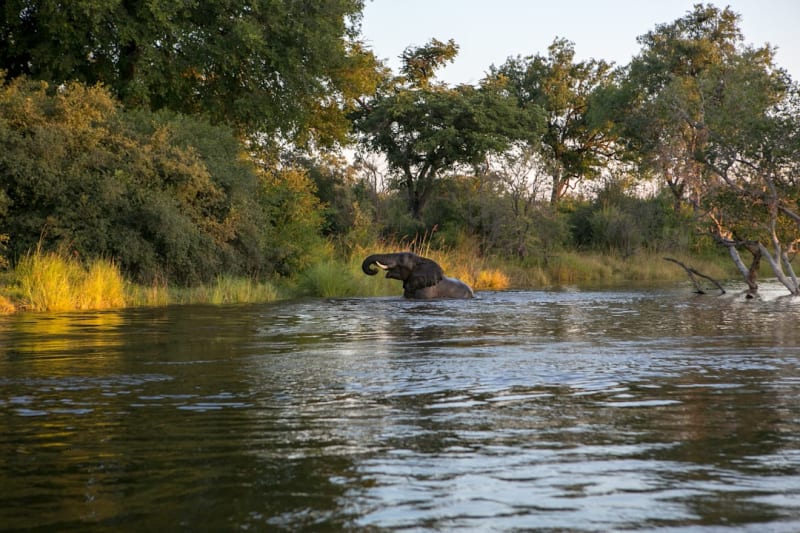
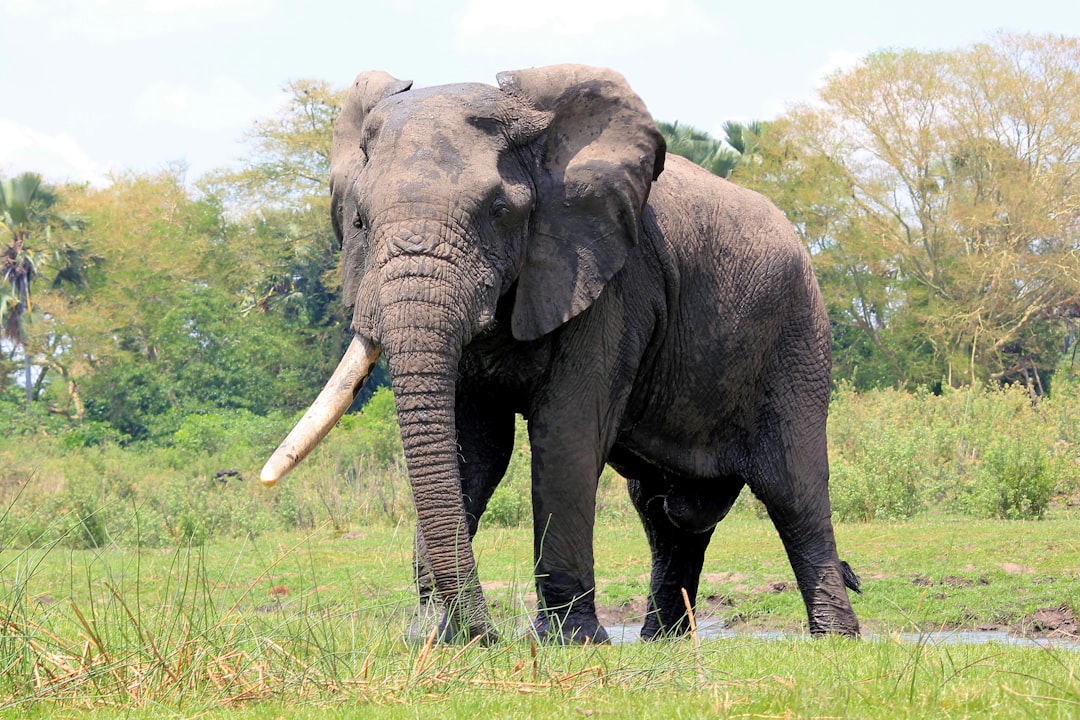
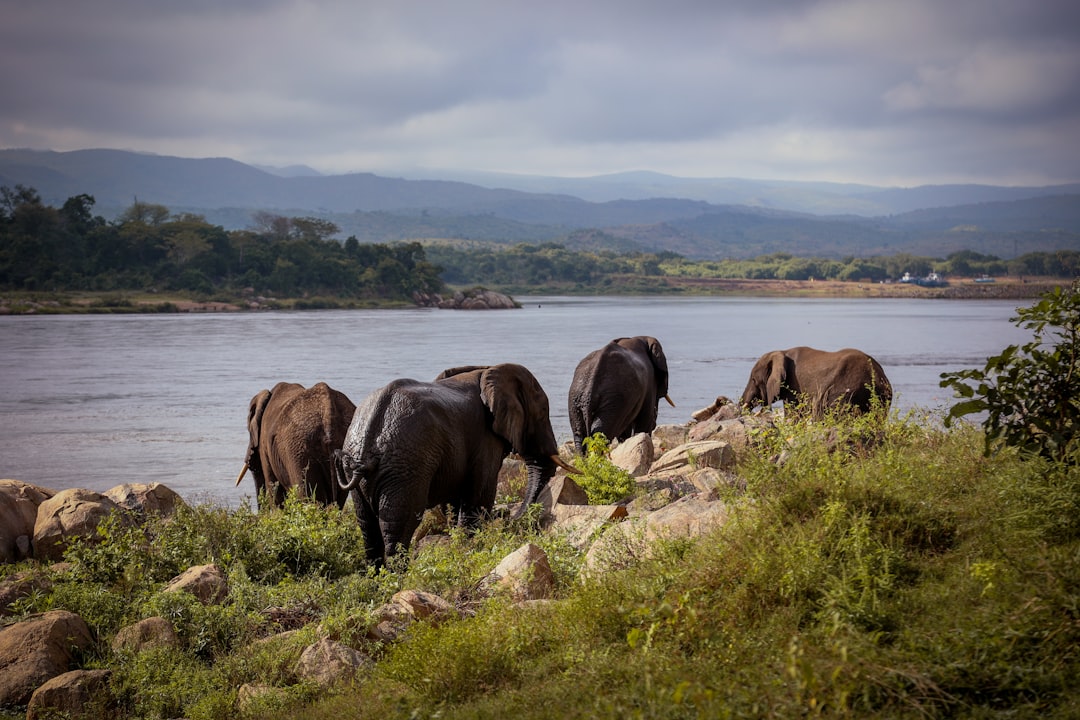
Liwonde National Park is Malawi's premier safari destination and the best choice for first-timers. The park covers 548 square kilometers along the Shire River and hosts large concentrations of wildlife [3]. You'll see elephants, lions, hippos, and numerous bird species in a compact area.
The river setting makes Liwonde special. Game drives follow the riverbank, offering excellent viewing opportunities. Many lodges offer boat safaris, which provide a different perspective and unique animal encounters. First-timers appreciate the variety of safari styles available here.
Liwonde has mid-range and budget lodges, making it accessible for travelers on all budgets. A 3-day Liwonde package typically costs $800–$1,200 per person, including accommodation and guided drives. This makes it perfect for combining with other activities or parks.
Majete Wildlife Reserve offers a different safari experience. This reserve is smaller but densely packed with wildlife thanks to intensive conservation efforts [4]. African Parks has led a successful reintroduction program, bringing back lions, cheetahs, and even rhinos to the landscape.
Majete feels more exclusive than Liwonde. Fewer visitors and lodges mean a quieter experience. The terrain is more varied, with open plains, woodland, and rocky outcrops. This diversity appeals to photographers and nature enthusiasts seeking dramatic landscapes.
Accommodation options are more limited but excellent. Budget lodges start around $100–$150 per night, while mid-range options run $200–$400. A 2–3 day Majete package costs $600–$1,000 per person, making it ideal for shorter trips.
Nkhotakota Wildlife Reserve
Nkhotakota Wildlife Reserve is larger but less developed for tourism. The park covers 1,800 square kilometers and hosts diverse wildlife, yet fewer lodges operate here compared to Liwonde or Majete. This makes it less ideal for first-timers but excellent for adventurous travelers seeking solitude.
Development is ongoing at Nkhotakota. Some areas lack infrastructure, and game-viewing success varies by season. First-timers might find this reserve challenging without experienced local guides. However, it's perfect if you're combining multiple parks and want to explore beyond the main tourist circuits.
Costs at Nkhotakota are similar to Majete, but fewer package options exist. Plan to work with a local operator or guide service rather than booking pre-made packages.
Real Costs: Breaking Down Your Malawi Safari Budget
Understanding true safari costs helps you plan realistically and avoid surprises. A 7-day Malawi safari breaks down into several expense categories: accommodation, meals, activities, transport, and guide fees. Let's examine each to show you exactly where your money goes.
Accommodation Costs
Accommodation is your largest expense on any safari. Budget lodges in Liwonde and Majete cost $80–$150 per night. Mid-range options run $150–$300 per night. Luxury lodges exceed $400 per night but offer exceptional comfort and service.
For a 7-day safari, budget travelers spend $560–$1,050 on lodging alone. Mid-range travelers spend $1,050–$2,100. These prices include accommodation but typically exclude meals and activities. All-inclusive packages bundle everything together, simplifying budgeting.
Many first-timers choose mid-range lodges as the sweet spot. You get comfortable rooms, good food, and experienced guides without excessive costs. This category offers the best value for first-time experiences.
Game Drives and Activities
Game drives are the heart of your safari. Full-day drives cost $50–$100 per person, depending on the park and lodge. Half-day drives cost $30–$60. Most 7-day packages include 2–3 drives daily.
Specialized activities cost extra. Walking safaris run $40–$80 per person. Boat safaris on rivers or lakes cost $30–$70. Night drives, where available, add $40–$60 to your daily cost. These optional activities enhance your experience but aren't essential for first-timers.
For a 7-day safari with 2 daily drives, budget $700–$1,400 for activities alone. All-inclusive packages typically include this in their quoted price, which simplifies planning.
Meals and Beverages
Food costs vary by lodge category. Budget lodges charge $15–$25 per meal. Mid-range lodges include meals in their nightly rate but may charge $5–$15 for drinks and snacks. Luxury lodges include all meals and beverages in their premium pricing.
Expect to spend $30–$50 daily on meals at budget lodges. Mid-range lodges typically include meals, so you only pay for extras. Alcoholic beverages cost extra everywhere—budget $5–$10 daily if you drink.
For a 7-day trip, food adds $210–$350 to your budget if staying at budget lodges. Mid-range and all-inclusive packages absorb these costs into their quoted price.
Transportation and Transfers
Getting to Malawi and between parks costs money. International flights from the US or Europe typically cost $800–$1,200. Regional flights within Malawi cost $100–$250 per sector.
Ground transfers from the airport to lodges cost $50–$150 depending on distance. Many packages include airport transfers, but verify this when booking. Budget $150–$400 total for internal transportation during a 7-day safari.
Combining flights and transfers, expect $1,000–$1,500 in transportation costs. Many travelers combine Malawi with other regions to spread flight costs across multiple destinations.
Total Budget Breakdown
A 7-day Malawi safari totals $1,800–$2,500 per person in 2026, as follows:
Accommodation: $560–$2,100
Game drives and activities: $700–$1,400
Meals: $210–$350
Internal transfers: $150–$400
Flights and visas: $800–$1,500
All-inclusive packages simplify budgeting by bundling accommodation, meals, and activities. These packages typically run $1,500–$2,200 per person for 7 days, excluding international flights.
Safety concerns often worry first-time safari travelers. The good news: Malawi is generally a safe country for tourists, with stable political conditions and low crime rates affecting visitors [6]. Wildlife safety is manageable with proper precautions and experienced guides.
General Country Safety
Malawi ranks among Africa's safest countries for tourists. The government is stable, and locals are friendly and welcoming. Petty theft occurs in major towns like Lilongwe and Blantyre, but safari areas are far removed from these urban centers.
Always follow these basic safety rules: avoid walking alone at night, don't display expensive jewelry or cameras, keep valuables in room safes, and use registered taxis in towns. Most safari lodges provide secure facilities and experienced staff to help you stay safe.
Check current travel advisories from your government before traveling. Conditions change, and official sources provide the most up-to-date information. Your safari operator should also brief you on current conditions.
Wildlife Safety and Precautions
Wildlife encounters are thrilling but require respect and caution. Always follow your guide's instructions without question. Guides understand animal behavior and know safe distances for viewing and photography.
Key wildlife safety rules:
Stay in vehicles during game drives unless your guide permits walking
Never approach animals, even if they appear calm or distant
Keep noise low to avoid startling animals
Never feed animals or leave food outside your room
Wear neutral colors to blend into the landscape
Listen carefully to all guide safety briefings
Walking safaris are popular but require extra caution. Only participate in walking safaris led by experienced guides, and never walk alone. Walking safaris happen in designated areas where wildlife is less dense, making them relatively safe when properly supervised.
Health and Environmental Safety
Safari regions experience extreme heat, sudden storms, and challenging terrain [5]. Heat exhaustion is common during hot months. Drink plenty of water, wear sun protection, and take breaks in shade during midday heat.
Malaria is present in most safari areas. Take antimalarial medication as prescribed by your doctor, use insect repellent, and sleep under mosquito nets provided by lodges. Long sleeves and pants during dawn and dusk reduce mosquito bites.
Medical facilities in safari areas are limited. Travel insurance that covers medical evacuation is essential. Major lodges have first aid equipment and can arrange helicopter evacuation if needed. Carry a personal first aid kit with blister treatments, pain relievers, and diarrhea medication.
Timing your first safari affects wildlife viewing, weather, and costs. Malawi has distinct seasons, and each offers different advantages. May through October is peak season, offering the best wildlife viewing but higher prices and more crowds.
Peak Season: May–October
The dry season runs from May through October. Vegetation thins, making animals easier to spot. Temperatures are mild, and rainfall is minimal. This is the best time for wildlife photography and first-time safari experiences [1].
Game-viewing success is highest from July through September. Animals gather near water sources, creating frequent sightings. Visitor numbers peak during these months, meaning more vehicles in parks and higher prices. However, the exceptional wildlife viewing justifies the crowds for many first-timers.
Accommodation costs $150–$300 per night in mid-range lodges during peak season. Book 3–6 months ahead to secure good lodges and competitive rates. Expect to pay 10–20% more than shoulder season prices.
Shoulder Season: April & November
April and November offer a sweet spot for budget-conscious first-timers. Wildlife is still abundant as animals remain near water sources. Vegetation is thicker than peak season but thinner than wet season. Prices drop 15–25% compared to peak season.
Rain is possible but typically light and brief. Days remain warm, and nights cool. Fewer tourists visit during shoulder season, creating more intimate safari experiences. Accommodation runs $100–$200 per night at mid-range lodges.
April and November are ideal for first-timers wanting good wildlife viewing without peak season prices or crowds. Book 6–8 weeks ahead for availability.
Wet Season: December–March
The wet season is least popular for safaris but offers advantages for specific travelers. Rainfall is heavy, especially December through February. Vegetation becomes lush, and animals disperse across wider areas, making sightings less predictable.
However, prices drop 30–50% from peak season rates. Birdwatching is exceptional, as migratory species arrive. Landscapes are green and photogenic. Fewer tourists mean peaceful experiences and personalized guide attention.
First-timers should avoid December–February unless they're experienced with challenging conditions. April–November offers more reliable wildlife viewing and better overall experiences for newcomers.
Practical Tips for Your First Malawi Safari
Preparation transforms your first safari from good to unforgettable. Packing properly, booking wisely, and managing expectations all contribute to success. Here are essential tips every first-timer should know.
What to Pack
Pack neutral-colored clothing in earth tones: khaki, tan, brown, and olive green. Bright colors startle animals and reduce wildlife viewing. Bring layers because mornings and evenings are cool, while middays are hot. A light jacket or fleece is essential.
Essential items include:
High SPF sunscreen and lip balm with SPF
Insect repellent (DEET-based for malaria areas)
Binoculars for better wildlife viewing
Camera or smartphone with extra batteries
Comfortable hiking boots broken in before your trip
Hat or cap for sun protection
Reusable water bottle for hydration
Antimalarial medication as prescribed
Personal medications and basic first aid supplies
Avoid packing white, black, or bright colors. Leave valuable jewelry at home. Bring copies of your passport, travel insurance documents, and vaccination records.
Booking Your First Safari
Book through verified operators who have authentic reviews and proven track records. SafariFind connects you with trusted tour operators offering transparent pricing and real customer feedback. Compare multiple packages before deciding.
Ask these questions when booking:
What's included in the package price?
How many game drives daily are included?
What's the guide's experience level?
What's the vehicle type and group size?
What's the cancellation and refund policy?
Are there hidden fees not mentioned in the quote?
Request references from past first-time travelers. Read online reviews carefully, looking for feedback from similar travelers. Budget 3–6 months lead time for booking to secure good rates and availability.
Managing Expectations
Wildlife viewing isn't guaranteed, even in peak season. Some days you'll see dozens of animals. Other days you might see few. This unpredictability is part of safari's appeal. Experienced guides maximize viewing chances, but luck plays a role too.
Embrace the experience beyond animals. Birdwatching, landscape photography, and local culture offer rich rewards. Sunrise and sunset drives are magical regardless of animal sightings. Enjoy the journey, not just the destination.
First safaris create lasting memories. Stay flexible, listen to your guides, and remain open to unexpected discoveries. Many first-timers return home planning their next safari before unpacking.
Comparing Malawi to Other Safari Destinations
First-timers often wonder how Malawi compares to Kenya, Tanzania, or other African safari destinations. Each has strengths and trade-offs. Understanding these differences helps you choose the destination matching your priorities.
Malawi vs. Kenya
Kenya offers iconic parks like the Masai Mara with dramatic wildlife spectacles. However, Kenya safaris cost $3,000–$5,000 for 7 days, significantly more than Malawi's $1,800–$2,500 [1]. Kenya attracts more international tourists, creating busier parks and higher prices.
Malawi offers similar wildlife viewing at lower costs with fewer crowds. Kenya excels for specific experiences like the Great Migration, but Malawi provides excellent value and authentic experiences. For budget-conscious first-timers, Malawi is the smarter choice.
Tanzania hosts the famous Serengeti and Ngorongoro Crater. These parks deliver spectacular wildlife experiences but at Tanzania's $2,800–$4,500 price point for 7 days. Tanzania attracts heavy tourism, particularly during peak season.
Malawi offers comparable wildlife viewing at lower costs with more intimate experiences. Tanzania's advantage is iconic status and specific migration events. Malawi's advantage is affordability and accessibility for first-timers on tight budgets.
Malawi vs. Botswana
Botswana's Okavango Delta is spectacular but extremely expensive, running $4,000–$7,000+ for 7 days. Botswana attracts luxury travelers and offers exclusive experiences. Malawi delivers similar wildlife diversity at a fraction of the cost, making it ideal for value-conscious travelers.
Book your 7-day Malawi safari 3–6 months in advance to secure mid-range lodges at $1,800–$2,500 and access to peak season availability.
Choose Liwonde National Park for your first safari because it offers the best wildlife density, multiple activity options, and excellent lodge variety for all budgets in 2026.
Visit during May–October peak season for the highest wildlife-viewing success rate and most reliable game drive experiences, even though prices are 15–25% higher than shoulder seasons.
Pack neutral colors, sunscreen, binoculars, and antimalarial medication to maximize comfort, wildlife viewing, and health protection throughout your 7-day safari.
Book through SafariFind's verified operators to compare real packages, read authentic traveler reviews, and ensure transparent pricing with no hidden fees.
Frequently Asked Questions
How much does a 7-day Malawi safari cost in 2026?
A 7-day Malawi safari costs $1,800–$2,500 per person in 2026, including accommodation, meals, game drives, and activities [1]. Budget lodges run $1,500–$1,800, while mid-range packages cost $1,800–$2,500. Luxury safaris exceed $3,000. International flights add $800–$1,500 to your total budget.
Is Malawi safe for first-time safari travelers?
Yes, Malawi is generally safe for tourists, with stable political conditions and low crime rates affecting visitors [6]. Wildlife safety is managed through experienced guides, vehicle-based viewing, and clear safety protocols. Follow your guide's instructions, stay alert, and use common sense. Travel insurance covering medical evacuation is essential.
What's the best time to visit Malawi for a first safari?
May through October is the best time for first-time Malawi safaris, with peak wildlife viewing from July–September. Temperatures are mild, rainfall is minimal, and animals gather near water sources. Book 3–6 months ahead for availability. April and November offer good wildlife viewing at 15–25% lower prices if you're flexible on timing.
Which Malawi park is best for first-timers?
Liwonde National Park is the best choice for first-timers because it offers excellent wildlife density, multiple activity types (game drives, boat safaris, walking safaris), and diverse lodging options across all budgets [3]. The compact park size makes it easier to navigate, and concentrated wildlife ensures frequent sightings.
Do I need vaccinations or antimalarial medication for Malawi?
Yes, you should consult your doctor about vaccinations and antimalarial medication before traveling to Malawi. Yellow fever vaccination is recommended. Malaria is present in safari areas, so antimalarial medication prescribed by your doctor is essential. Malaria prevention includes medication, insect repellent, and sleeping under mosquito nets provided by lodges.
Can I see lions, elephants, and leopards on a Malawi safari?
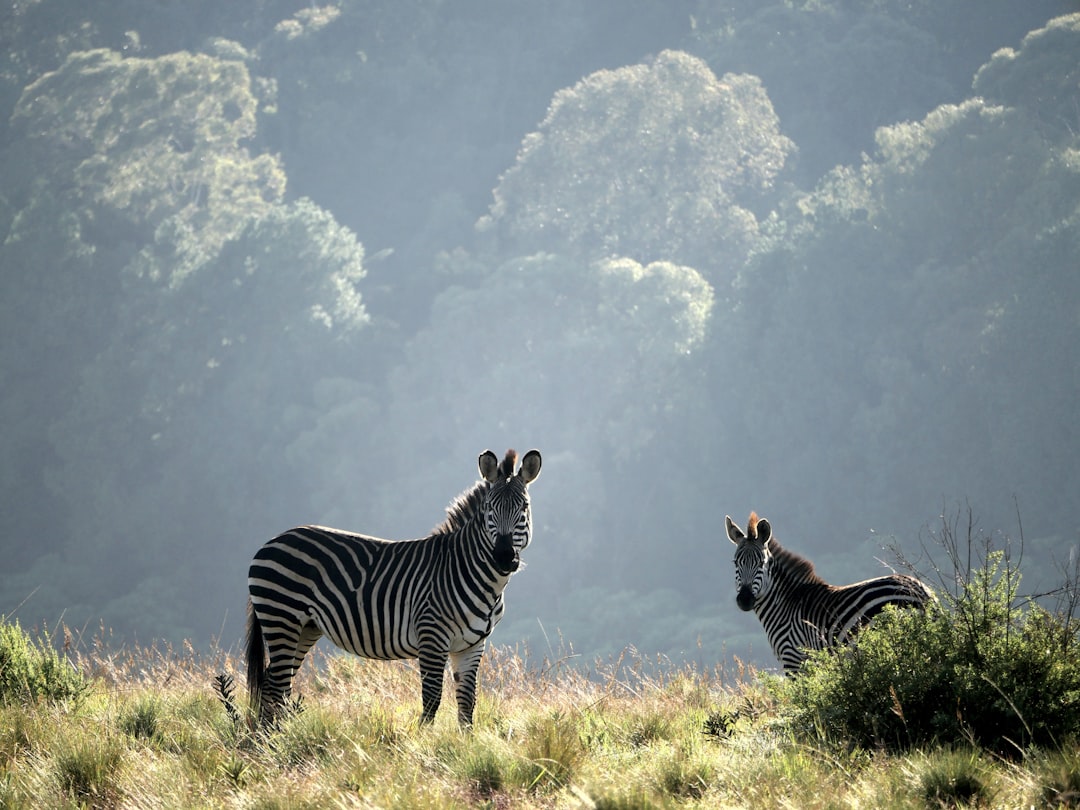
Yes, Malawi safaris offer excellent chances to see lions, elephants, leopards, and many other animals, especially during peak season in established parks like Liwonde and Majete [3]. Wildlife sightings are never guaranteed, but experienced guides maximize viewing opportunities. Majete has successful lion and cheetah reintroduction programs, increasing big cat viewing chances.
How do I book a Malawi safari package safely?
Book through verified operators on SafariFind, which connects you with trusted tour companies offering authentic customer reviews and transparent pricing. Compare multiple packages, ask detailed questions about inclusions, read past traveler reviews, and verify cancellation policies before committing. Request references from previous first-time travelers to confirm quality.
Conclusion
Your first Malawi safari is an investment in memories that last a lifetime. At $1,800–$2,500 for 7 days, Malawi offers exceptional value compared to Kenya, Tanzania, or Botswana, without sacrificing wildlife viewing or authentic experiences. The combination of affordable pricing, stable safety conditions, and intimate park experiences makes Malawi ideal for first-timers in 2026.
Liwonde National Park delivers the best first-time experience, with reliable wildlife sightings and diverse activity options. Visiting during peak season (May–October) ensures optimal wildlife viewing, though shoulder season (April, November) offers better value. Preparation—packing properly, booking with verified operators, and managing expectations—transforms your safari into an unforgettable adventure.
Start planning your first Malawi safari today. Compare verified Malawi safari packages on SafariFind to find operators matching your budget and interests. Read authentic reviews from past travelers, request quotes from multiple operators, and book 3–6 months ahead for the best rates and availability. Your African adventure awaits—and Malawi is the perfect place to begin.
Plan Your Safari with SafariFind
These recommendations use real data from SafariFind, where you can compare operators, browse packages, and read verified traveler reviews before you book.
What Travelers Say (SafariFind Reviews)
5★ - "Thank you for organizing an incredible experience! It’s clear that this journey was a perfect blend of relaxation, adventure, networking and breathtaking natural beauty. Starting at Kenya Namanga, the adventure through T" - Ms Temz • Verified review
"Thank you for organizing an incredible experience! It’s clear that this journey was a perfect blend of relaxation, adventure, networking and breathtaking natural beauty. Starting at Kenya Namanga, the adventure through Tanzania, Malawi, Zambia, Zimbabwe, Botswana, and Namibia truly was a dream itinerary. Chitimba Beach and Kande beach in Malawi brings its magic to life—the pristine sands, tranquil waters, and, of course, the breathtaking sunrise and sunset of Lake Malawi. The transition to Zambia and the awe-inspiring Victoria Falls was beautiful. The sheer power of the falls, combined with the thrilling bungee jump over the Zambezi Gorge, was an exciting experience.Exploring the falls from the Zimbabwean side and the lush rainforest walk sounds like the perfect complement to this natural wonder. The wildlife encounters in Chobe National Park, Botswana, and the surreal landscapes of Sossusvlei in Namibia seem to have added layers of depth and diversity to my journey. The detailed planning and seamless logistics of the trip truly shine through, ensuring that we were able to enjoy each destination without worry. Thank you for the accommodations, felt home away from home, the guide and overall organization was impeccable It’s clear that this journey wasn't just a trip—it was an unforgettable adventure packed with moments of awe and wonder. Highly recommended for anyone looking for the perfect mix of thrill, culture, and nature! Looking forward to travel with you😊"
Ms Temz•4/22/2026
5★ - "We are really excited about our safari! We booked a 4 day safari, visiting Tarangire, Serengeti and Ngoro Ngoro cCater. Our guide Zighy was always there, kept us safe and allowed us to see lots of animals and birds, all " - Corinne • Verified review
"We are really excited about our safari! We booked a 4 day safari, visiting Tarangire, Serengeti and Ngoro Ngoro cCater. Our guide Zighy was always there, kept us safe and allowed us to see lots of animals and birds, all big fives, without pressure and allowing us to fully enjoy the experience. Zighy is a special person, very respectful of the people, flora and fauna of the savannah. Doudi, the manager of Meijo Safaris, was kind, he explained to us before the safari what to expect and then came back at the end of the safari to get feedback. The hotels and lodges were comfortable, the one in Serengeti is very special (Malawi), and the staff very nice. The chefs have been great! We will recommend this unforgettable safari to our friends. Thanks Meijo Safaris!"