Safari Guides•16 min read
Malawi Safari Animals: 12 Species & Where to Spot Them
Discover 12 Malawi safari animals including the Big Five, hippos, and crocodiles. Learn where to spot them, best visiting season, and costs for 2026.
Share this article
Discover 12 Malawi safari animals including the Big Five, hippos, and crocodiles. Learn where to spot them, best visiting season, and costs for 2026.

Discover Eswatini's best safari parks for dry season 2026 (May–September). See rhinos, elephants, lions. Book 3–6 months ahead on SafariFind.

Singaporean travellers to Botswana do not require yellow fever vaccination for direct flights, but must carry proof if transiting yellow fever–endemic countries. Malaria prophylaxis, hepatitis A, and typhoid are recommended based on itinerary.
Last updated: July 2026
Malawi safaris let you see the Big Five, hippos, crocodiles, and diverse antelope species across Liwonde and Majete parks. The best time to visit is May to October when wildlife is concentrated near water sources. A 7-day safari costs $1,800–$4,500 per person depending on lodging and park choices.
Malawi safari animals include the Big Five (lion, leopard, buffalo, elephant, and rhino) plus hippos, crocodiles, and diverse antelope species.[3] The country's parks host over 400 bird species and smaller predators like wild dogs and hyenas.[5] Malawi is not as crowded as Kenya or Tanzania, so you often see animals with fewer tourists around.
The Big Five can be seen in Malawi's flagship reserves, particularly Majete Wildlife Reserve.[4] Majete's granite hills and miombo woodlands shelter all five species, with elephants and buffalo easiest to spot.[4] Liwonde National Park, meanwhile, offers excellent hippo viewing along the Shire River.
Malawi's wildlife diversity makes it a unique safari destination. You can find caracals, servals, and other smaller cats alongside warthogs, zebras, and impalas.[5] The combination of riverine habitats and woodland means you see different species in different seasons.
Lions and leopards inhabit Malawi's protected reserves, though sightings require patience and good guides. Majete Wildlife Reserve is your best bet for both species.[4] Lions prefer open grasslands and woodland edges, while leopards hunt in riverine forests and rocky outcrops.
Early morning and late afternoon game drives increase your chances of seeing these big cats. Lions are more active in cooler hours when they hunt or move between territories. Leopards are nocturnal hunters, so night drives with experienced guides offer better sightings.
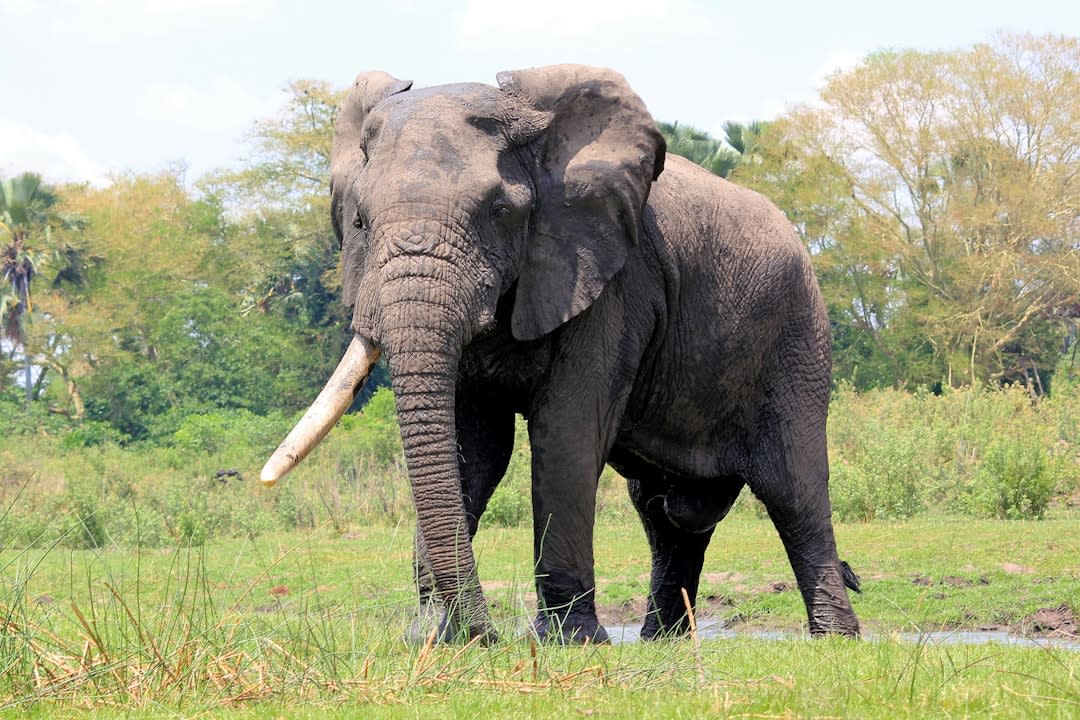
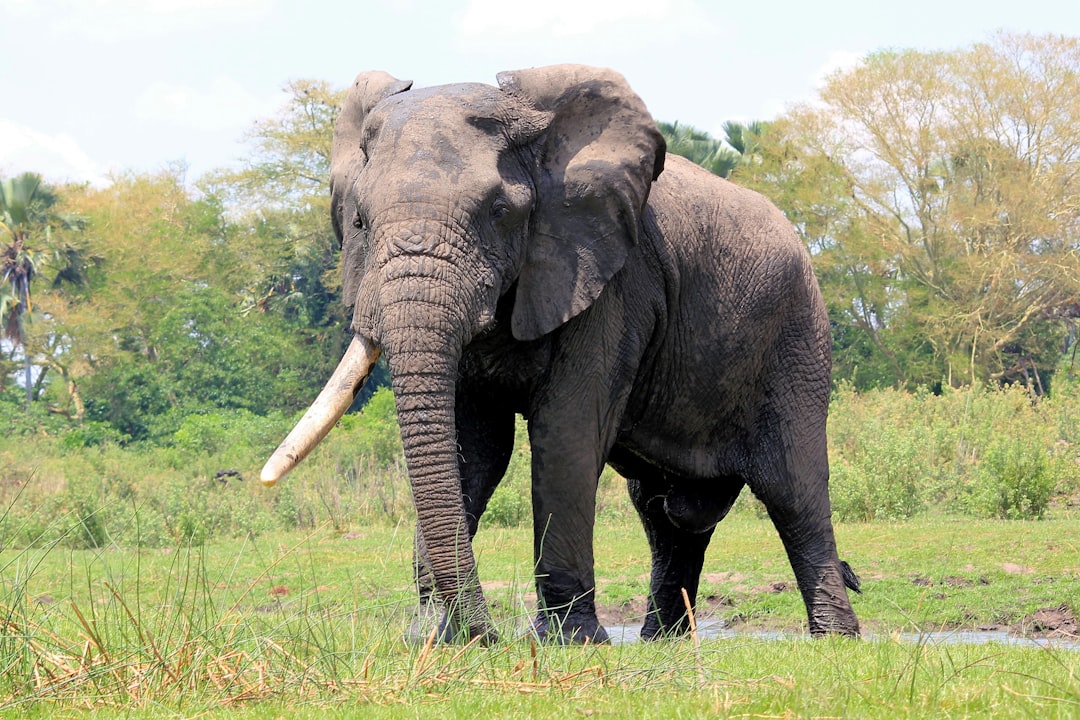
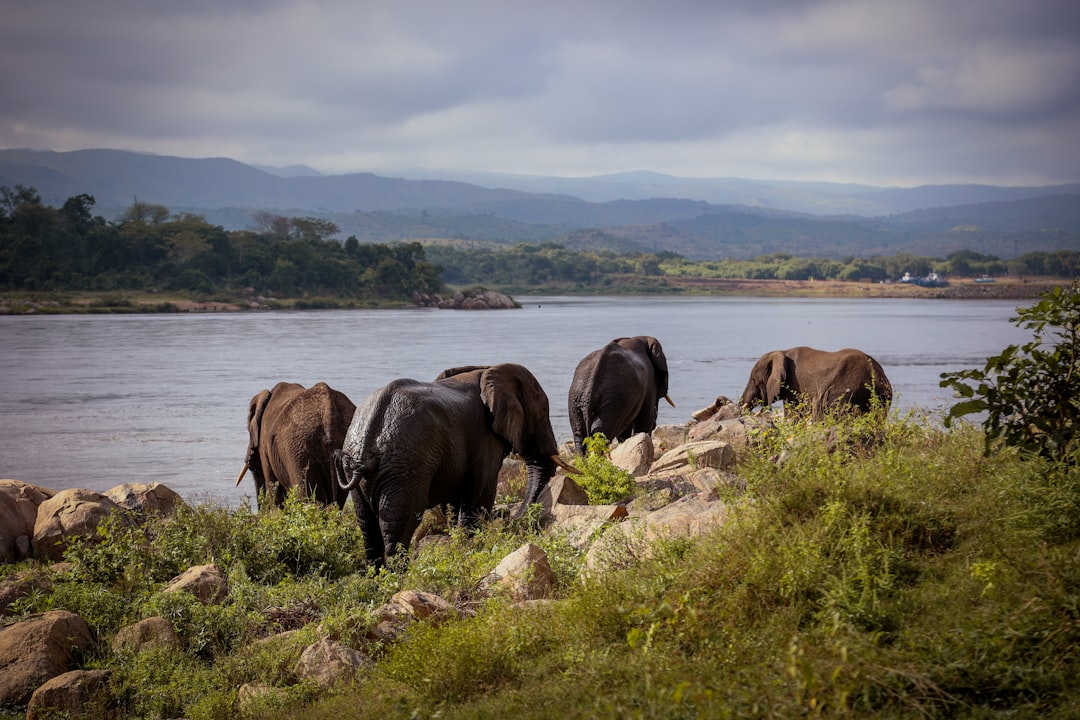
Elephants and buffalo are the easiest Big Five members to spot in Malawi.[4] Large herds roam Majete and Liwonde, especially during dry season (May–October). Liwonde National Park hosts large elephant populations that gather at the Shire River.
Elephants need water daily, so they visit rivers and waterholes regularly. Buffalo move in herds of 50–200 animals, making them highly visible. Both species are most active in early morning and late afternoon when temperatures drop.
Black rhinos are present in Malawi but remain rare and elusive.[5] Majete Wildlife Reserve protects a small population as part of African rhino conservation efforts. Spotting a rhino requires patience and skilled guides who know their favorite habitats.
Rhinos prefer thick bush and rocky areas where they can hide. Your guide will look for fresh tracks, dung, and browse marks to locate them. Early morning walks with experienced trackers offer your best chance.
Ready to book your Malawi safari? Explore 7-day Malawi safari packages from $1,800 with verified operators on SafariFind.
Hippos are found in large numbers throughout Malawi's waterways, almost symbolic of the country's wildlife experience.[5] Liwonde National Park is famous for massive hippo populations concentrated in the Shire River floodplain grasslands.[8] You'll see dozens of hippos during a single game drive along the river.
Hippos spend days submerged in water to keep cool, emerging at dusk to graze. They are unpredictable and dangerous, so guides maintain safe distances. Early morning and late afternoon river cruises offer excellent hippo viewing opportunities.
Crocodiles inhabit the Shire River and other water bodies throughout Malawi.[8] These prehistoric hunters sun themselves on riverbanks and in shallow water. Nile crocodiles can grow over 16 feet long, making them formidable apex predators.
River cruises and boat safaris let you observe hippos and crocodiles up close. The Shire River floodplain grasslands are particularly rich in both species.[8] Water-based tours are gentler on your back than long game drives and offer unique perspectives.
For a comprehensive view of what Malawi offers, read how Malawi compares to Kenya and Tanzania for safari wildlife.
Malawi's antelope diversity is stunning, including sable and waterbuck species.[3] Sable antelope are striking animals with long curved horns, found in woodlands and grasslands. Waterbucks prefer areas near water and are easily spotted along rivers and waterholes.
Impalas are the most common antelope you'll encounter in any Malawi national park.[7] They're incredibly beautiful but often overlooked by tourists distracted by bigger animals. Many guides skip impala sightings, but their grace and behavior are worth observing.
Kudus, reedbucks, and other antelope species share Malawi's parks.[8] Kudus are large, shy antelope with spiral horns, while reedbucks are small and delicate. Each species occupies different habitats and feeding zones.
Wild dogs are highly social predators living in packs of 5–15 animals.[3] They hunt cooperatively with incredible success rates, chasing prey at speeds over 40 mph. Spotting wild dogs is a privilege reserved for lucky safari-goers with patient guides.
Spotted hyenas are common in Malawi's parks, though often seen at night.[8] These powerful carnivores have a bite force stronger than lions. They're intelligent scavengers and skilled hunters, not just the comedic animals portrayed in movies.
Both wild dogs and hyenas play crucial roles in ecosystem balance. They control herbivore populations and clean up carcasses. Night drives increase your chances of spotting these nocturnal predators.
Warthogs are quirky animals you'll see regularly across Malawi's parks. They run backward when chased, with tails held high like antennas.[8] Despite their comical appearance, they're surprisingly aggressive when protecting piglets.
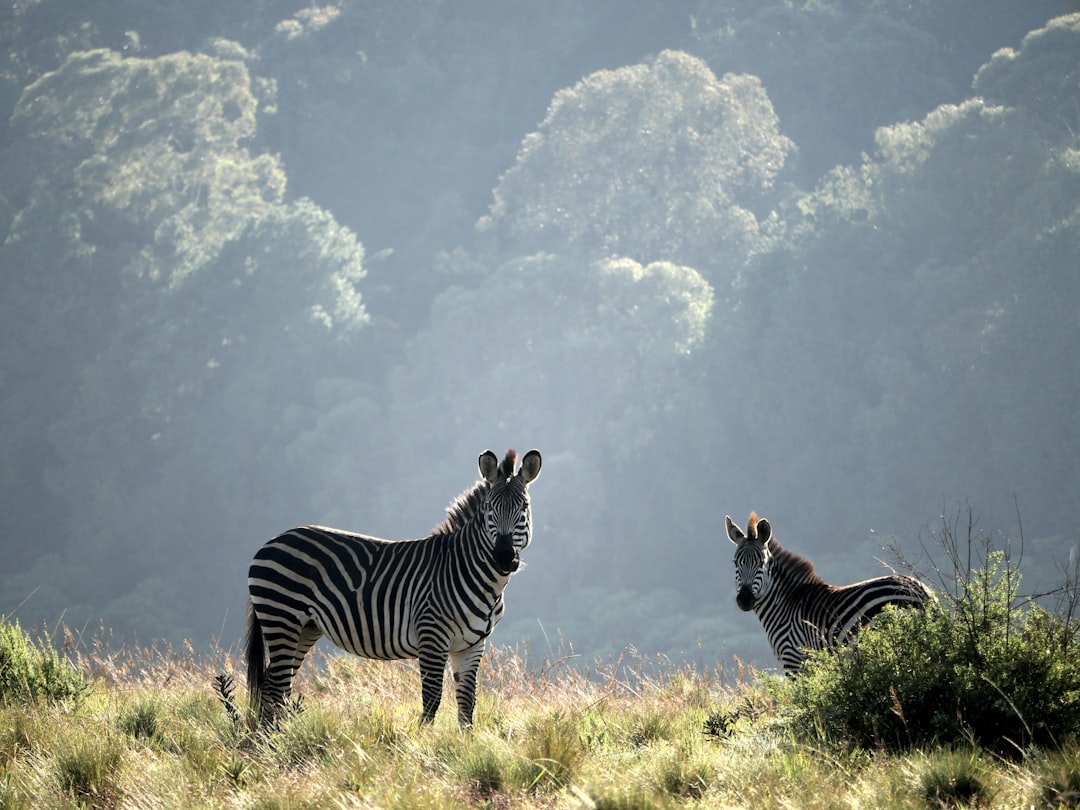
Zebras roam grasslands and open woodlands throughout Malawi.[8] These striped equines are social animals living in family groups. Each zebra's stripe pattern is unique, like a fingerprint.
Caracals and servals are smaller wild cats that hunt rodents and small mammals.[5] Both are elusive and nocturnal, making sightings rare but memorable. Servals have long legs and spotted coats, perfectly adapted for grassland hunting.
These cats are rarely seen during day game drives. Night safaris and early morning walks offer better chances. Your guide's knowledge of animal behavior and habitat preferences is essential.
Malawi hosts over 400 bird species, making it a paradise for birders.[3] Eagles, kingfishers, and hornbills are commonly spotted. The variety rivals any African destination.
Smaller animals like porcupines, genets, and civets are nocturnal and rarely seen. However, their presence shapes the ecosystem and food web. Night drives sometimes reveal these mysterious creatures.
Majete Wildlife Reserve is Malawi's flagship reserve with all the Big Five.[4] The granite hills, miombo woodlands, and riverine landscapes create diverse habitats.[4] About 12,000 animals share this reserve, including large elephant and buffalo herds.[4]
Majete offers excellent game drives, walking safaris, and river cruises. The reserve is less crowded than parks in Kenya or Tanzania. Your guides are highly trained in wildlife tracking and conservation.
Accommodation ranges from budget camps to luxury lodges. Compare Malawi safari lodges by budget and park location to find your perfect fit.
Liwonde National Park is famous for massive hippo populations along the Shire River.[8] The floodplain grasslands attract elephants, buffalo, leopards, and crocodiles.[8] This park is ideal for water-based safaris and bird watching.
River cruises are a highlight here, letting you observe hippos and crocodiles at close range. The park's riverine forests host diverse bird species. Walking safaris explore woodland trails away from crowds.
Liwonde offers both budget and mid-range lodges. The park is accessible year-round, though May–October offers best wildlife concentration.
Nkhotakota Wildlife Reserve and Kasungu National Park also host diverse wildlife. These reserves are less visited, offering a quieter safari experience. Elephant populations and antelope species thrive in their woodlands.
Choosing between parks depends on your interests and budget. Explore night safaris versus river tours in Malawi packages to customize your experience.
The best time to visit Malawi for wildlife is May to October.[5] During this dry season, animals concentrate around water sources, making them easier to spot. Vegetation is thinner, improving visibility during game drives.
July and August are peak season with the coolest temperatures and most reliable wildlife sightings. However, parks are busier and prices higher. September and October offer good wildlife viewing with fewer crowds.
November to April is the rainy season. Animals disperse into lush vegetation, making sightings harder. However, birding is excellent and prices drop significantly. Learn about peak wildlife season and daily costs in Malawi.
Each season offers unique benefits. Dry season guarantees more sightings. Wet season provides lush landscapes and fewer tourists. Choose based on your priorities and budget.
Pack neutral-colored clothing in earth tones—browns, tans, and greens. Bright colors startle animals. Long sleeves and pants protect from sun and insects. Bring a quality camera with a good zoom lens to capture distant wildlife.
Binoculars are essential for bird watching and spotting distant animals. Sunscreen, a hat, and sunglasses protect from the intense African sun. Comfortable walking boots are crucial for walking safaris.
Book your Malawi safari 3–6 months in advance for better prices and availability. SafariFind connects you with verified tour operators offering transparent pricing and authentic reviews. Request quotes from multiple operators to compare packages and services.
A typical 7-day safari costs $1,800–$4,500 per person depending on lodging quality and park choices. Budget safaris use basic camps; luxury options offer high-end lodges. Mid-range packages provide excellent value and comfort.
Your guide makes or breaks your safari experience. Experienced guides know animal behavior, tracking skills, and park geography. Ask operators about guide training, languages spoken, and customer reviews.
Tip your guide generously—usually $10–15 per day. A good guide shares knowledge, finds animals, and ensures safety. Building rapport with your guide enhances your entire experience.
Malawi's main safari animals include the Big Five (lion, leopard, buffalo, elephant, rhino), hippos, crocodiles, sable antelope, waterbuck, wild dogs, spotted hyenas, and warthogs.[3][5] The country also hosts 400+ bird species and smaller predators like caracals and servals.[5]
Majete Wildlife Reserve is Malawi's flagship park with all the Big Five.[4] Its granite hills, miombo woodlands, and riverine landscapes shelter about 12,000 animals, with elephants and buffalo easiest to spot.[4] Liwonde National Park offers excellent viewing of hippos, elephants, and buffalo along the Shire River.[8]
The best time is May to October during the dry season when animals concentrate near water sources.[5] July and August offer peak viewing and coolest temperatures, though parks are busier and prices higher. September and October provide good wildlife sightings with fewer crowds and slightly lower costs.
A 7-day Malawi safari costs $1,800–$4,500 per person in 2026, depending on lodging quality and park choices. Budget safaris use basic camps; mid-range packages offer excellent value; luxury lodges command premium prices. Book 3–6 months ahead for better rates and availability.
Yes, hippos are found in large numbers throughout Malawi's waterways, almost symbolic of the country's wildlife.[5] Liwonde National Park is famous for massive hippo populations in the Shire River floodplain grasslands.[8] Crocodiles inhabit the same rivers and water bodies, making river cruises ideal for viewing both species.[8]
Absolutely. Impalas are incredibly beautiful safari animals found in any Malawi national park, yet many guides skip them because tourists see them frequently.[7] Their grace, behavior, and social structures are fascinating. Taking time to observe impalas rewards you with insights into everyday wildlife dynamics.
SafariFind connects you with verified tour operators offering transparent pricing and authentic traveler reviews. Browse safari packages, request quotes from multiple operators, and compare amenities, prices, and ratings. Reading verified reviews from previous travelers helps you choose the right operator for your budget and interests.
Malawi safari animals offer an incredible African wildlife experience without the crowds of Kenya or Tanzania. The Big Five roam Majete Wildlife Reserve, while hippos and crocodiles dominate Liwonde National Park's Shire River.[4][8] Diverse antelope species, wild dogs, and over 400 bird species create a wildlife paradise.
The best time to visit is May to October when animals gather near water sources. A 7-day safari costs $1,800–$4,500 per person in 2026, making Malawi an affordable safari destination. Hiring an experienced guide dramatically improves your sighting success and overall experience.
Start planning your Malawi adventure today. Compare verified safari packages on SafariFind to find operators with authentic reviews and transparent pricing. Request quotes from multiple operators, read traveler feedback, and choose the package that matches your budget and wildlife priorities. Your Malawi safari awaits in 2026.
These recommendations use real data from SafariFind, where you can compare operators, browse packages, and read verified traveler reviews before you book.
5★ - "Thank you for organizing an incredible experience! It’s clear that this journey was a perfect blend of relaxation, adventure, networking and breathtaking natural beauty. Starting at Kenya Namanga, the adventure through T" - Ms Temz • Verified review
"Thank you for organizing an incredible experience! It’s clear that this journey was a perfect blend of relaxation, adventure, networking and breathtaking natural beauty. Starting at Kenya Namanga, the adventure through Tanzania, Malawi, Zambia, Zimbabwe, Botswana, and Namibia truly was a dream itinerary. Chitimba Beach and Kande beach in Malawi brings its magic to life—the pristine sands, tranquil waters, and, of course, the breathtaking sunrise and sunset of Lake Malawi. The transition to Zambia and the awe-inspiring Victoria Falls was beautiful. The sheer power of the falls, combined with the thrilling bungee jump over the Zambezi Gorge, was an exciting experience.Exploring the falls from the Zimbabwean side and the lush rainforest walk sounds like the perfect complement to this natural wonder. The wildlife encounters in Chobe National Park, Botswana, and the surreal landscapes of Sossusvlei in Namibia seem to have added layers of depth and diversity to my journey. The detailed planning and seamless logistics of the trip truly shine through, ensuring that we were able to enjoy each destination without worry. Thank you for the accommodations, felt home away from home, the guide and overall organization was impeccable It’s clear that this journey wasn't just a trip—it was an unforgettable adventure packed with moments of awe and wonder. Highly recommended for anyone looking for the perfect mix of thrill, culture, and nature! Looking forward to travel with you😊"
5★ - "We are really excited about our safari! We booked a 4 day safari, visiting Tarangire, Serengeti and Ngoro Ngoro cCater. Our guide Zighy was always there, kept us safe and allowed us to see lots of animals and birds, all " - Corinne • Verified review
"We are really excited about our safari! We booked a 4 day safari, visiting Tarangire, Serengeti and Ngoro Ngoro cCater. Our guide Zighy was always there, kept us safe and allowed us to see lots of animals and birds, all big fives, without pressure and allowing us to fully enjoy the experience. Zighy is a special person, very respectful of the people, flora and fauna of the savannah. Doudi, the manager of Meijo Safaris, was kind, he explained to us before the safari what to expect and then came back at the end of the safari to get feedback. The hotels and lodges were comfortable, the one in Serengeti is very special (Malawi), and the staff very nice. The chefs have been great! We will recommend this unforgettable safari to our friends. Thanks Meijo Safaris!"