Madagascar Safari Animals: Complete Species Guide 2026
Discover Madagascar's 90% endemic wildlife including lemurs, fossas, and chameleons. Plan your safari April-October with expert guides and verified operators.
Madagascar is home to over 90% of Earth's endemic wildlife, including lemurs, fossas, chameleons, and unique birds found nowhere else. The best time to visit is April to October when wildlife is most active. Plan 10-14 days to explore rainforests, dry forests, and spiny deserts while seeing species that exist only in Madagascar. Book verified safari packages on SafariFind to find expert guides and authentic wildlife experiences.
At a Glance
Best time to visit: April to October (dry season)
Recommended duration: 10-14 days for comprehensive wildlife viewing
Endemic species: Over 90% of Madagascar's wildlife found nowhere else on Earth
Key habitats: Rainforests, dry forests, spiny deserts, and coastal areas
Main wildlife highlights: Lemurs, fossas, chameleons, tenrecs, and endemic birds
Plant diversity: More than 11,000 endemic plant species including seven baobab types
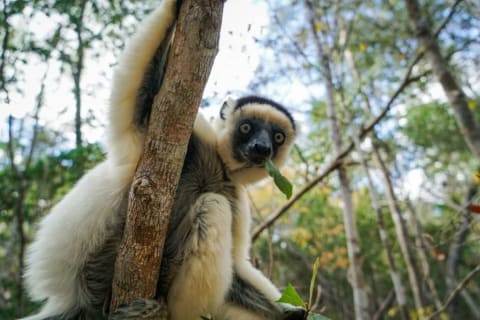
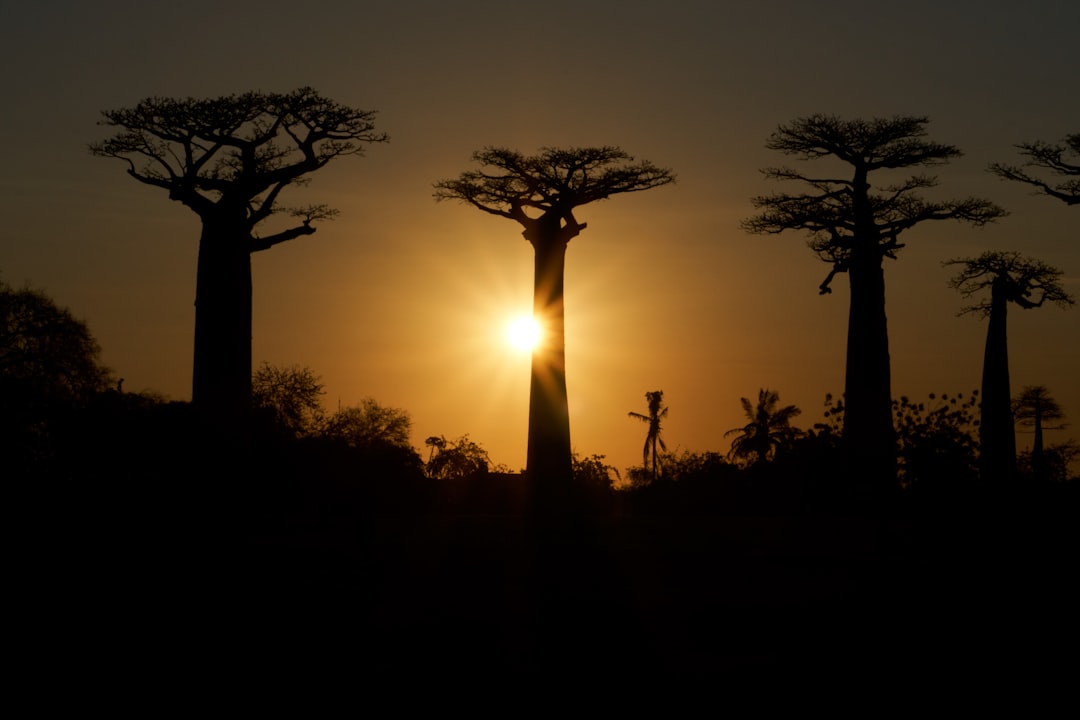
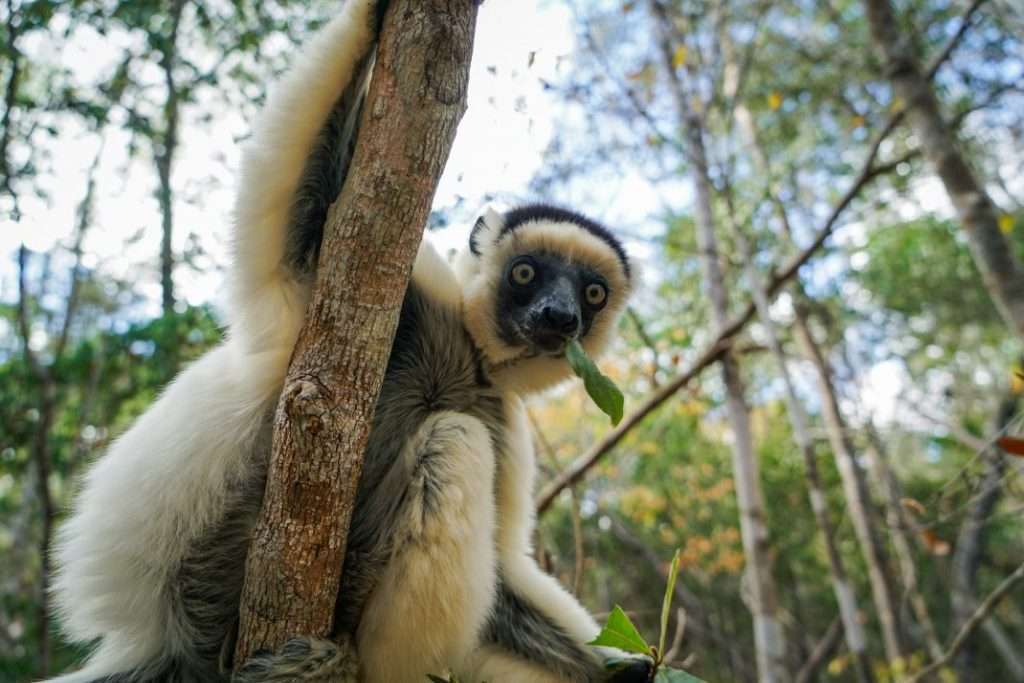
Madagascar is indeed a world apart. Its rainforests are home to diademed sifakas, indris, fossas, and tenrecs, while baobabs and pachypodia dot its sandstone deserts.[1] Over 90% of Madagascar's wildlife exists nowhere else on Earth, making it one of the world's most important conservation destinations. This island nation separated from Africa millions of years ago, allowing animals to evolve in unique ways.
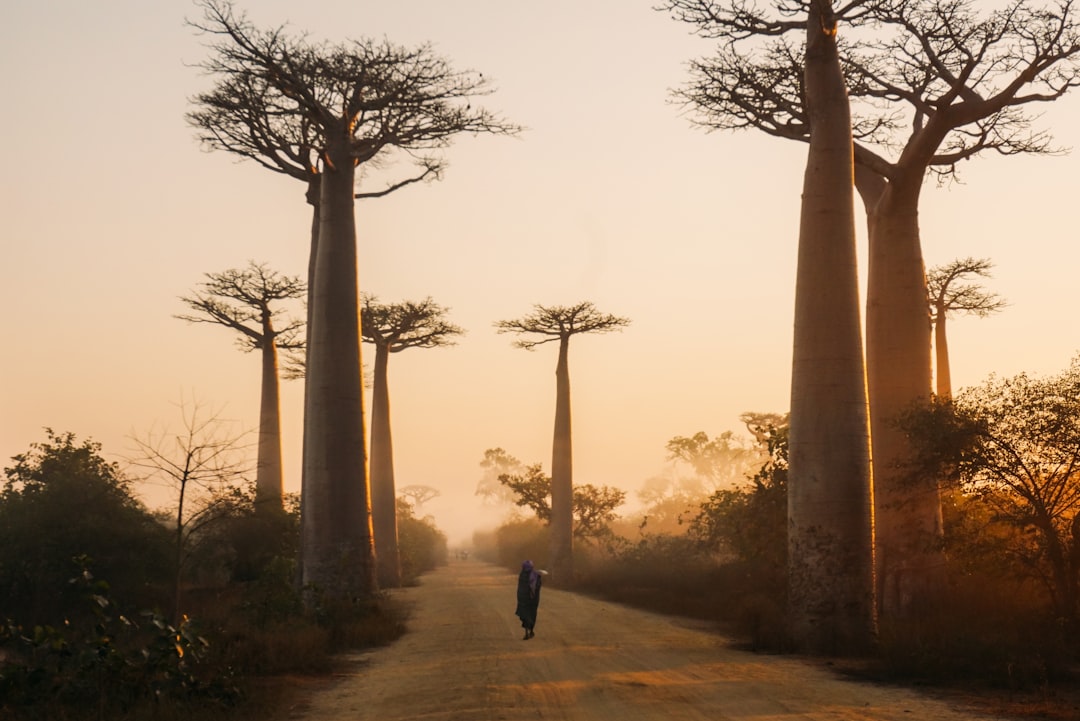
The island's wildlife diversity is staggering. More than 11,000 endemic plant species, including seven species of baobab tree and all lemur species, share Madagascar with a vast variety of mammals, reptiles, fish, amphibians, and birds.[4] When you plan a Madagascar safari, you're not just seeing animals—you're witnessing evolution in action. Each species tells a story of adaptation to Madagascar's distinct ecosystems.
Madagascar's animals have no natural predators except the fossa, a unique cat-like carnivore. This isolation created a completely different food chain than mainland Africa. Lemurs evolved to fill ecological niches that monkeys occupy elsewhere. Birds developed specialized beaks and behaviors found nowhere else. Understanding this context helps you appreciate what you'll see during your safari.
The island contains multiple distinct habitats. Rainforests cover the eastern side and support lemurs and chameleons. Dry deciduous forests in the west harbor different species adapted to seasonal rainfall. The spiny desert in the south features baobabs and desert-adapted animals. Coastal mangrove forests and coral reefs add marine biodiversity. This habitat diversity means different regions offer completely different wildlife experiences.
Safari operators on SafariFind understand these ecosystems deeply. When you compare Madagascar safari experiences with East African options, you'll see why Madagascar's unique animals make it worth the journey. The endemic species you'll encounter simply don't exist in Kenya or Tanzania.
Madagascar's Most Iconic Animals You'll See
Lemurs: The Primates of Madagascar
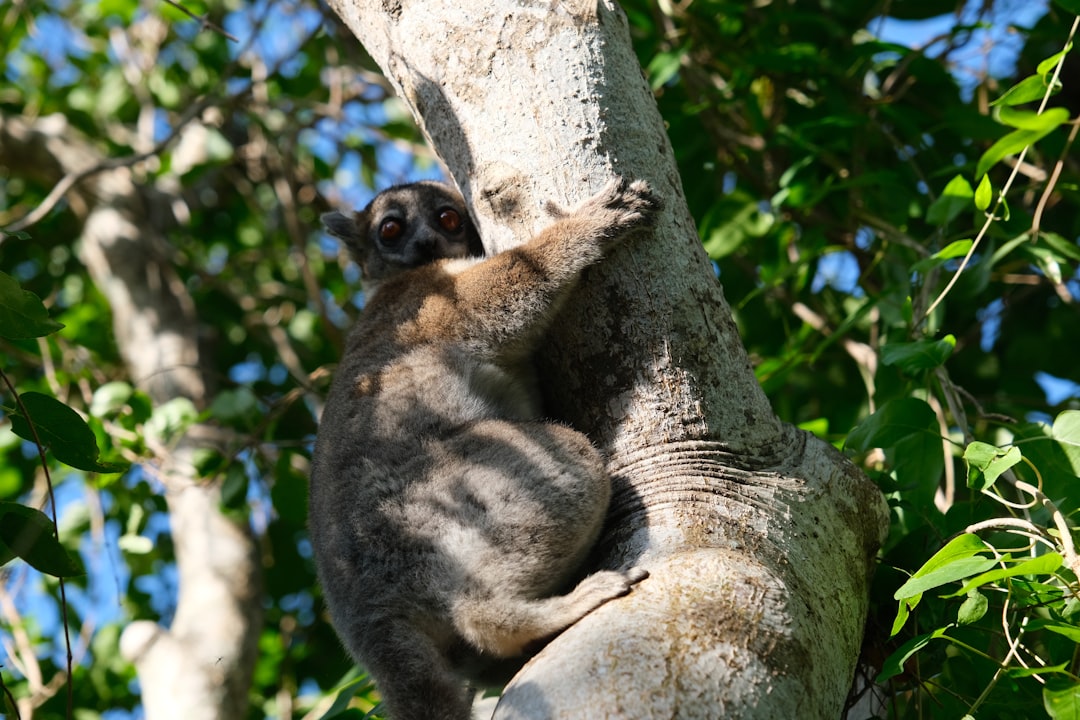
Lemurs are Madagascar's most famous animals. These primates evolved differently from African monkeys and apes, developing unique characteristics suited to island life. Ring-tailed lemurs with their distinctive black-and-white striped tails are the most recognizable species. You'll see them in groups moving through trees and across the ground with their tails held high like flags.
The indri is Madagascar's largest living lemur. This black-and-white lemur can weigh up to 10 kilograms and produces haunting musical calls that echo through rainforests. The indri's call is one of the most distinctive sounds you'll hear on a Madagascar safari. Unlike other lemurs, indris rarely come to the ground, spending their lives high in the forest canopy.
Diademed sifakas are acrobatic lemurs that move through trees using powerful leaps. They can jump up to 10 meters between trees, performing spectacular aerial displays. These lemurs are social animals living in groups of 6-12 individuals. The sifaka's distinctive sideways hopping motion on the ground is one of the most entertaining animal behaviors you'll witness.
Mouse lemurs are among the world's smallest primates, weighing only 300 grams. These nocturnal creatures are hard to spot but worth the effort. Night safaris in places like Andasibe-Mantadia National Park offer chances to see mouse lemurs hunting insects and eating fruit. Their large eyes and quick movements make them fascinating subjects for wildlife photography.
The Fossa: Madagascar's Top Predator
The fossa is Madagascar's apex predator. This cat-like carnivore can reach 2 meters in length, including its long tail. Fossas are agile hunters that climb trees to catch lemurs and hunt ground-dwelling animals. Despite their fearsome reputation, fossas are elusive and difficult to spot in the wild, making a fossa sighting a memorable safari highlight.
Kirindy Forest is known as the fossa capital of Madagascar. Research stations there have habituated fossas to human presence, offering better viewing opportunities. A fossa hunt is a dramatic event—these predators move with incredible speed and precision. The relationship between fossas and lemurs represents Madagascar's unique predator-prey dynamics shaped by millions of years of isolation.
Chameleons: Masters of Adaptation
Madagascar is home to roughly half of the world's chameleon species. These reptiles showcase incredible color-changing abilities and unusual body shapes. The panther chameleon displays brilliant blues, greens, and reds during breeding season. The leaf-nosed chameleon has a distinctive nose appendage that makes it unmistakable.
The bizarre-nosed chameleon is recognized by its large nose appendage and is critically endangered.[5] This species occupies a tiny range in northern Madagascar, with a severely fragmented population. Seeing a bizarre-nosed chameleon requires visiting specific reserves and working with experienced guides. These chameleons represent the conservation challenges Madagascar faces.
Chameleons are slow-moving hunters that rely on camouflage and patience. Their bulging eyes move independently, scanning for insects. Their prehensile tails provide balance in trees. Watching a chameleon hunt is a lesson in evolutionary specialization. Madagascar's chameleon diversity is unmatched anywhere else on Earth.
Tenrecs: Spiky Insectivores
Tenrecs are small, spiky mammals unique to Madagascar. These insectivores range from tiny species weighing 100 grams to the streaked tenrec at 2 kilograms. Tenrecs fill ecological niches that hedgehogs occupy in Europe and Africa. Some species produce ultrasonic sounds for communication, a behavior rare in mammals.
The lowland streaked tenrec is one of the most commonly seen species. These animals are active during the day and night, foraging for insects and small invertebrates. Tenrecs are surprisingly vocal, producing clicking and hissing sounds. During your safari, you'll encounter tenrecs in various habitats from rainforests to dry forests.
Endemic Birds of Madagascar
Madagascar's bird life is extraordinary. The bizarre Cuckoo-Roller should be found alongside a host of other species such as Madagascar Flufftail, the elusive Madagascar Wood Rail, Madagascar Blue Pigeon, Madagascar Sparrowhawk, and Greater Vasa Parrot.[7] These birds are found only in Madagascar, making it a paradise for birdwatchers.
The Madagascar Kingfisher is a stunning blue bird that hunts fish in rivers and wetlands. The Helmet Vanga is a large black bird with an impressive hooked beak. The Sunbird-Asity is a small, colorful bird that feeds on nectar. Madagascar's 283 bird species include about 60% that are endemic to the island.
Birdwatching in Madagascar requires patience and good guides. Early morning is best for seeing and hearing birds. Different habitats host different species—rainforest birds differ from dry forest birds. The variety and beauty of Madagascar's birds rival any destination on Earth.
Andasibe-Mantadia National Park is Madagascar's most visited protected area. This rainforest reserve protects 680 square kilometers of dense forest habitat. Indris, diademed sifakas, and mouse lemurs thrive here. The park offers excellent trails for walking safaris through pristine rainforest. You'll hear indris calling before you see them—their haunting songs are unforgettable.
Kirindy Forest is home to the fossa and the mythical baobabs.[8] This dry deciduous forest protects a different ecosystem than rainforests. Ring-tailed lemurs, fosas, and Verreaux's sifakas inhabit this reserve. Kirindy offers night safaris where you can spot nocturnal species like mouse lemurs and fossas hunting.
Berenty Reserve is a unique dry spiny forest reserve with ring-tailed lemurs galore.[8] This small reserve protects an ancient forest type found only in southern Madagascar. The spiny vegetation and baobab trees create a surreal landscape. Berenty offers excellent lemur viewing with habituated populations that allow close observation.
Ranomafana National Park protects 41,600 hectares of rainforest in southeastern Madagascar. This park is named after the warm springs found there. The park supports 12 lemur species, numerous chameleons, and countless bird species. Ranomafana is less crowded than Andasibe, offering a more immersive rainforest experience.
Tsingy de Bemaraha National Park features spectacular limestone formations called tsingys. These sharp rock formations create a unique landscape unlike anywhere else on Earth. The park protects lemurs, chameleons, and birds adapted to this harsh terrain. Hiking through Tsingy is challenging but rewarding for adventurous travelers.
Seasonal Variations and Optimal Viewing
The dry season from April to October is the best time to visit Madagascar. During these months, rainfall is minimal, making wildlife viewing easier. Animals concentrate around water sources, increasing sighting chances. Temperatures are comfortable, and hiking conditions are excellent. Most safari operators recommend visiting during this window.
The rainy season from November to March brings lush green landscapes. Vegetation is thick, making animals harder to spot. However, this season is best for birdwatching and seeing plants in bloom. Fewer tourists visit during the rainy season, offering a more solitary experience. If you prefer fewer crowds, consider visiting during shoulder months like March or April.
July and August are the coolest months, with temperatures dropping to 10-15°C in highland areas. These months see the highest tourist numbers, so book accommodations early. September and October are warmer and slightly less crowded. May and June offer excellent wildlife viewing with moderate temperatures and fewer tourists.
Planning Your Madagascar Safari: Practical Considerations
Safari Duration and Itinerary Planning
A minimum 10-14 day safari allows you to experience multiple ecosystems and see diverse wildlife. This duration gives you time to visit both rainforest and dry forest reserves. You can explore multiple parks without rushing between destinations. Shorter trips limit you to one or two parks, missing much of Madagascar's diversity.
A typical itinerary might combine Andasibe-Mantadia rainforest with Kirindy dry forest. This approach gives you contrasting habitats and different animal species. You could add Berenty reserve to see the spiny desert ecosystem. A comprehensive itinerary balances active hiking with rest days and travel time between parks.
Many travelers combine a Madagascar safari with beach time. Madagascar safari and beach holiday 10-day itineraries are popular options that blend wildlife and relaxation. The island's coastal areas offer beautiful beaches and marine biodiversity. This combination appeals to families and travelers wanting diverse experiences.
Working with Expert Guides
Local guides are essential for successful wildlife viewing. Expert guides know where animals are most likely to be found. They understand animal behavior and can identify species quickly. Guides also provide cultural context about Madagascar and its people. The difference between a guided safari and independent exploration is dramatic.
SafariFind connects you with verified tour operators who employ experienced guides. Reading authentic reviews from previous travelers helps you choose the right operator. Top-rated operators invest in guide training and equipment. When you explore safari packages on SafariFind, look for operators with consistently high ratings and detailed traveler reviews.
Health and Visa Considerations
Before traveling to Madagascar, review entry requirements and health recommendations. Madagascar entry requirements for international travelers vary by citizenship. Most visitors need a valid passport and tourist visa. Check requirements for your specific country before booking.
Health precautions are important for Madagascar travel. Vaccinations are recommended for certain diseases. Vaccinations and health rules for Madagascar are essential to understand before departure. Consult a travel medicine clinic 4-6 weeks before your trip. Proper preparation ensures you can focus on wildlife viewing rather than health concerns.
Packing Essentials for Madagascar Safaris
Pack binoculars for wildlife viewing and birdwatching. Lightweight, breathable clothing works best for Madagascar's warm climate. Bring sturdy hiking boots for rainforest trails and rocky terrain. A good camera with a telephoto lens helps capture wildlife photos. Bring plenty of memory cards and extra batteries.
Sunscreen, insect repellent, and a hat are essential protection. Bring a light rain jacket for afternoon showers during the rainy season. A headlamp is useful for night safaris when spotting nocturnal animals. Pack any personal medications you need—pharmacies may not stock your specific brands.
Book your Madagascar safari 3-6 months in advance to secure accommodations at top reserves like Andasibe-Mantadia and Kirindy Forest, which fill quickly during peak season.
Plan 10-14 days minimum to experience multiple ecosystems and see lemurs, fossas, chameleons, and endemic birds that exist nowhere else on Earth.
Visit between April and October for optimal wildlife viewing when animals concentrate around water sources and rainfall is minimal.
Hire experienced local guides through verified SafariFind operators who know where to find elusive species like indris and fossas that tourists rarely spot alone.
Combine rainforest and dry forest reserves in your itinerary to maximize species diversity and witness Madagascar's 90% endemic wildlife across contrasting habitats.
Frequently Asked Questions
What animals are only found in Madagascar?
Over 90% of Madagascar's wildlife is endemic, meaning it exists nowhere else on Earth. All lemur species are found only in Madagascar. Fossas, tenrecs, and many chameleon species are endemic. Madagascar also has unique birds like the Cuckoo-Roller and Madagascar Flufftail. The island's 11,000+ endemic plant species include seven baobab types found only there. This incredible endemism makes Madagascar a global conservation priority and unique safari destination.
When is the best time to visit Madagascar for wildlife?
The best time to visit is April to October during the dry season. During these months, rainfall is minimal and animals concentrate around water sources, increasing sighting chances. Temperatures are comfortable for hiking and safari activities. July and August are the coolest months and see the highest tourist numbers. September and October are warmer with fewer crowds. The rainy season from November to March offers lush landscapes but makes wildlife harder to spot due to thick vegetation.
How many days do I need for a Madagascar safari?
Plan at least 10-14 days for a comprehensive Madagascar safari. This duration allows you to visit multiple reserves and experience different ecosystems. Shorter trips limit you to one or two parks and miss much of Madagascar's diversity. A typical itinerary combines rainforest reserves like Andasibe with dry forest reserves like Kirindy. Many travelers add 3-5 beach days, making a 14-21 day trip ideal for experiencing both wildlife and relaxation.
What is the fossa and how dangerous is it?
The fossa is Madagascar's apex predator and the largest carnivore on the island. These cat-like animals can reach 2 meters in length including their tail. Fossas hunt lemurs and other animals with incredible speed and agility. They are elusive in the wild and rarely encounter tourists. Fossas are not dangerous to humans—they avoid people. Spotting a fossa in the wild is a rare and memorable safari highlight, especially in Kirindy Forest where they are more habituated to humans.
Are Madagascar's lemurs endangered?
Many lemur species are endangered due to habitat loss and hunting. Ring-tailed lemurs and diademed sifakas are relatively common but declining. The indri is endangered with fewer than 1,000 individuals remaining in the wild. Mouse lemurs and other small species face severe threats from rainforest deforestation. Visiting Madagascar and supporting conservation through safari tourism helps protect these animals. When you book through SafariFind's verified operators, your tourism dollars support habitat protection and research programs.
How do I book a Madagascar safari with expert guides?
Use SafariFind to compare verified safari operators specializing in Madagascar wildlife tours. Read authentic reviews from previous travelers to find operators with high ratings and expertise. Request quotes from multiple operators to compare packages, prices, and inclusions. Top operators employ experienced local guides trained in wildlife identification and animal behavior. SafariFind's marketplace makes it easy to compare options and book with confidence knowing operators are verified and reviewed by real travelers.
What should I pack for a Madagascar safari?
Pack lightweight, breathable clothing for Madagascar's warm climate. Bring sturdy hiking boots for rainforest trails and rocky terrain. Include binoculars for wildlife viewing and a camera with telephoto lens for wildlife photography. Pack sunscreen, insect repellent, and a hat for sun protection. Bring a light rain jacket for afternoon showers. Include a headlamp for night safaris when spotting nocturnal animals. Bring any personal medications—pharmacies may not stock your specific brands. Pack plenty of memory cards and extra batteries for your camera.
Conclusion
Madagascar Safari Animals represent one of Earth's most remarkable wildlife collections. Over 90% of the island's animals exist nowhere else on Earth, from lemurs and fossas to chameleons and endemic birds.[1] The island's 11,000+ endemic plant species create diverse ecosystems supporting this unique fauna. Whether you explore rainforests, dry forests, or spiny deserts, every habitat offers distinct species and unforgettable wildlife encounters.
Planning a successful Madagascar safari requires understanding these ecosystems and booking with experienced operators. Visit between April and October for optimal wildlife viewing during the dry season. Plan 10-14 days minimum to experience multiple reserves and see diverse habitats. Hire expert local guides who know where to find elusive species like indris and fossas. Combine different parks—rainforest reserves like Andasibe with dry forest reserves like Kirindy—to maximize species diversity.
SafariFind makes it easy to find verified operators who understand Madagascar's wildlife and ecosystems. Compare safari packages from top-rated operators with authentic traveler reviews. Request quotes tailored to your interests and budget. Whether you're seeking lemur encounters, fossa sightings, or comprehensive wildlife experiences, SafariFind connects you with operators who deliver exceptional Madagascar safaris. Start exploring verified Madagascar safari packages today to plan your journey to this extraordinary island in 2026.
Plan Your Safari with SafariFind
These recommendations use real data from SafariFind, where you can compare operators, browse packages, and read verified traveler reviews before you book.
"From start to finish, this tour was an unforgettable experience. When enquiring about planning this trip ,Tony was very responsive, informative and. answered all our questions as we went along .When my suitcase didn't arrive in Madagascar Tony sorted it for me and negotiated with the airline on my behalf, going above and beyond and was very much appreciated Our guides were all knowledgeable, friendly, and punctual and clearly passionate about what they do, which made the whole trip both fun and informative. The itinerary was perfectly balanced — we saw all the major highlights without ever feeling rushed, and there were plenty of opportunities to take photos, ask questions, and just soak up the atmosphere. The transportation was comfortable, everything ran smoothly and on time, and as it was a private tour we were able to spend as little or as much time at each place as we chose. Every stop had something unique to offer, and the insider stories and local tips really brought the culture to life. It’s rare to find a tour that gets every detail right, but this one truly did, guides were on time , transfers were smooth, everything was flexible to our wishes. Hugh thanks to Tony, Sidney, Princee and Nico. The drivers were all awesome and we always felt safe despite some roads been very African massage- bumpy ! We left with amazing memories, beautiful photos, and a much deeper appreciation for the country. I’d recommend it to anyone looking for an authentic and enjoyable experience. We would do it again in a heartbeat!"
Jane•24 January 2026
"I highly recommend the Friendly Tour Guide Mada. The best cars I have seen on Madagascar, very clean, comfortable and modern. Drivers and tour guide are professionals! Very polite and helpful. Except 3 spots written in the description, expect visit to a very nice European restaurant with an amazing view! We are very happy, that we found this reliable tour operator. Thank you for everything ☺️"
Yevheniia•24 January 2026
"We have recently finished a 10 day tour of Madagascar in April 2025 using the operator “Madagascar Natural Tours” from start to finish it almost felt too good to be true, I have never met any one else from Australia who has been to Madagascar so we were very hesitant in whether it would be safe and had no idea how to organise a holiday there or what to expect. Harilala was extremely professional and communicative the entire way and answered every single (too many) questions of ours and made us feel comfortable and excited. He planned our itinerary just perfectly we listed a couple of things we had wanted to see - baobab avenue, lemurs and Nosy Be. He organised our whole itinerary, accomodation and flights for us so that it flowed seamlessly. He provided options in accomodation as we were seeking honeymoon style resorts. The hotels that he booked were beautiful, clean, great food and lovely staff! We had a few internal flights in our itinerary and it was so nice stepping off the plane and trusting that there would be a guide there waiting for us to get us to our hotel. The few times during our stay we had a question regarding our tour, Harilala would reply to our messages almost immediately and paid very careful attention to ensure we were happy and getting the most out of our tour. Using Madagascar Natural Tours took all stress out of the holiday / planning and allowed us to just show up and make memories of a lifetime! I would highly recommend this company to anybody curious to explore Madagascar! Particularly if you do not speak French, we struggled with the language barrier however all guides had amazing English which was such a relief. We can’t wait to come back in a few years time!!"
Savannah Lubke•19 January 2026
"We entrusted Harilala with our Madagascar tour, explaining what we wanted to see and visit. What can I say? He exceeded our expectations! Besides the wonderful tour, Solo and Fidele, our tour leaders, made the difference. We spent 20 days in Madagascar, and they flew by; everything was fantastic. We'll definitely be back to see the southernmost part of the country."
Manuel•19 January 2026
"Our experience with the conpany was very positive. They arranged custom tour for us in very short time frame and everything went smoothly. Our driver took very good care of us and drove us safely around Madagascar even though the roads are not in very good condition. They have english speaking drivers for those whi don't speak french. Owner of the company is very active on whatsapp and Facebook, so it is veey easy to get information about tours. Would recommend."

 Ask Tembo