Liwonde National Park 5-Day Safari: 2027 Itinerary & Cost Breakdown
Plan your 5-day Liwonde National Park safari in 2027. Complete itinerary, pricing breakdown, best time to visit, and wildlife guide. Book verified operators.
A 5-day Liwonde National Park safari costs $1,430 per person for two travelers in 2027, with prices varying by group size and accommodation choice. The best time to visit is May through October for optimal wildlife viewing. Book through verified operators on SafariFind to compare packages and read authentic reviews from past travelers.
At a Glance
Cost per person: $1,430–$1,760 (2027 rates)
Best time to visit: May–October (dry season, peak wildlife)
Duration: 5 days recommended
Getting there: Fly to Lilongwe, drive 3–4 hours to Liwonde
Best for: Wildlife enthusiasts, photographers, nature lovers
What Is Liwonde National Park's 5-Day Safari Experience?
Liwonde National Park sits along the Shire River in southern Malawi and offers one of Africa's most accessible yet rewarding safari experiences. A 5-day safari here lets you explore pristine wilderness without the crowds of larger parks. You'll spot elephants, hippos, crocodiles, and over 400 bird species in their natural habitat.
The park covers 625 square kilometers and is known for its river-based game viewing. Unlike traditional game drives, Liwonde safaris combine walking, boating, and vehicle tours. This mix keeps the experience fresh and lets you see wildlife from different angles. Most 5-day packages include accommodation, meals, activities, and expert guides.
Liwonde National Park safaris suit travelers seeking authentic African wilderness without extreme difficulty. The park is less crowded than Serengeti or Kruger but equally stunning. You'll experience genuine wildlife encounters and connect with nature on a personal level.
Why Choose a 5-Day Liwonde Safari in 2027?
A 5-day itinerary gives you enough time to relax and truly see the park. Shorter trips feel rushed, while longer ones may exceed your budget. Five days strikes the perfect balance for work-life schedules and budgets.
Liwonde offers excellent value compared to other African safaris. Costs start at $1,430 per person for groups of two, making it budget-friendly without sacrificing quality. You get premium accommodations, professional guides, and unforgettable wildlife moments for competitive prices.
The park's river location sets it apart from landlocked reserves. You'll paddle canoes past hippos, take sunrise boat trips, and spot crocodiles sunbathing on riverbanks. This water-based approach reveals wildlife behavior you won't see on traditional game drives.
Key Features of the Park
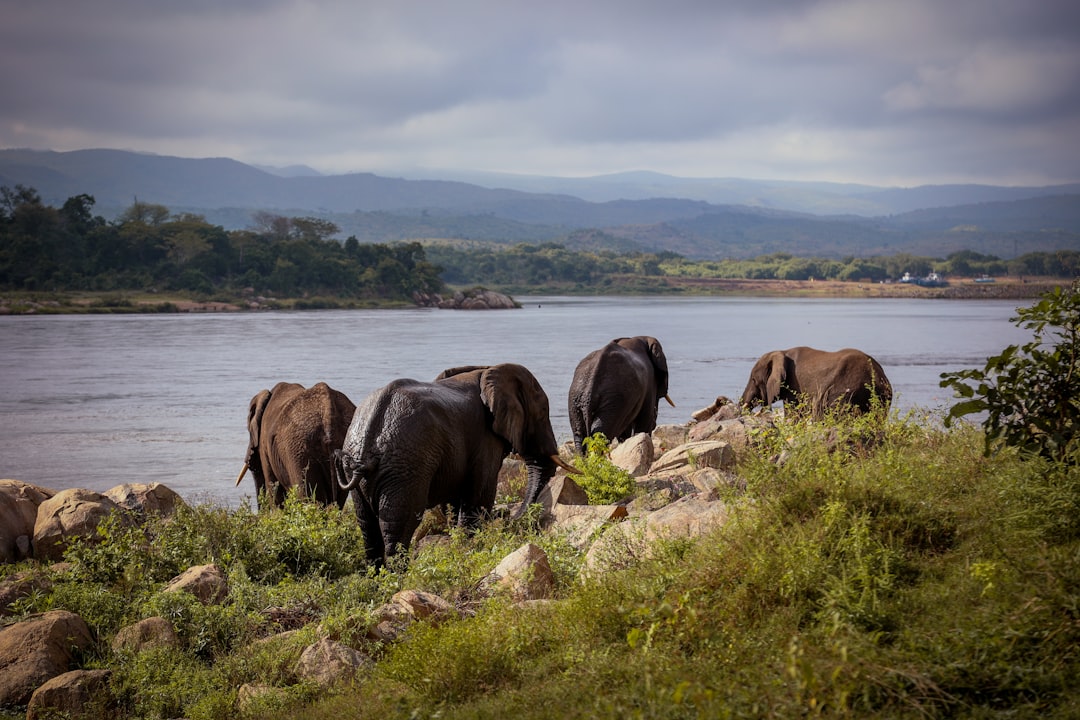
Liwonde National Park is home to the largest elephant population in Malawi. During your 5-day visit, you'll likely encounter these magnificent animals at waterholes and along the Shire River. The park also protects endangered species and supports important conservation efforts.
The Shire River is the park's lifeblood. This waterway attracts concentrations of wildlife, especially during dry months. Hippos, crocodiles, and water buffalo gather here, making boating safaris incredibly productive for viewing and photography.
Bird watchers find paradise in Liwonde. Over 400 bird species inhabit the park, from fish eagles to colorful kingfishers. Morning game drives often focus on birding, offering quiet moments and incredible sightings for photography enthusiasts.
2027 Liwonde Safari Cost Breakdown: What You Pay For
Understanding safari costs helps you budget accurately and avoid surprises. A 5-day Liwonde National Park safari in 2027 costs between $1,430 and $1,760 per person, depending on group size and lodge choice. Prices drop significantly when you travel with others.
Pricing by Group Size
Safari operators offer tiered pricing based on group composition. Solo travelers pay $1,760 per person for a private room. Couples sharing one room pay just $1,430 per person—a savings of $330 each.
Groups of three or more enjoy even better rates. Three people in two rooms pay $1,210 per person each. Four to six people sharing two or three rooms also pay $1,210 per person. Groups of seven or more receive custom quotes with potential discounts.
Traveling with a partner offers the best value. You split accommodation costs while maintaining privacy and comfort. If you're traveling solo, consider joining group safaris to reduce per-person expenses.
What's Included in the Price
Most 5-day Liwonde safari packages include accommodation at quality lodges like Mvuu Camp. You get three meals daily—breakfast, lunch, and dinner—prepared by experienced cooks. Accommodations typically feature en-suite bathrooms and comfortable beds.
Daily activities are included: morning game drives, boat safaris, walking tours, and evening game drives. Professional English-speaking guides lead every activity. Park entrance fees are covered in the quoted price. You also get transportation between your lodge and activity locations.
Beverages during meals are included, though alcohol purchases may cost extra. Some packages offer complimentary tea and coffee throughout the day. Snacks during game drives are typically provided.
What's NOT Included (Important!)
International flights to Malawi are never included in safari prices. You must book these separately and budget $800–$2,000 depending on your origin. Domestic flights from Lilongwe to Liwonde cost roughly $150–$200 round-trip.
Malawi visa fees apply for most nationalities. These typically range from $50–$150 depending on your passport country. Some nationalities qualify for visa-free entry; check current regulations before booking.
Personal expenses aren't included: alcoholic beverages, tips for guides, laundry services, and souvenir purchases. Gratuities for staff typically run 10% of your accommodation cost. Budget $100–$200 for tips over five days.
Optional activities beyond your package—like helicopter tours or special photography sessions—cost extra. Travel insurance, which we recommend, is your responsibility. Compare verified Malawi safari packages on SafariFind to see exactly what each operator includes.
A typical 5-day Liwonde safari follows a rhythm of early mornings and relaxed afternoons. Most days start before dawn with a game drive or boat safari. You'll return for lunch, rest during the hottest hours, then head out again in late afternoon.
Day 1: Arrival and Orientation
You'll arrive at Lilongwe International Airport in the morning or early afternoon. Your operator arranges a 3–4 hour drive south to Liwonde National Park. The scenic route passes through rural Malawi, giving you a sense of local life and landscape.
You'll reach your lodge by late afternoon and check in. Staff brief you on park rules, safety, and daily schedules. You'll meet your guide and discuss wildlife interests. The first evening includes a sundowner game drive or boat safari to spot wildlife and acclimate to the environment.
Day 2: Full-Day Wildlife Immersion
Wake before sunrise for an early morning game drive. The Shire River comes alive at dawn as animals come to drink. You'll likely spot elephants, hippos, buffalo, and various antelope species. Return to lodge for breakfast around 9 a.m.
Spend midday resting, eating lunch, and relaxing at your lodge. Many lodges offer riverside settings where you can watch wildlife from your room or a shaded deck. This downtime prevents safari fatigue and keeps you fresh for evening activities.
The afternoon brings a boat safari down the Shire River. Paddling quietly past hippos and crocodiles offers intimate wildlife encounters. You'll see birds, monitor lizards, and possibly elephants coming to drink. This activity is unique to Liwonde and not found in many African parks.
Day 3: Walking Safari and River Exploration
Morning game drives continue your wildlife education. Your guide will teach you animal tracking, behavior, and ecology. You'll develop deeper appreciation for the park's ecosystem and conservation efforts.
The afternoon features a guided walking safari. On foot, you move slowly and quietly through the bush. Walking safaris reveal smaller animals—insects, reptiles, small mammals—that vehicle safaris miss. Your guide points out medicinal plants and explains traditional uses.
Evening brings another boat safari or game drive. Different times of day reveal different wildlife. Evening safaris often produce sightings of nocturnal animals preparing for nighttime activity.
Day 4: Photography and Relaxation
By day four, you've seen the park's main attractions. This day focuses on your interests. Photography enthusiasts get extended game drives in prime lighting. Birdwatchers spend morning and afternoon seeking specific species.
Some travelers choose a full day at their lodge. You can relax by the river, read, or reflect on your experiences. This flexibility keeps the safari from feeling repetitive.
Evening activities remain consistent: game drives or boat safaris as the sun sets. You'll spot nocturnal animals becoming active. The river often glows golden in late afternoon light, creating stunning photography opportunities.
Day 5: Departure and Final Moments
Your final morning often includes an early game drive or boat safari. Many travelers want one last chance to see their favorite animals. You'll return to lodge for breakfast and checkout by mid-morning.
The drive back to Lilongwe takes 3–4 hours. You'll depart around noon, arriving at the airport for evening flights. If you have a late flight, consider staying an extra night in Lilongwe to explore the capital.
This day-by-day structure maximizes wildlife viewing while preventing burnout. The mix of activities—driving, boating, walking—keeps you engaged throughout your stay.
Best Time to Visit Liwonde in 2027
The best time to visit Liwonde National Park is May through October, when dry conditions concentrate wildlife around water sources. Temperatures are mild, rainfall is minimal, and visibility is excellent for photography. The dry season is peak tourist season, so book early for availability.
Dry Season: May–October (Peak Season)
May marks the beginning of Malawi's dry season. Temperatures range from 15–25°C (59–77°F), making early mornings cool and comfortable. Rainfall becomes rare, forcing wildlife to gather at permanent water sources like the Shire River.
June through August are the coldest months. Temperatures occasionally drop to 10°C (50°F) at night, so pack warm layers. Days remain warm and sunny, perfect for outdoor activities. This period sees the most tourists and highest prices.
September and October warm up as the dry season ends. Temperatures reach 25–30°C (77–86°F). Wildlife viewing remains excellent as animals still depend on dwindling water sources. October marks the tail end of peak season, with fewer crowds and slightly lower prices than June–August.
Wet Season: November–April (Budget Season)
November through April is Malawi's rainy season. Afternoon thunderstorms are common, though mornings usually stay dry. Temperatures climb to 30–35°C (86–95°F), making afternoons hot and humid. Rainfall can be unpredictable, sometimes preventing game drives.
Wildlife viewing is harder in wet season because animals disperse across the park following water availability. However, the landscape turns lush and green, and birdwatching improves dramatically. Wet season prices drop 20–30% compared to peak season, making this ideal for budget travelers.
December through February see the heaviest rainfall. Some roads become impassable during storms. If you visit during this period, choose lodges with excellent all-weather access. November and April offer the best wet-season compromise—some rain but still good wildlife viewing.
Seasonal Wildlife Patterns
Elephants are easiest to spot in dry season when they congregate at the Shire River. Hippos are visible year-round but most active in early mornings and late afternoons. Crocodiles bask on riverbanks throughout the year, especially in dry season.
Birdwatching peaks during wet season when resident and migratory species thrive. Over 400 bird species call Liwonde home. Wet season adds temporary residents, making November–February ideal for serious birders.
Book your 5-day safari 3–6 months in advance for May–October travel. This timing secures your preferred dates and often qualifies you for early-bird discounts. Browse available Liwonde lodges and packages on SafariFind to compare rates and secure your spot.
Liwonde offers several accommodation styles, from luxury safari camps to budget-friendly lodges. Your choice significantly impacts the overall experience and cost. Most 5-day packages feature lodge stays with meals and activities included.
Premium Safari Camps
Mvuu Camp is Liwonde's premier accommodation, offering luxury tents and chalets along the Shire River. Full board packages cost approximately $345 per person nightly (as of 2027), totaling roughly $1,725 for five days. Amenities include en-suite bathrooms, running water, and quality furnishings.
Premium camps feature expert guides, intimate group sizes, and exclusive access to certain areas. You'll enjoy gourmet meals, wine selections, and personalized service. These camps justify higher costs through superior wildlife viewing and comfort.
Premium accommodations appeal to travelers seeking luxury and convenience. You get private guides, flexible schedules, and premium photography opportunities. The extra cost provides value through exceptional experiences and comfort.
Mid-Range Safari Lodges
Mid-range options offer comfortable rooms, good meals, and professional guides at reasonable prices. These lodges balance comfort and affordability. Rooms typically feature private bathrooms, ceiling fans, and basic furnishings.
Mid-range lodges accommodate 20–50 guests, offering a balance between intimacy and social interaction. Group sizes for game drives typically range from 4–8 people. You'll share vehicles with other travelers, reducing per-person costs.
These accommodations suit most travelers. You get quality service and comfort without premium pricing. Wildlife viewing is excellent because guides are experienced and locations are prime.
Budget Safari Lodges
Budget options provide basic but clean rooms and shared facilities. Bathrooms may be shared or private depending on the lodge. Meals are simple but filling—local and international cuisine.
Budget lodges reduce costs by 30–40% compared to premium camps. You sacrifice some comfort and personalization but keep the core safari experience intact. Guides are still professional and knowledgeable.
Budget lodges work well for travelers prioritizing wildlife viewing over luxury. You'll see the same animals and landscapes as premium lodge guests. The difference is accommodation style and meal options, not safari quality.
How to Get to Liwonde National Park
Getting to Liwonde requires flying to Malawi and then traveling overland to the park. Most travelers arrive via Lilongwe International Airport, then drive 3–4 hours south to Liwonde. Direct flights from North America or Europe aren't available; you'll likely connect through a hub like Johannesburg or Addis Ababa.
International Flights
Book flights to Lilongwe International Airport (LLW), Malawi's main entry point. Major airlines serving Lilongwe include South African Airways, Ethiopian Airlines, and Fastjet. Flight times from Europe range from 15–20 hours with connections. From the United States, expect 18–24 hours total travel time.
Round-trip flights from North America cost $1,200–$2,000 depending on season and booking timing. European flights range from $800–$1,500. Book early for better fares and flight times.
Domestic Travel to Liwonde
From Lilongwe Airport, your operator arranges ground transportation to Liwonde. The drive covers approximately 200 kilometers (125 miles) southward. The journey takes 3–4 hours on paved highways, passing through rural Malawi and small towns.
Some travelers fly domestically from Lilongwe to a nearby airstrip, then drive 30 minutes to the park. Domestic flights cost $150–$200 round-trip but save 3–4 hours of driving. This option suits travelers with limited time or those who prefer flying.
Your safari operator typically includes ground transportation in the package price. Confirm transportation details when booking. Ask whether pickups from your hotel or the airport are included.
Visa Requirements
Most nationalities require a Malawi visa. Visas cost $50–$150 depending on your passport country. You can obtain visas on arrival at Lilongwe Airport, though applying in advance is recommended.
Some nationalities enjoy visa-free entry for up to 90 days. Check current regulations with the Malawian embassy before booking. Processing times for visa applications range from 2–10 business days if applying abroad.
Your safari operator can advise on visa requirements and assist with applications if needed. Always carry your passport and any required vaccination certificates (yellow fever may be required depending on your origin).
Wildlife You'll See on Your 5-Day Safari
Liwonde National Park protects diverse wildlife across its 625 square kilometers. During five days, you'll encounter elephants, hippos, crocodiles, buffalo, antelope species, and hundreds of bird species. Sighting frequency depends on season and luck, but experienced guides maximize your encounters.
Large Mammals
Elephants are Liwonde's flagship species. The park protects Malawi's largest elephant population. You'll see elephants drinking at the Shire River, especially during dry season. Witnessing a herd of 20–30 elephants at a waterhole is unforgettable.
Hippos are abundant and visible almost daily. You'll see them in the river, on riverbanks, and occasionally on land at night. Boat safaris offer close views of hippos in water. Respect their space—hippos are dangerous when protecting young.
Crocodiles sunbathing on riverbanks are common sights. Some reach 4–5 meters in length. Boat safaris let you see crocodiles at eye level, revealing their prehistoric beauty. They're harmless if you stay in vehicles or boats.
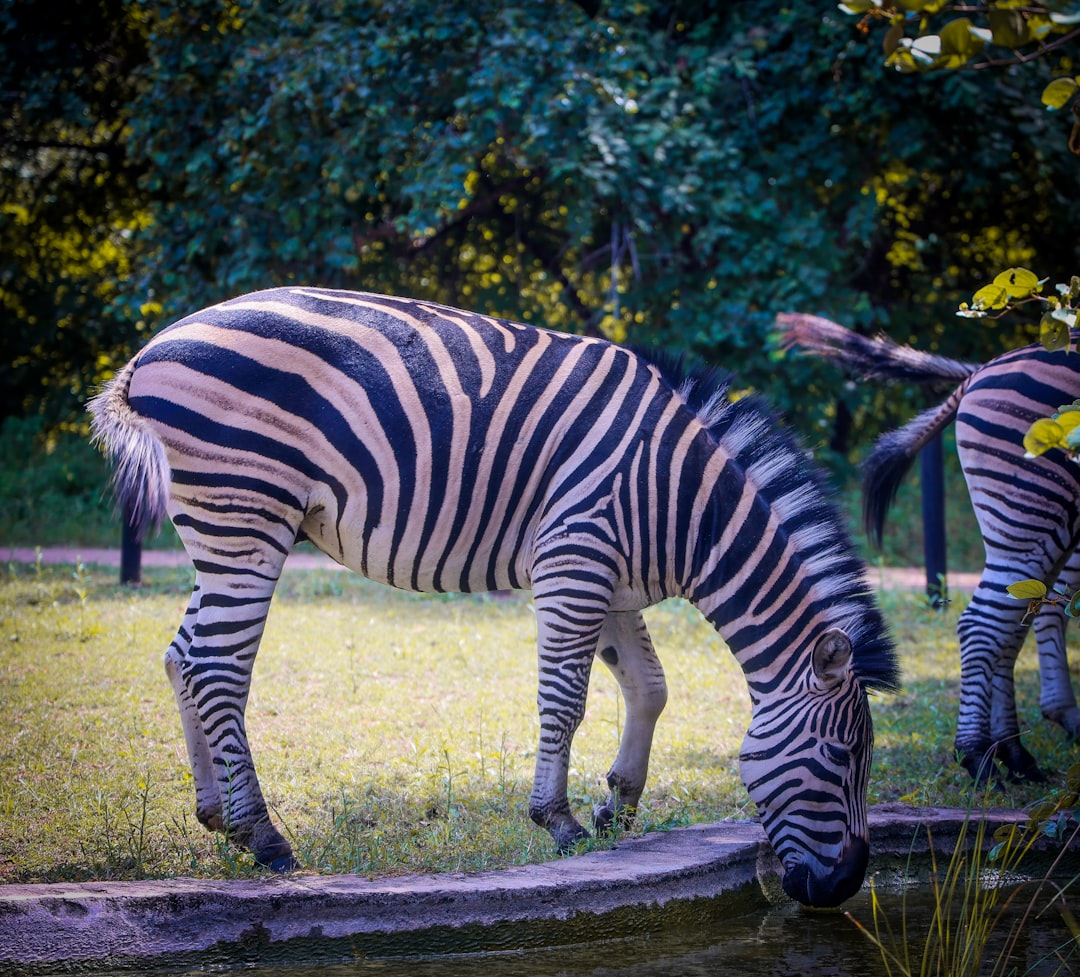
Buffalo, zebras, and various antelope species inhabit the park. Impala, kudu, waterbuck, and warthogs are frequently spotted. Each species has unique behaviors and habitat preferences that guides will explain.
Birds and Small Wildlife
Over 400 bird species live in or migrate through Liwonde. Fish eagles, kingfishers, herons, and ibises are common. Birdwatchers should bring binoculars and a field guide. Early morning game drives often focus on birding.
Smaller mammals include warthogs, porcupines, and various bat species. Reptiles include monitor lizards, snakes, and numerous turtle species. Night drives occasionally reveal nocturnal animals like genets and civets.
Predators
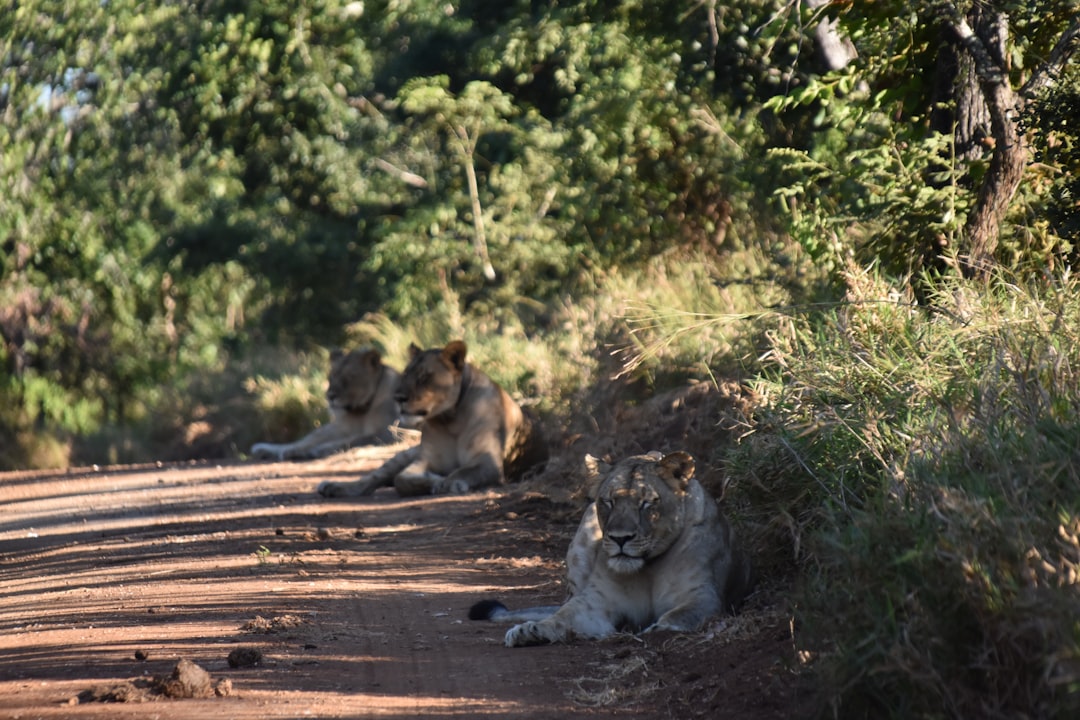
Lions and leopards are present but rarely seen in Liwonde. The park's smaller size means fewer large predators compared to Serengeti or Kruger. Hyenas and wild dogs occasionally appear. Don't expect predator sightings as part of your experience, but they're possible.
What to Pack for Your Liwonde Safari
Packing correctly ensures comfort and prepares you for varying conditions. Liwonde's climate ranges from cool mornings (10–15°C) to warm afternoons (25–30°C) depending on season. Bring layers you can add or remove throughout the day.
Clothing Essentials
Pack neutral-colored clothing for game drives—earth tones and greens don't disturb wildlife. Avoid bright colors and patterns. Bring long pants and long-sleeved shirts for sun protection and insect defense. Quick-dry fabrics work well in humid conditions.
Comfortable walking shoes are essential for walking safaris. Break them in before your trip. Bring sandals or casual shoes for lodge evenings. A warm fleece or sweater handles cool mornings and evenings, especially May–August.
Rain gear is important November–April. Pack a lightweight rain jacket that fits in your daypack. Wet-season hiking boots with good grip handle muddy conditions.
Photography and Optical Gear
Binoculars are invaluable for birdwatching and spotting distant animals. Quality binoculars (8x42 magnification) cost $200–$1,000 but transform your experience. Rental binoculars are sometimes available at lodges.
Camera gear depends on your interests. DSLR cameras with 200–400mm telephoto lenses capture distant wildlife. Smartphone cameras work for general photography but lack zoom capability. Bring extra batteries and memory cards—charging opportunities may be limited in remote areas.
Health and Safety Items
Bring prescription medications for the entire trip plus extras. Pack antimalarial medication as prescribed by your doctor. Malaria is present in Liwonde, especially during wet season. Consult your physician 4–6 weeks before departure.
Include sunscreen (SPF 50+), insect repellent, and a first-aid kit. Bring antihistamines for insect bites and upset stomach medication. Consider altitude sickness medication if you plan additional activities at higher elevations.
Vaccinations against yellow fever, typhoid, and routine vaccines are recommended. Check current requirements with your doctor or a travel clinic.
Key Takeaways
Book your 5-day Liwonde safari 3–6 months ahead to secure May–October dates and save 10–15% versus last-minute bookings.
Travel with a partner to reduce per-person costs from $1,760 (solo) to $1,430 (couples), saving $330 each on 2027 rates.
Plan your visit May–October for peak wildlife viewing and mild temperatures; dry season concentrates animals at water sources.
Budget an additional $1,200–$2,000 for international flights, $50–$150 for visas, and $100–$200 for tips and personal expenses beyond the package price.
Combine boat safaris, walking tours, and game drives during your 5-day stay to experience diverse wildlife viewing methods and landscape perspectives unique to Liwonde.
Frequently Asked Questions
How much does a Malawi safari cost in 2027?
A 5-day Liwonde National Park safari costs $1,430–$1,760 per person in 2027, depending on group size and accommodation. Couples pay $1,430 per person; solo travelers pay $1,760. Groups of three or more pay $1,210 per person. These prices include accommodation, meals, activities, and park fees but exclude flights, visas, and personal expenses.
What is the best time to visit Liwonde National Park?
The best time to visit is May through October during Malawi's dry season. Temperatures range from 10–30°C, rainfall is minimal, and wildlife concentrates around water sources like the Shire River. June–August are coolest and busiest. September–October offer great viewing with fewer crowds and slightly lower prices than peak months.
What wildlife will I see on a 5-day Liwonde safari?
You'll see elephants, hippos, crocodiles, buffalo, zebras, antelope species, and over 400 bird species. Sighting frequency depends on season and luck. Dry season (May–October) offers the best viewing. Predators like lions and leopards are present but rarely seen. Experienced guides maximize your wildlife encounters through strategic route planning.
Is a 5-day safari enough time for Liwonde National Park?
Yes, five days is ideal for Liwonde. Shorter trips feel rushed, while longer stays may exceed your budget. Five days gives you time for multiple game drives, boat safaris, and walking tours while allowing rest and relaxation. You'll see the park's main attractions without feeling overwhelmed by activity.
What's included in the safari package price?
Most 5-day packages include accommodation, all meals, daily activities (game drives, boat safaris, walking tours), professional guides, and park entrance fees. Excluded items: international and domestic flights, visa fees, alcoholic beverages, tips, laundry, and personal expenses. Confirm inclusions with your operator before booking.
Do I need vaccinations or malaria medication for Liwonde?
Consult your doctor 4–6 weeks before travel. Yellow fever, typhoid, and routine vaccinations are recommended. Malaria is present year-round but higher during wet season (November–April). Antimalarial medication is strongly advised. Bring insect repellent, long sleeves, and long pants to minimize mosquito exposure.
How do I book a Liwonde safari and compare packages?
Browse verified Liwonde safari packages on SafariFind to compare prices, durations, accommodations, and traveler reviews. SafariFind lists packages from established operators with authentic ratings. Request quotes from multiple operators to find the best value for your budget and preferences. Reading reviews from past travelers helps you choose reliable operators.
Conclusion
A 5-day Liwonde National Park safari in 2027 offers exceptional value and unforgettable wildlife experiences. Costs start at $1,430 per person for couples, making it one of Africa's most affordable premium safaris. The park's river setting, diverse wildlife, and mix of activities—boat safaris, walking tours, and game drives—create a unique experience you won't find elsewhere in Malawi.
May through October is peak season for good reason: wildlife viewing is excellent, weather is pleasant, and the landscape is stunning. Book 3–6 months in advance to secure your preferred dates and potentially save 10–15% versus last-minute rates. Explore Malawi safari options beyond Liwonde if you want to combine multiple parks into a longer itinerary.
SafariFind connects you with verified tour operators offering transparent pricing and authentic guest reviews. Compare packages side-by-side, read what past travelers experienced, and request quotes from multiple operators. This ensures you find the best value and most reliable service for your Liwonde adventure. Start planning your 2027 safari today—the sooner you book, the better your selection and pricing.
Plan Your Safari with SafariFind
These recommendations use real data from SafariFind, where you can compare operators, browse packages, and read verified traveler reviews before you book.
What Travelers Say (SafariFind Reviews)
5★ - "Thank you for organizing an incredible experience! It’s clear that this journey was a perfect blend of relaxation, adventure, networking and breathtaking natural beauty. Starting at Kenya Namanga, the adventure through T" - Ms Temz • Verified review
"Thank you for organizing an incredible experience! It’s clear that this journey was a perfect blend of relaxation, adventure, networking and breathtaking natural beauty. Starting at Kenya Namanga, the adventure through Tanzania, Malawi, Zambia, Zimbabwe, Botswana, and Namibia truly was a dream itinerary. Chitimba Beach and Kande beach in Malawi brings its magic to life—the pristine sands, tranquil waters, and, of course, the breathtaking sunrise and sunset of Lake Malawi. The transition to Zambia and the awe-inspiring Victoria Falls was beautiful. The sheer power of the falls, combined with the thrilling bungee jump over the Zambezi Gorge, was an exciting experience.Exploring the falls from the Zimbabwean side and the lush rainforest walk sounds like the perfect complement to this natural wonder. The wildlife encounters in Chobe National Park, Botswana, and the surreal landscapes of Sossusvlei in Namibia seem to have added layers of depth and diversity to my journey. The detailed planning and seamless logistics of the trip truly shine through, ensuring that we were able to enjoy each destination without worry. Thank you for the accommodations, felt home away from home, the guide and overall organization was impeccable It’s clear that this journey wasn't just a trip—it was an unforgettable adventure packed with moments of awe and wonder. Highly recommended for anyone looking for the perfect mix of thrill, culture, and nature! Looking forward to travel with you😊"
Ms Temz•4/22/2026
5★ - "We are really excited about our safari! We booked a 4 day safari, visiting Tarangire, Serengeti and Ngoro Ngoro cCater. Our guide Zighy was always there, kept us safe and allowed us to see lots of animals and birds, all " - Corinne • Verified review
"We are really excited about our safari! We booked a 4 day safari, visiting Tarangire, Serengeti and Ngoro Ngoro cCater. Our guide Zighy was always there, kept us safe and allowed us to see lots of animals and birds, all big fives, without pressure and allowing us to fully enjoy the experience. Zighy is a special person, very respectful of the people, flora and fauna of the savannah. Doudi, the manager of Meijo Safaris, was kind, he explained to us before the safari what to expect and then came back at the end of the safari to get feedback. The hotels and lodges were comfortable, the one in Serengeti is very special (Malawi), and the staff very nice. The chefs have been great! We will recommend this unforgettable safari to our friends. Thanks Meijo Safaris!"