
Safari Guides•15 min read
Is Burundi Safe for Safari in 2027? A Practical Guide
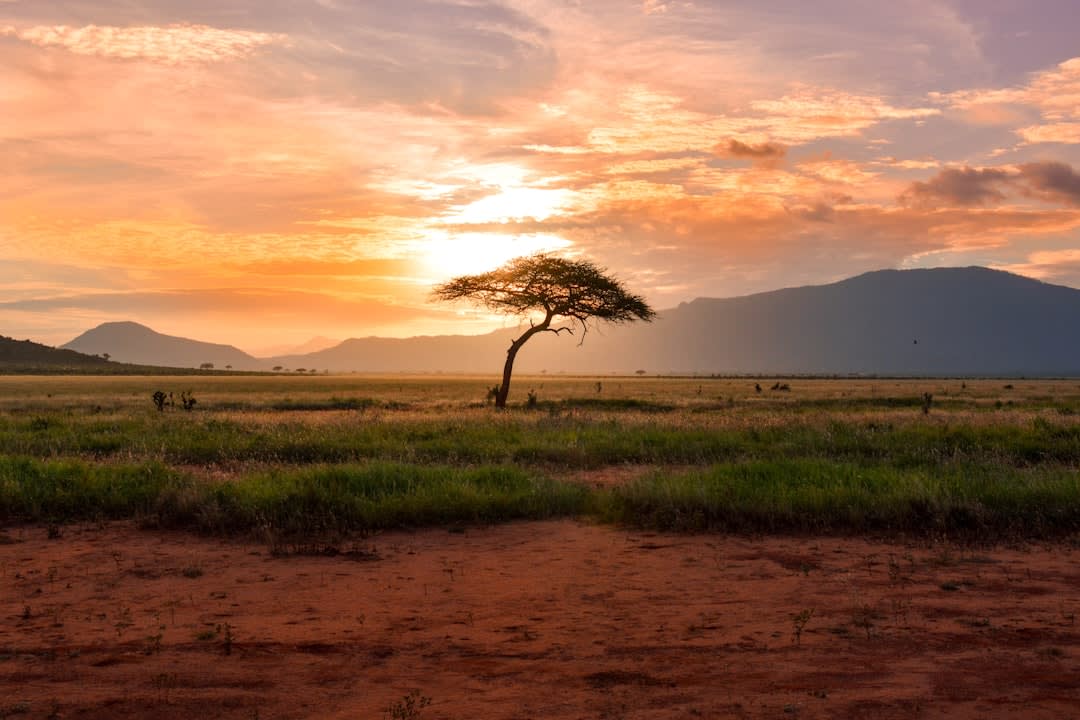
Discover Is Burundi Safe for Safari in 2027? A Practical Guide - Expert guide to safari tourism and wildlife destinations.
Share this article
Discover Is Burundi Safe for Safari in 2027? A Practical Guide - Expert guide to safari tourism and wildlife destinations.
Discover Chivero Beach Snorkeling Packages 2027: Prices & Booking - Expert guide to safari tourism and wildlife destinations.
Discover Fish River Canyon Tours 2027: Packages, Prices and Routes - Expert guide to safari tourism and wildlife destinations.
Discover Best Beach Resorts in Madagascar: 2027 Prices Compared - Expert guide to safari tourism and wildlife destinations.
Last updated: September 2026
Is Burundi Safe for Safari in 2027? A Practical Guide starts with a careful answer: Burundi can support a rewarding safari trip, but travelers must review current security advice before booking. Safari plans usually last 3 to 14 days. June to September and December to February are the cited dry seasons for wildlife viewing and trekking. No verified 2027 package prices, entry fees, or booking costs were available in the research.
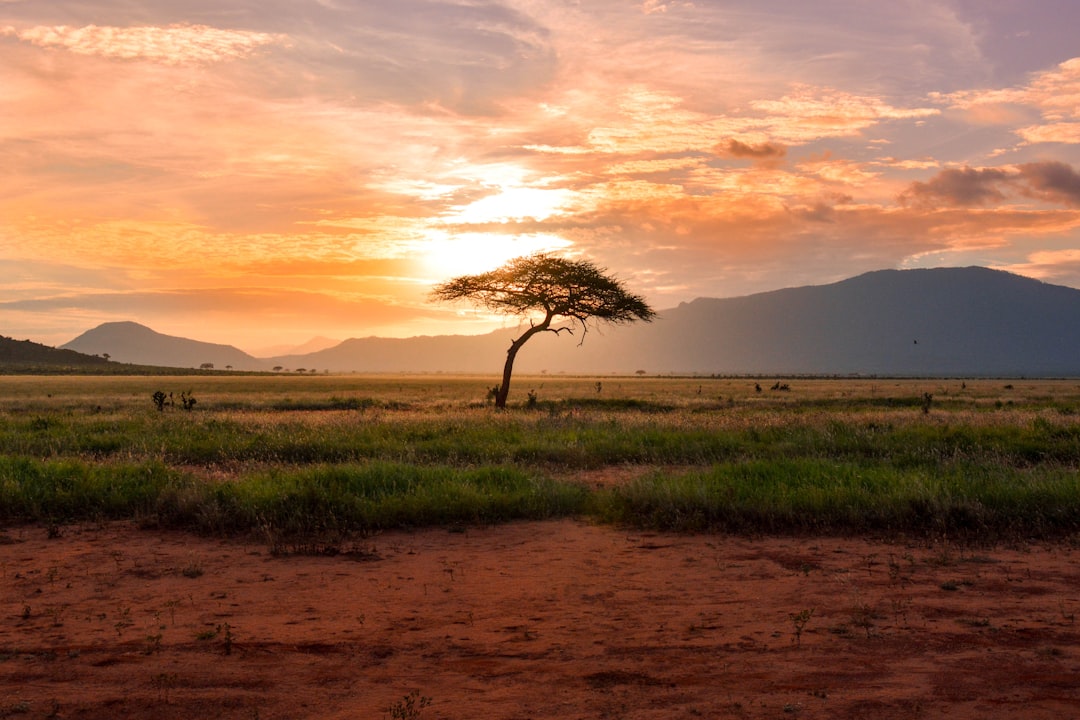
Burundi is a small East African country with wildlife, forest, lake, and cultural travel options. The answer to Is Burundi Safe for Safari in 2027? A Practical Guide is not a simple yes or no. The country can offer a meaningful safari, but safety depends on current local conditions, route planning, health preparation, and a trusted operator.
As of September 2026, the U.S. Department of State advises travelers to reconsider travel to Burundi because of political violence, crime, and health risks. The advisory also says that some areas carry increased risk [1]. That warning deserves more weight than a cheerful tour description.
Burundi offers a different trip from the classic safari routes in Kenya or Tanzania. Research describes wildlife viewing, birdwatching, primate tracking, and cultural immersion [4]. Some regional itineraries also combine Burundi with Rwanda and Uganda [5].
This guide explains how to judge the risk, choose a route, plan health precautions, and ask better questions before paying a deposit. It also separates confirmed facts from details that still need direct verification for 2027.
Quick answer: Burundi is a possible safari destination for 2027, but it is not a low-risk choice. Check the latest government advisory, avoid areas with increased risk, arrange travel insurance, and use a verified operator. Plan for 3 to 14 days, with June to September or December to February offering the best cited dry-season conditions.
Safe safari travel in Burundi means making a current risk decision before departure, then using a route and operator that match that decision. Burundi is not a destination where travelers should rely on old blog posts or a fixed idea of safety. Conditions can change, and the U.S. advisory tells travelers to reconsider travel because of political violence, crime, and health risks [1].
The U.S. Department of State is the clearest high-authority source in the research. Its Burundi advisory tells travelers to reconsider travel and notes that some areas have increased risk [1]. Read the full advisory before you choose a border crossing, lodge, forest visit, or road transfer.
A travel advisory does not answer every question about every town. It does provide a serious baseline for planning. Check the date, the geographic warnings, and any advice about transport, demonstrations, crime, or emergency support. Then ask your operator to explain how the proposed route avoids current problem areas.
Burundi is known for wildlife viewing, birdwatching, primate tracking, and cultural immersion [4]. These experiences can suit travelers who want a quieter, less familiar East African route. They also require more planning than a large, highly established safari circuit.
Gishora Drum Sanctuary is one cultural stop to consider. Travelers who want a full cultural day can review the Gishora Drum Sanctuary packages for 2027 before adding the visit to a wider itinerary. Cultural stops should sit inside a clear route plan, not as an afterthought.
Safe does not mean risk-free. It does not mean that every road, town, or border crossing has the same conditions. It also does not mean that an operator can promise safety in every situation.
For this trip, I would treat a calm itinerary and clear communication as essential. A good operator should explain the route, vehicle plan, guide contacts, hotel choices, transfer times, and backup plan. If an operator avoids those questions, choose another one.
Compare a 5-day Burundi safari itinerary for 2027 before you request a quote, and use the route details to ask operators focused safety questions.
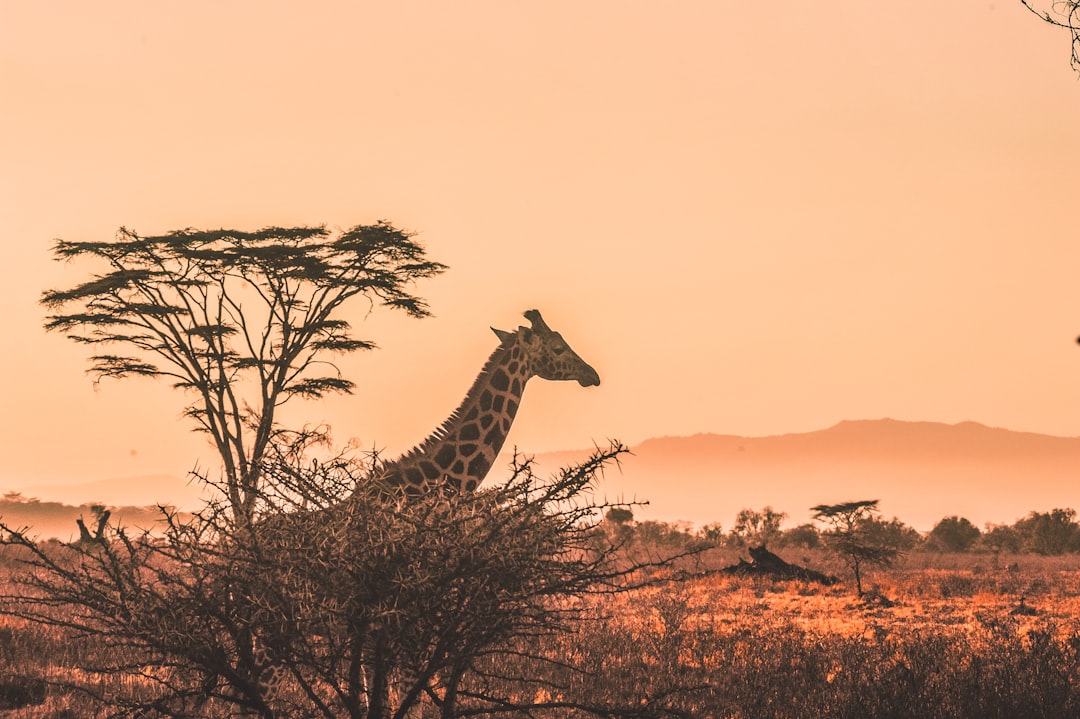
The main concerns are political violence, crime, health risks, road movement, and changing local conditions. The U.S. Department of State lists political violence, crime, and health risks in its advice for Burundi [1]. The CDC also warns that food and water standards vary by destination, and health risks change with the activity you plan [2].
Security planning should begin with geography. Ask where the itinerary goes, how long each road transfer takes, and which areas the operator avoids. Request the name of the local contact who can make route changes if conditions shift.
Keep plans simple. Avoid unplanned night travel, crowded political events, and remote detours that do not appear on your booking documents. Carry copies of key documents, keep emergency contacts offline, and share your route with someone at home.
Border routes need extra care. Some advertised safaris combine Burundi with Rwanda and Uganda as regional trips [5]. That can add variety, but it also adds border procedures, transport changes, and more points where conditions can change. Ask who handles each crossing and what happens if a border closes.
The CDC says food and water standards vary around the world. It also says risk can change with the activity, such as hiking compared with business travel [2]. A forest trek, long road journey, and city hotel stay do not create the same health needs.
Speak with a travel health professional before departure. Ask about vaccines, malaria prevention, personal medicines, safe food and water, and medical evacuation cover. Bring basic supplies that may be hard to replace during a remote trip.
Travel insurance should cover medical treatment, evacuation, trip interruption, and route changes. Read the exclusions. Some policies treat government travel warnings, border closures, or pre-existing conditions in different ways.
One safari operator in the research advertises vehicles with pop-up roofs and experienced driver-guides [4]. A pop-up roof can help with wildlife viewing, but the vehicle claim still needs confirmation for your exact booking.
Ask whether the vehicle has working seat belts, spare tires, communication tools, and enough room for your group. Ask how the guide handles wildlife distance and roadside stops. Good wildlife viewing should not mean leaving the vehicle without permission or ignoring park rules.
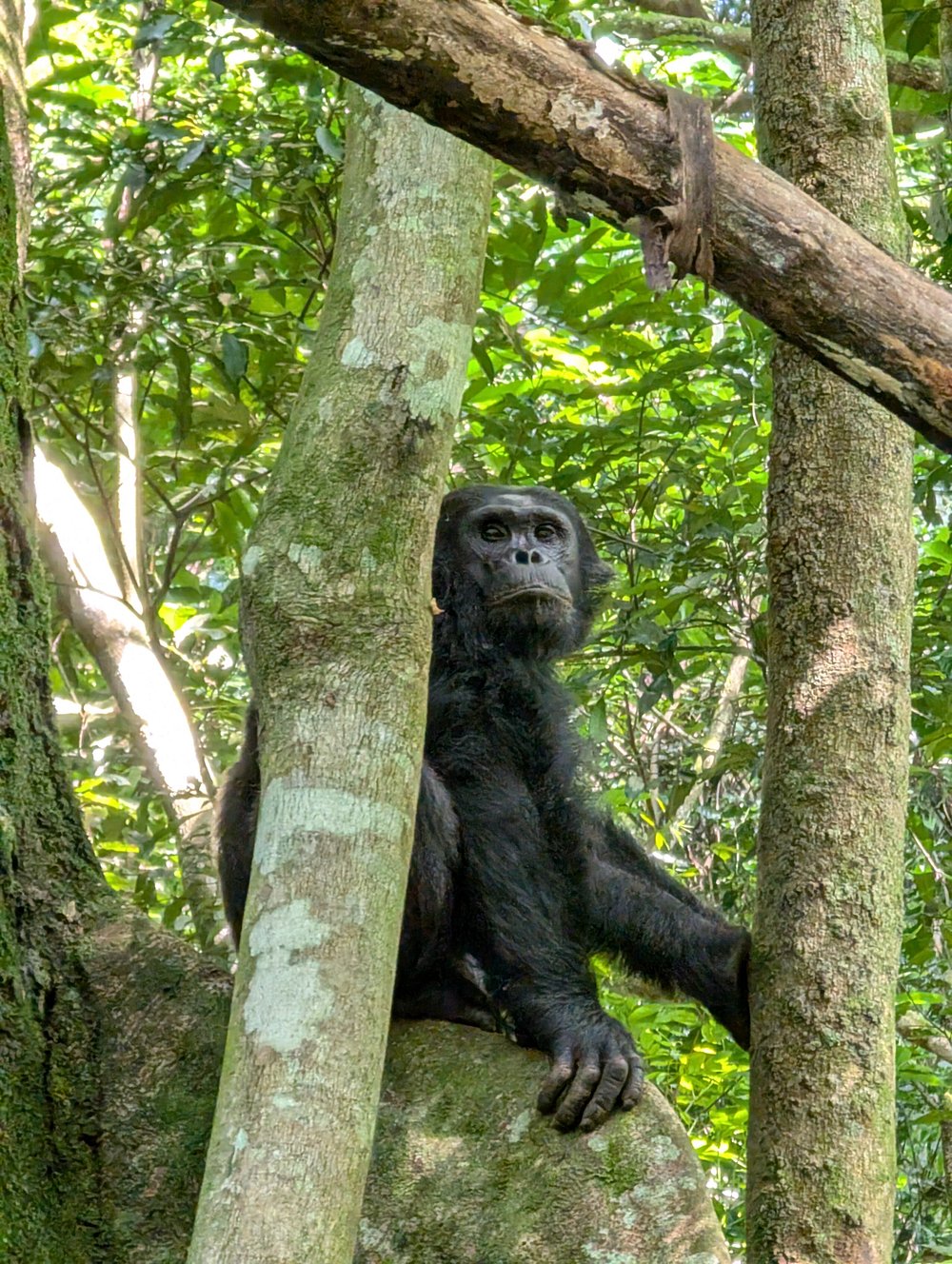
Kibira National Park adds a forest and primate focus to a Burundi itinerary. Travelers considering chimp trekking can read the Kibira chimp trekking guide for 2027. Check fitness needs, walking time, rain conditions, guide support, and what happens if the trek changes.
Primate tracking is active travel. Wear shoes with grip, carry water, and follow the guide’s distance rules. Do not plan a demanding forest walk immediately after a long border transfer or late arrival.
The research does not provide verified 2027 package prices, entry fees, or booking costs. That means any exact dollar figure would be made up. Request a written quote that lists transport, meals, lodging, park fees, guide services, insurance exclusions, and cancellation terms.
SafariFind connects travelers with verified tour operators and authentic traveler reviews. Request a verified Burundi safari quote with the full 2027 cost breakdown, then compare what each quote includes before you pay.
A safe Burundi safari starts with a flexible route, current advice, health planning, and a verified operator. The cited itineraries range from 3 to 14 days [5]. For a first visit, a shorter plan can make route checks easier. A longer regional trip needs more time for border and transport planning.
The cited guide identifies June to September and December to February as Burundi’s dry seasons. It says these months offer better conditions for wildlife viewing and trekking [5]. Dry does not mean risk-free, so check current road and security information before final payment.
A 3-day itinerary can focus on one area and reduce long transfers. A 5-day plan can add a cultural or lake stop. A 14-day regional safari may include Rwanda and Uganda, but it needs careful border planning [5].
Use the 7-day Kibira safari planning guide to think through pace, forest time, and road days. Treat any listed cost as a planning reference only unless the operator confirms it in writing.
Burundi has more than one type of travel stop. The first mention of German Gorge, also called Faille des Allemands, can suit travelers who want a landscape stop. Mugara Burundi Forest Reserve suits travelers seeking forest time. These places need route checks, guide support, and current access information.
Mount Twinyoni adds a hiking option. Ask about walking time, weather, road access, and whether the guide carries a first-aid kit. Do not judge a route by distance alone. A short distance can still mean a slow road.
Lake and beach stops can balance a wildlife plan. Saga Beach and Burundi’s beach guide for 2027 can help you compare lakefront ideas. Ask whether swimming, boating, and evening movement fit the latest local advice.
Nyakai I Waterfalls, Karera Beach, and Chutes de la Karera tour information can help you shape a varied route. Resha, Old German Cave, Lake Nyabihara, and Sanzu River also need direct confirmation before you add them.
For Bujumbura, review the Bujumbura day tours guide for 2027. Ask about hotel security, airport transfers, city movement, and whether the tour runs during your dates. A well-planned city day can make the first or last safari day less rushed.
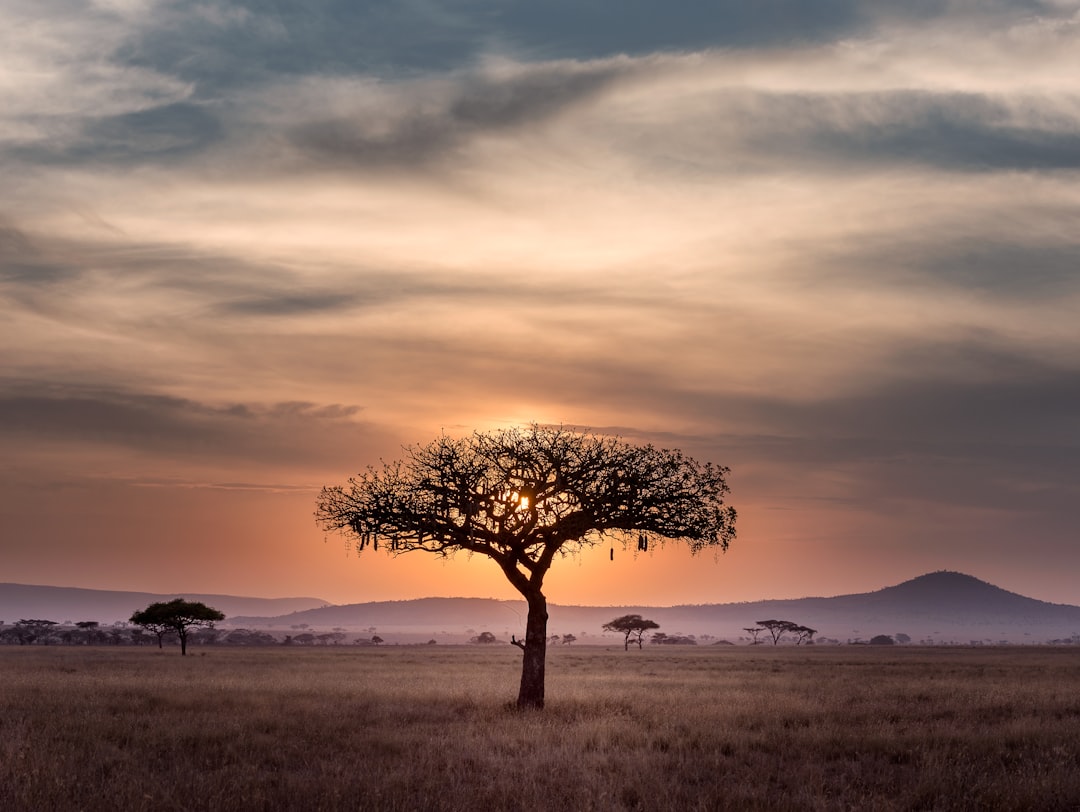
Burundi is a possible safari destination in 2027, but it is not a low-risk choice. The U.S. Department of State advises travelers to reconsider travel because of political violence, crime, and health risks [1]. Check the current advisory and use a verified operator before departure.
The cited dry seasons are June to September and December to February. A Burundi safari during these months may offer better conditions for wildlife viewing and trekking [5]. Confirm road access and local conditions before you finalize dates.
Burundi safari itineraries in the cited research range from 3 to 14 days [5]. A 3-day trip can focus on a small area, while a 14-day regional itinerary may combine Burundi with Rwanda and Uganda.
No verified 2027 Burundi safari price was provided in the research. Ask for a written quote that lists lodging, transport, meals, guide services, park fees, insurance limits, and cancellation terms.
Speak with a travel health professional before visiting Burundi. The CDC says food and water standards vary by destination, and health risks change with activities such as hiking [2]. Ask about vaccines, malaria prevention, safe food and water, medicines, and medical evacuation cover.
Use SafariFind to compare verified tour operators, review traveler feedback, and request a detailed 2027 quote. Ask each operator about the current route, guide contacts, vehicle, emergency plan, and cancellation rules before paying.
Burundi is a possible safari destination for 2027, but travelers should treat safety as an active planning task. The U.S. advisory calls for reconsideration because of political violence, crime, and health risks [1]. That warning does not erase the country’s wildlife, forest, cultural, and lake experiences. It does mean you need current information.
Start with a 3 to 7-day route if this is your first visit. Consider June to September or December to February for the cited dry-season conditions [5]. Add forest trekking or regional travel only after you confirm roads, borders, health needs, and emergency support.
Do not trust an exact 2027 price unless the operator provides a clear written quote. Review Bujumbura stay options for a 2027 safari, compare the full trip cost, and check real traveler feedback. Then compare verified safari packages on SafariFind and request a quote from an operator with a clear route and safety plan. With careful checks in 2026, you can make a better-informed Burundi decision for 2027.
These recommendations use real data from SafariFind, where you can compare operators, browse packages, and read verified traveler reviews before you book.
3-Day Best of Burundi Experience • $1,400 • 3 days • by Kubwa Five Safaris
by Kubwa Five Safaris • 3 Days
2-Day Nyungwe Chimpanzee Trekking & Canopy Walk Tour • $1,930 • 2 days • by Maseke Adventures
by Maseke Adventures • 2 Days
5★ - "My husband and I met working close to Mwanza many years ago. It was so special for us to relive our time in this wonderful part of the world. There were five of us, including our young friend who managed to meet family i" - Marjie • Verified review
"My husband and I met working close to Mwanza many years ago. It was so special for us to relive our time in this wonderful part of the world. There were five of us, including our young friend who managed to meet family in Burundi. We had an awesome trip on safari, animals so close Tenting camps a super experience. Juma was a spectacular guide, changed schedules easily, with excellent advice and always a smile. Our safari driver was the best with so many stories to tell. This made our trip. Nongwi in the north of Zanzibar was a beautiful place to relax, take boat trips and swim in the turquoise ocean. So much to see and experience and we all loved it."