
 Ask Tembo
Safari Guides•17 min read
Is Burundi Safe for Safari in 2026? Risks, Routes & Advice

Discover Is Burundi Safe for Safari in 2026? Risks, Routes & Advice - Expert guide to safari tourism and wildlife destinations.
Trips that match this guide
Discover Is Burundi Safe for Safari in 2026? Risks, Routes & Advice - Expert guide to safari tourism and wildlife destinations.

Discover Best Safari Lodges in Malawi for 2027: Prices Compared - Expert guide to safari tourism and wildlife destinations.
Discover Bulembu Tours 2027: Prices, Stays and Safari Day Trips - Expert guide to safari tourism and wildlife destinations.
SafariFind app
Keep up with your inquiries and bookings, and message operators wherever you are.

Last updated: July 2026
Is Burundi Safe for Safari in 2026? Risks, Routes & Advice is a practical guide for planning a careful Burundi wildlife trip. Burundi is suitable for safari with a professional local operator, daylight travel, and flexible plans. No verified Burundi safari price is available in the research reviewed, so request a current quote. June–September and December–February are usually drier travel periods.
Burundi is a malaria-risk safari destination where daylight travel and local guidance matter more than a rigid schedule. Natural hazards can affect safari routes across Africa. The CDC lists flooding, landslides, earthquakes, and volcanic eruptions among risks that have affected international travelers. [1]
Is Burundi Safe for Safari in 2026? Risks, Routes & Advice is a question that needs a careful answer. Burundi is suitable for a well-planned safari with a professional operator. However, travelers should avoid solo travel, avoid unnecessary movement after dark, and keep plans flexible.
SafariFind connects travelers with verified tour operators and authentic traveler reviews. This guide explains the main risks, useful routes, health steps, weather concerns, and booking checks. It does not replace a current government travel advisory or advice from a qualified travel-health professional.
Quick answer: Burundi is safe for safari in 2026 when you use a professional local operator, travel during daylight, and confirm routes before departure. Road delays, poor driving behavior, and limited lighting after dark require care. Rain can close roads or create landslides, so a flexible itinerary is essential. [4]
Burundi is suitable for a carefully planned safari in 2026, but it is not a destination for casual solo travel. The safest approach uses a professional local operator, daytime transfers, secure lodging, and a backup plan. Travelers should also check current official advice before booking and again before departure.
Safari safety in Burundi means managing several practical risks at once. These risks include changing road conditions, limited lighting, driving standards, weather events, health needs, and changing local conditions. A guided trip gives you local route knowledge and a clear contact if plans change.
Burundi is not described by the reviewed research as having a verified, fixed safety rating for every region in 2026. The available research also does not include an authoritative Burundi-specific 2026 or 2027 security, entry-rule, or travel-advisory update. [1][2][3][4][5][6][7][8] Therefore, you should verify current official guidance before travel.
Burundi’s safari appeal comes from combining wildlife areas with forests, lakes, and local travel experiences. The trip suits visitors who enjoy less-developed routes and slower planning. It is less suitable for travelers who need guaranteed road times, frequent public transport, or a fully independent itinerary.
Travelers who want an early look at route length can read the guide to the 3-day Rusizi and Kibira route. Use it as a planning reference, then confirm availability, road conditions, and inclusions with an operator.
Compare Burundi safari packages and request a quote from verified operators before you commit to dates, routes, or transport.
Safety decisions affect more than personal comfort. They shape your route, budget, insurance, health plan, and daily schedule. A flexible plan can protect the whole trip when rain delays a transfer or a road closes without warning.
The CDC advises safari travelers to expect sudden road closures during severe weather. It also advises travelers to plan alternative routes because floods and landslides can become more common during rainy periods. [1] This advice applies directly to any Burundi itinerary that relies on long road transfers.
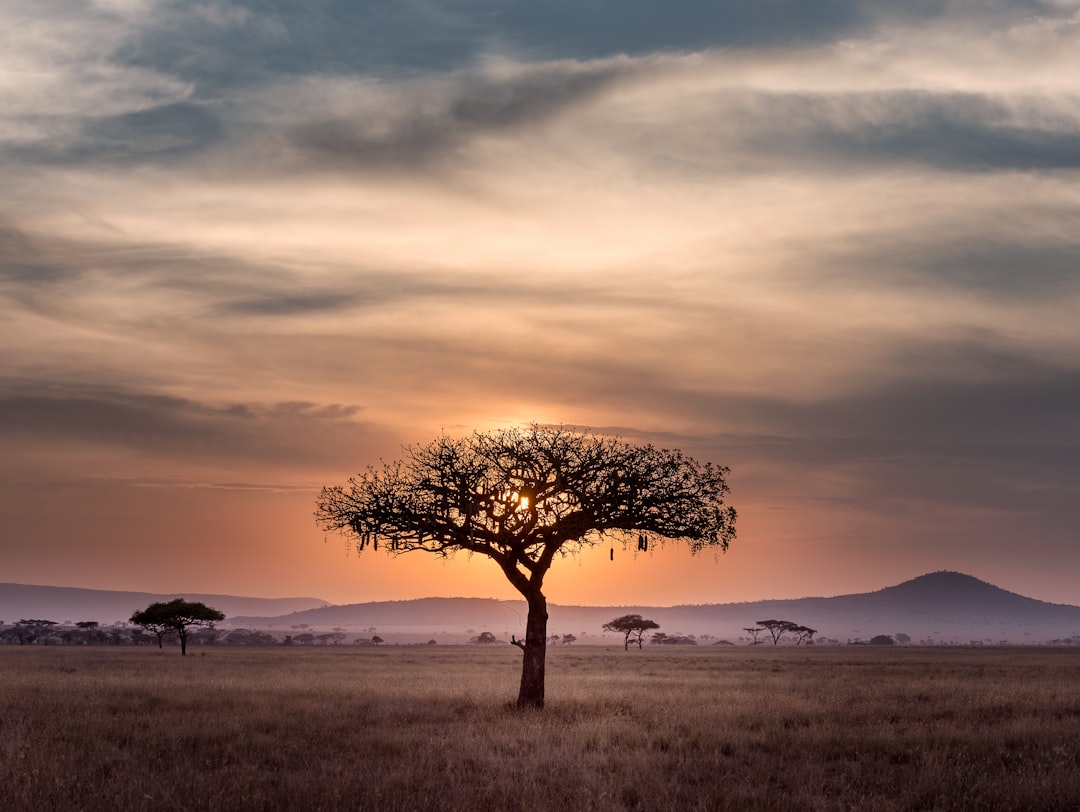
The main Burundi safari risks are road delays, poor driving behavior, limited lighting after dark, severe weather, and malaria exposure. These risks do not make every trip unsafe. They do mean that you should travel with local support, move by day, and confirm each route before setting out.
Road travel is often the most important practical concern. Safari vehicles may face delays, rough sections, traffic, or changes caused by rain. The available SafariFind research identifies road delays, limited lighting after dark, and poor driving behavior as key concerns in Burundi. [4]
Daylight travel reduces several problems at once. You can see road hazards more clearly, reach lodging before dark, and respond faster if a route changes. Ask your operator how long each transfer normally takes and what backup route they use.
Severe weather can change a route quickly. The CDC lists flooding and landslides among natural disasters that have affected travelers in safari destinations. It also notes that earthquakes and volcanic eruptions have affected international travelers in recent years. [1] Your operator should monitor local conditions and explain when a delay is safer than continuing.
June–September and December–February are usually drier travel periods in Burundi, according to the reviewed tour-operator information. Rainy seasons can increase transport difficulties. [5] Drier months may make road travel easier, but they do not remove the need for current route checks.
Rain can affect more than game viewing. It can slow airport transfers, delay food deliveries, change walking plans, and make remote roads harder to use. Build spare time into the itinerary. Avoid booking a same-day connection after a long road transfer.
Burundi is a malaria-risk destination. A travel-health source recommends antimalarial protection and consultation with a travel-health professional 6–8 weeks before departure. [8] Start early because a professional may need to review your route, health history, medicines, and vaccination needs.
Use the health plan your clinician gives you. Pack insect repellent, long sleeves, and suitable sleeping protection. Seek medical help quickly if you develop fever during the trip or after returning home. Tell the clinician that you visited a malaria-risk area.
American travelers can review the guide to Burundi vaccinations for Americans in 2026. British travelers can also check the guide to Burundi visa requirements for British citizens. Confirm all entry and health rules with official sources, since this research does not provide a current authoritative 2026 update.
Security conditions can change quickly. The reviewed sources do not provide a confirmed Burundi-specific government advisory for 2026 or 2027. [1][2][3][4][5][6][7][8] Check your government’s travel advice, your insurer’s terms, and your operator’s local update before departure.
Do not treat an old blog post as a live security report. Ask your operator about the exact route, recent road access, local contacts, and emergency support. A good operator should answer clearly and explain what happens if the itinerary changes.
The safest Burundi safari route is one that a professional operator can confirm for current road conditions. Shorter routes with daytime transfers are easier to manage than packed schedules. June–September and December–February are usually drier periods, while rainy travel requires more spare time and stronger backup plans. [5]
A practical itinerary may combine a wildlife area, a forest stop, and a city or lakeside base. The exact sequence should depend on current access, weather, lodging, and guide availability. Do not choose a route from a map alone. Local operators know which roads remain useful after heavy rain.
Rusizi and Kibira are useful names to discuss when requesting a quote. The SafariFind route guide covers a 3-day Rusizi and Kibira plan for 2026. However, travelers should confirm what the package includes, which roads it uses, and whether the operator can change the order of stops.
Couples who want a slower trip can review the guide to Burundi’s six-day forest escape for couples. A longer trip can create a calmer pace, but it also requires more nights, more transfers, and a clear emergency plan.
Season alone does not decide safety. A skilled operator, daylight schedule, secure accommodation, and good communication remain important in every month. Ask whether the vehicle has suitable tires, communication tools, and enough water for delays.
Compare the practical details, not just the number of wildlife stops. A cheaper-looking itinerary may include long transfers, unclear lodging, or limited support. Since no verified Burundi safari pricing appears in the reviewed research, [1–8] request itemized quotes rather than relying on a general price claim.
| Name | Duration | Best For |
|---|---|---|
| Rusizi and Kibira route | 3 days | Travelers seeking a shorter guided route |
| Forest escape for couples | 6 days | Couples wanting a slower forest trip |
| Custom Burundi safari | Operator-defined | Private groups needing flexible routing |
SafariFind lets you compare available packages, operators, and authentic traveler reviews. Compare Burundi tour operators with current reviews and ask about flexible routes before paying a deposit.
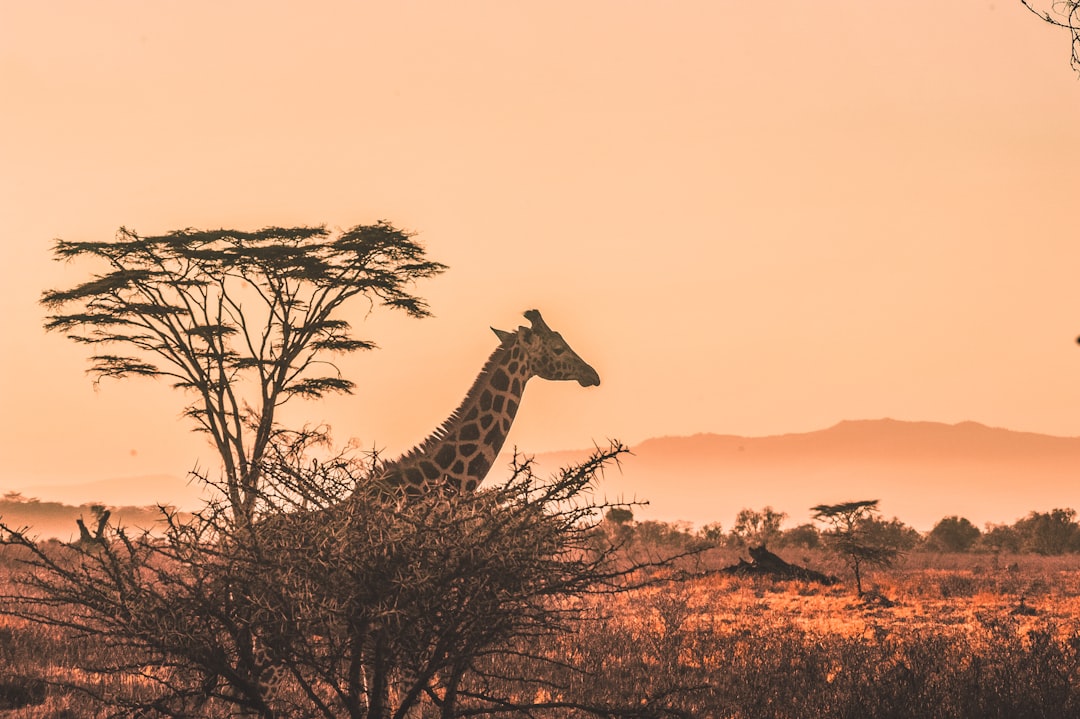
You can prepare for a safer Burundi safari by checking official advice, choosing verified local support, planning health care early, and carrying a flexible itinerary. Share your route with someone at home. Keep copies of your passport, insurance, bookings, and emergency contacts in secure digital and paper formats.
Verified operators can help you make safer choices because they work with current local conditions. SafariFind connects travelers with verified tour operators and real traveler feedback. Still, you should ask direct questions and keep your own records of every promise.
Arrange a travel-health consultation 6–8 weeks before departure. Burundi is a malaria-risk destination, and a clinician can advise on antimalarial medicine and other protection. [8] Do not wait until the airport to solve health questions.
Review the entry rules for your nationality. The available research does not include a verified Burundi-specific 2026 entry update. [1–8] Use official immigration or consular information for the final decision. You can use SafariFind’s Burundi visa guide for American citizens as a planning aid, then verify the details independently.
Simple habits make a major difference. Wear a seat belt, keep valuables out of sight, and stay with the group. Do not change the route without telling your guide. If a driver appears tired or drives dangerously, raise the concern early.
A strong operator should provide a clear itinerary, named accommodation, a trained guide, reliable vehicle support, and an emergency contact. The operator should explain cancellation terms and weather changes in writing. Ask for these details before you pay.
There is no verified Burundi safari price in the research provided. [1–8] Therefore, treat any 2026 price as a quote that needs checking. Ask whether permits, meals, park fees, transfers, accommodation, guide services, and insurance are included.
For a closer look at seasonal budgeting, read the guide to Burundi safari costs from May to September. Confirm all figures with the operator because availability and inclusions can change.
Burundi is suitable for a carefully planned safari in 2026 when you use a professional local operator, travel during daylight, and keep your plans flexible. Avoid solo travel and confirm current security advice, road access, and health requirements before departure. [4]
The main risks are road delays, poor driving behavior, limited lighting after dark, severe weather, flooding, landslides, and malaria exposure. A local guide, daylight transfers, flexible routes, secure lodging, and early health advice help manage these risks. [1][4][8]
June–September and December–February are usually drier travel periods in Burundi. Rainy seasons can make transport harder, so travelers should allow extra time and confirm road conditions before every transfer. [5]
No verified Burundi safari price is available in the research reviewed for this guide. Request an itemized quote from an operator and check whether it includes accommodation, meals, guides, vehicles, permits, park fees, and transfers. [1–8]
Plan a travel-health consultation 6–8 weeks before departure. Burundi is a malaria-risk destination, and a qualified professional can advise on antimalarial medicine and other protection based on your route and health history. [8]
Use SafariFind to compare verified safari packages and tour operators, read authentic traveler reviews, and ask questions about routes, daylight travel, emergency support, and flexible plans. Request a current quote before booking because verified 2026 pricing is not provided here.
Burundi is suitable for safari in 2026 when travelers use professional local support and prepare for changing road and weather conditions. The safest plan includes daylight transfers, secure lodging, flexible routes, malaria protection, and a current check of official travel advice.
June–September and December–February are usually drier periods, but no season removes every risk. Rain can bring floods, landslides, and road delays. Therefore, choose an operator that can change the itinerary without confusion or unsafe pressure.
No verified Burundi safari price appears in the research reviewed. Ask for an itemized quote and confirm every inclusion. Read the route details, cancellation terms, emergency contacts, and recent reviews before paying.
Compare verified safari packages on SafariFind, request a quote from a verified operator, and read authentic reviews from previous travelers. With careful planning and current information, Burundi can offer a rewarding guided safari experience in 2026 and beyond.
These recommendations use real data from SafariFind, where you can compare operators, browse packages, and read verified traveler reviews before you book.
3-Day Best of Burundi Experience • $1,400 • 3 days • by Kubwa Five Safaris
by Kubwa Five Safaris • 3 Days
2-Day Nyungwe Chimpanzee Trekking & Canopy Walk Tour • $1,930 • 2 days • by Maseke Adventures
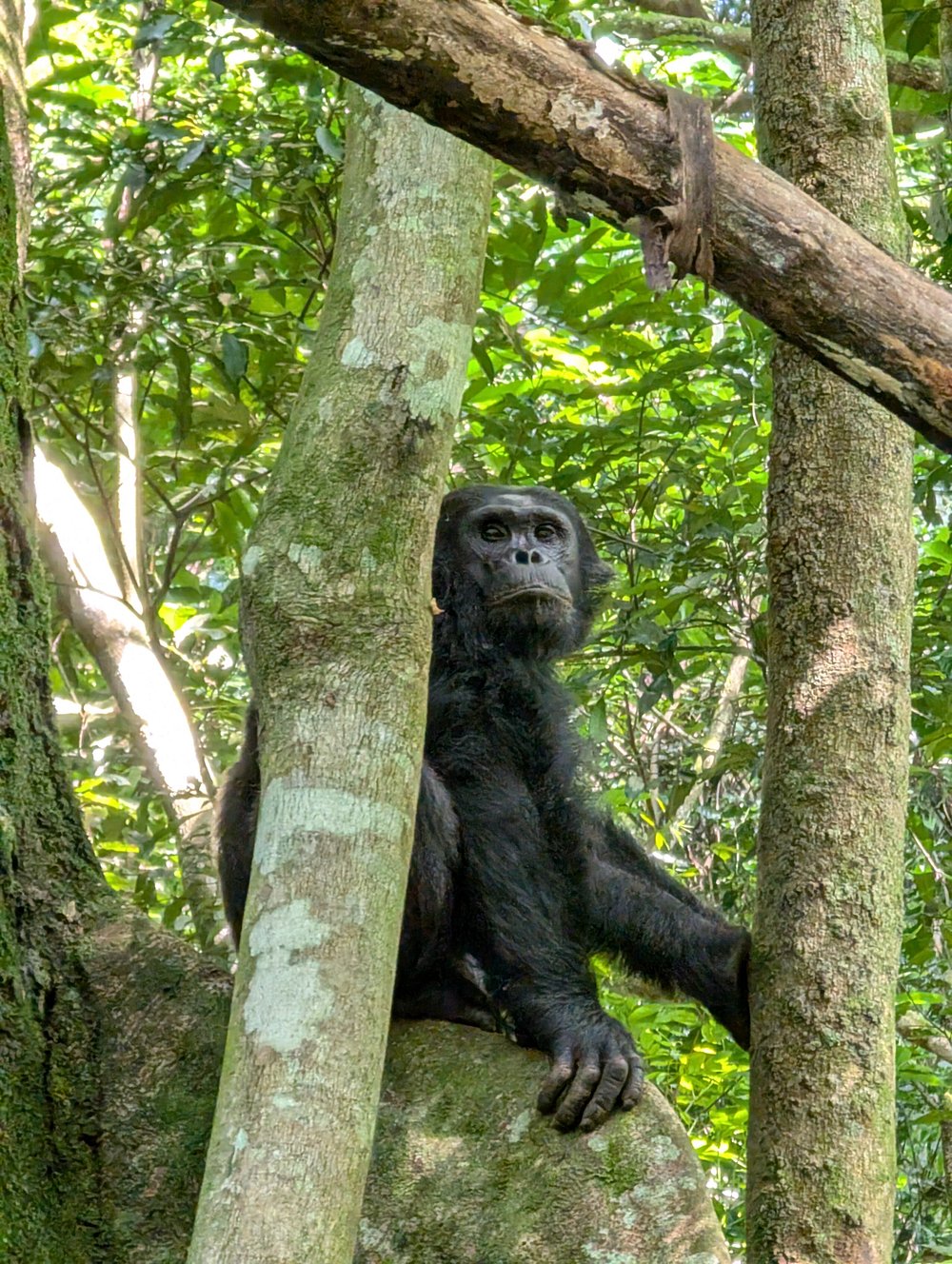
by Maseke Adventures • 2 Days
"My husband and I met working close to Mwanza many years ago. It was so special for us to relive our time in this wonderful part of the world. There were five of us, including our young friend who managed to meet family in Burundi. We had an awesome trip on safari, animals so close Tenting camps a super experience. Juma was a spectacular guide, changed schedules easily, with excellent advice and always a smile. Our safari driver was the best with so many stories to tell. This made our trip. Nongwi in the north of Zanzibar was a beautiful place to relax, take boat trips and swim in the turquoise ocean. So much to see and experience and we all loved it."
