
Eswatini Safari vs Serengeti: Which Is Safer in 2026?

Discover Eswatini Safari vs Serengeti: Which Is Safer in 2026? - Expert guide to safari tourism and wildlife destinations.
Eswatini Safari vs Serengeti: Which Is Safer in 2026?
Last updated: July 2026
Eswatini safari vs Serengeti safety is a close comparison in 2026. Both destinations are safe for visitors who use licensed operators, follow guide rules, and avoid risky travel after dark. Eswatini suits smaller, guided wildlife trips, while Serengeti suits travelers seeking large parks, strong ranger support, and major migration viewing.
Two southern and eastern African safari destinations offer very different safety experiences: Eswatini is compact and easy to manage, while Serengeti is vast and heavily guided.
At a Glance
- Safety verdict: Both destinations are safe for tourism in 2026 when you use licensed safari operators.
- Cost example: A 5-day mid-range Eswatini safari is estimated at $3,100 total, or about $620 per day. [3]
- Best time: Choose the dry season for easier wildlife viewing and firm roads; confirm exact dates with your operator.
- Duration: Plan 4-5 days for Eswatini and 5-7 days for a Serengeti-focused trip.
- Best for: Eswatini is best for compact trips, rhino viewing, and walking activities; Serengeti is best for big-game viewing and migration travel.
- Safety support: Serengeti has strong ranger presence and guide support in the main safari region. [6]
Meta description: Compare Eswatini safari vs Serengeti safety in 2026. See risks, costs, guide rules, transport advice, and the best choice for your trip.
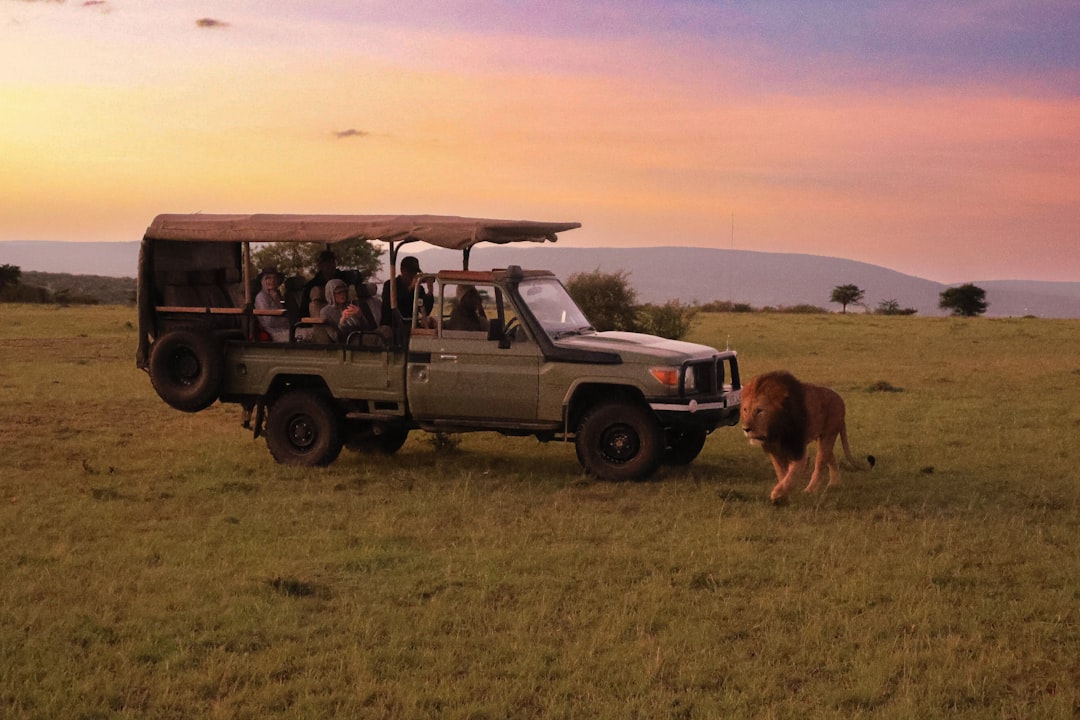
Image alt text suggestions: “Guided 4x4 safari vehicle in Eswatini game reserve”; “Serengeti safari guide watching wildlife from a 4x4”; “Rhinoceros viewed from a safe distance in Eswatini.”
Eswatini safari vs Serengeti: Which Is Safer in 2026? is a practical question for first-time safari travelers, families, solo visitors, and older guests. The short answer is clear: both are safe when you book with a licensed company and follow local guidance. TravelSafe SOS reports that Tanzania remained safe for tourism in 2026. It also says the Serengeti and other main safari regions had high security and strong guide presence. [6]
Eswatini also has a positive safety record for organized travel. Southern Utah University describes southern Africa travel as safe, entertaining, and informative. Its program was led by organizers with long-term experience in Eswatini and more than 10 trips to the region. [1]
This guide compares practical safety rather than making unsupported claims about crime rates. It covers wildlife, roads, guides, health planning, remote travel, night movement, and costs. You will also see when each destination makes more sense in 2026.
What Is Eswatini Safari vs Serengeti Safety Like in 2026?
Both Eswatini and Serengeti are safe safari destinations in 2026 with licensed operators, trained guides, and clear visitor rules. The main difference is setting. Eswatini offers smaller reserves and shorter transfers. Serengeti covers a huge remote area, but the main safari zones benefit from strong ranger and guide presence. [6]
Known for: Eswatini safety
Eswatini is known for compact game reserves, guided drives, rhino experiences, and a strong choice of lodge-based trips. Smaller reserves can make travel feel simple. You often spend less time on long park roads, and your guide can explain local rules before each activity.
Eswatini is not a place for careless wildlife contact. Rhinos, elephants, hippos, and other wild animals remain dangerous at close range. Stay inside the vehicle unless your guide gives permission. During walking or horse safaris, keep the guide between you and wildlife, stay quiet, and follow every stop signal.
Eswatini walking routes need extra care because guests leave the vehicle. A guide controls distance, wind direction, pace, and escape routes. Read the detailed guide to Eswatini safari walking routes and operator costs before choosing a walking activity.
Known for: Serengeti safety
Serengeti National Park is known for vast plains, remote camps, large predators, and high-profile migration travel. Its scale adds a planning challenge. You may spend several hours driving between areas, and mobile coverage can vary. A professional guide keeps the trip controlled and helps manage wildlife distance, road conditions, and camp movement.
Serengeti is highly secure in the main safari region, according to TravelSafe SOS. The same source advises more caution in urban areas at night and recommends avoiding high-risk border regions. These points matter because a safari itinerary often includes airport transfers, city hotels, and road travel outside the park. [6]
Neither destination is “safe” because wild animals are harmless. Both are safe because operators use rules, trained staff, controlled routes, and guest briefings. Your behavior remains part of the safety system.
Compare Eswatini and Serengeti safari packages for 2026 to review trip styles, operators, prices, and traveler feedback.
How Do Wildlife, Roads, and Guides Compare?
Serengeti offers stronger large-scale safari infrastructure in its main areas, while Eswatini offers a smaller and often more personal setting. Safety depends less on the animal list than on guide quality, vehicle standards, camp procedures, and how well the itinerary manages remote travel.
Wildlife distance and viewing rules
Eswatini is especially attractive for travelers who want rhino-focused experiences. Mkhaya Game Reserve, for example, is associated with rhino safari trips and guided wildlife viewing. Guests should never approach animals alone or leave a vehicle without instructions. A close sighting is safe only when the guide controls the encounter.
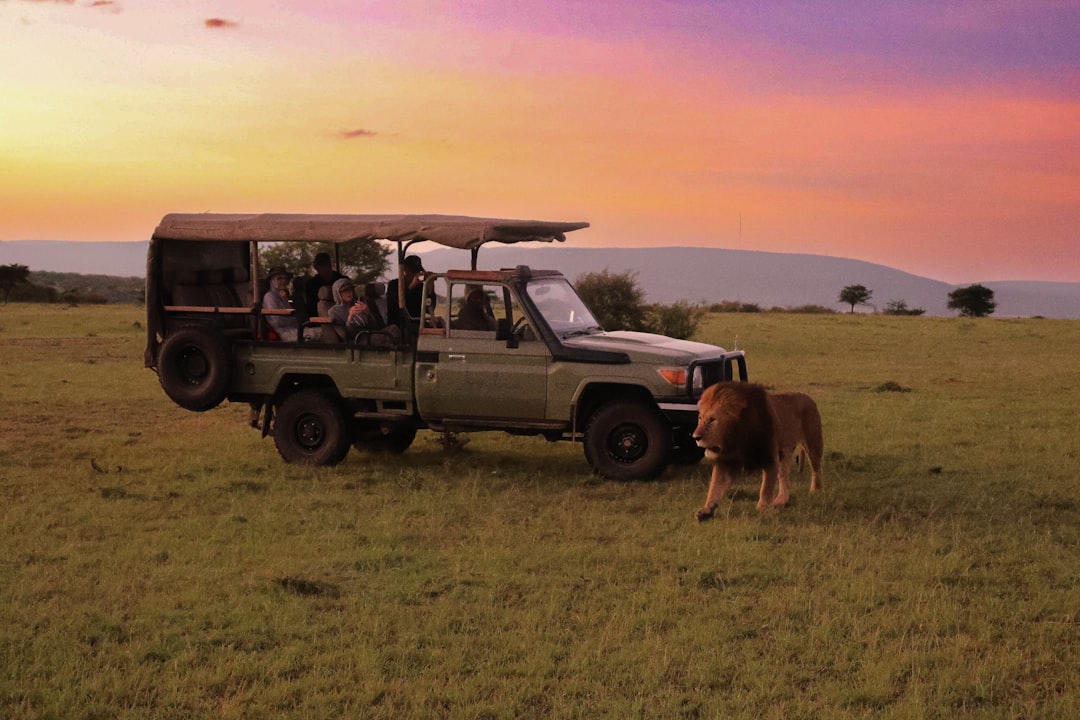
Serengeti is famous for lions, leopards, cheetahs, elephants, and large herbivore herds. Predators may appear close to vehicles. Keep your hands, arms, and camera equipment inside when your guide asks. Never call, feed, chase, or block wildlife for a photograph.
Serengeti’s vast landscape can reduce the feeling of crowding, but it also increases the value of professional planning. A guide knows how to read animal behavior and select safe parking positions. Purpose-built 4x4 vehicles are used by reputable Tanzania operators, according to a 2026 Tanzania safety guide. [4]
Road travel and vehicle safety
Eswatini is easier to combine with regional road travel because the country is compact. However, road safety still matters. Ask who provides transfers, whether the vehicle has seat belts, and how long each driving day lasts. Avoid rushing from one reserve to another after a long international flight.
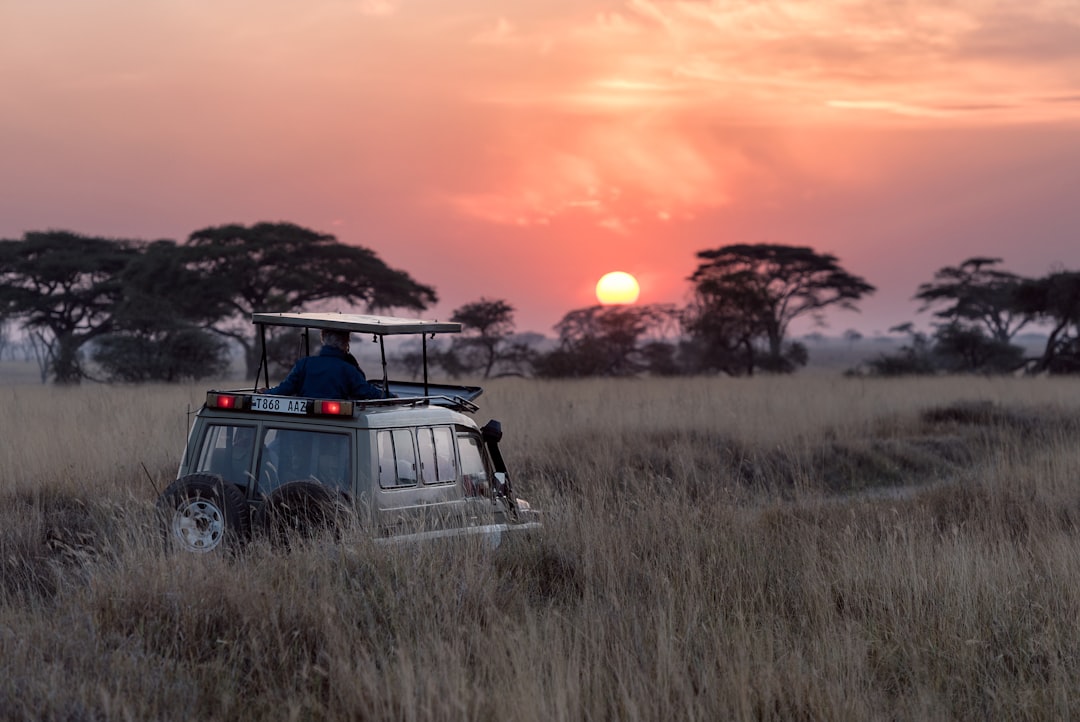
Serengeti routes can be rough, remote, and tiring. A strong 4x4 vehicle improves comfort and control on uneven tracks. Choose an operator that explains transfer times, vehicle type, emergency plans, and communication methods before you pay.
Safari vehicle safety is simple: wear your seat belt, remain seated, keep doors closed, and listen to the guide. Do not stand while the vehicle moves. These habits protect you during sudden stops, rough roads, and close wildlife encounters.
Walking, horseback, and camp safety
Walking safaris require more discipline than standard game drives. Wear closed shoes, avoid bright clothing, and do not move ahead of the guide. Horse safaris also require riding confidence, calm behavior, and clear instructions around wildlife.
Camp safety follows the same basic pattern in both destinations. Do not walk alone between tents after dark. Ask staff for an escort. Keep food sealed, respect camp boundaries, and report unusual animal activity immediately.
Travelers who prefer a slower Eswatini trip can review the guide to Eswatini horse safari costs, lodges, and booking advice. The activity can be rewarding, but it needs a qualified guide and suitable riding conditions.
What Practical Safety Details Matter Most?
The safest safari plan uses a licensed operator, a clear transfer schedule, suitable insurance, and a realistic daily pace. Compare the full itinerary, not only the park name. A low price can hide long road transfers, poor vehicles, weak emergency support, or extra costs.
Operator checks before booking
Ask each company for its license details, guide experience, vehicle information, emergency process, and accommodation names. Request written details about airport pickup, park transfers, meals, activities, and exclusions.
Travelife certification is one useful safety signal for Tanzania operators. A Tanzania safety guide says the certification includes third-party checks of safety management, staff training, guest welfare, and environmental practices. The guide also describes Travelife certification as rare among Tanzania operators. [4]
Certification is not the only test. Read recent reviews, check response times, and confirm that the operator gives safety briefings. SafariFind connects travelers with verified tour operators, package details, and authentic traveler reviews. Use those details to compare companies before requesting a quote.
Health, insurance, and emergency planning
Travel insurance should cover medical care, evacuation, trip delays, and activity risks. Eswatini safari cost estimates list travel insurance at $50-$150 for a trip. The same estimate lists international flights at $500-$1,500 and ground transfers at $100-$200. [3]
Ask a travel clinic about vaccines, malaria prevention, personal medicines, and heat protection. Carry a small first-aid kit, insect repellent, sunscreen, and enough prescription medicine for delays. Tell your guide about allergies, mobility limits, and medical needs before departure.
Serengeti travel often includes remote areas. Confirm how the operator handles vehicle breakdowns, illness, missed flights, and poor weather. Eswatini trips may offer quicker access to towns, but you still need a plan for remote reserves and long border transfers.
Night travel and town precautions
Urban safety deserves attention in both itineraries. TravelSafe SOS recommends greater caution in urban areas at night and advises travelers to avoid high-risk border regions. [6] Use registered transfers, avoid walking alone after dark, and keep valuables secure.
Do not assume a safari lodge and a city hotel have the same risks. Lodge staff manage wildlife movement. City travel requires normal precautions, such as using trusted transport and staying alert in busy areas.
2026 cost factors that affect safety
Price can influence safety when it changes the quality of vehicles, guides, camps, or transfers. A 5-day mid-range Eswatini safari example costs $3,100 total, or about $620 per day, including listed expenses. [3] Optional helicopter flights cost $500-$1,000, while spa treatments cost $50-$150. [3]
Do not choose the cheapest trip without checking what it includes. Ask whether park fees, transfers, meals, guide services, insurance, and emergency support appear in the quote. A clear quote helps you avoid rushed transfers and unexpected decisions during the trip.
Request a quote from verified safari operators for your 2026 budget and compare inclusions before booking.
| Name | Price | Duration | Rating | Best For |
|---|---|---|---|---|
| Eswatini mid-range safari example | $3,100 total | 5 days | Not provided | Compact wildlife trip and guided reserves |
| Serengeti safari | Request current quote | 5-7 days recommended | Compare current reviews | Large landscapes, predators, and migration travel |
| Eswatini add-on costs | $500-$1,000 helicopter flight | Optional activity | Not provided | Scenic travel for suitable itineraries |
Which Destination Should You Choose for a Safer Trip?
Choose Eswatini for a shorter, more compact safari with lodge-based activities. Choose Serengeti for a larger wildlife landscape with strong ranger and guide support in the main park region. Neither destination is universally safer; the best choice depends on your route, operator, health needs, and comfort with remote travel.
Choose Eswatini when you want:
- Shorter transfers between reserves and lodges.
- A compact trip that fits a wider southern Africa itinerary.
- Rhino viewing and guided walking options.
- Horse safari activities with suitable professional guides.
- A mid-range example priced around $620 per day before personal changes.
Eswatini is a strong choice for families who want a manageable route. It also suits travelers who prefer fewer long drives. Review 4-day Eswatini safari costs from Johannesburg when planning a road-based trip.
Choose Serengeti when you want:
- Large open plains and major predator sightings.
- A classic East African safari setting.
- Strong guide presence in the main safari region.
- A remote park experience managed by professional operators.
- Access to a wider Tanzania itinerary if your time allows.
Serengeti is better for travelers who value wildlife scale over short transfers. It requires more planning because routes are longer and camps can sit far apart. Build rest time into the plan, especially after international flights or long game-drive days.
Best practice: match the trip to your needs
Families should ask about child ages, walking rules, vehicle seating, and travel time. Older travelers should ask about steps, bathroom access, vehicle entry, and medical support. Solo travelers should choose scheduled transfers and share their itinerary with a trusted contact.
Couples can choose either destination. Eswatini offers intimate lodge stays and activity variety. Serengeti offers dramatic scenery and wildlife viewing over broad plains. Your operator should explain the safety plan in plain language before you confirm.
Season also affects comfort. Dry months often make animals easier to spot and roads easier to manage, but exact weather and wildlife conditions change by area. Use the Eswatini dry and green season guide to compare timing and likely cost changes.
Key Takeaways
- Choose licensed operators in 2026 to use trained guides, planned routes, and clear emergency support.
- Select Eswatini for a 4-5 day compact trip to reduce long transfers and add guided rhino or walking activities.
- Select Serengeti for a 5-7 day wildlife trip to experience broad plains, predators, and strong ranger presence.
- Budget about $3,100 for the 5-day mid-range Eswatini example and check every inclusion before payment. [3]
- Avoid urban night travel and high-risk border areas by using registered transfers and following current local advice. [6]
Frequently Asked Questions
Is Eswatini safari vs Serengeti safer in 2026?
Both Eswatini and Serengeti are safe for tourism in 2026 when you use licensed operators and follow guide instructions. Serengeti has strong security and guide presence in its main safari regions, while Eswatini offers a compact setting with guided reserve activities. [6]
Is it safe to go on safari in Eswatini?
Eswatini is safe for organized safari travel when visitors stay with trained guides and follow wildlife rules. Southern Utah University describes southern Africa travel as safe, entertaining, and informative, based on a program led by experienced Eswatini trip organizers. [1]
Is the Serengeti safe for tourists in 2026?
The Serengeti is safe for tourists in 2026 when they travel with reputable guides and remain in approved safari areas. TravelSafe SOS reports high security and strong guide presence in the Serengeti and other main safari regions. It advises more caution in urban areas at night. [6]
What is the main safety risk on an African safari?
The main safari risk is unsafe behavior near wildlife. Never leave a vehicle without permission, approach animals, feed wildlife, or walk alone at night. Vehicle quality, guide training, remote travel, and health planning also affect safety.
How much does an Eswatini safari cost in 2026?
A 5-day mid-range Eswatini safari example costs $3,100 total, or about $620 per day. Extra estimates include $500-$1,500 for international flights, $100-$200 for ground transfers, and $50-$150 for travel insurance. [3]
How can I book a safer Eswatini or Serengeti safari?
Book through SafariFind to compare verified safari packages, review operator information, read authentic traveler reviews, and request a quote. Ask each operator about licenses, vehicles, guides, emergency plans, insurance, and included transfers before booking.
Conclusion
Eswatini safari vs Serengeti safety has no single winner in 2026. Both destinations are safe with licensed operators, trained guides, and sensible traveler behavior. Eswatini is the better fit for a compact 4-5 day trip, rhino viewing, walking, and easier route planning. Serengeti is the better fit for large landscapes, predators, migration travel, and strong guide presence in the main safari region.
Use the $3,100 five-day Eswatini example as a planning reference, then request a current quote. For Serengeti, compare the full itinerary, vehicle, camp location, transfer plan, and emergency support. Avoid judging safety by price alone.
Compare verified safari packages on SafariFind, read authentic reviews, and request a quote from a suitable operator. With careful planning, your 2026 safari can be exciting, comfortable, and well managed.
References
- [1] Active Learning: Africa Trip with College of Health Sciences - Southern Utah University
- [2] Is Safari Safe? Complete Africa Safety Guide (2026)
- [3] Eswatini Rhino Safari Cost 2026: Budget vs Luxury
- [4] Tanzania Safari Safety Guide 2026: Rules, Risks & Tips
- [5] Planning African Safaris for Seniors | Serengeti Safari Tips 2026
- [6] East Africa Travel Safety 2026 Guide
- [7] Kenya vs Tanzania Safari (2026): Costs, Wildlife & Which to Pick
- [8] Eswatini vs Taos (2026) - Which Is Better for Your Trip?


