
Conservation Organisations Protecting Uganda’s Wildlife (2026)
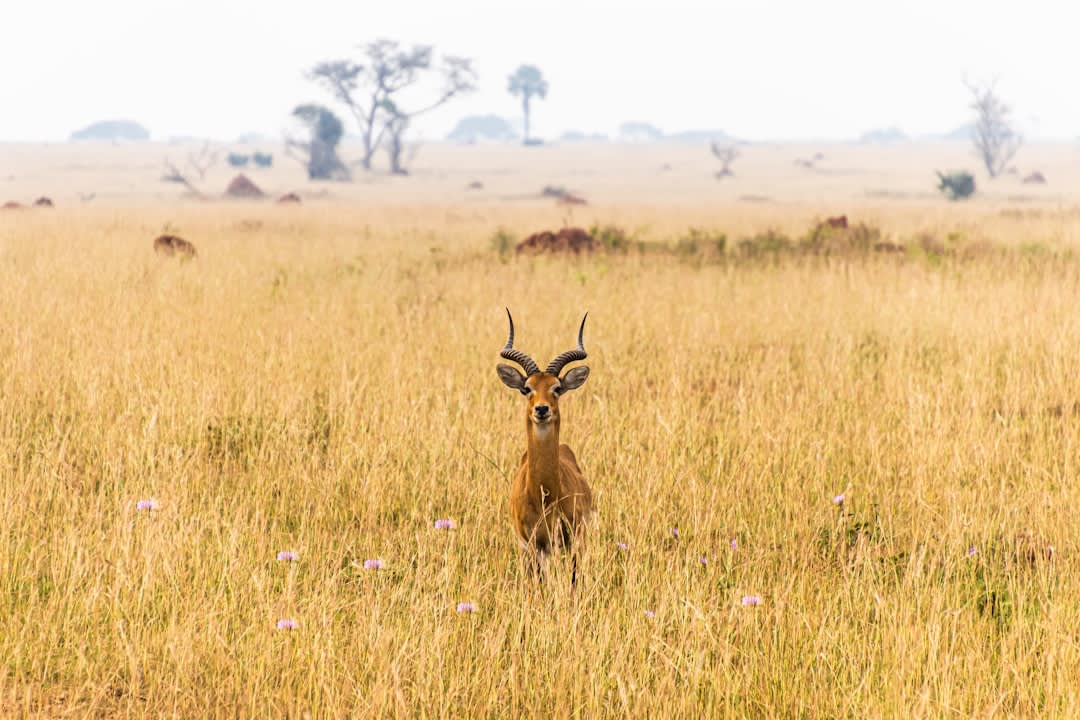
Uganda’s wildlife conservation depends on partnerships between the Uganda Wildlife Authority, community organisations, international NGOs and tourism stakeholders. In 2026, priorities include protecting national parks, reducing human–wildlife conflict, disrupting trafficking and restoring threatened species such as rhinos.
Quick answer: Wildlife conservation in Uganda is led by the Uganda Wildlife Authority (UWA) and strengthened by partnerships with organisations including the Uganda Conservation Foundation, African Wildlife Foundation, Wildlife Conservation Society, Fauna & Flora, WWF Uganda, IUCN Save Our Species, Conservation Through Public Health and WildAid. Their work combines ranger patrols, wildlife-crime investigations, habitat restoration, community-led conservation, health programmes, education and responsible tourism. [1][3][5][7][8][10]
In 2026, collaboration is particularly important because Uganda’s protected areas face interconnected pressures: habitat loss, illegal wildlife trade, human–wildlife conflict, limited conservation finance and climate-related risks. A major new partnership also supported the reintroduction of rhinoceroses to Kidepo Valley National Park, where the species had been absent since being eliminated by poaching, conflict and inadequate protection in 1983. [2][7]
Last reviewed August 2026. Conservation data changes — see the cited sources for the latest figures.
Why wildlife conservation matters in Uganda
Uganda is one of Africa’s biologically important countries. Fauna & Flora reports that 39% of Africa’s mammal species are found in Uganda, while only 10% of the country is forested today compared with 50% forest cover in 1900. These figures illustrate both the country’s ecological importance and the scale of habitat change affecting forests and wildlife. [7]
The country’s conservation landscape includes mountain gorilla habitat in Bwindi Impenetrable Forest, chimpanzee forests in western Uganda, savannah parks such as Murchison Falls and Queen Elizabeth, and remote landscapes including Kidepo Valley National Park. UWA states that Uganda is home to more than half of the world’s approximately 1,004 mountain gorillas, with 27 habituated gorilla families visited by tourists. [1]
Conservation therefore involves more than protecting individual animals. It means maintaining connected forests, wetlands, rivers and savannahs; supporting communities living beside protected areas; preventing wildlife crime; and ensuring that tourism and other forms of economic development do not undermine ecological integrity. Fauna & Flora identifies forest and wetland loss, poaching, oil and gas development in the Albertine Graben and climate change as important pressures on Uganda’s natural environment. [7]
The main threats facing Uganda’s wildlife
Illegal wildlife trade and poaching
Illegal killing and trafficking remain central conservation challenges. The Wildlife Conservation Society published a Uganda Wildlife Trafficking Assessment in 2026, demonstrating the continuing need for evidence-led analysis of wildlife crime and enforcement responses. [5] IFAW also reports that it and its partners seized 410 kilograms of ivory across Uganda, Tanzania and Kenya during the relevant reporting year, while removing or reporting 682,417 online listings for illegal wildlife products between July and December 2023. The figure is regional rather than Uganda-specific, so it should not be interpreted as a national Ugandan seizure total. [12]
Wildlife crime is not limited to animals killed inside parks. It can involve trafficking routes, border crossings, online sales, aviation channels and weaknesses in prosecution. In 2025, Focused Conservation described work with Uganda’s Wildlife Crime Unit and other stakeholders to improve intelligence-led enforcement, coordination between law enforcement and prosecutors, and cross-border cooperation along the Uganda–Democratic Republic of Congo border. [13]
Habitat loss and fragmentation
Loss of forests, wetlands and ecological corridors reduces the space available to wildlife and can isolate populations. In western Uganda, Fauna & Flora is working with local communities to restore corridors between remaining chimpanzee strongholds. The organisation also identifies development in the Albertine Graben and climate change as risks to biodiversity. [7]
Habitat protection is consequently a landscape-scale task. A park boundary alone cannot resolve pressure where farms, settlements, roads, rivers and wildlife ranges meet. The IUCN Save Our Species country brief reports that six targeted grants to Ugandan civil-society organisations between 2020 and 2023 supported improved management and protection of more than 1,014,300 hectares of critical wildlife habitat. [10]
Human–wildlife conflict
People living near protected areas can lose crops, livestock, property or personal security when elephants, lions and other animals move beyond park boundaries. Conservation responses described by AWF in the Kidepo and Murchison Falls landscapes include water infrastructure, conflict-response systems, regenerative farming, rights-based safeguards and strengthened enforcement capacity. [3]
Partners are testing different solutions for different species and landscapes. The IUCN reports that “Lion Queens and Kings” work in Queen Elizabeth National Park helped eliminate retaliatory lion killings and significantly reduce livestock predation, while beehive fences in Murchison Falls helped deter elephants and reduce crop-raiding. In Kibale National Park, the same country brief refers to non-lethal deterrents and trenches as part of conflict mitigation. [10]
Climate, water and financial pressures
Climate change can intensify ecological stress, while unreliable or insufficient financing can limit patrols, equipment, infrastructure and community programmes. UWA’s 2022–2023 annual report noted that a budget ceiling constrained capital development after the recruitment of an additional 855 rangers, although improving tourism revenues were helping create funds for infrastructure and field equipment. [9]
Tourism income is therefore important but should not be treated as a complete solution. The experience of the COVID-19 period showed the vulnerability of conservation systems that depend heavily on visitor revenue: when travel stopped, tourism income fell and support for rangers and park protection was placed under pressure. [14][15]
Which organisations protect Uganda’s wildlife?
| Organisation or partnership | Role in conservation |
|---|---|
| Uganda Wildlife Authority | National wildlife and protected-area authority responsible for conservation strategies, park management, community participation, wildlife-crime responses and tourism management. [1] |
| Uganda Conservation Foundation | Delivers practical conservation and community interventions, works with UWA and park-adjacent communities, and supports policy engagement and public awareness. [6] |
| African Wildlife Foundation | Supports Community Wildlife Associations, grievance mechanisms, wildlife-friendly enterprises, ecotourism value chains and landscape work in Kidepo and Murchison Falls. [3] |
| Wildlife Conservation Society | Produces conservation research and assessments, including the 2026 Uganda Wildlife Trafficking Assessment and work linked to chimpanzees and the Albertine Rift. [5] |
| Fauna & Flora and IGCP | Supports mountain-gorilla conservation across Uganda, Rwanda and the Democratic Republic of Congo, and works on chimpanzee corridor restoration in western Uganda. [7] |
| WWF Uganda | Supports restoration, ranger equipment, communications and technology-enabled protected-area management, including work in Rwenzori Mountains National Park. [11] |
| Conservation Through Public Health | Links biodiversity conservation with human health, livelihoods and coexistence around protected areas, including gorilla landscapes and wildlife disease work. [8] |
| WildAid and communications partners | Support conservation communication through the Uganda Conservation Media Awards, which recognise journalism and digital media that raise public awareness of wildlife issues. [4] |
Uganda Wildlife Authority: the public agency at the centre
UWA’s mission is to conserve, economically develop and sustainably manage Uganda’s wildlife and protected areas in partnership with neighbouring communities and other stakeholders. Its stated approaches include community participation, revenue sharing, collaborative management, problem-animal management, wildlife-use rights, conservation education and awareness. [1]
This mandate makes UWA the central coordinating institution for Uganda’s national parks and wildlife reserves. Its work includes field protection, tourism operations, community engagement and responses to wildlife crime. UWA’s annual report lists cooperation with civil-society and international partners including IUCN, UNDP, USAID, the World Bank, WWF, WCS, UCF, IFAW, UNESCO, AWF and others. [9]
UWA also participates in public-facing conservation communication. In 2026, it hosted the Uganda Conservation Media Awards in partnership with WildAid. The scheme added a New/Digital Media category, recognising the role of influencers, bloggers and online publishers in reaching Ugandans who may never visit a national park. [4]
Partnerships restoring species and landscapes
Kidepo Valley: from species loss to rhinoceros reintroduction
In March 2026, Global Conservation announced a rhinoceros reintroduction to Kidepo Valley National Park through a partnership with the Uganda Conservation Foundation, Northern Rangeland Trust, WildLandscapes East Africa and UWA. The initiative was designed to support continuous surveillance and patrols, fencing, access roads, fire prevention, park-wide communications and security systems. [2]
The same initiative, “From Recovery to Resilience: Scaling Conservation Impact in Uganda,” builds on more than a decade of collaborative management and conservation work in the region. Global Conservation also reported that the national initiative coincided with the recruitment of 600 new park rangers and identified the reintroduction of rhinos and lions to Kidepo as expected outcomes. These are programme announcements and intended outcomes, not evidence that every stated result has already been achieved. [2]
Community-led conservation in Kidepo and Murchison Falls
AWF’s Uganda work emphasises local institutions rather than conservation imposed solely from outside. In 2025, AWF supported the operationalisation of Community Wildlife Associations and grievance mechanisms, while working with UWA, local leaders and civil-society partners on water security, conflict response, farming and rights-based safeguards in the Kidepo and Murchison Falls landscapes. [3]
AWF’s 2026 priorities include strengthening wildlife-friendly enterprises and ecotourism value chains so that stewardship produces tangible benefits and reduces incentives for environmentally harmful coping strategies. The organisation argues that flexible, long-term financing is essential to making these approaches durable. [3]
Forests, chimpanzees and gorillas
Fauna & Flora’s work in Uganda includes restoring ecological corridors for chimpanzees in western Uganda and supporting the International Gorilla Conservation Programme (IGCP). IGCP works across the three mountain-gorilla range states—Uganda, Rwanda and the Democratic Republic of Congo—through partnerships with key stakeholders. [7]
Conservation Through Public Health takes a complementary approach by linking gorilla and wildlife protection with improved health and livelihoods around protected areas. Its partnership work includes community health interventions and collaboration with UWA on wildlife disease surveys, including buffalo disease work in Queen Elizabeth National Park. [8]
Technology, rangers and protected-area operations
Conservation partners are increasingly combining ranger knowledge with digital tools. Global Conservation describes the use of EarthRanger-linked field data and simple mobile devices to track information across protected areas. WWF Uganda reports that solar lighting and charging systems installed at nine ranger posts in Rwenzori Mountains National Park helped keep devices operational and improve communication in remote locations. [2][11]
These tools do not replace trained staff, local knowledge or accountable institutions. Their value is that they can help teams record patrol information, communicate more reliably and target limited resources. UWA’s annual reporting also makes clear that equipment, accommodation, vehicles and other capital needs remain part of the practical conservation challenge. [9]
Community participation and tourism’s role
Community participation is a core part of UWA’s conservation model, including revenue sharing and collaborative management. It is also central to NGO programmes addressing conflict, livelihoods, health and habitat restoration. [1][3][6][8]
Tourism can contribute in several ways: visitor fees can support protected-area operations; safari lodges, guides, transport providers and community enterprises can create local income; and visitors can help sustain demand for destinations where wildlife protection is part of the tourism proposition. Seneca Park Zoo’s account of support for Murchison Falls describes tourism as a major source of income for government and surrounding businesses, while noting how the collapse in travel during the pandemic affected those income streams. [14]
A wildlife safari is not automatically conservation-positive. Its value depends on how fees are managed, whether communities receive fair benefits, how operators behave around animals and whether tourism remains within ecological limits. Travellers can book conservation-supporting safaris on SafariFind while checking an operator’s community, wildlife-welfare and environmental policies before paying.
For visitors considering a wildlife safari park experience, Uganda offers a different model from a fenced wildlife attraction: many conservation experiences take place in national parks and community-linked landscapes where wildlife, residents, rangers and tourism businesses share the same wider ecosystem. Responsible spending should reinforce that coexistence rather than encourage intrusive viewing or unrealistic promises.
Results and setbacks: an honest assessment
There are credible signs of progress. The IUCN reports that six Save Our Species grants in Uganda improved management and protection across more than 1,014,300 hectares, supported species recovery and helped reduce human–wildlife conflict. The same programme supported interventions involving lions, elephants and chimpanzee landscapes. [10]
On the ground, Seneca Park Zoo reports that UWA rangers and scouts working in Murchison Falls collected more than 12 tons of snares and leg-hold traps in 2022. This indicates substantial removal of dangerous traps, but it also demonstrates the scale of the threat that patrol teams confront. [14]
The rhino return to Kidepo is an important restoration milestone, but reintroduction is only the beginning of a conservation process. Long-term success requires reliable protection, monitoring, suitable habitat, disease and conflict planning, and secure financing. The Global Conservation announcement specifically links the project to surveillance, patrols, infrastructure and security improvements, underscoring those continuing requirements. [2]
Challenges remain across the system. UWA has reported capital-development constraints; conservation groups continue to call for diversified and flexible financing; forests and wetlands remain under pressure; and wildlife trafficking requires coordinated action across agencies and borders. The IUCN concludes that sustaining and scaling conservation outcomes will require stronger policy support, partnership-driven innovation, adaptive management and more effective long-term funding. [3][7][9][10][13]
How travellers can help responsibly
- Choose ethical operators. Ask how park fees, staff employment and community benefits are handled, and whether the operator follows UWA rules. UWA identifies community participation, revenue sharing and conservation education as parts of its approach. [1]
- Keep wildlife at a respectful distance. Do not pressure guides to approach animals, block their movement or create unsafe encounters.
- Support locally owned services. Use local guides, accommodation, crafts and community enterprises where quality and safety standards are appropriate.
- Protect forest and wildlife destinations beyond the headline species. Gorilla and chimpanzee tourism can help sustain habitat protection, but Uganda’s conservation needs also include savannahs, wetlands, corridors and less-visited reserves. [3][7]
- Never buy wildlife products. Illegal trade can involve ivory, live animals and other wildlife products, and enforcement partners continue to address trafficking networks and online sales. [5][12][13]
- Share accurate information. WildAid and UWA’s conservation media work reflects the importance of responsible storytelling. Avoid geotagging sensitive species or amplifying unverified claims. [4]
- Ask for evidence. When a lodge, tour company or charity claims conservation impact, look for named partners, clear activities, transparent reporting and acknowledgement of remaining risks.
Uganda’s conservation future will be shaped less by one organisation or one safari than by whether public agencies, communities, researchers, donors, tourism businesses and international partners can sustain coordinated action. The strongest model emerging in 2026 combines protection with livelihoods, science with local leadership, and tourism income with accountability. [1][3][6][10]
Frequently Asked Questions
Which organisation is responsible for wildlife conservation in Uganda?
The Uganda Wildlife Authority is the national agency responsible for conserving and sustainably managing Uganda’s wildlife and protected areas. It works through community participation, revenue sharing, collaborative management, wildlife-crime responses, conservation education and partnerships. [1]
What international organisations support wildlife conservation in Uganda?
International and regional supporters include African Wildlife Foundation, Wildlife Conservation Society, Fauna & Flora, WWF, IUCN Save Our Species, WildAid, IFAW and Conservation Through Public Health, among others. UWA’s annual report also lists cooperation with organisations including UNDP, USAID, the World Bank and UNESCO. [8][9][10]
What is the Uganda Conservation Foundation doing for wildlife?
The Uganda Conservation Foundation implements practical conservation and community interventions, works with UWA and park-adjacent communities, engages policymakers and supports public awareness. In 2026, it was part of the partnership supporting rhinoceros reintroduction and protection in Kidepo Valley National Park. [2][6]
Are rhinos being reintroduced to Uganda?
Yes. Global Conservation reported that rhinoceroses were reintroduced to Kidepo Valley National Park in March 2026 through a partnership involving UCF, UWA, Northern Rangeland Trust and WildLandscapes East Africa. The programme includes surveillance, patrols, infrastructure and security improvements. [2]
How does conservation reduce human–wildlife conflict in Uganda?
Projects use location-specific measures such as conflict-response systems, water infrastructure, regenerative farming, beehive fences, non-lethal deterrents and trenches. The IUCN reports that Lion Queens and Kings work helped eliminate retaliatory lion killings at Queen Elizabeth National Park and reduce livestock predation. [3][10]
How does tourism support wildlife conservation in Uganda?
Tourism can provide park revenue and income for guides, lodges, transport providers and community enterprises. However, conservation finance should be diversified because the pandemic showed the risks of relying heavily on visitor income. [1][3][14]
What are the biggest threats to Uganda’s wildlife in 2026?
The principal threats identified by the cited organisations are habitat and corridor loss, poaching and wildlife trafficking, human–wildlife conflict, climate change, development pressure in the Albertine Graben and inadequate or vulnerable conservation financing. [5][7][9][10][13]
How many mountain gorillas are in Uganda?
UWA states that around 1,004 mountain gorillas exist globally and that Uganda is home to more than half of them. UWA also states that 27 habituated gorilla families are visited by tourists. [1]
What is WWF Uganda doing for protected areas?
WWF Uganda has supported restoration and ranger operations, including solar lighting and charging systems at nine ranger posts in Rwenzori Mountains National Park to keep devices operational and improve communication in remote areas. [11]
How can travellers help Uganda’s wildlife?
Travellers can choose responsible operators, follow UWA wildlife-viewing rules, use locally owned services, avoid buying wildlife products, support credible community and conservation programmes, and avoid spreading unverified or sensitive species information. [1][4][5][12]


