 Ask Tembo
Community Conservancies in Tanzania 2026: Conservation Model & Impact

Community conservancies in Tanzania protect wildlife across 1.5+ million acres while generating tourism revenue and strengthening local livelihoods. This conservation model has become more effective than some national parks at safeguarding species.
Community Conservancies in Tanzania: Quick Answer
Community conservancies in Tanzania are locally managed protected areas where Maasai pastoralists and other communities co-manage wildlife, grasslands, and water resources with government and NGO partners. These areas now protect wildlife more effectively than some national parks, generate sustainable tourism revenue, and have helped restore species populations while improving community incomes through ecotourism, carbon credits, and livestock enterprises.[1][2][3]
What Are Community Conservancies and Why They Matter in Tanzania
Community conservancies—also called Wildlife Management Areas (WMAs)—were formally introduced in Tanzania during the 1990s in recognition of traditional Maasai and pastoral practices that had historically coexisted with wildlife.[4] Unlike state-controlled national parks, conservancies are established and managed by local communities themselves, with support from government authorities and conservation organizations like the African Wildlife Foundation (AWF) and The Nature Conservancy (TNC).[1][2]
Tanzania's conservancy system is critical because the country's biodiversity depends on open grasslands and wildlife corridors that span across both protected areas and community lands. The Serengeti ecosystem—home to the world's largest terrestrial mammal migration—extends from northern Tanzania into Kenya, and its survival depends on unobstructed movement across community-managed rangelands.[5] Without functioning community conservancies, migratory corridors fragment, pushing wildlife into smaller areas where they face increased poaching pressure and human-wildlife conflict.
The model is also economically vital: community conservancies have become a primary livelihood alternative for pastoralists facing climate variability and pressure to abandon traditional herding. Between tourism revenue, carbon credits, and wildlife-related enterprises, conservancies now generate measurable income for schools, health clinics, water projects, and direct community payments.[2][3]
The Landscape: Key Protected Areas and Conservancies
Tanzania's community conservancy network includes pioneering sites such as:
- Burunge Wildlife Management Area—a pilot community conservancy that has attracted wildlife populations and become a model for revenue-sharing tourism.[4]
- Randilen Wildlife Management Area—in northern Tanzania, where TNC's livestock and grazing officer Warda Kanagwa works with Maasai communities to protect grasslands critical to both pastoral livelihoods and wildlife.[1]
- Enduiment Community Conservancy—west of Mt. Kilimanjaro, where conservancies have helped communities access traditional watering points previously restricted to protected areas.[4]
- ILUMA WMA—supported by AWF with a goal to reduce external funding dependence by end of 2026 through diversified revenue (ecotourism, carbon credits, strengthened governance).[2]
- Manyara Ranch—now managed by the Manyara Ranch Management Trust, focusing on livestock–wildlife integration and tourism optimization in 2026.[2]
These conservancies collectively protect over 1.5 million acres of critical habitat, though exact current acreage figures vary by source. The expansion of the conservancy model is ongoing: AWF and government partners are piloting community-led payments for ecosystem services (PES) in the Vidunda sub-catchment and scaling climate-smart agriculture training to reach 10,000+ farmers across Kilombero and surrounding landscapes by end of 2026.[2]
Major Threats: Poaching, Habitat Loss, Climate, and Human-Wildlife Conflict
Habitat Fragmentation and Land Use Pressure
Colonial-era land policies displaced pastoral communities and fragmented traditional migration routes. Modern development—fencing, agriculture, settlements—continues to cut through corridors where wildlife historically moved freely.[5] This restricts animal populations, making them more vulnerable to poaching and disease.
Poaching and Illegal Wildlife Trade
Tanzania's wildlife faces sustained illegal harvesting. Research by UNEP-WCMC documented significant trade in protected species, including chameleons harvested and exported to developed countries (the US, Germany, Japan); most trade is illegal or inadequately regulated.[6] While specific poaching mortality figures for Tanzania's conservancies are not uniformly published, the threat remains acute in areas with weak ranger capacity or funding.
Climate Variability and Drought
Prolonged droughts stress pastoral livelihoods and force communities to overgraze rangelands, degrading habitat. Climate-smart agriculture and rotational grazing regimes—now being scaled by AWF in 2026—are responses to this pressure.[2]
Human-Wildlife Conflict
Predators (lions, leopards) kill livestock; elephants raid crops. Historically, this has driven community hostility toward conservation. Tanzania's 2022 amendment to the Wildlife Conservation Act now authorizes financial compensation for livestock losses to wildlife, reducing conflict incentives.[7] However, implementation remains incomplete, and compensation payments are often delayed or insufficient.
Funding Volatility
Many conservancies remain dependent on external donor funding rather than sustainable local revenue. COVID-19 demonstrated this vulnerability: tourism collapsed, and conservancies lost income.[8] By 2026, AWF and partners are explicitly targeting revenue diversification to reduce reliance on single tourism income streams.[2]
What's Being Done: Programmes, Organisations, and On-Ground Work
Government and International Partnerships
The USAID-administered Tuhifadhi Maliasili (Conserve Natural Resources) program—a $30 million, multiyear initiative (2021–2026)—supports three core objectives: building institutional capacity of stakeholders, increasing private-sector involvement, and improving policy and regulatory frameworks for biodiversity conservation.[7] This programme directly funds community conservancy governance and wildlife management capacity.
Tanzania also amended the Wildlife Conservation Act in 2022, strengthening legal protections and enabling compensation mechanisms for human-wildlife conflict.[7]
Leading Conservation Organisations
African Wildlife Foundation (AWF)
AWF is a primary implementer of community conservancy support in Tanzania. In 2025–2026, AWF's initiatives include:
- Deepening conservation finance for ILUMA WMA and other conservancies through ecotourism, carbon credits, and governance strengthening.[2]
- Scaling climate-smart agriculture training to 10,000+ farmers, with a 96% adoption rate among trained farmers in Kilombero and surrounding areas.[2]
- Expanding technology adoption (CyberTracker for patrol monitoring, TARISSfupi for river health assessment) to improve community land-use tracking and restoration monitoring.[2]
- Investing in youth engagement through school-based conservation programmes and mentorship, recognizing strong appetite for conservation action among young Tanzanians.[2]
- Supporting women's conservation business sectors (beading, ecotourism guides, sustainable agriculture) to generate income and strengthen stewardship.[2]
The Nature Conservancy (TNC)
TNC works across Tanzania's grasslands and along Lake Tanganyika. Key roles include:
- Employing specialized staff like Warda Kanagwa (livestock and grazing officer) to help Maasai communities protect grasslands critical to both pastoralism and wildlife migration.[1]
- Supporting wildlife corridor protection and freedom of movement for migratory species.[1]
- Advancing community-driven conservation efforts that balance livelihood security with ecosystem integrity.[1]
Frankfurt Zoological Society (FZS)
FZS supports protected areas across Tanzania (Serengeti, Mahale, Nyerere National Park) through ranger support, infrastructure maintenance, wildlife monitoring, and community livelihood initiatives that reduce pressure on natural resources.[9]
Honeyguide Foundation
Honeyguide works with the Maasai Landscape Conservation Fund (MLCF) to strengthen WMA income, ensure wildlife and natural resource protection, and build management and governance capacity in northern Tanzania conservancies.[10]
Community Rangers and Patrol Technology
Community conservancies employ local rangers—often young men and women from pastoral backgrounds—as wildlife monitors and liaison officers. These rangers conduct patrols, collect data on wildlife sightings and poaching incidents, and intervene in human-wildlife conflicts. In Kenya's conservancy network (which shares management principles with Tanzania's), approximately 2,991 conservancy rangers are employed, earning an estimated annual income of 45 million Kenyan shillings ($~340,000 USD) collectively.[11] Tanzania's conservancy ranger network operates under similar structures, though unified employment figures are not publicly consolidated.
Technology adoption is accelerating: CyberTracker—a mobile data collection tool used by rangers to log patrols, wildlife sightings, and threats—is being expanded in Tanzanian WMAs to improve real-time monitoring and adaptive management.[2]
Carbon Credits and Conservation Finance
Grassland and forest carbon offset projects are emerging as sustainable revenue streams for Tanzanian conservancies. In northern Tanzania, Carbon Tanzania has partnered with the Hadza community (hunter-gatherers in the Yaeda Valley, an important wildlife dispersal area from the Serengeti) to sell carbon credits that fund woodland protection.[12] While the Hadza project is relatively recent, it demonstrates how carbon finance can complement tourism and livestock enterprises.
Grazing-management carbon schemes are also developing: rotational livestock grazing regimes capture soil carbon and generate credits sold to offset-seeking corporations. Kenya's Northern Rangelands Trust operates a 4.7-million-acre soil-carbon project across 14 conservancies, earning $3.9 million in 2023.[12] Similar initiatives are being piloted in Tanzania's rangeland WMAs in 2026.[2]
Community Conservancies and Tourism: How Safari Visits Support Conservation
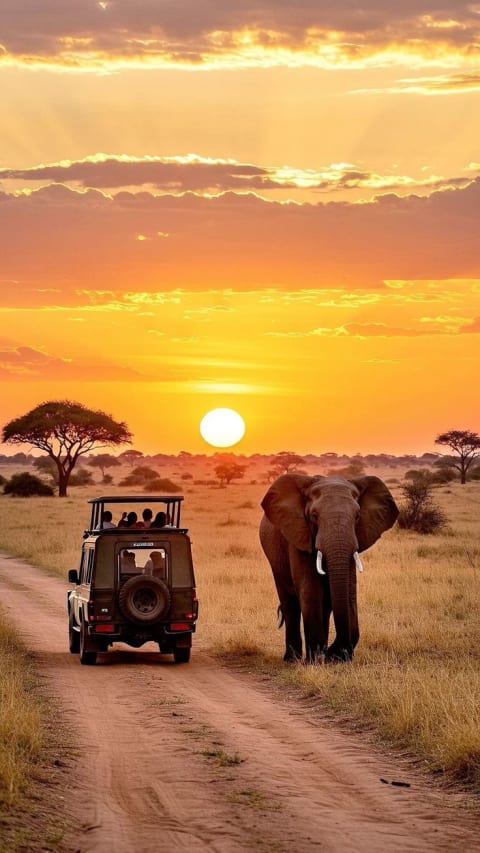
Tourism is the primary revenue engine for most Tanzanian conservancies. Visitors on safari pay entry fees, lodge accommodation, and guide services; these revenues fund ranger salaries, anti-poaching patrols, community development projects (schools, clinics, water), and wildlife management. Burunge Wildlife Management Area, a pioneer in community conservation, has used tourism revenue to fund education, health, and social services.[4]
High-end ecotourism—where lodges charge upwards of US$600 per night—generates significant income per visitor. Before acquisition by the Loisaba Conservancy Trust in Kenya, a similar high-value operation generated approximately US$1.5 million annually.[13] Tanzanian conservancies targeting similar markets (e.g., Manyara Ranch) aim to optimize tourism revenue while maintaining ecological integrity.[2]
However, tourism-dependent conservancies face revenue volatility: COVID-19 demonstrated that lockdowns and travel restrictions can collapse income overnight, forcing conservancies to seek government subsidies or reduce ranger patrols.[8] This underscores the importance of diversifying revenue through carbon credits, livestock enterprises, and sustainable agriculture—priorities AWF and partners are pursuing through 2026.[2]
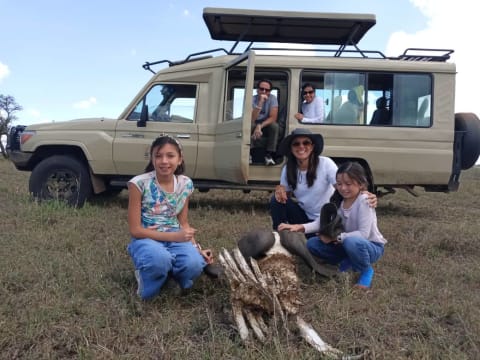
Visitors choosing conservation-focused safari operators directly support this model. Many Tanzanian conservancies partner with responsible tour companies that commit a percentage of profits to community benefit and conservation operations.
Results and Progress: What's Working
Wildlife Recovery and Habitat Protection
Community conservancies have demonstrated measurable conservation success. In Kenya's Maasai-managed Mara ecosystem (which shares the Serengeti-Mara ecosystem with Tanzania), the lion population has doubled over the past decade.[5] While specific Tanzanian conservancy wildlife population trends are less uniformly published, the model's effectiveness is reflected in:
- Species recovery: Grassland-dependent species (wildebeest, zebra, giraffe) have been attracted to and maintained in areas where community conservancies protect migration corridors and prevent uncontrolled development.[4][5]
- Habitat connectivity: Conservancies maintain grasslands and water points that are essential for pastoral livelihoods and wildlife movement, reducing habitat fragmentation.[1][4]
Community Livelihood Improvements
Revenue-sharing has tangibly improved community welfare:
- Education and health: Tourism and conservation enterprise revenues fund schools and health clinics in conservancy communities.[4]
- Water access: Conservancies have helped communities negotiate access to traditional watering points, reducing pastoral vulnerability to drought.[4]
- Employment: Conservancies employ rangers, guides, lodge staff, and artisans, providing income to youth and women who might otherwise lack formal employment opportunities.[11]
- Agricultural innovation: Climate-smart agriculture training, with 96% adoption among trained farmers in Kilombero, demonstrates community willingness to adopt sustainable practices when supported by technical assistance and incentives.[2]
Governance and Institutional Strengthening
By end of 2026, AWF targets ILUMA WMA and other conservancies to reduce external funding dependence while increasing locally controlled conservation budgets.[2] This reflects progress in building Tanzanian conservancy management capacity and establishing sustainable governance structures. Honeyguide's support for WMA governance and natural resource management planning is contributing to this outcome.[10]
Challenges and Setbacks: Honest Assessment
Evictions and Rights Concerns
Tanzania's conservation efforts have occasionally resulted in alleged human rights abuses. In 2022, the Arusha regional council announced a 1,500-square-kilometer area would be cleared of its population. In January 2024, the national government announced plans to reclassify a Game-Controlled Area as a game reserve, involving the gradual eviction, relocation, and resettlement of a local Maasai population.[7] This reflects tension between state-led conservation and community land rights—a critical challenge that community conservancies (as community-managed models) are designed to mitigate, but state actions sometimes undermine.
Funding Dependency and Sustainability
Many conservancies remain dependent on external donor funding and international tourism revenue. The COVID-19 pandemic exposed this vulnerability: parks lost tourism income and required government subsidies.[8] While diversification efforts are underway, most conservancies have not yet achieved true financial independence by 2026.
Poaching and Illegal Trade Pressure
Despite conservancy efforts, illegal wildlife trade persists. UNEP-WCMC research documented significant harvesting and export of protected chameleon species from Tanzania to developed countries.[6] While improved ranger capacity and technology are helping, poaching remains a threat in under-resourced conservancies.
Climate Stress and Rangeland Degradation
Prolonged droughts stress pastoral systems and wildlife habitat, even in well-managed conservancies. Climate adaptation—through rotational grazing, water infrastructure, and drought-resilient livelihoods—is necessary but requires sustained investment.[2]
How Travellers Can Support Community Conservancies Responsibly
Choose Conservation-Aligned Operators
Book safaris with verified safari operators that explicitly commit to community benefit-sharing and transparent conservation funding. Ask operators whether they:
- Pay conservancy entry fees and guide fees directly to community accounts.
- Employ local guides and rangers.
- Support specific conservation projects (e.g., ranger equipment, water infrastructure).
- Publish annual conservation contributions.
SafariFind's marketplace features operators who meet these standards.
Respect Community Protocols
When visiting conservancies, follow ranger and guide instructions, respect sacred sites, and ask permission before photographing people. This builds goodwill and ensures communities view tourism as beneficial rather than intrusive.
Support Community Enterprises
Purchase handicrafts, artwork, and services from community members. Eat at community-owned restaurants, hire local guides, and stay at community-managed lodges when available. Direct spending strengthens the economic case for conservation.
Advocate for Sustainable Practices
Feedback to operators about conservation practices matters. Support companies investing in anti-poaching, ranger training, and community benefit. Conversely, avoid operators that exploit wildlife (e.g., unethical animal interactions) or fail to share revenue.
Key Organisations and Contacts
| Organisation | Role in Tanzania | Focus Areas |
|---|---|---|
| African Wildlife Foundation (AWF) | Community conservancy support; WMA governance and finance | ILUMA WMA, Kilombero landscape, climate-smart agriculture, carbon credits, youth engagement |
| The Nature Conservancy (TNC) | Grassland and corridor protection; pastoral-wildlife coexistence | Randilen WMA, Maasai livelihood-wildlife balance, Lake Tanganyika conservation |
| Frankfurt Zoological Society (FZS) | National park and protected area support; ranger training | Serengeti, Mahale, Nyerere National Park; anti-poaching, community partnerships |
| Honeyguide Foundation | WMA governance and finance strengthening | Northern Tanzania WMA management capacity, conservation business development |
| Carbon Tanzania | Carbon credit facilitation for indigenous and pastoral communities | Hadza community woodland protection, Yaeda Valley dispersal area conservation |
Looking Ahead: 2026 and Beyond
By end of 2026, key conservation targets in Tanzania include:
- ILUMA WMA and peer conservancies: Reduce external funding dependence; increase locally controlled conservation budgets through diversified revenue (ecotourism, carbon, sustainable livestock).[2]
- Climate-smart agriculture: Scale training to 10,000+ farmers across Kilombero and surrounding landscapes, with peer mentorship spreading adoption.[2]
- Community-led payments for ecosystem services: Pilot PES scheme in Vidunda sub-catchment, with 96% adoption rate among trained farmers.[2]
- Technology and youth engagement: Expand CyberTracker and river health monitoring tools; strengthen school-based conservation education and mentorship for youth.[2]
- Women in conservation business: Support women's groups in beading, ecotourism, and sustainable agriculture sectors as income and stewardship leaders.[2]
The community conservancy model in Tanzania is maturing. With sustained funding, improved governance, and continued emphasis on both conservation outcomes and community benefit, conservancies are positioned to become the primary conservation and livelihood system for Tanzania's pastoral landscapes and their iconic wildlife.
Last reviewed July 2026. Conservation data changes — see the cited sources for the latest figures.
Frequently Asked Questions
What is a community conservancy in Tanzania?
A community conservancy (Wildlife Management Area or WMA) is a protected area established and managed by local communities—primarily Maasai pastoralists—with support from government and NGOs. Unlike state-controlled national parks, conservancies are community-owned and operated, allowing locals to make decisions about wildlife, grazing, water, and tourism while sharing revenue from conservation activities.
How do community conservancies in Tanzania protect wildlife?
Conservancies protect wildlife by maintaining grassland and water corridors needed for migration, employing community rangers to patrol and monitor wildlife, enforcing anti-poaching measures, and regulating human activity (e.g., controlled tourism, sustainable grazing). This approach has proven more effective than some national parks at safeguarding species while coexisting with pastoral communities.
What wildlife is found in Tanzania's community conservancies?
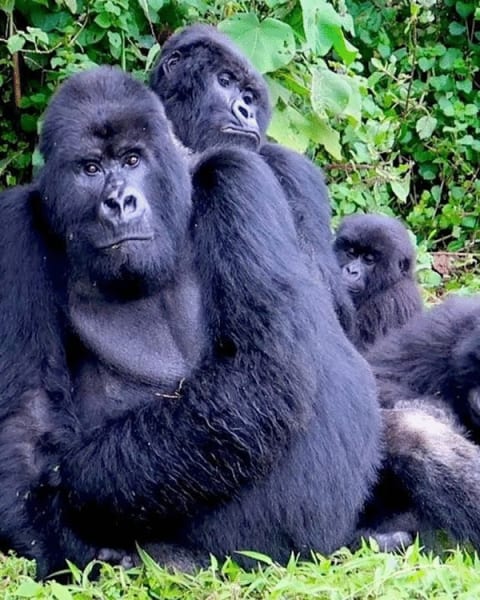
Tanzanian conservancies protect migratory species including wildebeest, zebra, giraffe, lions, leopards, and elephants. Conservancies in northern Tanzania are part of the Serengeti-Mara ecosystem, home to the world's largest terrestrial mammal migration. Specific species vary by conservancy; Burunge WMA and Randilen WMA are known for attracting giraffe and supporting pastoral-wildlife coexistence.
How much money do community conservancies generate from tourism?
Tourism revenue varies significantly by conservancy and year. High-end conservancies (like Manyara Ranch) targeting luxury tourism can generate substantial income; comparable operations generate around US$1.5 million annually. However, many conservancies generate modest revenues, and all face volatility—COVID-19 demonstrated how tourism collapse can devastate conservancy budgets. By 2026, conservancies are diversifying revenue through carbon credits and sustainable agriculture to reduce tourism dependence.
Do community conservancies in Tanzania reduce human-wildlife conflict?
Community conservancies help reduce conflict by creating economic incentives to protect wildlife (tourism revenue, employment), establishing wildlife corridors that reduce animal raids on crops, and enabling communities to negotiate access to water and grazing. Tanzania's 2022 Wildlife Conservation Act amendment also authorizes financial compensation for livestock losses to predators, though implementation remains incomplete.
Are Tanzanian community conservancies sustainable?
Sustainability is improving but incomplete. Many conservancies remain dependent on external donor funding and international tourism revenue. However, by 2026, conservancies are diversifying income through carbon credits, climate-smart agriculture, and livestock enterprises. AWF and partners target ILUMA WMA and peer conservancies to reduce external funding dependence and increase locally controlled conservation budgets by end of 2026.
What are the main threats to community conservancies in Tanzania?
Key threats include habitat fragmentation from development, poaching and illegal wildlife trade, climate-driven droughts stressing pastoralists and wildlife, human-wildlife conflict (predator attacks on livestock), funding volatility (especially post-COVID), and occasional government actions that conflict with community land rights. Conservancies also struggle with insufficient ranger capacity and resources in some areas.
How can safari visitors support community conservancies in Tanzania?
Choose safari operators that explicitly commit to community benefit-sharing and transparent conservation funding. Ask whether they pay conservancy entry fees and guide salaries directly to communities, employ local staff, and support specific conservation projects. Purchase handicrafts and services from community members, stay at community-managed lodges, and provide feedback to operators about conservation practices.
Which organisations manage community conservancies in Tanzania?
Key organisations include the African Wildlife Foundation (AWF), which supports ILUMA WMA and other conservancies through governance and finance strengthening; The Nature Conservancy (TNC), which works on grassland and corridor protection with Maasai communities; Frankfurt Zoological Society, which supports ranger training and protected area management; and Honeyguide Foundation, which strengthens WMA governance and conservation business development.
What is the Tuhifadhi Maliasili program and how does it help conservancies?
Tuhifadhi Maliasili (Conserve Natural Resources) is a USAID-administered, $30 million program (2021–2026) that supports three objectives: building institutional capacity of conservation stakeholders, increasing private-sector involvement in biodiversity conservation, and improving policy and regulatory frameworks. The program directly funds community conservancy governance, wildlife management capacity, and conservation finance.
Are community conservancies in Tanzania more effective than national parks?
Community conservancies have demonstrated comparable or superior effectiveness in some areas. The Serengeti-Mara ecosystem (spanning Tanzania and Kenya) shows that community-managed conservancies, when properly funded and governed, protect wildlife as effectively as state parks. Studies indicate that conservancies' success depends on sustained funding, ranger capacity, and genuine community benefit-sharing—factors that vary by site.
What is being done to improve conservancy funding by 2026?
By end of 2026, conservancies are diversifying revenue streams through carbon credits (e.g., soil-carbon schemes), scaling climate-smart agriculture training (targeting 10,000+ farmers in Kilombero), piloting community-led payments for ecosystem services, and strengthening governance to increase locally controlled conservation budgets. AWF and partners aim to reduce dependence on external funding while maintaining conservation effectiveness.
Trips that match this guide