
Black Rhino Conservation in Burundi 2026: Status and Threats
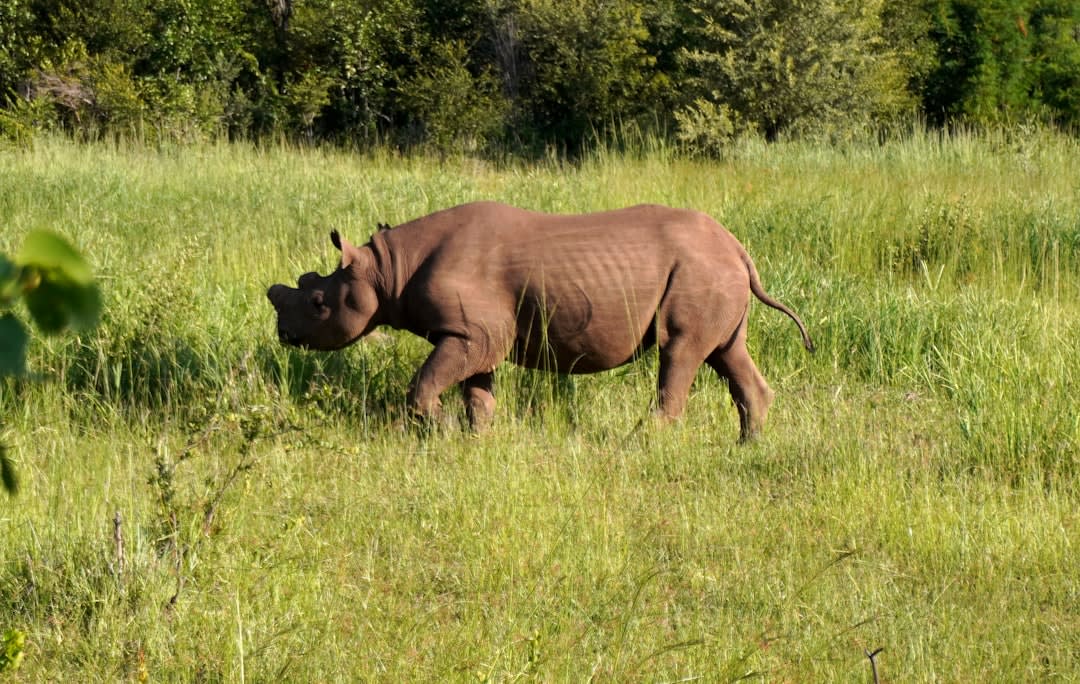
Burundi has no documented wild black-rhino population in the sources reviewed for 2026. The species remains critically endangered globally, with conservation in neighbouring East African range states offering important lessons for Burundi.
Quick answer: There is no verified wild black-rhino population or active black-rhino reintroduction programme in Burundi in the research reviewed for this article. Current published distribution information places black rhinos in countries including Kenya, Tanzania, Rwanda and Uganda’s wider East African conservation landscape, but does not list Burundi as a country with a resident or reintroduced population [3]. Black rhinos remain Critically Endangered, and their future depends on sustained habitat protection, anti-poaching work, monitoring and community partnerships across Africa [3][4].
Last reviewed August 2026. Conservation data changes — see the cited sources for the latest figures.
Why black-rhino conservation matters in Burundi
The black rhinoceros, Diceros bicornis, is an African browsing mammal recognised by its hooked, prehensile upper lip, which it uses to select bushes and branches. It is generally associated with woody vegetation, water and mineral-rich sites, and can occupy habitats ranging from woodlands and wetlands to semi-desert savannahs [2][3]. Those ecological requirements make rhino conservation a landscape issue: protecting suitable habitat can also protect other wildlife and the ecological processes on which local communities depend [6].
Burundi is important to the regional conversation even though the research reviewed here does not establish a current rhino population inside the country. A 2009 East African Community Rhino Management Group included wildlife authorities from Burundi, Ethiopia, Kenya, Rwanda, Tanzania and Uganda [5]. That regional connection shows why conservation planning cannot be considered country by country alone. Wildlife movements, intelligence networks, protected-area management, customs controls and tourism markets all operate across national borders.
It is important not to confuse regional participation with the presence of rhinos in Burundi. The supplied sources identify reintroduced black-rhino populations in Rwanda and other countries, while their current distribution list does not include Burundi [3]. No source supplied for this article provides a population estimate, confirmed sighting, named Burundian sanctuary or reintroduction result for black rhinos. The responsible conclusion for 2026 is therefore that Burundi has no documented resident population in the available evidence—not that historical presence or future restoration is impossible.
Black rhino population: a global recovery that remains fragile
Black-rhino numbers fell dramatically during the twentieth century. Save the Rhino reports a decline from approximately 70,000 animals in 1970 to about 2,410 in 1995, a reduction of roughly 96% associated with large-scale poaching [4]. International Rhino Foundation describes the population as having fallen below 2,400 by the mid-1990s because of poaching and habitat loss, followed by a gradual recovery through dedicated conservation [2].
The latest population figure in the supplied research is 6,788 black rhinos in the wild, with the species still classified as Critically Endangered [4]. A separate AfRSG analysis cited by Save the Rhino counted 6,191 black rhinos in Africa in 2022 and estimated that more than 5,800 animals represented a conservation legacy created by interventions since the 1990s [1]. The difference between these totals reflects different reporting dates and estimates; it is not evidence of a sudden population change.
| Indicator | What the research reports | Why it matters for Burundi |
|---|---|---|
| Current black-rhino status | Critically Endangered [3][4] | Any future regional restoration would require long-term security and habitat planning. |
| Estimated wild population | 6,788 in the most recent Save the Rhino population summary [4] | The species has recovered, but remains too scarce and vulnerable for complacency. |
| Africa in 2022 | 6,191 animals in the AfRSG analysis cited by Save the Rhino [1] | Monitoring methods and reporting years must be stated when comparing figures. |
| Projected African population in 2032 | More than 8,900 if current conservation action continues [1] | Forecasts depend on continued funding and effective protection. |
The most useful lesson for Burundi is not a headline number but the dependence of recovery on continued action. The AfRSG analysis estimated that stopping current conservation work for ten years could leave only about 3,300 black rhinos in Africa by 2032, compared with more than 8,900 if current efforts continue [1]. These are continental projections, not forecasts for Burundi.
The main threats: poaching, habitat loss and climate pressure
Poaching and illegal horn markets
Poaching remains the most direct threat to black rhinos. The horn is made of keratin, the same broad material found in human hair and fingernails, but illegal demand has made it a high-value commodity. Rhinos are killed when poachers remove the horn, and the species’ slow reproduction makes rapid recovery difficult [2][3]. Females typically produce one calf every two to four years, so even a modest level of adult mortality can have serious population consequences [3].
IFAW reports that an estimated 11,000 African rhinos were poached between 2008 and 2021, although the supplied figure covers African rhinos generally and does not identify how many were black rhinos [3]. For 2024, IFAW reports 516 rhino-poaching incidents across Africa, down from 540 in the previous assessment, but still equivalent to an annual loss of 2.15% of the continental rhino population; it notes that losses would need to fall below 1.2% annually for sustainable growth [7]. These figures are not Burundi-specific. They demonstrate why intelligence-led enforcement, secure borders and reliable funding remain necessary throughout the region.
For a country without a documented resident population, Burundi’s relevant role may include preventing the country from becoming a transit point for illegal wildlife products and supporting regional information-sharing. The supplied research does not provide Burundi-specific seizure totals, arrest figures or rhino-poaching statistics, so none should be inferred. For related national context, see SafariFind’s overview of anti-poaching in Burundi in 2026.
Habitat loss and fragmentation
Black rhinos need habitat with browse, water and suitable cover. Agricultural expansion, plantations, mining, tourism infrastructure and human settlement can reduce and fragment that habitat [3]. Fragmentation can also make populations smaller and more isolated, increasing the importance of carefully managed corridors and protected areas. The sources supplied do not quantify black-rhino habitat loss in Burundi, so the scale of any national impact cannot be stated.
Climate variability and drought
Climate change is identified alongside poaching and habitat loss as a major threat to black rhinos [3][7]. Drought can reduce water and browse availability and place additional pressure on already small populations. IUCN and TRAFFIC reporting cited in the research attributes recent stabilisation in Namibia’s black-rhino population partly to drought impacts [8]. Namibia is not Burundi, but the example illustrates why population security alone is insufficient: conservation plans must also account for changing environmental conditions.
What conservation programmes can teach Burundi
Because no Burundi-specific black-rhino project is documented in the supplied sources, the most accurate approach is to examine tested measures elsewhere in Africa rather than present generic activity as a national programme.
- Protected-area security: Rhino Ark reports ranger patrols, intelligence gathering and daily de-snaring operations in the Eastern Salient of Kenya’s Aberdare National Park, where black rhino protection has been a priority [10].
- Population management: Kenya’s wildlife authorities have used formal black-rhino conservation strategies, recovery plans and translocations. The country ratified a 2022–2026 black-rhino Recovery and Action Plan, and Kenya surpassed 1,000 indigenous black rhinos in 2024, according to the Pachyderm research source [5].
- Monitoring and demographic management: Lewa Wildlife Conservancy recorded its black-rhino population increasing from 109 to 114 in 2020 after seven births and two deaths, with monitoring used to assess age structure and growth [9]. This is a conservancy result, not a national or Burundi figure.
- Reintroduction and range expansion: Black rhinos have been reintroduced to countries including Rwanda, Malawi, Botswana, Eswatini and Zambia, according to IFAW [3]. Reintroduction is not simply a matter of releasing animals: it requires suitable habitat, veterinary planning, security, monitoring, funding and community support.
- Regional coordination: The East African Community Rhino Management Group brought together wildlife authorities from six countries, including Burundi, in 2009 [5]. Regional cooperation can support compatible strategies, intelligence exchange and coordinated responses to wildlife trafficking.
The World Bank’s Wildlife Conservation Bond provides another relevant financing model. It channels private capital towards conservation activities through an outcome-based structure supported by quantifiable metrics and project models [6]. The research does not say that this bond funds black-rhino conservation in Burundi. Its relevance is conceptual: future conservation finance should connect funding to transparent, independently measurable outcomes.
Community participation and responsible tourism
Successful rhino conservation depends on more than armed protection. The World Bank describes rhinos as umbrella species: protecting them and their habitats can also benefit other species, ecosystems and people [6]. Tourism can contribute when visitor spending supports legitimate protected-area management, local employment and community partnerships, but the research supplied does not quantify tourism revenue or jobs created by conservation in Burundi.
Travellers should therefore ask specific questions before booking a wildlife safari: Which authority manages the site? Are guides and conservation partners named? Does the itinerary support locally employed staff? How are wildlife sightings handled? Are claims about rhino presence backed by an official source? A responsible operator should never promise a black-rhino sighting in Burundi when no verified population is documented in the available evidence.
Travellers can compare conservation-minded itineraries through SafariFind, including information on Burundi safari packages. A booking does not automatically fund rhino protection, so visitors should check the stated conservation and community benefits rather than assume that every safari contributes directly to wildlife security.
For visitors considering established Burundian wildlife destinations, SafariFind also provides practical information about Rusizi National Park safari quotes and Ruvubu National Park entry fees. These travel resources should not be interpreted as evidence that either park holds black rhinos; the research supplied for this article does not establish that.
Results and setbacks: what the evidence really shows
The continental story is cautiously hopeful. Black-rhino numbers have risen from the mid-1990s low, and the AfRSG analysis projects further growth if current conservation work continues [1][2][4]. Kenya’s recovery, the Lewa population results and reintroductions in several African countries demonstrate that protection, management and carefully planned range expansion can produce measurable gains [3][5][9].
The setbacks are equally clear. Black rhinos remain Critically Endangered [3][4]. Poaching continues across Africa, habitat is under pressure, climate change can worsen drought and other environmental risks, and conservation gains are dependent on ongoing action [1][3][7]. Some subspecies have suffered irreversible losses: the western black rhino was declared extinct in 2011 [2].
For Burundi, the principal result is an evidence gap rather than a recovery statistic. There is no reliable population number, confirmed reintroduction result or named black-rhino sanctuary in the research supplied. Filling that gap would require authoritative national surveys and coordination with regional wildlife institutions—not speculation based on the presence of rhinos in neighbouring countries.
How travellers can help responsibly
- Choose operators that identify the protected-area authority, local partners and the intended conservation benefit of your booking.
- Do not request exact locations, photographs or live updates that could expose a vulnerable animal or patrol route.
- Reject souvenirs or products claiming to contain rhino horn; illegal horn trade is a primary driver of rhino killing [2][3].
- Follow guide instructions, remain in designated areas and avoid pressuring guides to approach wildlife closely.
- Support conservation organisations with transparent reporting, measurable objectives and clear community engagement.
- Ask whether a claimed black-rhino project is documented by a national wildlife authority or a recognised conservation body.
Burundi’s most credible contribution to black-rhino conservation in 2026 is grounded regional stewardship: preventing wildlife trafficking, supporting cross-border cooperation and protecting natural habitats where appropriate. Any future reintroduction would need to be based on verified feasibility studies, secure habitat and long-term financing. Until such evidence is published, Burundi should not be marketed as a black-rhino viewing destination.
Frequently Asked Questions
Are there black rhinos in Burundi in 2026?
No verified wild black-rhino population in Burundi is documented in the research reviewed for 2026. Current distribution information lists black rhinos in countries including Kenya, Tanzania and Rwanda but does not list Burundi [3].
What is the conservation status of the black rhino?
The black rhinoceros is Critically Endangered on the IUCN Red List [2][3][4].
How many black rhinos are left in the wild?
Save the Rhino’s population summary gives a current in-situ estimate of 6,788 black rhinos [4]. An AfRSG analysis cited by Save the Rhino counted 6,191 in Africa in 2022 [1].
Why are black rhinos endangered?
The main threats are illegal poaching for horn, habitat loss and fragmentation, and climate-related pressures such as drought [2][3][7].
Is black-rhino reintroduction planned for Burundi?
No black-rhino reintroduction plan or result for Burundi is identified in the supplied research. Reintroduction elsewhere requires secure habitat, monitoring, veterinary planning, funding and community support [3].
How did black-rhino numbers recover in Africa?
Recovery has depended on protected areas, anti-poaching operations, monitoring, population management, translocations, reintroductions and sustained conservation funding [1][2][3][5].
How many African rhinos were poached in 2024?
IFAW reports 516 rhino-poaching incidents across Africa in 2024, down from 540 in the previous assessment. The figure covers African rhinos generally and is not specific to black rhinos or Burundi [7].
Can I see black rhinos on safari in Burundi?
You should not book Burundi expecting a black-rhino sighting. No verified resident population is documented in the research reviewed for this article, so operators should not advertise guaranteed black-rhino viewing there.
How can tourism support rhino conservation?
Tourism can help when spending supports protected-area management, local employment and community partnerships, but travellers should verify the operator’s stated conservation benefits rather than assume every safari funds rhino protection [6].
What can Burundi do to support black-rhino conservation?
Priorities could include regional wildlife-trafficking cooperation, habitat protection, reliable wildlife monitoring and participation in East African conservation coordination. The supplied research does not provide Burundi-specific programme results or funding figures [5].


