
 Ask Tembo
Safari Guides•20 min read
Best Time for a Kenya Safari in 2026: Month-by-Month

Discover Best Time for a Kenya Safari in 2026: Month-by-Month - Expert guide to safari tourism and wildlife destinations.
Trips that match this guide
Discover Best Time for a Kenya Safari in 2026: Month-by-Month - Expert guide to safari tourism and wildlife destinations.

Discover Lamu Day Trips and Safari Packages: 2027 Prices - Expert guide to safari tourism and wildlife destinations.

Discover Chobe Safari Itinerary 2027: 5 Days, Route and Cost - Expert guide to safari tourism and wildlife destinations.
SafariFind app
Keep up with your inquiries and bookings, and message operators wherever you are.


Discover Isalo Walking Safari Packages 2027: Prices and Booking - Expert guide to safari tourism and wildlife destinations.
Last updated: July 2026
Kenya’s Great Migration usually reaches the Maasai Mara in July or August, creating the country’s most sought-after safari window. [8]
The best time for a Kenya safari in 2026 is June to October, when dry weather supports strong wildlife viewing. July to September is the best period for the Great Migration in the Maasai Mara. January to March offers good general game viewing, while April to May and November to December usually bring fewer crowds and seasonal value.
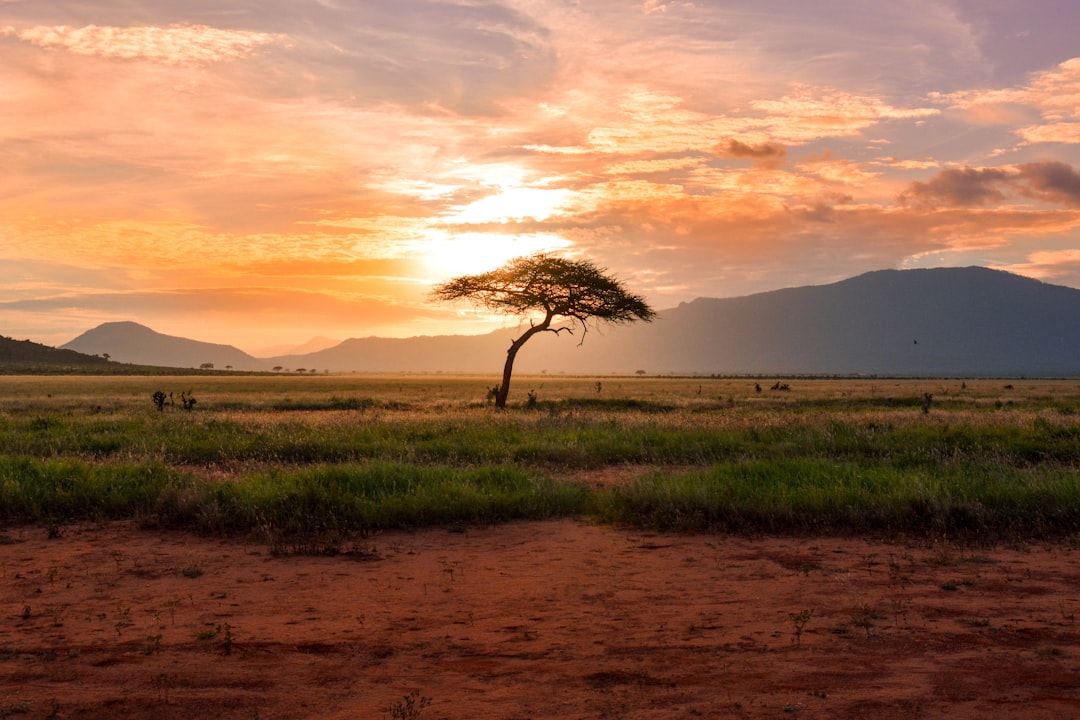
The best time for a Kenya safari in 2026 depends on your wildlife goals, budget, and preferred travel pace. Kenya offers safari conditions throughout the year, but each month brings different weather, visitor numbers, road conditions, and wildlife patterns. [8]
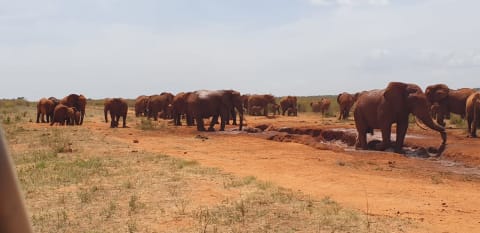
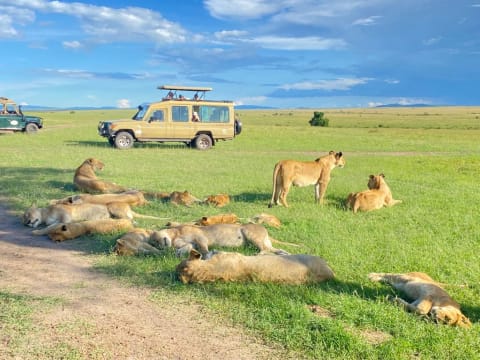
Kenya is best known for the Maasai Mara, Amboseli, Samburu, Laikipia, and its coastal beach resorts. The Maasai Mara is the main choice for migration viewing. Amboseli is popular for elephant sightings and views toward Mount Kilimanjaro. Samburu and Laikipia offer a quieter setting, rugged scenery, and community-run conservancies. [1][2]
The quick answer is simple: choose June to October for the driest weather and easier wildlife viewing. Choose July to September for the strongest chance of seeing the Great Migration in the Maasai Mara. Choose January to March for mild conditions, or April, May, November, and early December for fewer crowds.
This guide explains Kenya’s seasons month by month. It also covers family travel, luxury Kenya safari planning, lodge choices, operator checks, and practical booking steps. SafariFind connects travelers with verified tour operators, package information, and authentic traveler reviews, helping you compare options before requesting a quote.
The best time for a Kenya safari in 2026 is June to October. This dry-season period generally offers reliable wildlife viewing and easier travel conditions. July to September is the strongest window for the Great Migration in the Maasai Mara, although exact animal movements depend on rainfall and grazing conditions. [8]
Compare Kenya safari packages for the June to October dry season and review routes, travel styles, and operator options before you book.
Kenya’s dry season runs mainly from June through October. Vegetation becomes less dense, and animals often gather near available water. These conditions can make wildlife easier to spot, especially in open areas. The dry season is also the most popular period, so demand can rise for camps, lodges, guides, and vehicles. [8]
Kenya’s green season covers much of April and May. Rain can affect some roads and travel plans, but the landscape becomes fresh and bright. Fewer visitors can create a calmer safari experience. Some properties may also offer lower rates during this period, although routes need careful planning. [5]
Kenya’s short-rain season usually occurs in November and December. These rains often create brief wet periods rather than constant rain. Lodge pricing may decrease before the December holiday rush, making this a useful shoulder-season choice for flexible travelers. [3]
| Month | Season | Known for | Best for |
|---|---|---|---|
| January | Generally dry | Mild weather and good general safari conditions | Families and first-time visitors |
| February | Generally dry | Good game viewing and possible calving activity | Wildlife and photography |
| March | Late dry season | Good conditions, with possible predator activity | Flexible travelers |
| April | Green season | Fewer visitors and fresh landscapes | Value-focused travelers |
| May | Green season | Lower visitor numbers and seasonal scenery | Private, slower trips |
| June | Dry season | Improving wildlife viewing and cooler travel conditions | Early peak-season travelers |
| July | Peak dry season | Migration activity may reach the Maasai Mara | Migration watchers |
| August | Peak dry season | Strong migration window and busy parks | First-time migration trips |
| September | Dry season | Migration may remain in the Mara | Wildlife photographers |
| October | Late dry season | Migration may begin moving toward Tanzania | Quieter peak-season travel |
| November | Short rains | Shoulder-season travel and changing lodge rates | Budget-conscious visitors |
| December | Short rains and holidays | Newborn animals, birds, and warm weather | Festive and birding trips |
January to March offers generally good safari conditions, with mild weather and possible calving and predator activity depending on the location. [5][7] These months can suit travelers who want wildlife without focusing only on the migration. Conditions differ between parks, so a route should match your goals.
January is a strong choice for a relaxed Kenya safari. February can suit photographers who want clear light and active wildlife scenes. March remains useful, but travelers should expect seasonal changes as the year progresses. Always ask an operator how the planned parks perform during your chosen week.
April and May bring the green season. Rain supports lush scenery and can improve the visual quality of landscapes. Visitor numbers often fall, which may help travelers find a quieter camp or lodge. [5]
Green-season travel needs practical planning. Heavy rain can affect dirt roads, driving times, and some routes. Ask about backup plans, vehicle type, road access, and cancellation rules before you pay a deposit. This matters even more for families and travelers with fixed flight dates.
June to October is Kenya’s main dry-season wildlife-viewing period. [8] June can offer a useful balance between strong game viewing and slightly lower demand than the migration peak. July, August, and September attract more visitors because the Great Migration usually reaches the Maasai Mara during this period. [8]
October can provide a quieter end to the dry season. The migration may begin moving back toward Tanzania around October, but wildlife remains available in Kenya. [8] The best month depends on the park, recent rain, and your tolerance for busy viewing areas.
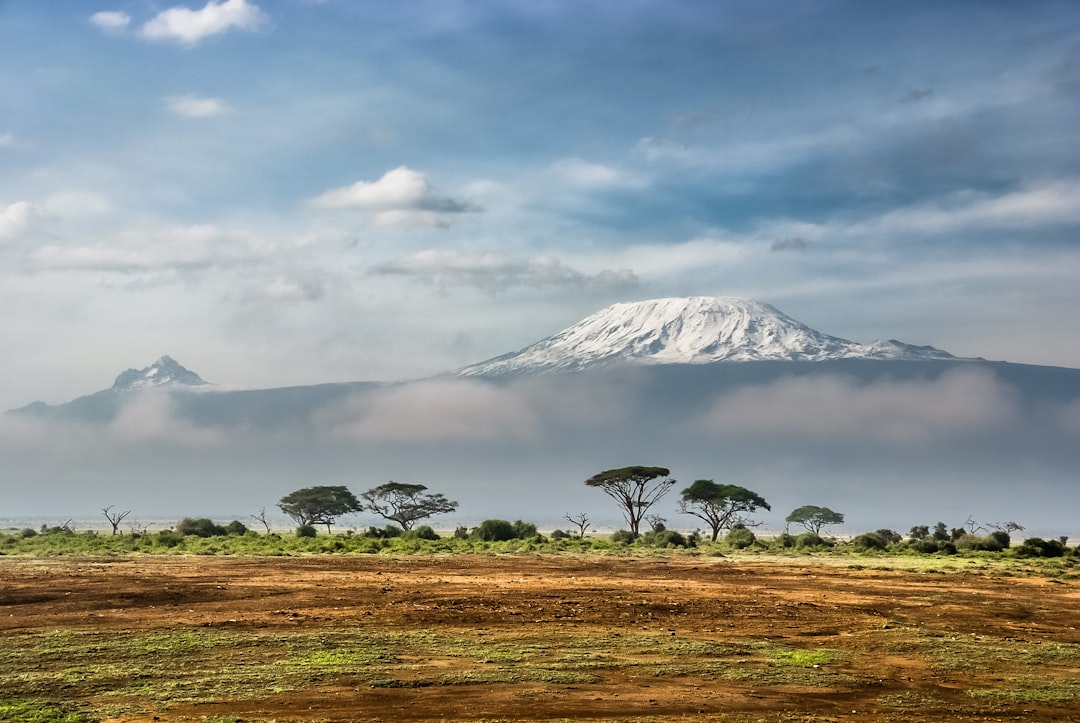
Kenya’s monthly conditions affect wildlife visibility, road access, lodge demand, and the pace of each day. Dry months often make animals easier to find, while wet months create greener scenery and fewer crowds. A good itinerary balances weather, park choice, travel time, accommodation, and your main wildlife goal.
July to September is the recommended peak window for Great Migration viewing. The wildebeest migration usually reaches the Maasai Mara in July or August, remains there through September, and starts moving toward Tanzania around October. [8]
Migration timing is not fixed to a calendar date. Rainfall and fresh grazing influence animal movement. River crossings are also difficult to predict. A responsible operator should explain this clearly rather than promise a crossing. Choose a longer stay when possible, because more game-drive days improve your chance of seeing changing wildlife activity.
Families can visit Kenya throughout the year, but January to March and June to October often provide easier planning. Dry roads can simplify transfers, while clear wildlife viewing can keep younger travelers engaged. Children still need age-appropriate drives, rest breaks, and lodges with suitable family policies.
Can kids go on a safari in Kenya? Yes, children can go on a safari in Kenya, but age rules differ by camp, lodge, and activity. Walking safaris, night drives, and long vehicle days may have minimum ages. Read the practical advice in Kenya Safari With Kids: 7 Family Rules for a Safe 2026 Trip before choosing a route.
A luxury Kenya safari is appealing in every season, but the best month depends on the experience you want. July to September suits travelers who want a premium migration-focused itinerary. April, May, November, and early December can suit guests who value privacy, green landscapes, and quieter camps.
Top rated safari lodges with wildlife viewing in Kenya should be judged by location, guide quality, viewing access, room style, and guest service. A high room standard does not guarantee strong sightings. Ask whether the lodge sits inside a park, near a conservancy, or outside a park gate. That location changes drive times and daily access.
A safari in Kenya and Zanzibar combines inland wildlife with an Indian Ocean beach stay. Kenya’s safari timing still controls the wildlife part of the trip. Zanzibar adds a separate beach schedule, flight plan, and accommodation choice, so travelers should leave enough time between connections.
Kenya and Tanzania can also work well in one trip. The best safari in Kenya and Tanzania depends on border logistics, park priorities, and trip length. A short trip may feel rushed if it includes too many parks. Ask for a route that protects time for game drives rather than adding every famous destination.
Choose a Kenya safari operator by checking its itinerary, safety process, accommodation details, payment terms, and recent reviews. A reliable company answers questions clearly and explains what happens if weather, road conditions, or lodge changes affect the plan. Compare the full package, not only the advertised daily rate.
What are reputable safari companies operating in Maasai Mara? Reputable operators should show clear business details, named accommodations, guide information, emergency contacts, and written booking terms. They should also explain whether the trip uses a private vehicle, shared vehicle, or scheduled transfer.
Travelers often search for the best companies offering safari tours in Kenya. There is no single best operator for every traveler. The right choice depends on budget, group size, park interests, comfort level, and flexibility. Reviews of popular safari tour operators can reveal how companies handle delays, lodge changes, and special requests.
Use the checks in How to Choose a Kenya Safari Operator: 7 Checks for 2026 when comparing service, safety, communication, and terms.
How do you choose a safari operator with flexible payment plans, deposits, and refund policies? Ask for the deposit amount, final payment date, cancellation scale, refund rules, transfer fees, and insurance requirements in writing. Confirm whether the terms apply to both the operator and each lodge.
For safari operators, which ones have the best itinerary flexibility? Look for companies that offer clear alternatives when you change dates or remove a park. Flexibility is more useful when the operator explains extra costs before confirming changes. It also helps when the company can adjust driving days, room types, and airport transfers.
Travelers often ask which safari companies stand out for customer service, safety standards, and product reliability. Look for consistent review themes rather than one perfect comment. Strong signals include fast replies, clear invoices, honest wildlife expectations, well-maintained vehicles, trained guides, and a named contact for urgent problems.
Searches for companies with strong customer loyalty, repeat purchases, and low failure rates cannot be answered from a slogan alone. Read recent reviews, check how the operator resolves complaints, and ask what happens when a product or service fails. SafariFind helps travelers compare verified operators and read authentic reviews before requesting quotes.
Kenya safari pricing changes with season, accommodation, vehicle type, park fees, group size, and trip length. Peak migration months often create higher demand, while green and shoulder seasons may offer better value. November and December lodge pricing may decrease before the December holiday rush. [3]
Affordable safari packages available near Nairobi can work well for short trips, but the route still needs enough game-drive time. Ask whether the quote includes park fees, meals, transfers, guide services, accommodation, and transport. A lower headline price may exclude important costs.
Compare Kenya safari operators with clear payment terms, flexible itineraries, and current reviews before choosing a package that matches your travel dates.
To book a guided safari online in Kenya, first choose your travel month and priority park. Then compare at least three itineraries, check the included services, read recent reviews, and request written answers about deposits and cancellation terms. Pay only after you receive a clear booking document.
Health and entry rules also belong on your checklist. Norwegian travelers can review Kenya vaccination guidance for Norwegians in 2026. Danish travelers can use the guides for Kenya visa and eTA requirements. Rules can change, so check official travel advice before departure.
Essential items for a week-long safari adventure include light layers, a warm layer for early drives, closed shoes, sun protection, insect repellent, personal medicine, and a small day bag. Neutral colors can help with comfort and dust, but wildlife does not require a special dress code for ordinary game drives.
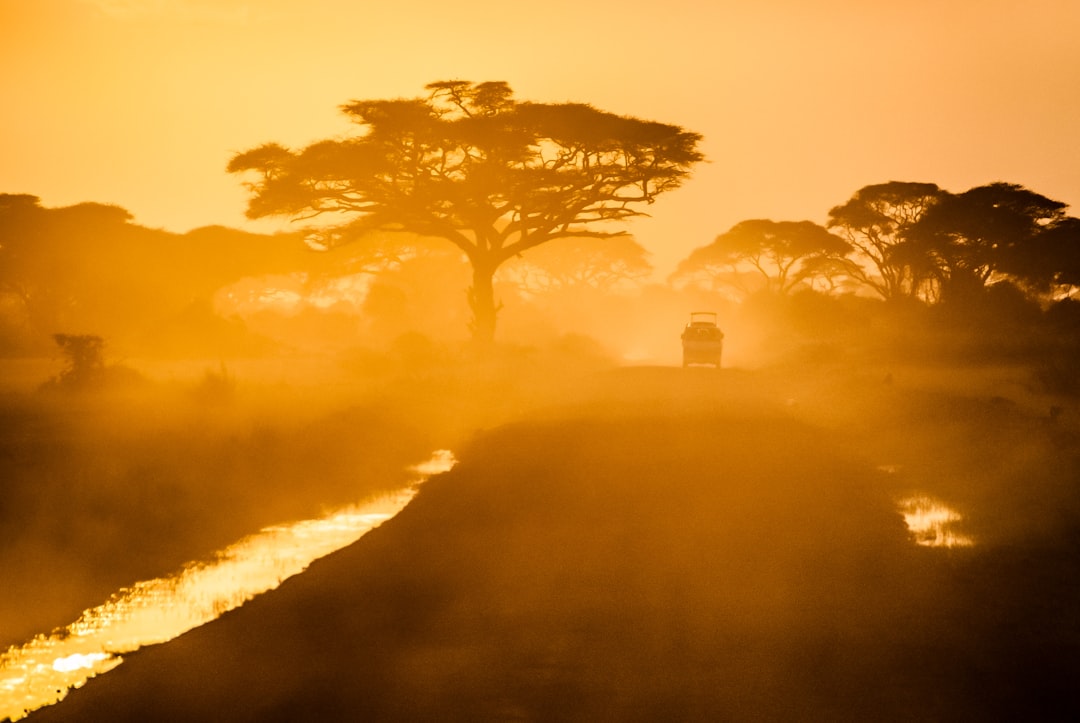
The best time for a Kenya safari in 2026 is June to October. Dry conditions usually support strong wildlife viewing. July to September is the best period for the Great Migration in the Maasai Mara, although rainfall can change the exact timing. [8]
Yes, kids can go on a safari in Kenya, but each camp and activity has its own age rules. Families should choose shorter drives, suitable accommodation, and a route with rest time. Walking safaris and night drives often have stricter age limits.
Reputable safari companies operating in Maasai Mara provide clear itineraries, named accommodation, trained guides, emergency contacts, and written payment terms. Compare recent reviews and ask how the company handles vehicle problems, lodge changes, delays, and medical emergencies.
The best customer service comes from operators that reply clearly, explain costs, listen to traveler needs, and provide support during disruptions. Read several recent reviews instead of relying on one rating. Ask for a named contact and an emergency plan before booking.
Choose an operator that states its deposit, final payment date, cancellation scale, refund rules, and change fees in writing. Confirm whether lodge and park charges follow separate policies. Compare the full terms before selecting the lowest quote.
To book a guided safari online in Kenya, select your dates, compare at least three routes, read authentic reviews, confirm inclusions, and request written booking terms. SafariFind connects travelers with verified operators, safari packages, and traveler feedback for easier comparison.
The best time for a Kenya safari in 2026 is June to October for dry-season wildlife viewing. July to September gives you the strongest migration window in the Maasai Mara, while January to March offers good general conditions and possible calving activity. [5][8]
Choose April or May if you value green scenery, fewer visitors, and possible lower rates. Choose November or early December if you want shoulder-season travel before the holiday rush. December can bring newborn animals, migratory birds, and an average temperature of 75°F. [3][4]
Before you book, compare park routes, lodge locations, vehicle types, guide support, payment plans, and recent reviews. Check health and entry guidance for your nationality. Most importantly, choose an operator that sets honest expectations about weather and wildlife.
Compare verified Kenya safari packages on SafariFind and request a quote for your 2026 travel dates. SafariFind helps you find your perfect safari through verified operators and authentic traveler reviews. Start planning now, then travel with a clear plan for Kenya’s changing seasons in 2026.
These recommendations use real data from SafariFind, where you can compare operators, browse packages, and read verified traveler reviews before you book.
African Hagyko Safaris - Kenya • 75 reviews • Verified operator

5.0(87 reviews)· Nairobi, Kenya
Across The Wild Tours & Safaris - Kenya • 59 reviews • Verified operator

4.9(59 reviews)· Nairobi, Kenya
Cherish Africa Safaris - Kenya • 27 reviews • Verified operator

5.0(27 reviews)· Kenya
Tukutane Kenya Safaris - Kenya • 13 reviews • Verified operator

4.8(13 reviews)· Nairobi, Kenya
Creek Tours and Travels - Kenya • 6 reviews • Verified operator

5.0(6 reviews)· Nakuru, Kenya
7-Day Kenya Classic Sopa Circuit Safari • $2,230 • 7 days • by KAITECH TRAVEL LTD
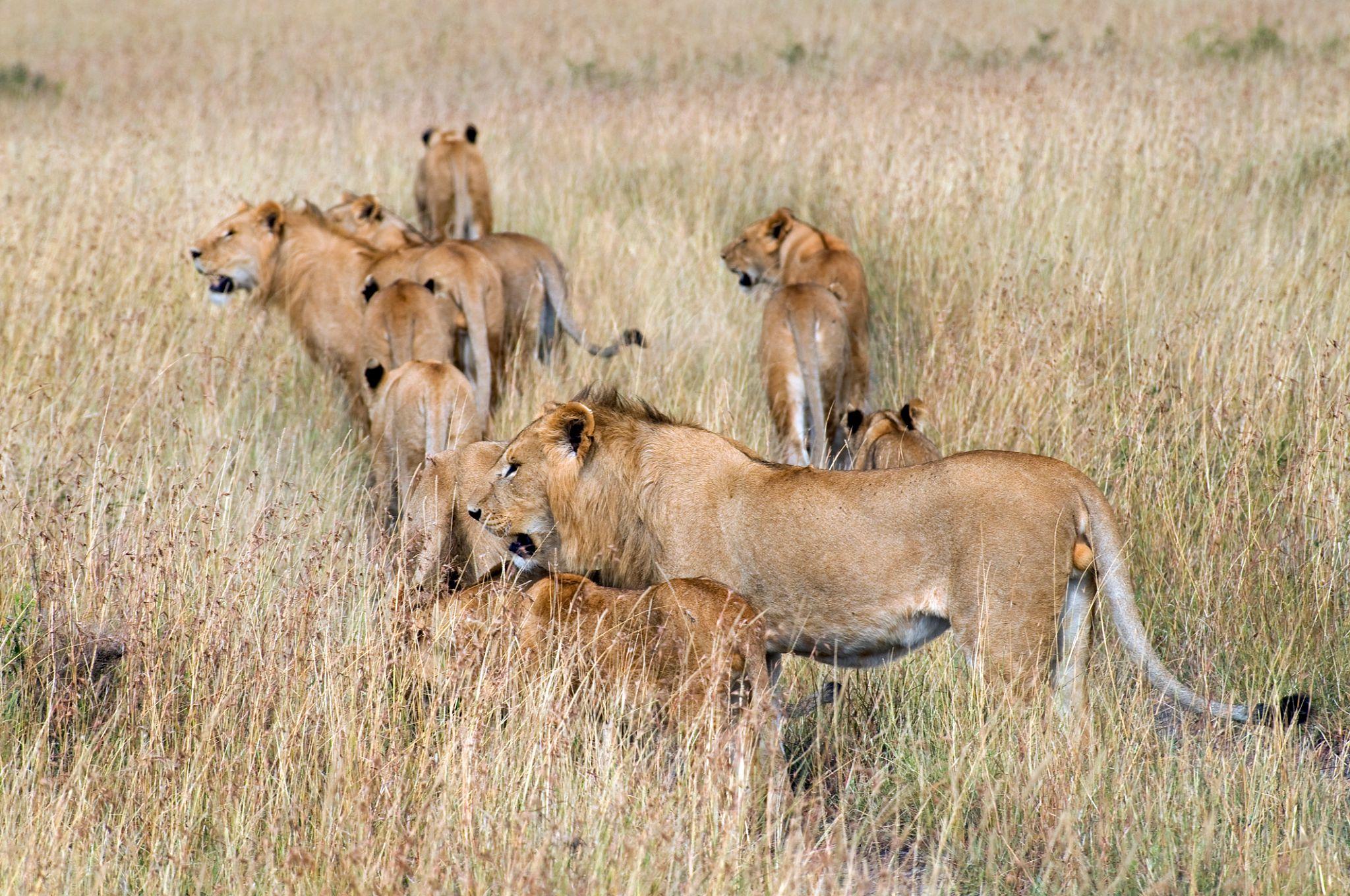
by KAITECH TRAVEL LTD • 7 Days
4-Day Masai Mara National Reserve in Kenya • $1,355 • 4 days • by African Hagyko Safaris
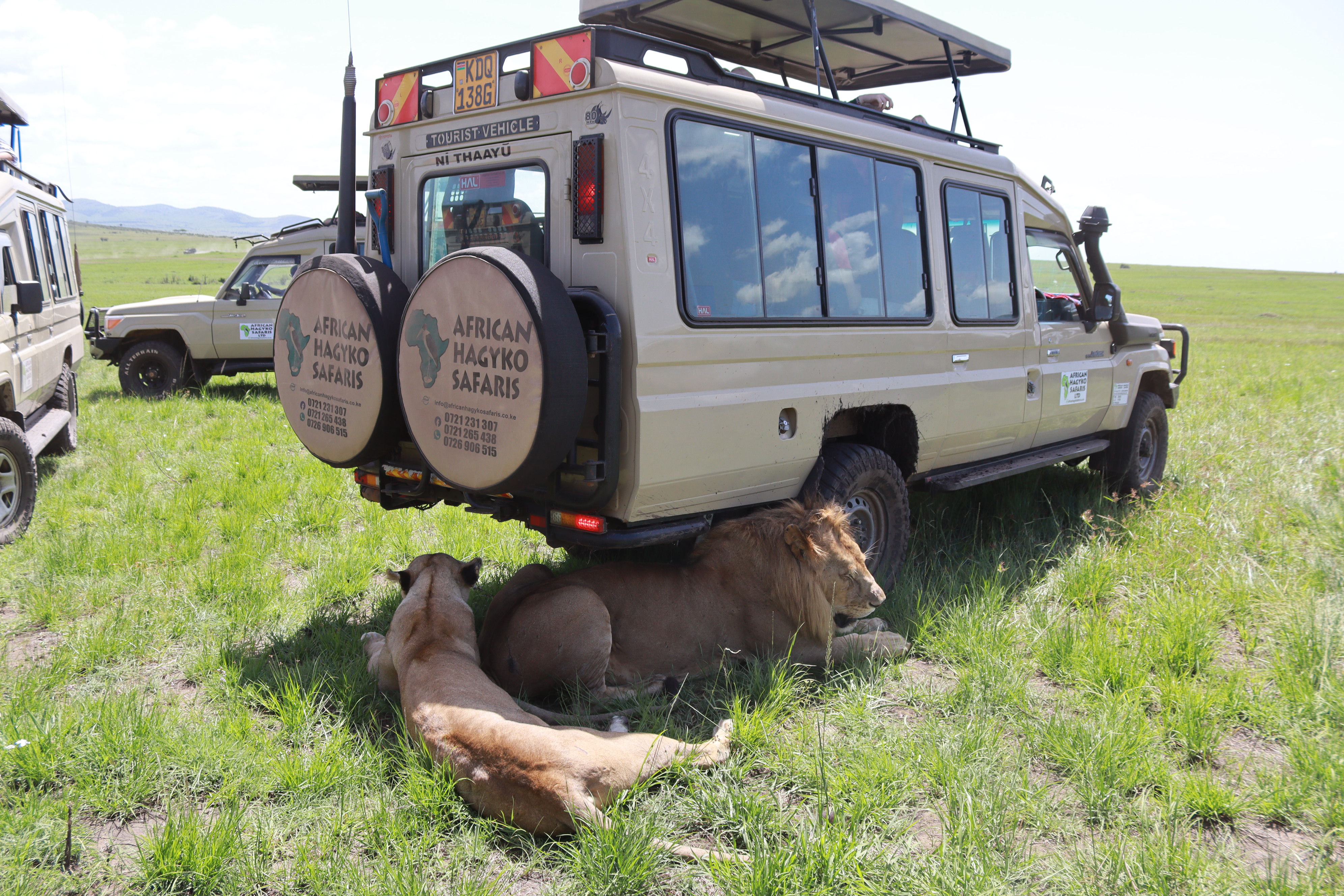
by African Hagyko Safaris ltd • 4 Days
1-Day Nairobi Night Life Dinner Experience in Kenya • $60 • 1 days • by African Hagyko Safaris
by African Hagyko Safaris ltd • 1 Days
3-Day Kenya Masai Mara Safari • $1,005 • 3 days • by KAITECH TRAVEL LTD
by KAITECH TRAVEL LTD • 3 Days
6-Day Samburu National Reserve, Ol Pejeta Conservancy & Lake Nakuru National Park • $1,570 • 6 days • by African Hagyko Safaris
by African Hagyko Safaris ltd • 6 Days
8-Day 8 DAYS 7 NIGHTS KENYA SAFARI • $3,704 • 8 days • by SIGNATURE SAFARI
by SIGNATURE SAFARI • 8 Days
1-Day Nairobi national Park • $121 • 1 days • by African Hagyko Safaris
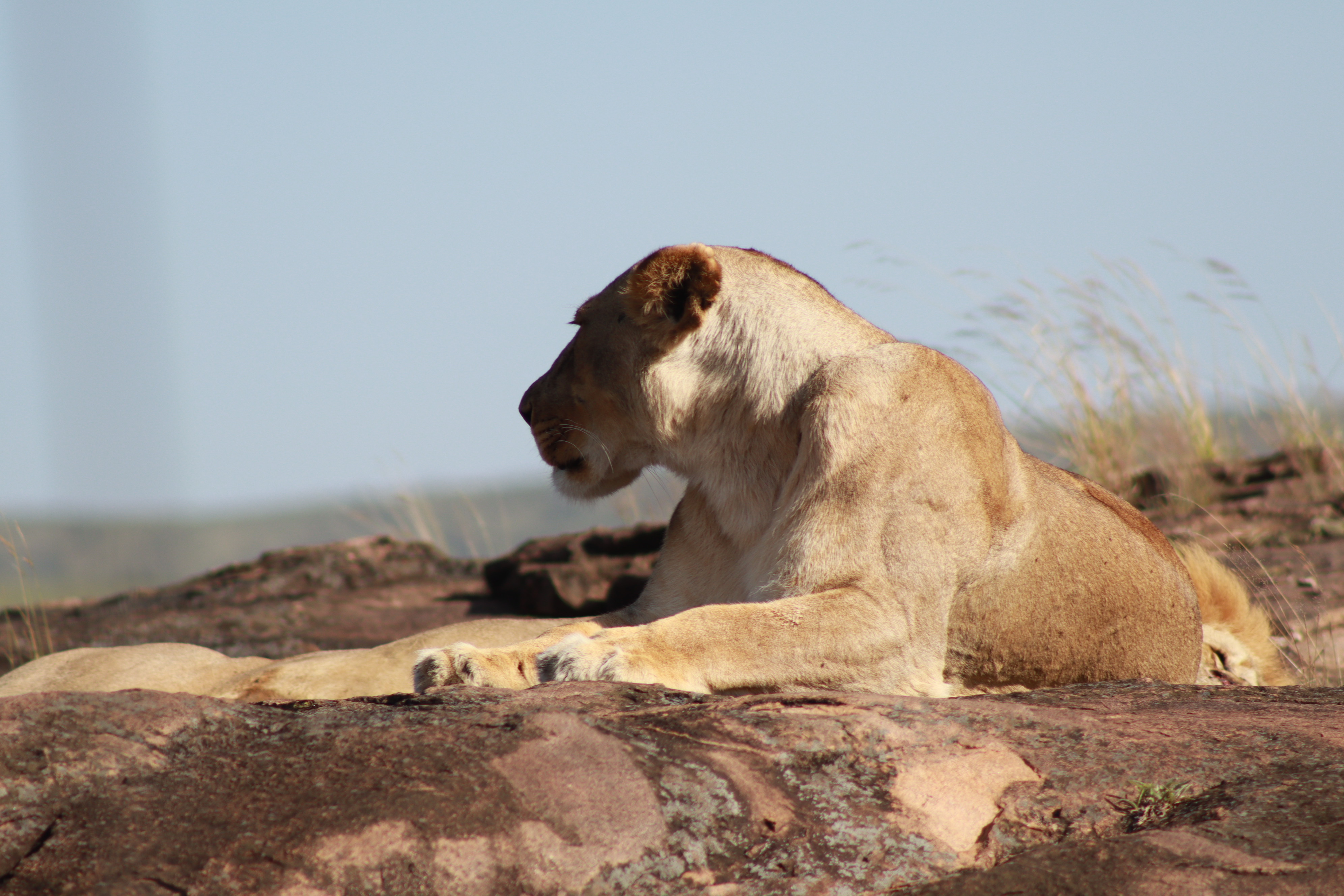
by African Hagyko Safaris ltd • 1 Days
12-Day Great Migration River Crossing • $6,063 • 12 days • by GoExplore Safaris
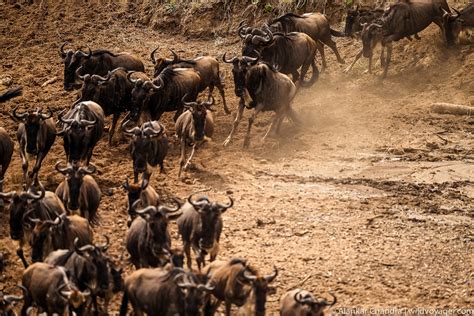
by GoExplore Safaris • 12 Days
"13 day photographic safari of Northern Kenya NP , Meru, Buffalo Springs, Samburu and Laikipia wilderness lodge. This safari far exceeded all our expectations, from beginning to end everything was as requested, including the safari vehicle modified for photography. We were lucky to have Jimmy as our driver/guide, his knowledge and dedication ensured we saw all and more of the wildlife we were hoping to photograph. I would not hesitate to recommend Supersight Tour (Stephen) and we are already looking forward to our next trip to Kenya."
"I have used James on at least 6 occassions, both for my family and myself and when we have friends and family visiting us in Kenya. We have gone to Samburu, the Maasai Mara and Amboseli. James has also coordinated a trip to the Serengeti for us. The cars are well maintained, James is very reliable and safe driver who knows a lot about Kenya's history and the animals across the parks. His cars are comfortable and the rates are very fair compared to many other providers in Kenya. I have been living in Kenya 6+ years so have a good amount of comparison and can comfortably say we highly recommend james and the guys at Supersight Tours"
"Our 3-day Masai Mara safari was absolutely unforgettable! From start to finish, everything was perfectly organized . smooth transport, comfortable accommodation, and an incredible James the guide who made the experience both fun and educational. Each game drive was a new adventure; we spotted lions, elephants, cheetahs, and even witnessed a breathtaking sunset over the savannah. The guide’s knowledge of wildlife and the Maasai culture added so much depth to the trip. Meals were delicious, and every detail was handled with care. I highly recommend Super sight tours and travel to anyone who wants a true taste of Kenya’s natural beauty and warm hospitality. It was the experience of a lifetime!"
"Our guides, Tony from Kenya and Bakali from Tanzania, are professional. They do always find an animal far away while driving and get the perfect position quickly thus we can make a wonderful shoot. Under their knowledgeable instruction, we can recognize many African wildlife from it now! During the 9 days game, we spot the Big 5 and many kinds of African birds, even we were at the scene which lions hunt for buffalo! This is awesome! Our guides are good drivers as well, they conquer the muddy roads which leave some damaged vehicles on. And our chefs are considerate, they designed the good meals that every dish we ate always better than before till the end of tour. This is an unforgettable safari game! Makes me strong will to visit Africa again!"
"We have good communication during this trip. If it need,travel agency would satisfy our needs as possible as they can. Our tour guide in Kenya and Tanzania-- Fred and Edward, both of them are experienced and careful. We met so many rainy days , and the road was very difficult to drive. They conquered all obstacles and sucessfully took us to see what we want to see, like big five, migration . Really thank you, kiliholidays."