 Ask Tembo
African Elephant Conservation in Tanzania 2026: Status & Efforts
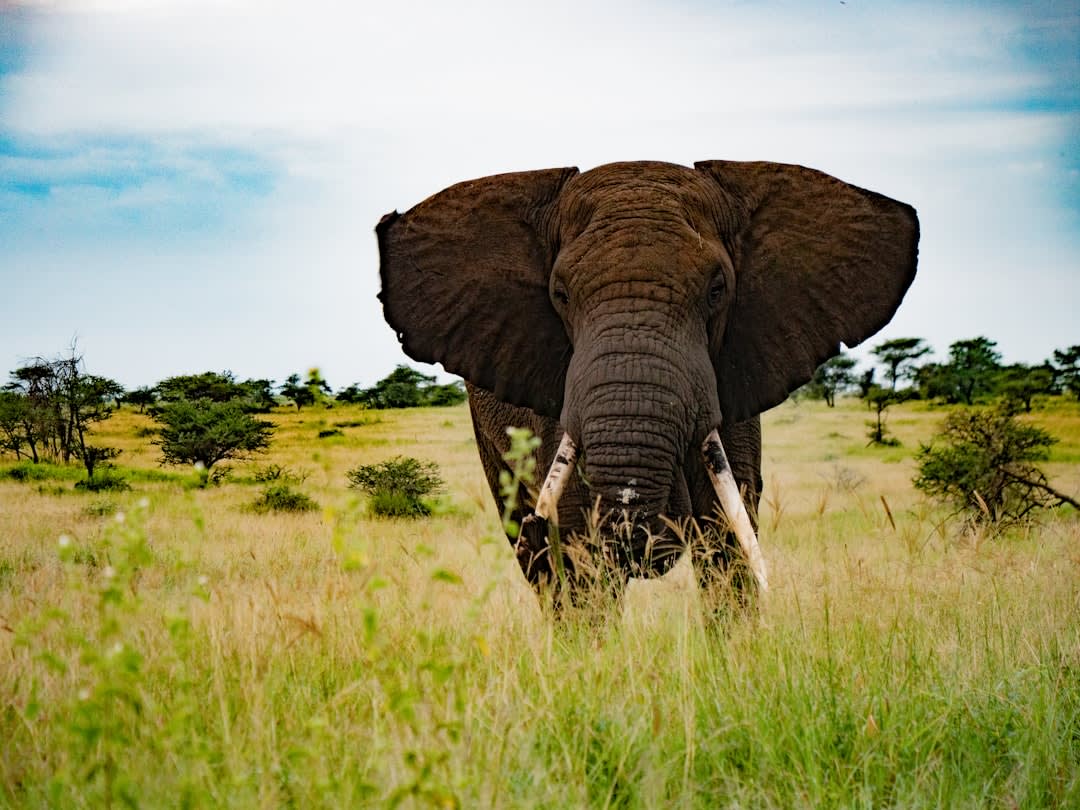
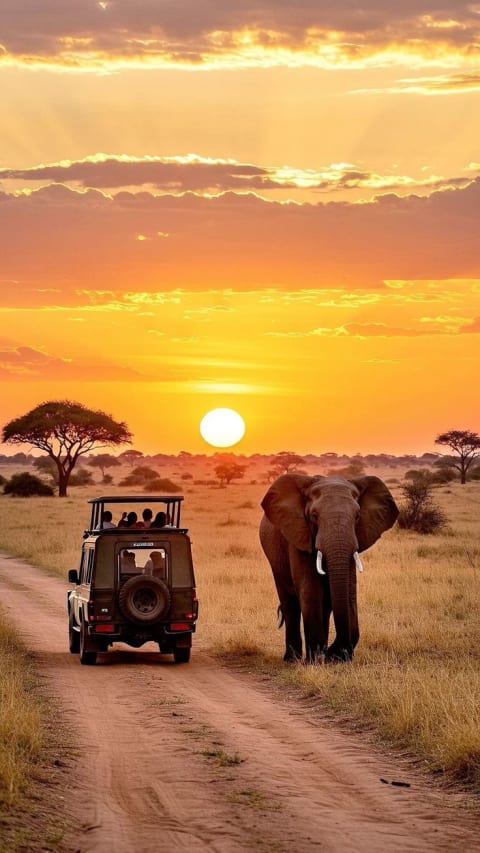
Tanzania's elephant population has recovered to approximately 60,000 after catastrophic poaching losses, thanks to strengthened anti-poaching measures and cross-border conservation partnerships. Ongoing threats from habitat fragmentation and human-wildlife conflict remain critical challenges.
Quick Answer: Tanzania's Elephant Status in 2026
Tanzania harbours one of Africa's largest remaining elephant populations—second only to Botswana—at an estimated 60,000 individuals as of 2021 [1]. After losing 60% of its elephants between 2009 and 2014 due to a severe poaching crisis driven by Asian ivory demand, Tanzania has achieved a remarkable turnaround through intensified anti-poaching enforcement, improved legal frameworks, and community-based ranger programmes [2][3]. However, habitat fragmentation, human-elephant conflict, and climate variability remain serious long-term threats requiring sustained investment and regional cooperation [1][4].
Why Tanzania's Elephants Matter
Tanzania's elephant populations represent a conservation success story of continental significance. Historically, in 1976, the country supported an estimated 316,000 elephants—a vast meta-population that ranged across interconnected ecosystems from the Selous-Mikumi in the south to the Serengeti in the north [4]. Today, despite decades of decline, Tanzania still holds one of the world's most important elephant strongholds, with implications for regional ecosystem function, carbon storage in woodlands, and the livelihoods of millions of people who depend on wildlife-based tourism and subsistence use.
The African savanna elephant (Loxodonta africana) is classified as Endangered on the IUCN Red List, while the forest elephant is Critically Endangered [5]. Tanzania's savanna elephant populations are therefore critical to the species' survival and recovery prospects across East and Southern Africa.
The Poaching Crisis: What Happened
Tanzania experienced two catastrophic poaching waves separated by a period of recovery. The first, in the 1970s and 1980s, reduced the population from over 300,000 to just 55,000 by 1989 [6]. The 1989 international commercial ivory trade ban under CITES provided respite, and herds rebounded to 142,788 by 2006 [6]. However, renewed demand for ivory in Asia—particularly China and Southeast Asia—triggered a second, more devastating crisis beginning in 2009.
Between 2009 and 2014, Tanzania lost approximately 60% of its elephants, dropping from an estimated 109,051 to just 43,330 individuals [2][6]. The Selous-Mikumi ecosystem, Tanzania's largest elephant stronghold, experienced the most severe collapse: its population fell from 70,000 in 2006 to 40,000 by 2009, and catastrophically to just 13,084 by 2013—a 66% loss in seven years [2]. The Ruaha-Rungwa ecosystem declined from 30,000 to 8,000, and Malagarasi-Moyowosi-Kigosi from 15,000 to 3,000 between 2009 and 2014 [2]. In 2013 alone, Tanzania lost approximately 10,000 elephants—more than 30 per day [6].
This loss represented not only ecological devastation but also an estimated $40 billion in economic value and foregone tourism revenue [6]. The poaching was organised, driven by criminal networks with links to Asian syndicates, and often involved corruption of local officials and armed poachers [6].
Recovery: 2014–2026
Since 2015, Tanzania's elephant conservation trajectory has reversed. The population increased from 43,330 in 2014 to approximately 60,000 by 2021—a recovery of roughly 17,000 individuals in seven years [3]. This turnaround reflects several convergent policy and operational shifts:
- Strengthened anti-poaching enforcement: Tanzania scaled up ranger patrols, improved inter-agency coordination, and enhanced the efficacy and punitive capacity of wildlife law enforcement [3]. The Wildlife Conservation Society (WCS), operating across key ecosystems including Ruaha National Park, works closely with ranger forces to maintain low poaching levels through close monitoring and rapid response [4].
- Legal and policy reform: Tanzania's government increased penalties for ivory trafficking and improved prosecution of wildlife crime, signalling political commitment to elephant protection [3].
- Community-based ranger programmes: Organisations such as Big Life Foundation have employed local community rangers across the Greater Amboseli Ecosystem (which spans Tanzania and Kenya), combining anti-poaching patrols with human-elephant conflict mitigation, livestock compensation, and education—creating incentives for communities to support conservation [4].
- Cross-border cooperation: Tanzania and Kenya have begun collaborative efforts to protect transboundary elephant populations and corridors, recognising that elephants do not respect political boundaries [3].
Key Protected Areas and Ecosystems
Tanzania's protected area network covers approximately 24% of the country's total land area and is fundamental to elephant survival [7]. Major elephant strongholds include:
- Selous Game Reserve: Historically the largest elephant population; now recovering after the 2009–2014 crisis. The reserve covers 50,000 km² and remains critical habitat despite ongoing threats.
- Ruaha National Park and Ruaha-Rungwa ecosystem: One of Tanzania's largest protected areas, managed with support from WCS, housing one of the country's second-largest elephant populations [4].
- Serengeti National Park and the Mara-Serengeti ecosystem: A transboundary ecosystem shared with Kenya, supporting a significant migratory elephant population alongside the famous wildebeest migration.
- Ngorongoro Conservation Area: A UNESCO World Heritage Site where elephants coexist with Maasai pastoralists, though land-use tensions and relocation pressures on indigenous communities present ongoing management challenges [8].
- Katavi National Park: A remote, well-protected wilderness supporting viable elephant populations.
These protected areas are embedded within a broader landscape that includes game reserves, game controlled areas, and forest reserves, creating a mosaic of habitats where elephants range across 37% of Tanzania's surface area [7].
Current Threats: Habitat Loss, Conflict, and Climate
While poaching has declined to low levels in many areas, new and persistent threats now dominate conservation discussions:
Habitat Fragmentation and Corridor Loss
Historically, Tanzania's elephant populations formed a meta-population with substantial dispersal between areas such as the Selous and northern Mozambique, and between Ruaha-Katavi and northern parks [4]. Today, human population growth, agricultural expansion, and infrastructure development (roads, fences, settlements) have fragmented these corridors. Artificial barriers—including fences, roads, and artificial water points—alter natural movement patterns and limit access to seasonal resources [9]. Maintaining and restoring connectivity between protected areas is now a national priority [4].
Human-Elephant Conflict (HEC)
As human and elephant populations grow and habitats shrink, conflict intensifies. Elephants raiding crops destroy livelihoods; in retaliation, communities may poison or kill elephants. HEC is a growing long-term threat requiring mitigation strategies including livestock compensation schemes, community conservancies, and buffer-zone management [4]. Community-based rangers employed by organisations like Big Life provide early warning and intervention in hotspot areas [4].
Climate Variability
Drought conditions threaten elephant survival, particularly in marginal habitats. Recent droughts in East Africa have exacerbated resource scarcity and increased human-wildlife competition [3].
Conservation Programmes and Organisations
Wildlife Conservation Society (WCS)
WCS operates across multiple Tanzanian ecosystems, including Ruaha National Park. The organisation conducts roadside elephant population surveys four times annually (twice in wet season, twice in dry season) and aerial surveys when possible, combining these with satellite-tagged vulture data to establish accurate population estimates and identify mortality causes [4]. WCS works directly with ranger forces to monitor poaching trends and provide support when illegal killing is detected [4].
Big Life Foundation
Big Life implements a holistic, community-centric conservation model across the Greater Amboseli Ecosystem in both Kenya and Tanzania. The foundation employs community rangers for anti-poaching patrols, maintains community information networks for reporting illegal activity, and provides human-elephant conflict mitigation, livestock compensation, education scholarships, healthcare, and conservation land leases [4]. This approach embodies the philosophy that conservation must support communities if communities are to support conservation [4].
Tanzania Wildlife Research Institute (TAWIRI)
TAWIRI, based in Arusha, coordinated the Elephant Management Planning Project (TEMP) from 2009–2010, producing comprehensive data on population status, demographics, threats, corridor functionality, and human-elephant conflict levels [7]. TAWIRI continues to provide scientific oversight for elephant monitoring and management decisions.
CITES MIKE Programme
The Convention on International Trade in Endangered Species (CITES) Monitoring the Illegal Killing of Elephants (MIKE) Programme operates across African elephant range states, including Tanzania, to collect standardised data on poaching trends and build ranger capacity. Since 2022, with support from the European Union, the MIKES+ project has trained over 100 wildlife conservation officials across Southern Africa in data collection techniques and documentation processes [5]. This data-driven approach ensures evidence-based conservation decisions.
African Elephant Conservation Fund (AECF)
The U.S. Fish and Wildlife Service administers the African Elephant Conservation Fund, which provides grants to projects across the continent's 37 elephant range states. Tanzania has benefited from multiple AECF grants supporting anti-poaching equipment (vehicles, radios, field gear), ranger morale and meritorious service awards, and community-based conservation initiatives [4][10].
The Role of Safari Tourism in Funding Conservation
Tanzania's wildlife-based tourism generates significant revenue that directly funds elephant protection. National parks and game reserves charge entry fees, a portion of which is reinvested in ranger salaries, equipment, and anti-poaching operations. Safari packages and lodge operations also create employment for local communities—guides, rangers, hospitality staff—providing economic incentives for wildlife protection. When travellers book responsible safari operators in Tanzania, they directly support conservation. On SafariFind, you can identify and book with operators demonstrating transparent commitment to elephant protection and community benefit-sharing.
Ecotourism also raises international awareness of elephant conservation challenges, attracting donor funding and political support. The visibility of Tanzania's iconic wildlife—and the threats it faces—has driven both government and private-sector investment in protection.
Honest Assessment: Progress and Persistent Challenges
What Has Worked
Tanzania's recovery from 43,330 elephants in 2014 to 60,000 by 2021 demonstrates that poaching can be reversed through sustained effort [1][3]. Key success factors include:
A question about Tanzania? Ask Tembo
- Political will and increased law enforcement budgets.
- Employment of local community rangers, which builds buy-in and provides livelihoods.
- International donor support and technical assistance (WCS, Big Life, CITES MIKE, AECF).
- Improved prosecution of wildlife crime and higher penalties for ivory trafficking.
- Transboundary cooperation mechanisms, particularly with Kenya.
What Remains Uncertain
Despite recovery, several challenges persist:
- Poaching risk: While rates have dropped to low levels, Asian demand for ivory remains a latent threat. Vigilance and sustained ranger funding are non-negotiable [4].
- Habitat viability: The recovery of 60,000 elephants is encouraging, but this population is confined to fragmented protected areas covering only 24% of the country. Long-term viability depends on restoring corridors and managing human-elephant coexistence across buffer zones and dispersal areas [4][7].
- Climate resilience: Drought and climate variability pose emerging threats. Elephant populations in marginal habitats are vulnerable to resource scarcity [3].
- Funding sustainability: Ranger salaries, anti-poaching equipment, and community-based programmes depend on sustained domestic and international funding. Economic shocks or shifts in donor priorities could undermine progress [10].
- Land-use conflicts: Pressure for agricultural expansion, pastoral land use, and human settlement in and around protected areas will intensify as Tanzania's human population grows. Managing these conflicts equitably, especially with indigenous communities like the Maasai in the Ngorongoro Conservation Area, requires nuanced policy and genuine community participation [8].
Regional Context and International Status
Tanzania's elephant recovery must be understood within the continental context. The African savanna elephant is now classified as Endangered on the IUCN Red List, reflecting overall population decline across the continent [5]. However, the IUCN assessment also emphasises that at site level, some subpopulations—including those in well-managed areas of Tanzania—are stable or growing [5]. The Kavango-Zambezi Transfrontier Conservation Area, which spans southern Africa, harbours the largest subpopulation of savanna elephants on the continent and has shown stable or growing numbers for decades, demonstrating that large-scale, transboundary conservation can work [5].
East Africa as a whole is estimated to have 86,373 elephants as of 2016 [2]. Tanzania's contribution to this total, and its role in regional elephant connectivity, underscores the importance of sustained investment in Tanzanian conservation.
How Travellers Can Support Elephant Conservation
Visitors to Tanzania can contribute meaningfully to elephant protection:
- Choose responsible operators: Before booking, research safari operators in Tanzania that demonstrate transparent commitment to conservation, community employment, and anti-poaching support. SafariFind helps identify and verify such operators.
- Stay in conservation-aligned lodges: Select lodges that reinvest profits in local ranger programmes and community development, rather than extractive operations.
- Respect wildlife viewing guidelines: Maintain safe distances from elephants, avoid disturbing herds with calves, and follow park regulations. Responsible behaviour reduces stress on animals and protects your safety.
- Support community projects: Many lodges and operators offer opportunities to contribute directly to ranger training, wildlife corridors, or human-elephant conflict mitigation. Ask about these options.
- Learn and share: Understand the conservation challenges Tanzania faces and share that knowledge with others. International awareness drives donor funding and political support.
- Advocate for policy: Support international efforts to combat ivory trafficking and strengthen CITES enforcement. Illegal trade remains a latent threat.
Looking Ahead: 2026 and Beyond
Tanzania's elephant conservation at the 2026 milestone stands at a critical juncture. The population has recovered to a level not seen since the early 2010s, a testament to years of hard work by rangers, scientists, and community members. However, this recovery is not permanent without continued investment. Habitat fragmentation, climate variability, and human-wildlife conflict are now the primary drivers of long-term viability. Success in the next decade will depend on:
- Sustained and increased funding for ranger operations and community-based conservation.
- Restoration of elephant corridors and transboundary connectivity.
- Equitable, inclusive land-use planning that respects indigenous rights while protecting wildlife.
- Regional cooperation, particularly with Kenya and Mozambique, to manage migratory populations.
- Climate adaptation strategies to buffer elephants against drought and resource scarcity.
Last reviewed July 2026. Conservation data changes — see the cited sources for the latest figures.
Frequently Asked Questions
What is the current elephant population in Tanzania in 2026?
Tanzania's elephant population is estimated at approximately 60,000 individuals as of 2021, the most recent reliable estimate. This represents a recovery of roughly 17,000 elephants from the 2014 low of 43,330, following intensive anti-poaching efforts and improved legal enforcement. Tanzania harbours the second-largest elephant population on the African continent, after Botswana.
How many elephants did Tanzania lose during the 2009–2014 poaching crisis?
Tanzania lost approximately 60% of its elephants between 2009 and 2014, dropping from an estimated 109,051 to 43,330 individuals. The Selous-Mikumi ecosystem, the country's largest stronghold, collapsed from 70,000 elephants in 2006 to just 13,084 by 2013—a loss of 66% in seven years. In 2013 alone, Tanzania lost approximately 10,000 elephants, or more than 30 per day.
What caused the poaching crisis in Tanzania?
The 2009–2014 poaching crisis was driven by renewed Asian demand for ivory, particularly from China and Southeast Asia. Criminal networks organised large-scale poaching operations, often involving corruption of local officials and armed poachers. The crisis followed a period of recovery (1989–2006) after the international ivory trade ban, demonstrating that demand-side pressure can quickly overwhelm conservation gains if enforcement lapses.
Which organisations are leading elephant conservation in Tanzania?
Key organisations include: Wildlife Conservation Society (WCS), which operates across Ruaha National Park and other ecosystems; Big Life Foundation, which employs community rangers in the Greater Amboseli Ecosystem; Tanzania Wildlife Research Institute (TAWIRI), which provides scientific oversight; the CITES MIKE Programme, which trains rangers in data collection; and the African Elephant Conservation Fund (AECF), which provides grants for anti-poaching and community-based initiatives.
What are the main threats to elephants in Tanzania today?
While poaching has declined to low levels, current threats include: habitat fragmentation and loss of elephant corridors due to human population growth and agricultural expansion; human-elephant conflict as populations compete for resources; and climate variability, particularly drought, which threatens food and water availability. Long-term viability depends on restoring landscape connectivity and managing human-wildlife coexistence.
How do safari tourists help fund elephant conservation in Tanzania?
Safari tourism generates revenue through park entry fees, lodge operations, and guide employment. A portion of entry fees is reinvested in ranger salaries, anti-poaching equipment, and protection operations. By booking with responsible operators that prioritise conservation and community benefit-sharing, travellers directly support elephant protection and create economic incentives for local communities to protect wildlife.
What is the status of the Serengeti elephant population?
The Serengeti, part of the transboundary Mara-Serengeti ecosystem shared with Kenya, supports a significant migratory elephant population. In 2014, aerial surveys of the Mara-Serengeti discovered 192 elephant carcasses with missing tusks (117 in Kenya, 75 in Tanzania), indicating severe poaching at that time. Since 2015, poaching levels have declined significantly due to improved enforcement and cross-border cooperation between Tanzania and Kenya.
Are elephant populations stable or growing in Tanzania?
Tanzania's elephant population is recovering and stable in most protected areas. The increase from 43,330 in 2014 to 60,000 by 2021 demonstrates a positive trend. However, stability varies by ecosystem—some populations are still increasing while others have stabilised. Continued monitoring and anti-poaching investment are essential to maintain this recovery and prevent poaching resurgence.
What role do community rangers play in elephant conservation?
Community rangers are central to Tanzania's conservation success. Organisations like Big Life employ local rangers for anti-poaching patrols, human-elephant conflict mitigation, and community information networks. This approach provides livelihoods, builds local buy-in for conservation, and ensures that communities benefit from wildlife protection—embodying the principle that conservation must support people if people are to support conservation.
How do elephant corridors affect conservation in Tanzania?
Historically, Tanzania's elephant populations formed a meta-population with substantial dispersal between the Selous and northern Mozambique, and between Ruaha-Katavi and northern parks. Today, habitat fragmentation has severed these corridors. Restoring connectivity is now a national priority, as isolated populations are more vulnerable to poaching and demographic stochasticity. Cross-border cooperation with Kenya and Mozambique is essential for managing migratory populations.
What does the IUCN Red List say about African elephants?
As of 2021, the African savanna elephant is classified as Endangered on the IUCN Red List, while the African forest elephant is Critically Endangered. The IUCN assessment acknowledges that while continental populations are declining, some subpopulations—particularly in well-managed conservation areas like those in Tanzania—are stable or growing. This reflects the importance of site-level, locally-informed conservation efforts.
Is poaching still a threat to elephants in Tanzania?
Poaching levels have dropped to very low levels in most Tanzanian protected areas since 2015, thanks to improved anti-poaching enforcement and ranger patrols. However, Asian demand for ivory remains a latent threat, and continued vigilance is required. Wildlife Conservation Society and other organisations maintain close monitoring and provide periodic support to ranger forces to detect and prevent any resurgence in poaching.
Trips that match this guide